Posts

Targeted Fat After GLP-1 Weight Loss: How to Reduce Stubborn Areas and Address Loose Skin

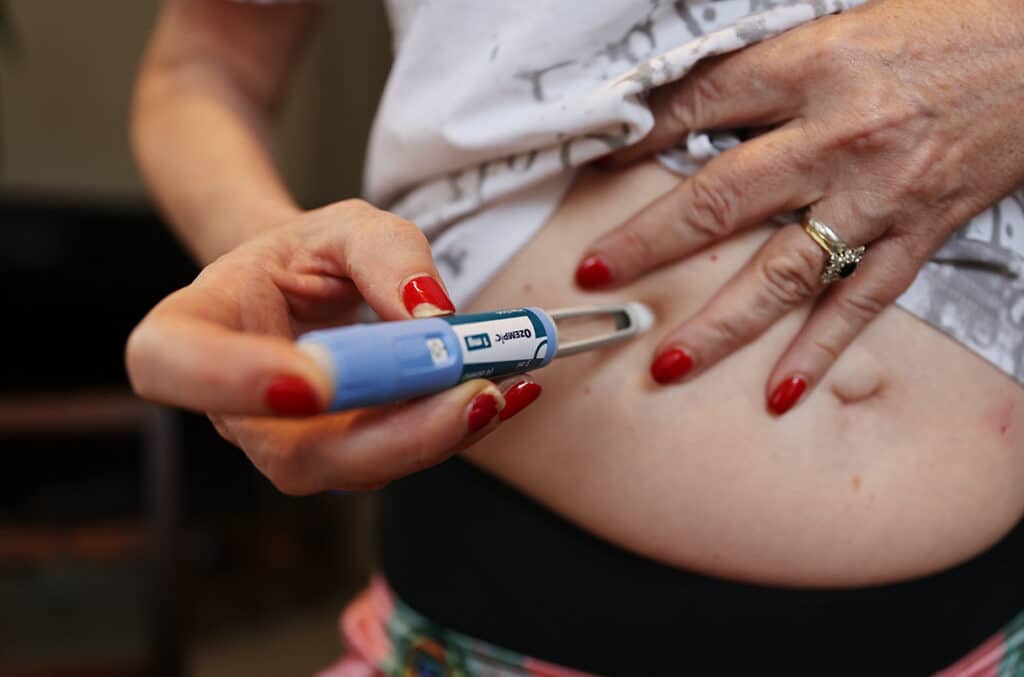
Key Takeaways Localized fat after GLP-1 weight loss refers to those stubborn, residual pockets of fat that just don’t want to diminish with the rest of your frame. These bags usually form on the stomach, hips, or thighs and can linger even with consistent weight loss on semaglutide and tirzepatide. Factors like genetics, skin elasticity, …

Targeted Fat After GLP-1 Weight Loss: How to Reduce Stubborn Areas and Address Loose Skin Read More »

Skin Laxity After Rapid Weight Loss — Causes, Prevention, and Treatments

Key Takeaways Skin laxity after rapid weight loss is excess skin that hangs loosely after fast body weight decrease. It happens when elastic fibers and collagen can’t keep up with shrinking tissue. Typical regions comprise the abdomen, arms, thighs, and face. Risk increases with age, genetics, the volume of weight loss, and the rate of …

Skin Laxity After Rapid Weight Loss — Causes, Prevention, and Treatments Read More »

What Is the Best BMI for a BBL and Can Plus-Size Candidates Still Get One?

Key Takeaways The ideal BMI for BBL is between 20 and 26, a range associated with safer surgery and more reliable fat grafting. Patients in this range typically have sufficient donor fat for reshaping while maintaining a lower complication risk. Surgeons use body composition and skin quality to drive decisions. The complete post will discuss …

What Is the Best BMI for a BBL and Can Plus-Size Candidates Still Get One? Read More »

What Is The BMI Requirement For Liposuction Candidates?

Key Takeaways Discuss expectations and safety with a board certified surgeon who will evaluate your health, distribution of fat, and skin quality to create a personalized surgical plan. BMI requirements for liposuction are guidelines that help surgeons assess candidate suitability based on body mass index. Many clinics prefer candidates with a BMI under 30, while …

What Is The BMI Requirement For Liposuction Candidates? Read More »

Should You Stop GLP-1 Receptor Agonists Before Surgery?

Key Takeaways Should you stop GLP-1 before surgery? That’s why most surgeons request their patients to discontinue GLP-1 agonists 1 to 7 days prior to elective surgeries to reduce risks of nausea, delayed gastric emptying, and glucose fluctuations. Your diabetes control, kidney function, and anesthesiology plan influence the timing. Consult your surgeon and prescriber for …

Should You Stop GLP-1 Receptor Agonists Before Surgery? Read More »

Submental Liposuction vs Non-Surgical Options for Double Chin Reduction

Key Takeaways Submental lipo vs non-surgical options describes how submental liposuction differs from injections, cooling, and ultrasound options. Submental liposuction eliminates fat with local or general anesthesia and provides a quick, dramatic change in your visible contour. Non-surgical options diminish fat over weeks with less downtime but tend to require multiple sessions. Cost, recovery, skin …

Submental Liposuction vs Non-Surgical Options for Double Chin Reduction Read More »

Swelling Timeline After Liposuction: What to Expect Week by Week

Key Takeaways Swelling timeline after liposuction is the common course of post-operative swelling and its duration. Most patients experience peak swelling during the first week, steady reduction between three and six weeks, and significant improvement at three months. Treatment area, surgical method, and compression all affect the rate. Understanding the typical timeline of swelling after …

Swelling Timeline After Liposuction: What to Expect Week by Week Read More »

Awake Liposuction: Safety, Risks, and What to Expect During the Procedure

Key Takeaways Awake liposuction safety is about risk reduction when liposuction is performed with local or minimal sedation. It addresses patient selection, sterile technique, dosing limits, monitoring, and emergency plans. There is data that demonstrates less systemic risk when anesthesia is limited and when providers adhere to recommendations. Results are good with proper training, facility …

Awake Liposuction: Safety, Risks, and What to Expect During the Procedure Read More »

Is It Safe to Wear a Waist Trainer After Liposuction?

Key Takeaways Waist training after liposuction myths refers to common false beliefs about using tight garments after surgical fat removal. These myths are that corsets mold fat, accelerate healing, or that they can prevent fat from coming back without surgeon supervision. While studies demonstrate that compression aids swelling management, it does not substitute recovery treatment …

Is It Safe to Wear a Waist Trainer After Liposuction? Read More »