breast Implants

BBL Infection Symptoms: Warning Signs and When to Seek Help

Key Takeaways Bbl infection symptoms Typical symptoms are fever, spreading redness, warmth, pus and escalating pain at the incisions. Additional symptoms include swollen lymph nodes, unexplained fluid drainage or lingering fatigue and chills. Early medical review is important because infections can spread or involve implants and tissue viability. The torso covers causes, timelines, when to …

BBL Infection Symptoms: Warning Signs and When to Seek Help Read More »

Body Sculpting After Mastectomy Reconstruction | Options, Recovery & Safety

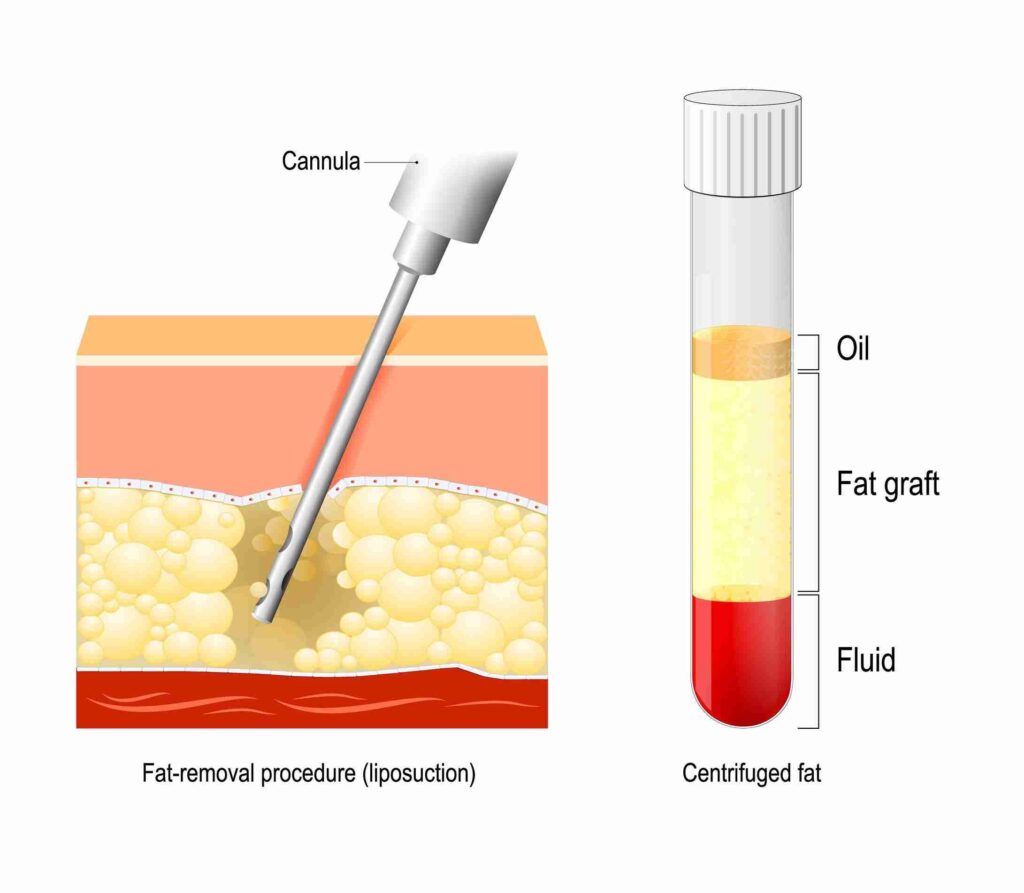
Key Takeaways Body sculpting after mastectomy reconstruction comprises surgical and non-surgical methods to enhance chest shape and body contours post-breast reconstruction. This can consist of fat grafting, liposuction, scar release, and implant adjustments for symmetry and movement. Recovery times, results, and revision rates differ by procedure and patient health. Surgeons treat based on previous reconstruction …

Body Sculpting After Mastectomy Reconstruction | Options, Recovery & Safety Read More »

Systemic Enzyme Therapy: European Approach to Body Sculpting, Safety, and Usage Guidance

Key Takeaways Systemic enzyme therapy Body sculpting European approach is an oral enzyme blend that nourishes the body at the cellular level to repair tissue and optimize fat metabolism. Grown and researched in Europe, it has serrapeptase, nattokinase, and proteolytic enzymes at targeted dosages. It’s been said to provide reduced inflammation, better circulation, and support …

Systemic Enzyme Therapy: European Approach to Body Sculpting, Safety, and Usage Guidance Read More »

Body Sculpting for Autoimmune-Related Weight Changes: Benefits, Risks & Lifestyle Considerations

Key Takeaways Body sculpting for autoimmune disease weight gain or loss is a collection of noninvasive and surgical treatments to target autoimmune disease-associated fat loss, fat gain, and body composition changes. From customized exercise and nutrition plans to targeted procedures, everything is selected with medical oversight. We specialize in safe, symptom and expectation-aware care for …

Body Sculpting for Autoimmune-Related Weight Changes: Benefits, Risks & Lifestyle Considerations Read More »

Body Sculpting for Insulin Resistance: Cryolipolysis Targets Diet-Resistant Fat Deposits

Key Takeaways Body sculpting for insulin resistance fat deposits is a series of procedures that address abdominal and visceral fat associated with insulin resistance. These treatments integrate clinical evaluation, customized nutrition, moderated physical activity, and noninvasive or surgical interventions to eliminate fat and enhance metabolic indicators. Results frequently include reduced waistline and increased insulin sensitivity …

Body Sculpting for Insulin Resistance: Cryolipolysis Targets Diet-Resistant Fat Deposits Read More »

Liposuction for Lupus Patients: Risks, Precautions, and Preparation

Key Takeaways Liposuction for lupus related body changes is a procedure to remove areas of excess fat associated with extended drug regimens or disease impact. It addresses hard-to-treat areas like the face, neck, abdomen, and limbs and can enhance body contour and garment fit. Candidates must have stable lupus activity, careful medical screening, and coordination …

Liposuction for Lupus Patients: Risks, Precautions, and Preparation Read More »

Preventing Hair Loss After Body Sculpting: Causes, Tips, and Treatments

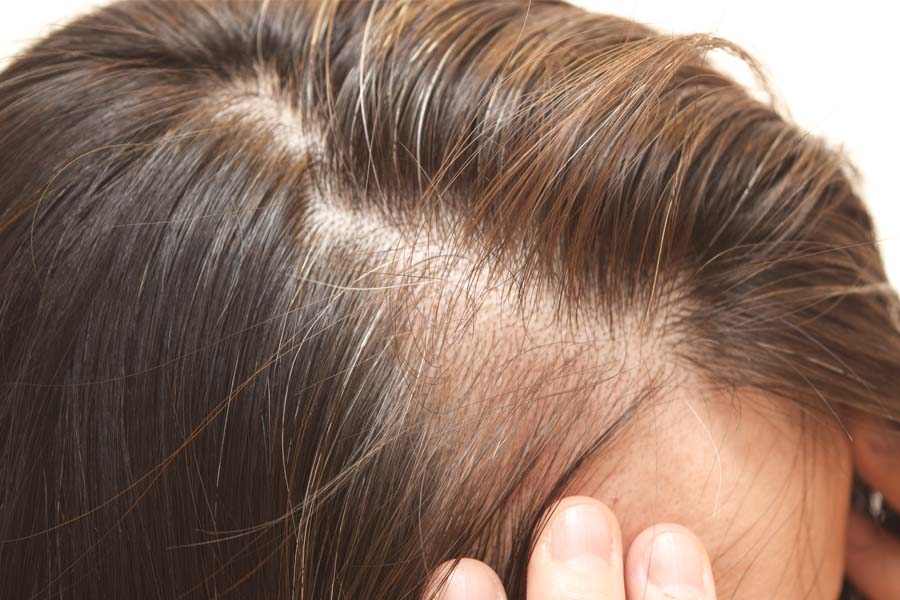
Key Takeaways Preventing hair loss after body sculpting procedure involves efforts to safeguard scalp circulation and minimize follicle stress. The postoperative care you take will have an impact on helping prevent hair loss following body sculpting. Talking medications, timing of scalp treatments, and signs of shedding with your clinician helps identify issues early. The body …

Preventing Hair Loss After Body Sculpting: Causes, Tips, and Treatments Read More »

Mast Cell Activation Syndrome and Liposuction: A Patient Guide

Key Takeaways Liposuction and mast cell activation syndrome guide explains how liposuction may affect people with mast cell activation syndrome (MCAS). It discusses risk factors, typical reactions, and how doctors minimize triggers in surgery and recovery. The guide compiles data on anesthesia options, medication protocols, and wound care specific to MCAS. Readers will get actionable …

Mast Cell Activation Syndrome and Liposuction: A Patient Guide Read More »