Plastic Surgery

Lipedema and Mental Health: Understanding Depression, Anxiety, and Coping Strategies

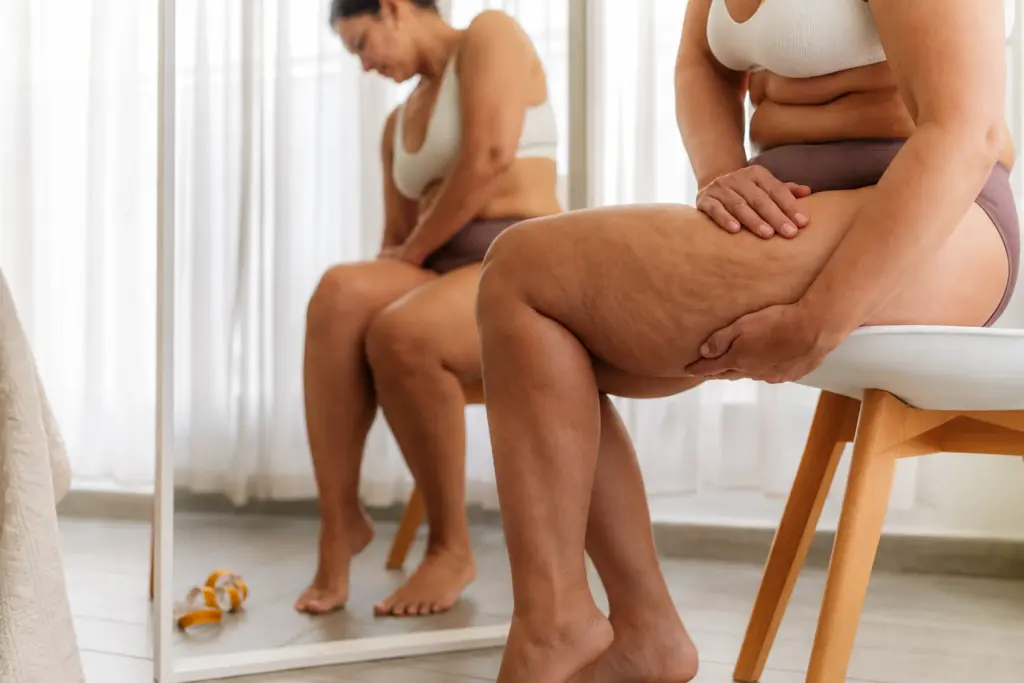
Key Takeaways Lipedema and depression anxiety mental health is about the connection between a chronic fat disorder and heightened mood and anxiety symptoms. Individuals with lipedema commonly experience pain, decreased mobility, and body image alterations that increase stress and isolation. Research shows they have higher rates of depression and anxiety than the general population. Knowing …

Lipedema and Mental Health: Understanding Depression, Anxiety, and Coping Strategies Read More »

Body Sculpting for Autoimmune-Related Weight Changes: Benefits, Risks & Lifestyle Considerations

Key Takeaways Body sculpting for autoimmune disease weight gain or loss is a collection of noninvasive and surgical treatments to target autoimmune disease-associated fat loss, fat gain, and body composition changes. From customized exercise and nutrition plans to targeted procedures, everything is selected with medical oversight. We specialize in safe, symptom and expectation-aware care for …

Body Sculpting for Autoimmune-Related Weight Changes: Benefits, Risks & Lifestyle Considerations Read More »

Body Sculpting for Insulin Resistance: Cryolipolysis Targets Diet-Resistant Fat Deposits

Key Takeaways Body sculpting for insulin resistance fat deposits is a series of procedures that address abdominal and visceral fat associated with insulin resistance. These treatments integrate clinical evaluation, customized nutrition, moderated physical activity, and noninvasive or surgical interventions to eliminate fat and enhance metabolic indicators. Results frequently include reduced waistline and increased insulin sensitivity …

Body Sculpting for Insulin Resistance: Cryolipolysis Targets Diet-Resistant Fat Deposits Read More »

Liposuction for Lupus Patients: Risks, Precautions, and Preparation

Key Takeaways Liposuction for lupus related body changes is a procedure to remove areas of excess fat associated with extended drug regimens or disease impact. It addresses hard-to-treat areas like the face, neck, abdomen, and limbs and can enhance body contour and garment fit. Candidates must have stable lupus activity, careful medical screening, and coordination …

Liposuction for Lupus Patients: Risks, Precautions, and Preparation Read More »

Preventing Hair Loss After Body Sculpting: Causes, Tips, and Treatments

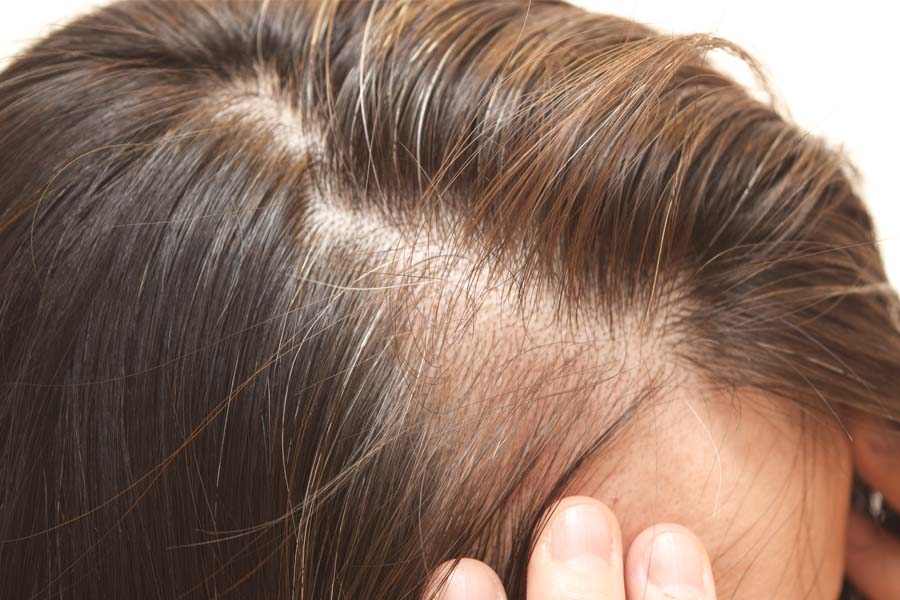
Key Takeaways Preventing hair loss after body sculpting procedure involves efforts to safeguard scalp circulation and minimize follicle stress. The postoperative care you take will have an impact on helping prevent hair loss following body sculpting. Talking medications, timing of scalp treatments, and signs of shedding with your clinician helps identify issues early. The body …

Preventing Hair Loss After Body Sculpting: Causes, Tips, and Treatments Read More »

Fat Transfer for Tissue Health: Regeneration, Mechanisms, Best Practices & What to Expect

Key Takeaways Fat transfer for tissue health not just volume uses your own fat to boost skin quality and enhance healing. It delivers nourishing cells and growth factors to thin or scarred areas that can enhance blood circulation and the elasticity of soft tissues. Clinicians utilize it in tandem with scar repair, breast reconstruction, and …

Fat Transfer for Tissue Health: Regeneration, Mechanisms, Best Practices & What to Expect Read More »

From Volume Loss to Gravitational Descent: Understanding Body Sculpting and Facial Aging

Key Takeaways Body sculpting gravitational aging fat descent explained refers to how fat shifts and skin changes with age and gravity, and how sculpting methods address those changes. It encompasses fat loss, tissue sag, and contour loss that surfaces over decades. It features noninvasive and surgical options to resculpt volume, tighten tissue, and restore equilibrium. …

From Volume Loss to Gravitational Descent: Understanding Body Sculpting and Facial Aging Read More »

Fascial Water Content and Healing After Body Sculpting: Hydration Guidelines for Post-Procedure Recovery

Key Takeaways Fascial water content and healing after body sculpting refers to the role of fluid levels in fascia during recovery from procedures like liposuction and noninvasive fat reduction. Higher local water content dictates swelling, nutrient delivery, and tissue gliding, which impacts pain, mobility, and scar formation. Clinical care typically monitors hydration, compression application, and …

Fascial Water Content and Healing After Body Sculpting: Hydration Guidelines for Post-Procedure Recovery Read More »

Piezoelectricity in Fascia and Compression Therapy — Hydration, Energy, and Regenerative Biomaterials

Key Takeaways Piezoelectric fascia and compression therapy science studies how electrical signals in connective tissue respond to mechanical pressure. Piezoelectric fascia and compression therapy science clinical compression applies a controlled force to change pressure gradients and tissue strain. In these ongoing trials, we measure electrical output, collagen fiber alignment, and symptom change to understand mechanisms …

Piezoelectricity in Fascia and Compression Therapy — Hydration, Energy, and Regenerative Biomaterials Read More »

Hydrostatic Pressure and Compression Garments After Liposuction

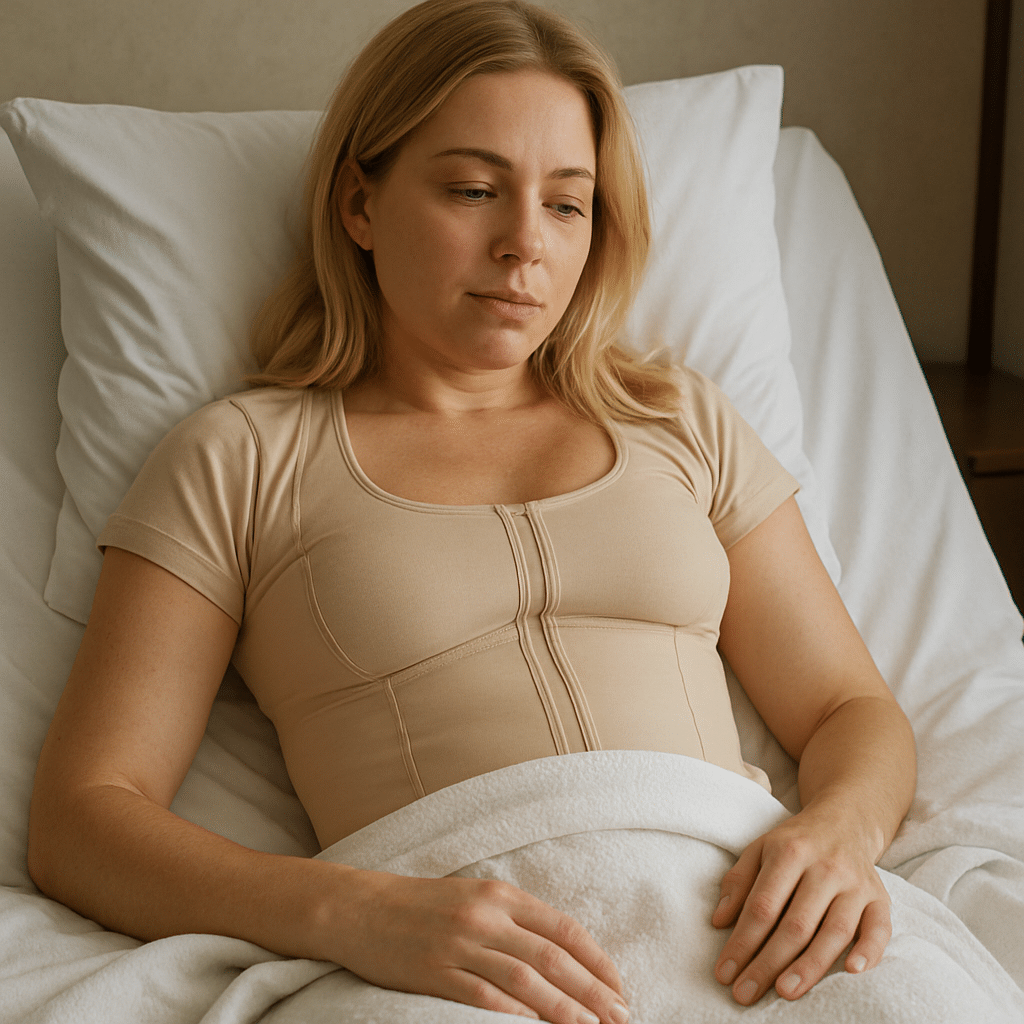
Key Takeaways Hydrostatic pressure compression healing post-liposuction means employing water pressure or compression garments to minimize inflammation and facilitate tissue repair. It reduces swelling, alleviates discomfort, and if applied properly, accelerates recovery of range of motion. Care plans frequently mix timed wear, light activity, and follow-ups to monitor drainage and skin settling. Results differ according …

Hydrostatic Pressure and Compression Garments After Liposuction Read More »