
Burn reconstruction stands as a beacon of hope for those who have endured the physical and emotional scars left by severe burns. This specialized field of medicine not only aims to restore the function and appearance of burn-affected areas but also plays a crucial role in enhancing the overall quality of life for survivors. Through advanced surgical techniques and personalized care plans, patients embark on a journey towards healing, both physically and psychologically. As we delve into the intricacies of burn reconstruction, it becomes clear that this process is about much more than skin-deep recovery; it’s about reclaiming lives altered by trauma.
Age-Related Factors in Reconstruction Outcomes
Young Patients
Younger individuals often have a better regenerative capacity. This ability greatly influences their recovery after burn injuries. Their bodies can heal wounds faster and more efficiently.
The skin of younger patients is also more elastic. This elasticity plays a critical role in surgical outcomes, making procedures potentially more successful. They tend to face fewer complications during the healing process.
Elderly Challenges
Elderly patients usually experience longer healing times. Their bodies do not regenerate tissue as quickly as younger individuals do. This slow regeneration can lead to increased complications after surgery.
Their skin’s reduced elasticity affects how well it responds to reconstructive efforts. Surgeries might not yield results as favorable as those seen in younger patients due to this factor.
Perioperative Morbidity and Age
Risk Factors
Older adults face higher risks during surgery. This is due to their age and health issues. Increased age leads to more complications.
Pre-existing conditions make surgery harder. These include heart disease and diabetes. They affect how the body handles anesthesia and healing.
Pre-Surgical Assessment
A careful check before surgery helps a lot. It identifies risks linked to age. This step is key for safe burn reconstruction.
Doctors review the patient’s overall health. They focus on heart function, lung capacity, and other vital signs. This ensures that older patients are ready for surgery.
Surgical Management of Burns Across Ages
Pediatric Burns
Pediatric burns demand a specialized approach. Children’s skin and bodies are still developing. This makes them more sensitive to treatments that adults might easily endure. For pediatric patients, surgeons often choose less invasive procedures when possible.
Surgeons also consider the long-term impact of scars on growing bodies. They aim to minimize scarring through careful planning and intervention techniques. The goal is not only healing but also ensuring normal growth and development.
Adult Options
Adults facing burn injuries have a wider range of surgical options. The severity of the burn dictates the course of action. Minor burns might need simple procedures, while severe cases could require extensive surgery.
Options include skin grafting, where damaged skin is replaced with healthy skin from another body part. There’s also reconstructive surgery to improve function or appearance after major burns.
Geriatric Care
Geriatric patients present unique challenges in burn reconstruction due to frailty and existing health issues (comorbidities). Surgeons must tailor their approaches carefully for elderly patients, balancing the need for effective treatment against potential risks.
Common considerations include enhancing wound healing, reducing infection risk, and minimizing hospital stay lengths. Surgeries are planned with an emphasis on quick recovery times and minimal stress on the patient’s overall health.
Non-Surgical Options for Burn Recovery
Topical Treatments
Advances in topical treatments have provided effective alternatives to surgery for minor burns. These treatments often include creams and ointments that promote healing and reduce the risk of infection. For instance, silver sulfadiazine cream is widely used to prevent burn infections.
Topical antibiotics are another key option. They help fight bacteria on burn wounds. This reduces complications and speeds up recovery.
Compression Garments
Compression garments play a crucial role in non-surgical burn recovery. They apply steady pressure over scarred areas, which helps flatten and soften scars over time.
These garments must be worn daily for best results. They can significantly reduce scarring without any invasive procedures. Patients find them useful especially after severe burns.
Laser Therapy
Laser therapy has emerged as a powerful tool in improving the appearance and texture of scars after burns. It works by reducing redness, itching, and pain associated with burn scars.
This method also promotes collagen production in the skin. Collagen is vital for healthy skin regeneration following injuries like burns.
Silicone Sheets
Silicone sheets are effective in managing keloid and hypertrophic scars from burns. They make scars less visible by flattening them out over time.
- Easy to use
- Non-invasive
- Can be cut to fit various scar sizes
Patients report improved comfort and reduced itchiness when using silicone sheets regularly.
Skin Grafts and Flaps in Reconstruction
Autograft Options
Autografts are skin grafts taken from the patient’s own body. They are highly preferred because they have a lower chance of being rejected by the body. However, their use is limited by the availability of healthy donor skin.
For small to medium burns, autografts can be an ideal solution. The process involves taking skin from an unaffected area and transferring it to the burn site. This method promotes better healing and reduces complications.
Allograft Solutions
Allografts involve using skin from a donor or a cadaver temporarily until autografting becomes viable or as a short-term solution on its own. They are useful when patients do not have enough healthy skin for autografting.
These grafts serve as a protective layer over burns, helping to prevent infection and fluid loss. Although allografts might eventually be rejected by the recipient’s immune system, they play a crucial role in early-stage burn care.
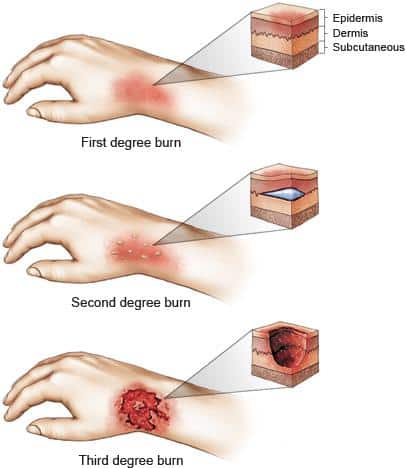
Flap Surgery
Flap surgery is essential for extensive burns that damage not just the skin but also underlying muscles and tissues. It involves moving living tissue, including blood vessels or even bone, from one part of the body to another.
This type of reconstruction provides both coverage and structural support where needed most. For instance, muscle flaps can help with deep burn areas requiring more than just superficial treatment.
- Pros: Offers comprehensive reconstruction.
- Cons: More complex procedure; requires longer recovery time.
Burn reconstruction has evolved significantly since non-surgical options were first explored in previous sections of this article series on burn recovery methods. Surgical interventions like skin grafts and flap surgeries offer hope for severe cases needing intricate care beyond topical treatments.
Scar Management Techniques
Silicone Sheets
Silicone gel sheets are a popular choice for managing scars after burn reconstruction. They work by flattening and softening the scar tissue. Patients apply these sheets directly to their scars. This method is both simple and effective.
Many find silicone sheets comfortable to wear. They can be used on various parts of the body, making them versatile. Their ease of use contributes significantly to their popularity among patients recovering from burns.
Steroid Injections
Intralesional steroid injections target keloid and hypertrophic scars specifically. These types of scars are more raised and prominent than others. The injections help reduce their formation by breaking down excess scar tissue.
Doctors administer these injections in a medical setting. Patients might need multiple sessions depending on the severity of their scarring. Despite this, many see significant improvements in the appearance and texture of their scars over time.
Pressure Therapy
Pressure therapy involves wearing custom-fitted garments designed to prevent thickening of scar tissue. These garments apply constant pressure to healing areas, which helps keep the skin smooth as it heals.
Patients typically wear these garments for several months during recovery. Although it requires commitment, pressure therapy has proven effective for many individuals undergoing burn reconstruction.
Managing scars is crucial for both physical healing and emotional well-being after a burn injury. Techniques like silicone gel sheets, steroid injections, and pressure therapy offer hope and improved outcomes for those navigating this challenging journey.
Quality of Life After Burn Reconstruction
Physical Recovery
Successful burn reconstruction can dramatically improve a person’s physical functionality. This means they can move more freely and with less discomfort. It also enhances their appearance, which is crucial for self-esteem.
After surgery, patients often experience a significant reduction in the tightness and discomfort of scar tissue. This allows for greater mobility and less pain during daily activities. For example, someone who struggled to extend their arm fully due to scar contracture may find it easier post-reconstruction.
Pain Management
Ongoing pain management is essential after burn reconstruction. Despite improvements in functionality and appearance, some level of discomfort may persist.
Patients might need medications or therapies like physical therapy to manage this pain effectively. Techniques learned in earlier scar management treatments are also beneficial here. They help ensure that recovery continues smoothly without unnecessary setbacks.
Psychological Adjustment
Social support systems are vital for psychological adjustment after burn reconstruction. The journey doesn’t end with physical healing; emotional recovery is equally important.
Friends, family, and support groups provide encouragement and understanding that significantly impact mental health. They help individuals cope with changes in their appearance and abilities post-surgery. For many, returning to social activities or work becomes easier with strong emotional backing.
Rehabilitation and Psychological Support Needs
Physical Therapy
Physical therapy plays a crucial role in the journey after burn reconstruction. It helps restore mobility that might have been lost due to injuries. Therapists work with patients to develop personalized routines.
These routines often focus on stretching and strengthening exercises. They aim to prevent contractures, which are tight, painful skin areas that can limit movement. Regular sessions ensure progress is monitored and goals are adjusted as needed.
Counseling Services
Counseling is another pillar of support for burn survivors. It addresses the psychological impact of experiencing such trauma. Counselors provide a safe space for individuals to express their feelings and fears.
This process aids in mental health recovery by tackling issues like anxiety, depression, and PTSD. Through counseling, survivors learn coping strategies that help them navigate their emotions more effectively.
Support Groups
Support groups offer a unique form of healing through shared experiences. They connect survivors with others who have gone through similar challenges. This community understanding fosters a sense of belonging.
- Benefits include:
- Emotional support from peers.
- Sharing practical advice on dealing with daily challenges.
- Learning about new developments in burn care and reconstruction techniques.
In these groups, stories of resilience inspire hope among members, encouraging them along their recovery path.
Following burn reconstruction, integrating physical therapy, counseling services, and support group participation significantly enhances quality of life for survivors by addressing both their physical rehabilitation needs and psychological well-being requirements comprehensively.
Closing Thoughts
The journey of burn reconstruction encompasses a broad spectrum of considerations, from age-related factors and perioperative morbidity to the diverse array of surgical and non-surgical options available for recovery. It underscores the importance of a tailored approach that addresses not only the physical scars but also the psychological needs, ensuring a holistic recovery process. The integration of skin grafts, scar management techniques, and rehabilitation services plays a critical role in enhancing the quality of life for survivors, highlighting the advancements in medical science and the significance of comprehensive care.
As society continues to make strides in medical technology and therapeutic practices, the narrative around burn reconstruction evolves, emphasizing the resilience of individuals undergoing this transformative journey. They are encouraged to seek out specialized care teams that offer a blend of surgical expertise, psychological support, and rehabilitation services. This multidisciplinary approach fosters an environment where survivors can navigate their recovery with dignity and hope, paving the way for a future where the scars of burns no longer dictate one’s quality of life.
Frequently Asked Questions
How do age-related factors influence burn reconstruction outcomes?
Age significantly impacts the healing process, with younger patients generally experiencing better regeneration and fewer complications. Older individuals may face a slower recovery and higher risks of perioperative morbidity.
What are the key considerations for surgical management of burns across different ages?
Surgical interventions must be tailored to the patient’s age, focusing on minimizing trauma and ensuring optimal healing conditions. For children, preserving growth potential is crucial, while in adults, functionality and aesthetic outcomes are prioritized.
Are there non-surgical options available for burn recovery?
Yes, non-surgical treatments such as laser therapy, pressure garments, and silicone sheets play a critical role in improving scar appearance and promoting skin regeneration without the need for invasive procedures.
How do skin grafts and flaps contribute to burn reconstruction?
Skin grafts and flaps are vital for covering extensive burns or areas where skin cannot regenerate on its own. They help restore protective barriers against infection while also improving cosmetic appearances by replacing damaged tissue with healthy one from another body part.
What techniques exist for managing scars after burn injuries?
Effective scar management includes a combination of physical therapies like massage and compression garments alongside medical treatments such as steroid injections or laser therapy to reduce scar thickness, improve elasticity, and alleviate discomfort.
Can you describe the impact of quality of life after undergoing burn reconstruction?
Post-reconstruction quality of life can significantly improve as physical functions are restored or enhanced. However, ongoing support might be needed to address psychological impacts such as self-esteem issues or PTSD stemming from the injury experience.
Why is rehabilitation important following burn surgery?
Rehabilitation focuses on restoring mobility through physical therapy while addressing any psychological challenges through counseling. This comprehensive approach ensures patients regain both their physical abilities and confidence post-injury.