
Understanding Acne and Scars
Acne Types
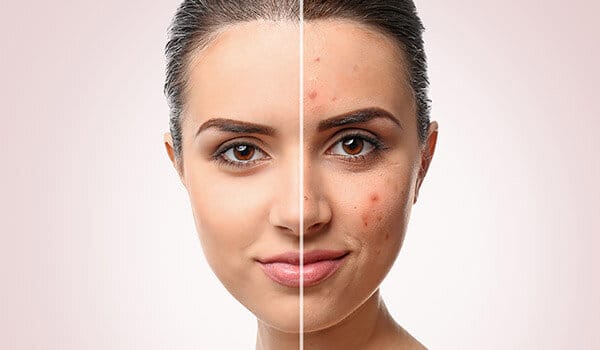
Acne, or acne vulgaris, is a common skin concern affecting many. It appears in various forms, from blackheads to painful cysts. Atrophic acne stands out due to its potential to leave behind scars. This type often results from severe acne lesions that damage the skin’s collagen.
Active acne can escalate into scarring if not treated properly. The severity of these scars depends on the depth and inflammation of the acne.
Scar Formation
Scarring occurs when the healing process after an acne lesion damages the skin, leading to atrophic acne scars. Factors influencing scar severity include the depth of the original lesion and how it was treated.
Hyperpigmentation is another concern, where dark spots linger after the acne heals. Though not true scarring, it affects appearance significantly.
Psychological Impact
The presence of acne scars can have a profound psychological impact on individuals. They may experience lowered self-esteem and social withdrawal due to their skin’s appearance.
This emotional toll highlights the importance of effective scar treatment options. Chemical peels have emerged as an excellent treatment for not only reducing the visibility of scars but also improving overall skin texture.
Chemical Peel Basics
Peel Process
Chemical peels involve applying a chemical solution to the skin. This solution removes damaged outer layers, revealing smoother, healthier skin beneath. They work by breaking down dead skin cells, allowing the body to shed them more easily.
Peels vary in strength. Light peels offer gentle exfoliation, while deeper peels provide more significant results. The choice depends on the individual’s skin condition and goals.
Acne Scars
For those battling acne scars, chemical peels can be a game-changer. They not only smooth out the skin texture but also promote collagen production. Increased collagen helps fill in scars, making them less noticeable.
Chemical peeling can reduce the appearance of acne scars significantly over time. Patients often see improvements after just one treatment, though multiple sessions may be necessary for best results.
Expert Advice
It’s crucial to consult with a dermatologist before undergoing any chemical peel. They can assess your skin type and condition, ensuring you choose the most suitable type of peel. This step is vital to avoid potential side effects and achieve optimal outcomes.
A professional will also provide guidance on pre- and post-peel care. This care is essential for healing and maintaining the health of your newly revealed skin.
Types of Chemical Peels
Superficial Peels
Superficial peels are the gentlest form of chemical peels. They target the outermost layer of skin. Glycolic acid is a common ingredient used in these peels. It helps to brighten the skin and reduce mild acne scars.
For those with minor scarring, superficial peels offer a quick solution with minimal downtime. Patients can expect to resume their daily activities immediately after treatment.
Medium Peels
Medium peels go deeper, reaching the middle layers of skin. Trichloroacetic acid (TCA) is often used for this level of peel. It works by removing damaged skin cells, significantly improving the appearance of moderate acne scars.
The effectiveness of medium peels comes with a longer recovery period. Patients might experience redness and peeling for up to a week post-treatment. However, the results are more pronounced compared to superficial peels.
Deep Peels
Deep peels are the most intensive type of chemical peel. They penetrate deeply into the skin to provide dramatic improvements in texture and appearance. Phenol is typically used in deep peels and can effectively treat severe acne scars.
Due to their intensity, deep peels require the longest downtime. Recovery can take several weeks, during which patients may need to strictly follow post-care instructions from their dermatologist. The outcomes, however, can be transformative, offering long-lasting results.
Preparing for Your Peel
Consultation First
Patients should schedule a consultation before undergoing a chemical peel. This step is crucial to discuss expectations, potential side effects, and the best type of peel for their acne scars. The dermatologist will evaluate the treatment area and suggest either a light or medium peel depending on the skin’s condition.
During this meeting, patients learn about the importance of pre-peel preparation. This includes avoiding certain medications and skincare products that might interfere with the peel’s effectiveness.
Skin Prep
Proper skin preparation can significantly impact the healing process and the overall success of the chemical peel. Patients are advised to stop using topical medications that could increase skin sensitivity. These include retinoids and specific acne treatments at least two weeks prior to their appointment.
It’s also recommended to avoid any form of exfoliation in the days leading up to the peel. Exfoliating can thin out the top layer of skin, making it more susceptible to damage during the treatment.
Care Products
Using gentle care products is key for preparing your skin. Dermatologists often prescribe a topical antibiotic or antiviral medication as a precautionary measure against infections. They may also recommend hydrating creams that support skin health without interfering with the peel’s ingredients.
Patients should follow these guidelines closely to achieve ideal results from their chemical peels. Proper preparation helps minimize risks and enhances the appearance post-treatment by ensuring that only the intended layers of cells are removed.
Peel Selection by Skin Type
Skin Types
Choosing the right chemical peel for acne scars depends heavily on skin type. Oily skin, prone to larger pores and higher sebum production, may benefit from stronger peels that penetrate deeply. These peels can help in reducing oiliness and clearing clogged pores.
Dry or sensitive skin types require a more cautious approach. Superficial peels that target only the outermost layer of skin are preferable. They encourage skin cell turnover without causing excessive irritation. For these skin types, maintaining the integrity of the skin barrier is crucial to avoid further damage or sensitivity.
Pigmentation Concerns
Skin tone plays a critical role in selecting a chemical peel. Darker skin tones have a higher risk of pigmentation issues post-peel. It’s essential to choose peels designed to minimize this risk. Superficial peels are often recommended for darker skins to promote new skin cells growth without altering melanin production significantly.
Lighter skin tones might have more options regarding peel intensity but should still proceed with caution. Sun exposure after a peel can lead to uneven skin tone regardless of the original pigment.
Dermatologist Guidance
A dermatologist’s input is invaluable in choosing the correct chemical peel. They assess both skin condition and scar severity, recommending a treatment plan tailored to individual needs. Their expertise ensures that the chosen peel promotes healthy skin renewal while minimizing potential side effects.
Post-Peel Care Tips
Sun Protection
After a chemical peel, your skin becomes more sensitive to the sun. It’s crucial to protect it from UV damage. Apply a broad-spectrum sunscreen with an SPF of 30 or higher every day, even when it’s cloudy. Wear wide-brimmed hats and seek shade whenever possible.
Avoid direct sunlight during peak hours, typically between 10 a.m. and 4 p.m. This reduces the risk of hyperpigmentation and ensures your skin heals properly.
Gentle Skincare
Use mild, fragrance-free cleansers and moisturizers after your peel. Harsh products can irritate the delicate new skin layer. Look for ingredients like hyaluronic acid or ceramides that hydrate without causing redness or discomfort.
Pat your face dry instead of rubbing it. This helps maintain the integrity of your newly exposed skin layers.
Healing Process
Expect some redness, peeling, and discomfort in the days following your treatment. These symptoms are normal and signify that healing is underway.
To manage peeling, resist the urge to pick or peel off flaking skin. Let it shed naturally to avoid scarring or infection. If you experience significant discomfort, over-the-counter pain relievers and cool compresses can offer relief.
Hydration is key during this period. Drink plenty of water to support your skin’s recovery process.
Patience and Regimen
Healing takes time. Results vary based on the depth of the peel and your specific skin type, as discussed in “Peel Selection by Skin Type.” Follow your dermatologist’s post-peel regimen closely for optimal outcomes.
Be patient with your skin and give it time to fully recover before assessing results. Consistency with post-peel care enhances both healing and long-term benefits.
Peel vs. Laser Resurfacing
Effectiveness
Chemical peels offer significant acne scar reduction. They work by removing damaged outer layers of skin, promoting new cell growth. This rejuvenation treatment can make scars less noticeable.
Laser resurfacing, on the other hand, uses concentrated light beams to target scars. It’s highly effective for deeper scars and offers precise control over the treatment area.
Recovery Time
Recovery from chemical peels varies with the peel’s intensity. Light peels might need only a few days, while deeper peels can require up to two weeks.
Laser treatments often have a longer downtime. Patients may experience redness and swelling for up to two weeks post-treatment.
Cost
Chemical peels are generally more affordable than laser resurfacing. They are considered cost-effective office treatment options for acne scars.
Lasers, being more technology-intensive, command higher prices. The exact cost depends on the treatment’s extent and the technology used.
Scar Depth
For superficial scars, chemical peels might suffice. They gently exfoliate the top skin layers, improving texture and appearance.
Deep scars often respond better to laser resurfacing. Its precision allows for targeted treatment deep within the skin.
Skin Type
Chemical peels suit a wide range of skin types but may cause pigmentation issues in darker skins.
Laser resurfacing requires careful consideration of skin type to avoid pigmentation changes or scarring.
Combining Treatments
e cases benefit from combining both treatments for comprehensive improvement. This approach targets different scar aspects, enhancing overall results.
Summary
Chemical peels offer a promising solution for those of you struggling with acne scars, providing a way to achieve smoother, more radiant skin. From understanding the basics to post-peel care, we’ve covered everything you need to know to make an informed decision. Remember, selecting the right peel for your skin type and following through with proper care are crucial steps toward your skin rejuvenation journey. Chemical peels stand out as a potent option compared to laser resurfacing, offering tailored solutions that cater to different skin types and concerns.
Now’s the time to take control of your skin’s appearance. Consult with a dermatologist to find out which chemical peel is best for you and embark on a path to clearer, scar-free skin. Your confidence will soar as you see the transformation unfold. Don’t let acne scars hold you back any longer; explore the possibilities that chemical peels bring.
Frequently Asked Questions
What are chemical peels and how do they help with acne scars?
Chemical peels involve applying a chemical solution to the skin, which exfoliates the surface and reveals newer, less scarred skin underneath. They can significantly reduce the appearance of acne scars.
Can all skin types safely undergo chemical peels for acne scars?
Yes, but the type of peel is crucial. Different peels are better suited for various skin types. A professional can help select the right peel for your skin to ensure safety and effectiveness.
How should I prepare my skin before undergoing a chemical peel?
Preparation typically involves using specific skincare products and avoiding certain activities like waxing or using retinol. Your skincare specialist will provide a tailored plan based on the type of peel you’ll be receiving.
What are the main types of chemical peels available?
There are three main types: superficial, medium, and deep. Each varies in strength, ingredients, and depth of penetration, addressing different levels of skin concerns including acne scars.
How does post-peel care look like?
Post-peel care involves keeping the skin hydrated, avoiding direct sun exposure by wearing sunscreen, and following any specific instructions given by your skincare professional to promote healing and maximize results.
Is there a difference between peel and laser resurfacing for treating acne scars?
Yes. While both treatments aim to improve skin texture and appearance, laser resurfacing uses targeted light beams for deeper tissue removal. The choice between them depends on your specific skin condition, desired results, and consultation with a skincare professional.
How long does it take to see results from a chemical peel for acne scars?
Results can vary based on the type of peel and individual skin conditions but generally start to become noticeable after the healing process concludes, usually within a few weeks. Multiple sessions may be needed for optimal results.