
Understanding Stretch Marks
Definition
Stretch marks, or striae distensae, are indented streaks on the skin. They occur due to rapid stretching of the skin. These marks can appear as red, purple, or white lines.
Causes
Rapid body changes often cause stretch marks. Pregnancy is a common reason for these marks. During pregnancy, the stomach stretches quickly to accommodate the growing baby. This rapid stretching can lead to early stretch marks.
Other causes include:
- Rapid weight gain
- Growth spurts during puberty
- Bodybuilding with quick muscle growth
Common Areas
Stretch marks can appear on various parts of the body. The most common areas include:
- Stomach
- Thighs
- Buttocks
- Breasts
- Upper arms
The skin in these areas is prone to rapid stretching and breaking of elastic fibers.
Appearance Over Time
Stretch marks change over time. Early stretch marks are often red or purple due to blood vessels showing through the skin. As they heal, they fade to white or silver.
The initial color may be more noticeable but will lighten over time. However, some people may find that their stretch marks remain darker.
Emotional Impact
While stretch marks are not harmful, they can affect self-image. Many people feel self-conscious about these scars. This feeling is especially common during adolescence and pregnancy.
e individuals might avoid certain activities like swimming due to visible stretch marks. It’s important to remember that many people have them and they are a normal part of life.
Treatment Options
There are several treatments available for reducing the appearance of stretch marks:
- Topical creams and ointments: Products containing retinoids or hyaluronic acid may help.
- Laser therapy: Can improve collagen production and reduce redness.
- Microdermabrasion: Exfoliates the skin and promotes new skin growth.
- Chemical peels: Removes outer layers of dead skin cells, improving texture.
However, no treatment guarantees complete removal of stretch marks.
Prevention Tips
Preventing stretch marks entirely is difficult but some steps may help reduce their occurrence:
- Maintain a healthy weight.
- Keep skin hydrated with moisturizers.
- Use products rich in vitamins A and E.
- Exercise regularly to maintain skin elasticity.
Recognizing Symptoms
Initial Appearance
Stretch marks often start as bright streaks. These streaks can be pink, red, blue, black, or purple. The initial color depends on your skin tone and the cause of the stretch marks. For example, during pregnancy or rapid growth spurts, these marks might appear more vivid.
Physical Changes
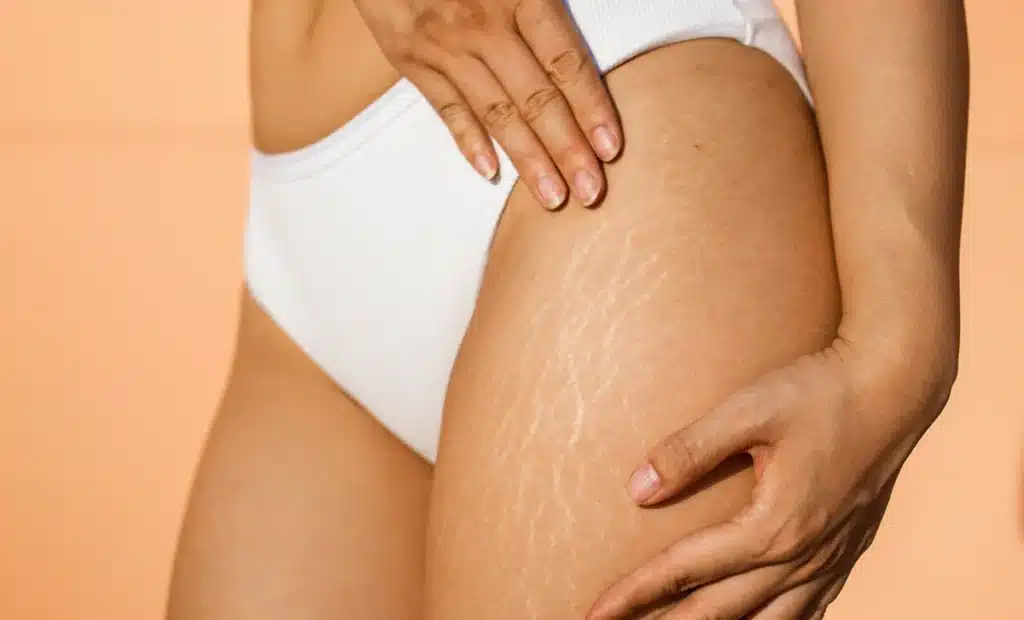
As time passes, stretch marks can cover large areas of the body. They are common on the abdomen, breasts, hips, and thighs. Physical changes such as weight gain or muscle growth can make them more noticeable. Over time, they may vary in appearance.
Redness and Swelling
Early stretch marks sometimes come with redness and swelling. This is due to inflammation in the affected area. The skin stretches quickly, causing small tears in the dermis layer. This inflammation can also lead to itching.
Fading Over Time
Older stretch marks tend to fade to a lighter color. They might turn white or silver but rarely disappear completely. The texture of older stretch marks often feels different from surrounding skin. While they become less visible, they remain a permanent feature.
Common Causes
Several factors contribute to the development of stretch marks:
- Pregnancy: Rapid stretching of the abdomen.
- Puberty: Growth spurts causing quick physical changes.
- Cushing Syndrome: High cortisol levels leading to skin thinning.
- Rapid Weight Gain: Quick increases in body mass.
- Bodybuilding: Muscle growth causing skin stretching.
Emotional Impact
The appearance of stretch marks can affect self-esteem. Teenagers experiencing puberty might feel self-conscious about these physical changes. Pregnant women may worry about their post-pregnancy bodies.
When to Seek Help
Discomfort or Concern
If stretch marks cause discomfort, consult a healthcare provider. Discomfort may include itching or pain. These symptoms can disrupt daily activities. Some people feel self-conscious about their appearance. Emotional distress is also a valid reason to seek help.
Potential Underlying Causes
Sudden stretch marks might signal underlying issues. Rapid weight gain or loss can cause them. Hormonal changes are another factor. Conditions like Cushing’s syndrome may lead to stretch marks. A healthcare provider can identify these causes.
Professional Guidance
Professional guidance helps distinguish stretch marks from other skin conditions. Some rashes or infections look similar but need different treatments. A healthcare provider can provide accurate diagnosis and treatment options.
Treatment Options
Several treatments exist for stretch marks. Topical creams and oils may help reduce their appearance. Laser therapy is another option. Microneedling and chemical peels are also available.
Exploring Causes
Rapid Skin Stretching
Rapid skin stretching is a primary cause of stretch marks. This often occurs during pregnancy, puberty, or significant weight gain. When the body grows quickly, the skin cannot keep up. It stretches beyond its capacity, leading to tears in the dermis layer. These tears become visible as stretch marks.
Researchers have found that cortisol levels also play a role. High cortisol levels weaken elastic fibers in the skin. This makes it more prone to tearing during rapid growth periods.
Genetic Predisposition
Genetics influence the likelihood of developing stretch marks. If your parents had stretch marks, you are more likely to get them too. A study published in 2013 showed that certain genes affect skin elasticity and collagen production.
These genetic factors can determine how resilient your skin is to stretching and tearing. Little evidence suggests that lifestyle alone can prevent stretch marks if you are genetically predisposed.
Hormonal Changes
Hormonal changes significantly impact the formation of stretch marks. During puberty and pregnancy, hormonal fluctuations weaken the skin’s elasticity. Increased hormone levels make the skin more fragile and susceptible to damage.
Cortisol, a stress hormone, is particularly influential. High cortisol levels result in reduced collagen production. Collagen is essential for maintaining strong and elastic skin.
Assessing Risk Factors
Pregnancy and Puberty
Pregnancy is a common time for stretch marks to develop. The skin stretches rapidly as the baby grows. This causes tears in the dermis, leading to stretch marks.
Puberty is another key period. Rapid growth spurts can cause the skin to stretch quickly. Both boys and girls may experience this.
Weight Changes
Rapid weight gain or loss also increases the risk of stretch marks. When someone gains weight quickly, their skin has to expand fast. This can lead to tearing in the dermis.
Losing weight rapidly can also cause issues. The skin may not shrink back at the same rate, resulting in marks.
Family History
Individuals with a family history of stretch marks are more likely to get them. Genetics play a significant role here. If your parents had stretch marks, you might be at higher risk too.
Corticosteroid Creams
Prolonged use of corticosteroid creams can increase the risk of developing stretch marks. These creams weaken collagen in the skin over time. Collagen is vital for keeping skin elastic and strong.
Radiofrequency Treatments
Radiofrequency treatments are used to reduce stretch marks. They work by heating the deeper layers of the skin, promoting collagen production.
Treatment and Home Remedies
Topical Treatments
Retinoid creams can help reduce the appearance of stretch marks. Retinoids stimulate collagen production. This makes the skin firmer. Over time, stretch marks become less noticeable. Hyaluronic acid is another option. It hydrates the skin deeply. Moisturized skin can heal better, reducing the visibility of stretch marks.
Natural Oils
Natural oils like cocoa butter and olive oil are popular remedies. Cocoa butter is rich in fatty acids. These nourish and hydrate the skin. Olive oil contains antioxidants that promote healing. Regular use of these oils can keep the skin supple and may prevent new stretch marks from forming.
Moisturizers
Lotions and creams with hydrating properties are essential. Products containing shea butter or aloe vera work well. They provide deep moisture to the skin layers. Hydrated skin remains elastic, which helps in minimizing stretch marks.
Laser Therapy
Laser therapy is an effective professional treatment option. It involves using light beams to target affected areas. The laser stimulates collagen production and regenerates fibers in the skin. This process gradually reduces the appearance of stretch marks over several sessions.
Microdermabrasion
Microdermabrasion is another professional treatment option for stretch marks on the stomach. It involves exfoliating the top layer of skin using tiny crystals or a diamond-tipped wand. This promotes new skin growth and improves texture, making stretch marks less visible over time.
Prevention Strategies
Healthy Weight
Maintaining a healthy weight can help prevent stretch marks. Rapid weight gain stretches the skin. This causes damage to the middle layers of the skin. People should aim to gradually increase muscle mass instead of rapidly gaining weight.
Hydration Importance
Hydration is crucial for skin elasticity. Drinking plenty of water keeps the skin hydrated and supple. Dehydrated skin is more prone to developing stretch marks. Experts recommend drinking at least eight glasses of water daily.
Preventive Creams
Using preventive creams and oils can reduce the risk of stretch marks. Products containing vitamin E, shea butter, and cocoa butter are popular choices. These ingredients help keep the skin moisturized and elastic.
During Pregnancy
Pregnant women are especially prone to stretch marks on their stomachs. Applying creams and oils during pregnancy can be beneficial. Women should start using these products early in their pregnancy.
Rapid Growth Periods
Teenagers often experience rapid growth spurts that lead to stretch marks. Using preventive products during these times can help minimize their appearance. It is important for teenagers to maintain a balanced diet and stay hydrated.
When to See a Dermatologist
Persistent Stretch Marks
Stretch marks can be stubborn. If they persist and affect your self-esteem, it’s time to see a dermatologist. Over-the-counter creams might not work for everyone. A doctor can help when the marks don’t fade over time.
Specialized Treatments
Dermatologists have access to specialized treatments. These options are not available in regular stores. They may use laser therapy, microdermabrasion, or chemical peels. Each method targets the deeper layers of the skin.
- Laser therapy uses light to boost collagen.
- Microdermabrasion removes dead skin cells.
- Chemical peels exfoliate and renew the skin surface.
These treatments need professional expertise.
Professional Assessment
A dermatologist’s assessment is crucial. Stretch marks might look similar to other skin conditions. Conditions like lichen planus or eczema need different treatments. Only a professional can tell them apart.
The doctor will examine your skin closely. This helps in tailoring a treatment plan specifically for you. It’s essential to rule out other issues before starting any treatment.
Emotional Well-being
Seeing a dermatologist can also improve emotional well-being. Stretch marks, especially on the stomach, affect many women after pregnancy or weight changes. Feeling good about your skin boosts confidence and happiness.
Summary
Understanding stretch marks on your stomach is crucial. Recognizing symptoms and knowing when to seek help can make a big difference. Exploring causes, assessing risk factors, and learning about treatments and home remedies are key steps. Prevention strategies and knowing when to see a dermatologist round out your knowledge.
Take control of your skin health. Consult with a professional if needed. Don’t let stretch marks affect your confidence. Share this information with others who might benefit. Ready to take the next step? Start implementing these tips today for healthier skin tomorrow.
Frequently Asked Questions
What are stretch marks?
Stretch marks are long, narrow streaks or lines that develop on the skin due to rapid stretching. They commonly appear on the stomach, thighs, and arms.
How can I recognize symptoms of stretch marks?
Symptoms include red, purple, or dark streaks on the skin. Over time, they may fade to a lighter color.
When should I seek help for stretch marks?
Seek help if your stretch marks cause pain, itching, or significant distress. A dermatologist can provide treatment options.
What causes stretch marks on the stomach?
Stretch marks on the stomach often result from pregnancy, rapid weight gain or loss, and growth spurts during puberty.
Are there risk factors for developing stretch marks?
Yes. Risk factors include genetics, hormonal changes, and certain medical conditions like Cushing’s syndrome.
What are effective treatments for stretch marks?
Effective treatments include topical creams with retinoids or hyaluronic acid. Laser therapy and microdermabrasion can also help reduce their appearance.
How can I prevent stretch marks?
Maintain a healthy weight, stay hydrated, and use moisturizers to keep your skin elastic. Regular exercise can also improve skin health.