
Understanding Breast Augmentation
Definition
Breast augmentation is a cosmetic procedure. It enhances the size and shape of breasts. Many people choose this surgery to achieve fuller breasts. This procedure can improve self-esteem and body image.
Aesthetic vs Reconstructive
There are two main reasons for breast augmentation. One is aesthetic, and the other is reconstructive.
Aesthetic augmentation aims to enhance natural breast appearance. People may seek this for personal satisfaction or confidence.
Reconstructive augmentation helps after surgeries like mastectomies. It restores the breast’s look post-cancer treatment. Both types have different goals but use similar techniques.
Personal Goals
Personal goals are crucial when deciding on breast augmentation. Individuals must consider their desired outcomes.
e want a subtle increase in cup size. Others desire significant changes for a more dramatic look. These goals guide the plastic surgeon’s choice between saline implants and other options for fuller breasts and ideal breast shape.
Health Considerations
Health considerations are vital before undergoing plastic surgery. A thorough medical evaluation ensures safety.
Patients should discuss any existing health issues, medication, side effects, and scarring with their surgeon before implant surgery. Conditions like diabetes or heart problems, side effects, and implant surgery can affect recovery time and outcomes.
Types of Breast Augmentation
Implant Augmentation
Implant augmentation is a common method. It involves placing silicone or saline implants into the breast, with potential side effects managed by the team. Silicone implants are filled with gel, giving a natural feel. Saline implants contain sterile salt water. They can be adjusted for size during surgery.
Silicone implants are popular due to their realistic texture. They are less likely to ripple under the skin. However, they require regular monitoring through MRI scans. Saline implants are easier to detect if they leak. The body absorbs the saline solution safely.
Fat Transfer Augmentation
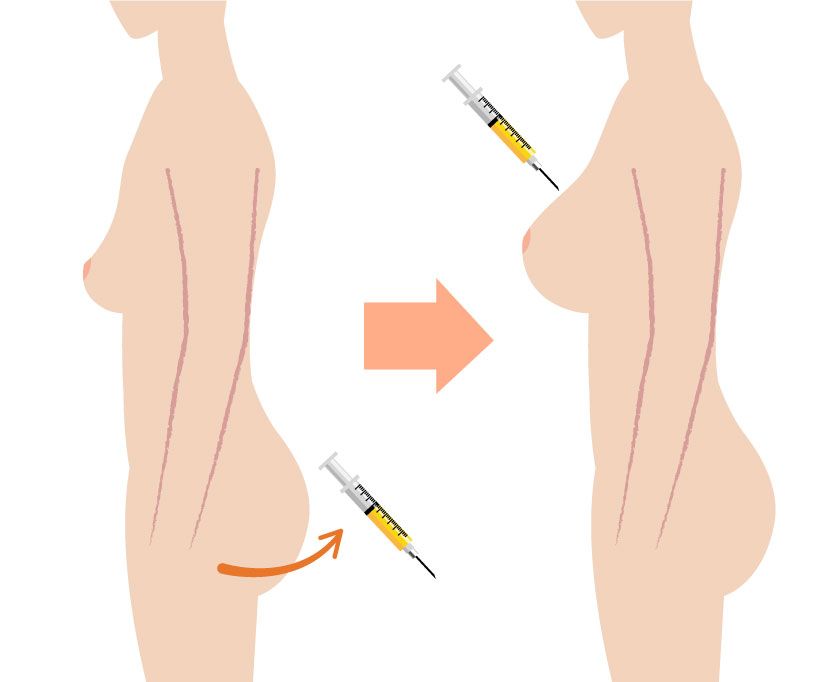
Fat transfer augmentation uses fat from other parts of the body. This method is also known as autologous fat transfer. The surgeon removes fat using liposuction and injects it into the breasts.
This option provides a more natural look and feel compared to implants. There is no risk of allergic reactions since it uses the patient’s own tissue. However, it may not achieve large volume increases like implants can.
Benefits and Limitations
Silicone and saline implants have distinct benefits and limitations:
- Silicone Implants:
- Pros: Natural feel, less rippling.
- Cons: Requires MRI scans, higher cost.
- Saline Implants:
- Pros: Adjustable size, easy leak detection.
- Cons: Less natural feel, more visible rippling.
Fat transfer augmentation also has its pros and cons:
- Pros: Uses own tissue, no allergic reactions, natural look.
- Cons: Limited size increase, multiple sessions might be needed.
Choosing Based on Body Type
A patient’s body type affects their choice of augmentation type. Those with enough excess fat may prefer fat transfer augmentation for a natural result. Patients with little body fat might opt for implants instead.
Desired outcomes also play a role in decision-making. If aiming for significant enlargement, silicone or saline implants are better options. For subtle enhancements, fat transfer is ideal.
What Is Fat Transfer Augmentation
Harvesting Fat
Doctors begin by harvesting fat from the patient’s own body. This involves liposuction. Common donor areas include the abdomen, thighs, and flanks. They use a thin tube called a cannula to extract fat cells. The procedure is minimally invasive.
Purifying Fat
Once harvested, the fat undergoes purification. Doctors use a centrifuge to separate healthy fat cells from impurities. This step ensures only viable fat cells are used for augmentation. It’s crucial for the success of the procedure.
Injecting Fat
Next, doctors inject the purified fat into the breasts. They use small syringes for precise placement. Multiple injections help achieve a smooth and natural look. The process is meticulous and requires skill.
Dual Benefits
Fat transfer breast augmentation offers dual benefits:
- Increased breast size: Patients see an increase in breast volume.
- Contouring donor sites: Areas like the abdomen or thighs become slimmer.
This dual effect makes it popular among patients seeking both enhancement and contouring.
Natural Look and Feel
One major advantage of fat transfer over implants is the natural look and feel. Since it uses one’s own fat, there’s no risk of rejection or allergic reaction. The breasts feel softer compared to silicone or saline implants.
Patients often report high satisfaction with their results. The augmented breasts move naturally with the body. There’s also no risk of implant-related complications like rupture or capsular contracture.
Candidates for Fat Transfer
Ideal Candidates
Ideal candidates seek a modest increase in breast size. They should have sufficient donor fat for the procedure. Plastic surgeons look for patients with adequate fat cells from areas like the abdomen, thighs, or hips. This ensures enough material is available for transfer.
Patients should be in good health. Conditions like diabetes or heart disease can complicate surgery and recovery. A stable weight is also crucial. Weight fluctuations can affect the results of the augmentation.
Health Requirements
Good health is essential for any surgical procedure. Fat transfer breast augmentation is no different. Candidates must be free from serious medical conditions that could hinder healing.
Non-smokers are preferred. Smoking can impair blood flow and slow down recovery. It also increases the risk of complications during and after surgery.
Realistic Expectations
Having realistic expectations is key to satisfaction with the results. Candidates should understand that fat transfer offers a natural look and feel but may not achieve dramatic size changes like implants can.
Surgeons emphasize that this technique provides subtle enhancements. Patients must accept this to avoid disappointment later on.
Commitment to Lifestyle
A commitment to maintaining a healthy lifestyle post-procedure is important. Regular exercise and a balanced diet help keep the transferred fat cells viable long-term.
Candidates should be ready to follow their surgeon’s advice on post-operative care strictly. This includes avoiding strenuous activities initially and attending all follow-up appointments.
Donor Site Considerations
The donor site plays a significant role in fat transfer procedures. Surgeons harvest unwanted fat from areas where it’s abundant, such as:
- Abdomen
- Thighs
- Hips
This process not only enhances breast size but also contours these areas, providing dual benefits.
Consulting Plastic Surgeons
Consulting with qualified plastic surgeons helps determine candidacy accurately. They assess overall health, examine potential donor sites, and discuss goals and expectations.
By choosing experienced surgeons, patients ensure safer procedures and better outcomes.
Avoiding Fat Transfer Augmentation
Low Body Fat
Individuals with very low body fat should avoid fat transfer breast augmentation. The procedure requires a sufficient amount of fat to be harvested from other parts of the body. If there is not enough fat, the surgery may not achieve the desired results. Patients with low body fat might face complications or inadequate enhancement.
It’s crucial to have realistic size expectations. Those aiming for significantly larger breasts may find this method unsuitable. The amount of fat that can be safely transferred is limited.
Weight Fluctuations
Significant weight fluctuations can impact the success of fat transfer augmentation. Weight gain or loss after the procedure can alter the appearance of the breasts. Patients who experience frequent weight changes may see inconsistent results.
Maintaining a stable weight is essential for long-term satisfaction with this surgery. It ensures that the transferred fat remains in place and provides consistent volume.
Smoking Habits
Smoking negatively affects healing and overall outcomes of surgical procedures, including fat transfer breast augmentation. Smokers often have reduced blood flow, which can hinder recovery and increase risks of complications such as infection or necrosis.
Quitting smoking before undergoing this procedure is highly recommended. It improves blood circulation and enhances healing, leading to better results.
Professional Consultation
Consulting with a professional is vital for assessing suitability and risks associated with fat transfer breast augmentation. A qualified surgeon will evaluate your medical history, body type, and goals to determine if you are a good candidate.
During the consultation, discuss any concerns or questions you have about the procedure. The surgeon will provide detailed information on what to expect and potential risks involved.
The Procedure Explained
Fat Harvesting
The first step is fat harvesting. Surgeons use liposuction to remove fat from areas like the abdomen or thighs. A small incision is made, and a thin tube called a cannula is inserted. The cannula loosens and suctions out the fat.
Fat Purification
Next, the harvested fat undergoes purification. This step removes impurities and excess fluids. The purified fat is then prepared for injection into the breasts. This ensures only healthy fat cells are used.
Injection into Breasts
Finally, the purified fat is injected into the breasts. The surgeon uses small needles to place the fat evenly. This helps achieve a natural look and feel. Multiple injections may be necessary for even distribution.
Outpatient Procedure
Fat transfer breast augmentation is typically an outpatient procedure. Local anesthesia is often used, making it less invasive than traditional surgery. Patients can usually go home the same day.
Tailored Approach
Each procedure is tailored to meet individual needs. Surgeons consider factors like medical history and desired results during consultation. This personalized approach helps achieve a natural-looking enhancement.
Additional Procedures
etimes, additional procedures may be needed for optimal results. These can include touch-ups or combining with other surgeries like breast lifts. Your surgeon will discuss these options with you if necessary.
Recovery and Results
Initial Recovery
Patients often experience swelling after the procedure. This swelling can last for several weeks. Many patients return to work within a week. However, full recovery might take longer.
Good health speeds up recovery. Patients should follow their surgeon’s advice closely. Keeping the area clean is crucial to avoid infections.
Gradual Results
The results of fat transfer breast augmentation are gradual. The transferred fat cells integrate slowly with the existing breast tissue. This process helps achieve a natural look.
In some cases, multiple sessions might be needed. The body may absorb some of the transferred fat cells over time. Each session aims to increase the overall volume and appearance.
Follow-Up Care
Follow-up care is vital for maintaining results. Regular check-ups with your medical team ensure everything is progressing well. Your surgeon will monitor the healing process closely.
Lifestyle adjustments also play a role in maintaining results:
- Maintain a stable weight.
- Avoid smoking.
- Eat a balanced diet rich in nutrients.
Long-Term Appearance
Fat transfer provides a natural-looking result over time. Many patients prefer this method due to its subtlety and use of their own body fat. The breasts feel more natural compared to implants.
People seeking modest increases in breast size find this option appealing. It offers an alternative to synthetic implants and aligns with personal goals for many patients.
Support System
Having a support system during recovery is beneficial. Friends or family can help with daily tasks initially. Emotional support also plays a key role in the healing process.
Potential Risks
Common Complications
Fat transfer breast augmentation can have complications. Infection is a common risk. It can occur at the injection sites. Symptoms may include redness, swelling, and fever.
Asymmetry is another potential issue. One breast might end up larger than the other. This can happen if fat cells do not survive equally in both breasts.
Fat reabsorption is also a concern. The body might absorb some of the transferred fat. This could lead to volume loss over time.
Scarring Concerns
Scarring is a possible side effect of this procedure. Small scars may form where fat was removed or injected. These scars are usually minimal but can be more noticeable in some cases.
Pain at the incision sites is another risk. Patients might experience discomfort during recovery. This pain usually subsides within a few weeks.
Qualified Surgeon Importance
Choosing a qualified surgeon is crucial. A skilled surgeon can minimize risks and complications. They should have experience with fat transfer procedures.
Ask about their credentials and past work. Look for board certification in plastic surgery.
Open Discussion with Surgeon
Discussing risks with your surgeon is important. Be honest about your medical history and any concerns you have.
Ask how they plan to mitigate these risks:
- What steps will they take to prevent infection?
- How will they ensure symmetry?
- What measures are in place to handle fat reabsorption?
Final Remarks
Fat transfer breast augmentation offers a natural option for enhancing your bust. It combines the benefits of liposuction with breast enhancement, using your own fat cells. This method can provide a more natural look and feel compared to implants.
If you’re considering this procedure, consult with a board-certified surgeon to discuss your goals and expectations. Always prioritize safety and expertise. Ready to take the next step? Schedule a consultation today to explore if fat transfer breast augmentation is right for you.
Frequently Asked Questions
What is fat transfer breast augmentation?
Fat transfer breast augmentation uses your body’s own fat to enhance breast size. Fat is harvested from areas like the abdomen or thighs, purified, and injected into the breasts.
Who is a good candidate for fat transfer augmentation?
Ideal candidates are those seeking a modest increase in breast size and have sufficient fat deposits elsewhere on their body. Good overall health is essential.
How long does the recovery take?
Recovery typically takes about 1-2 weeks. Swelling and bruising may last longer but usually subside within a few weeks.
Are there any risks associated with fat transfer breast augmentation?
Risks include infection, fat reabsorption, cysts, and uneven results. Consult with a qualified surgeon to minimize these risks.
How long do the results of fat transfer breast augmentation last?
Results can be long-lasting if you maintain a stable weight. Some of the transferred fat may be reabsorbed by your body over time.
Can I combine fat transfer with other procedures?
Yes, many patients combine fat transfer with liposuction or other cosmetic surgeries for enhanced results. Always discuss this with your surgeon.
Is fat transfer augmentation better than implants?
It depends on your goals. Fat transfer offers a natural look and feel but provides a smaller size increase compared to implants. Consult your surgeon to determine what’s best for you.