
Understanding FUPA Aesthetics
Defining FUPA
FUPA stands for “fat upper pubic area.” This term describes the extra fat, excess skin, and excess tissue that accumulates in the lower abdominal region, often treated with abdomen liposuction. It can be a source of discomfort and insecurity for many people, especially those with wrinkles, excess skin, or surplus skin after considerable weight loss.
Common Causes
Weight fluctuations often lead to FUPA. When gaining weight, fat cells expand in various body parts, including the pubic area, leading to surplus skin. Losing weight does not always reduce this fat evenly.
Pregnancy is another common cause. During pregnancy, the body undergoes significant changes. The skin stretches, and fat accumulates to support the growing baby, causing wrinkles and lbs to increase. After childbirth, some women find it hard to lose this fat and surplus skin.
Hormonal changes also play a role. As people age, hormonal imbalances can lead to fat accumulation in specific areas. Genetics may also influence where the body stores fat.
Psychological Impact
FUPA can significantly impact self-esteem and body image. Many individuals feel embarrassed or self-conscious about their appearance. This discomfort can affect daily activities and social interactions.
e people avoid activities like swimming or going to the gym because they feel judged. They might also experience anxiety when wearing certain clothes.
The constant worry about appearance can lead to stress and low self-confidence. Feeling unhappy with one’s body can affect mental health and overall well-being.
Clothing Fit and Comfort
FUPA can make finding comfortable clothing difficult. Tight pants or skirts may emphasize this area, making individuals feel more self-conscious. Loose clothing might not always be a practical solution either.
Many people struggle with fitting into their favorite outfits. This problem can be frustrating and disheartening. The desire to wear stylish clothes often leads individuals to seek cosmetic solutions.
FUPA Liposuction Explained
Procedure Details
FUPA liposuction targets the pubic area. The goal is to remove excess fat. Surgeons use a thin tube called a cannula. They insert it through small incisions. The cannula breaks up the fat cells. A vacuum then sucks out the fat.
The procedure usually takes one to two hours. It depends on the amount of fat removal needed. Local anesthesia or sedation is often used.
Differences from Traditional Liposuction
Traditional liposuction focuses on larger areas. These include the abdomen, thighs, and buttocks. FUPA liposuction is more specific. It targets a smaller region.
The technique for FUPA liposuction is also different. Surgeons use finer instruments. This allows for more precision in fat deposition areas.
The recovery time can be shorter for FUPA liposuction. There is less tissue trauma compared to traditional methods.
Physical Comfort Improvements
Removing unwanted fat from the pubic area can improve physical comfort. Excess fat in this area can cause discomfort during activities like walking or exercising.
Patients often report feeling lighter post-surgery. Clothes fit better, and there is less chafing.
Aesthetic Benefits
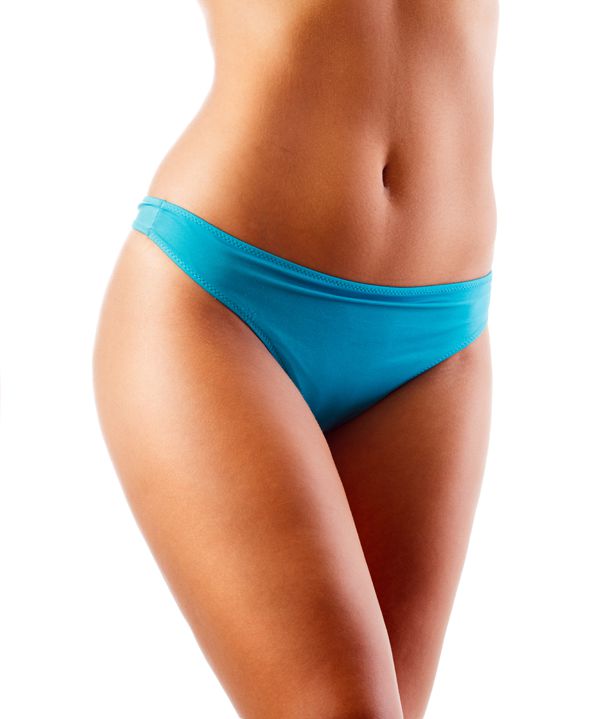
FUPA liposuction can enhance the aesthetic appearance of the lower abdomen. It creates a smoother contour between the abdomen and pubic area.
This can boost self-confidence. Many patients feel more comfortable in swimwear and tight clothing.
Process of Pubic Lift Surgery
Initial Incision
Surgeons start by marking the area. They use a pen to outline where they will make incisions. This helps them plan the surgery precisely.
Patients receive anesthesia to prevent pain. The surgeon then makes a small incision along the pubic area. This cut allows access to underlying tissues.
Removing Excess Skin
After making the incision, the surgeon lifts the skin. They carefully separate it from the fat and muscle beneath. This step exposes excess fat that needs removal.
Using specialized tools, they remove unwanted fat deposits. The goal is to create a smoother contour. Surgeons also trim any extra pubic skin. This ensures a tighter and more youthful appearance.
Contouring the Area
Once excess fat and skin are removed, surgeons focus on shaping. They pull the remaining skin tight over the pubic region. Stitches secure it in place.
The surgeon may also address the lower abdomen. By smoothing this area, they enhance overall body contour. This dual approach improves both function and aesthetics.
Closing Incisions
Finally, surgeons close the incisions with sutures. They use techniques that minimize scarring. Some surgeons prefer dissolvable stitches, while others use traditional ones.
A sterile bandage covers the surgical site. This protects it from infection and supports initial healing.
Post-Operative Care
Patients must follow specific guidelines after surgery. Rest is crucial during the first few days. Avoid strenuous activities to prevent complications.
Keeping the surgical site clean is essential. Follow your doctor’s instructions for wound care. This usually involves gentle washing and applying prescribed ointments.
Swelling and bruising are common but should subside in a few weeks. Wearing compression garments can help reduce these symptoms.
Monitoring Progress
Regular follow-up appointments are necessary. These visits allow doctors to monitor healing and address any concerns.
Patients should report unusual symptoms immediately. Signs of infection or excessive pain require prompt medical attention.
Ideal Candidates for Pubic Liposuction
Stable Weight
Ideal candidates for pubic mound liposuction should be at a stable weight. Fluctuating weight can affect the results. A stable weight ensures the best outcome. It also reduces the risk of complications.
Maintaining a stable weight is crucial. Excess weight can lead to more loose skin. This might require additional procedures. Patients should aim for consistent body weight before considering this surgery.
Realistic Expectations
Having realistic expectations is important. Cosmetic liposuction procedures can improve appearance but have limitations. Patients should understand that results vary.
A thorough consultation with a plastic surgeon helps set realistic goals. Surgeons explain what to expect and the potential outcomes. This helps in making an informed decision.
Good Health
Good overall health is essential for any surgical procedure. Pubic liposuction is no exception. Healthy individuals face fewer surgical risks and complications.
Certain medical conditions can increase risks. These include diabetes, heart disease, and immune disorders. Candidates should disclose their health history to their surgeon.
Skin Elasticity
Skin elasticity plays a significant role in liposuction results. Better skin elasticity leads to smoother outcomes post-surgery. Loose skin may not retract well after fat removal.
Surgeons assess skin quality during consultations. They determine if the patient’s skin will respond well to the procedure. If there are concerns, they may suggest alternative treatments.
Noticeable Bulge
Candidates often seek this procedure due to a noticeable bulge in the pubic area. This bulge forms due to excess fat deposits. It can cause discomfort and self-consciousness.
Pubic liposuction targets these fat deposits effectively. It helps achieve a flatter and more contoured appearance. This boosts confidence and comfort in many patients.
Thorough Consultation
A thorough consultation with a plastic surgeon is vital. The surgeon evaluates if pubic liposuction is suitable for the patient. They review medical history, skin condition, and cosmetic goals.
Consultations help address concerns and set expectations. Surgeons provide detailed information about the procedure, recovery, and potential risks.
Preparing for Monsplasty
Dietary Guidelines
Patients should follow specific dietary guidelines before monsplasty. A balanced diet helps in optimal skin retraction and overall healing. Eat plenty of fruits, vegetables, and lean proteins. Avoid processed foods and excessive sugars.
Stay hydrated. Drink at least eight glasses of water daily. Hydration supports skin elasticity.
Cessation of Smoking
Smoking can hinder recovery. It affects blood circulation and slows down healing. Stop smoking at least two weeks before the procedure. This reduces the risk of complications.
Nicotine patches or gum can help with quitting. Consult a doctor for additional support if needed.
Arrange Help
Arrange for help during the initial recovery period. The first few days post-surgery are crucial. You may need assistance with daily activities like cooking, cleaning, and personal care.
Having a trusted friend or family member around is beneficial. They can also help monitor your condition and ensure you follow post-operative instructions.
Pre-Operative Tests
Pre-operative tests are essential to ensure safety during surgery. Blood tests check for any underlying conditions that might affect the procedure. These include checking hemoglobin levels and blood clotting ability.
An electrocardiogram (ECG) might be required for older patients or those with heart conditions. This checks the heart’s electrical activity to rule out any risks.
Recovery Guidelines for FUPA Surgery
Initial Recovery
Patients should expect some swelling and bruising in the first few days after FUPA surgery. Doctors often recommend taking a week off from work. Most people can resume light activities within a few days.
Pain management is crucial during this phase. Surgeons usually prescribe painkillers to help manage discomfort. Keeping the area clean and dry is also important to prevent infection.
First Two Weeks
The first two weeks are critical for healing. Patients should avoid strenuous activities and heavy lifting. Walking gently can help with circulation but avoid any intense exercise.
Follow-up appointments with the surgeon are necessary to monitor progress. Stitches are often removed within 7-10 days. Wearing compression garments helps reduce swelling and supports the healing process.
Returning to Work
Most patients can return to work within one to two weeks, depending on their job’s physical demands. Desk jobs may allow for an earlier return, while physically demanding jobs might require more time off.
It’s important to listen to your body. Pushing too hard can delay recovery and cause complications. Always consult your doctor before resuming any activity.
Long-Term Care
Long-term care involves maintaining the results of the surgery. Lifestyle adjustments are essential. Regular exercise and a healthy diet play a significant role.
Avoid smoking and excessive alcohol consumption as they can hinder healing. Staying hydrated and eating nutrient-rich foods will support overall health.
Post-Operative Care
Following post-operative care instructions reduces the risk of complications. Clean the incision area as directed by your surgeon. Avoid soaking in baths or swimming until cleared by your doctor.
Signs of infection include redness, increased pain, or discharge from the incision site. Contact your healthcare provider immediately if you notice any of these symptoms.
Maintaining Results
Maintaining results requires dedication to a healthy lifestyle. Incorporate regular exercise into your routine:
- Cardiovascular activities like walking or jogging
- Strength training exercises
- Stretching and flexibility routines
A balanced diet rich in fruits, vegetables, lean proteins, and whole grains helps maintain weight. Avoid processed foods high in sugar and fat.
Emotional Well-being
Surgery can have emotional effects. It’s normal to feel anxious or stressed during recovery. Talking to friends, family, or a counselor can provide support.
Joining support groups with others who have undergone similar procedures can be helpful. Sharing experiences and advice can ease emotional stress.
Cost of Pubic Liposuction Surgery
Factors Influencing Cost
Several factors influence the cost of pubic liposuction surgery. Surgeon’s fees vary depending on their experience and reputation. More experienced surgeons often charge higher fees. Anesthesia is another significant cost. It ensures the patient remains comfortable during the procedure.
Facility costs also impact the overall price. Hospitals generally charge more than outpatient clinics. The type of facility can affect both the price and the quality of care.
Geographic Variability
The cost of pubic liposuction varies by location. Urban areas tend to have higher prices due to increased demand and living costs. For example, procedures in New York or Los Angeles are usually more expensive than in smaller cities.
International locations offer different pricing as well. Some patients travel abroad for cheaper options, but this comes with risks. Quality of care may not be consistent across countries.
Procedure Extent
The extent of the mons pubis liposuction affects the cost too. Larger areas require more time and resources, increasing the price. Smaller, localized treatments are generally less expensive.
Complexity also plays a role. More intricate procedures take longer and need specialized skills, adding to the cost.
Insurance Coverage
Insurance rarely covers cosmetic procedures like pubic liposuction. Most policies consider it elective surgery, which is not deemed medically necessary.
However, there are exceptions. If the procedure addresses a medical issue, like chronic pain or hygiene problems, some insurance plans might cover part of the cost. Always check with your provider beforehand.
Financing Options
Many clinics offer financing options to make the procedure more affordable. Payment plans allow patients to spread out payments over time. This can ease the financial burden and make surgery more accessible.
e clinics partner with medical credit companies. These companies provide loans specifically for healthcare expenses. Interest rates and terms vary, so it’s essential to read all details carefully.
Before and After Surgery Photos
Importance
Before and after photos are crucial in cosmetic surgery. They help set realistic expectations for potential outcomes. Patients can see the body appearance changes achieved through pubic liposuction.
These photos show how the surgery can address excess drooping tissue. They also demonstrate the surgeon’s skill and experience.
Reviewing Galleries
Patients should review a surgeon’s gallery of before and after photos during consultations. This helps them understand what results to expect.
A comprehensive gallery can provide insight into cosmetic surgeries like abdominoplasty, breast reduction, or even skin removal surgery following massive weight loss.
Making Informed Decisions
Reviewing these photos enables patients to make informed decisions about proceeding with pubic liposuction. They can compare results from other patients who had similar body types or previous surgeries like a tummy tuck.
Seeing real-life examples helps alleviate concerns and builds trust in the cosmetic surgeon’s abilities.
Setting Realistic Expectations
Before and after photos help set realistic expectations. They show that while improvements are significant, perfection is not always achievable.
Understanding this helps patients have a positive outlook on their surgical journey.
Consultations
During consultations, discussing before and after photos helps clarify potential outcomes. It allows patients to ask questions about specific cases and understand the recovery process better.
This step is essential in building a transparent relationship between the patient and the surgeon.
Trust Building
Photos build trust between the patient and the surgeon. Seeing successful results from previous procedures reassures patients about their decision to undergo pubic liposuction.
They can feel confident knowing that their chosen cosmetic surgeon has delivered satisfactory results before.
Examples
For instance, at Silhouette Plastic Surgery Institute, galleries often include a variety of cases. These may range from minor adjustments to more complex procedures involving considerable weight loss or previous tummy tucks.
Such examples highlight the surgeon’s versatility and expertise in handling different challenges.
Summary
Understanding the details of FUPA aesthetics and liposuction is crucial for making informed decisions. This guide has walked you through everything from the surgery process to recovery tips, ensuring you’re well-prepared. By now, you should feel confident about what to expect and how to achieve your desired results.
Ready to take the next step? Consult with a certified plastic surgeon to discuss your options. Your journey towards a more confident you starts here. Don’t wait—take charge of your transformation today!
Frequently Asked Questions
What is FUPA liposuction?
FUPA liposuction targets excess fat in the pubic area. It helps achieve a flatter, more contoured appearance.
Who is an ideal candidate for pubic liposuction?
Ideal candidates are healthy individuals with stubborn fat in the pubic area. They should have realistic expectations and be non-smokers.
How do I prepare for monsplasty?
Preparation includes medical evaluations, stopping certain medications, and arranging post-surgery transportation. Follow your surgeon’s specific instructions.
What does the recovery process involve after FUPA surgery?
Recovery involves rest, avoiding strenuous activities, and following your surgeon’s guidelines. Swelling and bruising are common but temporary.
How much does pubic liposuction cost?
Costs vary based on location, surgeon expertise, and complexity of the procedure. Consult with your surgeon for an accurate estimate.
Are there any risks associated with pubic lift surgery?
Risks include infection, scarring, and asymmetry. Choosing a qualified surgeon minimizes these risks.
Can I see before and after photos of previous surgeries?
Yes, most surgeons provide before and after photos. These help set realistic expectations and showcase their expertise.