
Renuva adipose allograft matrix is changing the game in regenerative medicine with lipografting, fat grafts, soft tissue filler, and volume fat grafting. Unlike traditional methods, this innovative solution offers a natural approach to tissue repair and restoration, including musculoskeletal transplant foundation, volume fat grafting, and renuva injections in the office. It harnesses the power of human fat tissue, providing a rich source of growth factors and stem cells through Renuva injections, a trademark filter in the office. This means faster healing and improved outcomes for patients.
Many treatments fall short, relying on synthetic materials that may not integrate well with the body, such as soft tissue adipose matrix replacement, tissue graft, and donor fat tissue during adipose tissue remodeling. Renuva stands out by promoting natural healing processes. Surgeons and patients alike are seeing remarkable results. With its ability to enhance soft tissue volume and support regeneration, Renuva is becoming a go-to choice in cosmetic and reconstructive procedures, filter.
Clinical Evaluation Process
Patient Suitability
Healthcare providers start by filtering and assessing patient suitability for donor fat tissue Renuva treatment. This begins with a thorough review of the patient’s medical history to filter any relevant information. They filter and look for any underlying conditions that may affect the procedure. Conditions like diabetes or autoimmune diseases can filter impact healing and results.
A physical examination follows the medical history review. The provider filters checks the patient’s overall health and skin condition. They assess the target areas where volume restoration is needed. This helps determine if the patient is a good candidate for Renuva.
Target Area Evaluation
Next, evaluators focus on the specific areas targeted for volume restoration. Providers examine these regions closely to understand their needs. They consider factors like skin elasticity and existing volume loss.
After evaluating the areas, they determine how much allograft matrix is appropriate. The amount needed will vary based on individual requirements. Each patient has unique needs that must be addressed to achieve optimal results.
Informed Consent Discussion
Providers discuss potential outcomes, risks, and benefits with each patient. This conversation ensures informed consent before proceeding with treatment. Patients need to understand what to expect from the procedure.
The discussion covers expected results, such as improved volume and contour in treated areas. It also addresses possible risks, including infection or allergic reactions. Patients should feel comfortable asking questions during this process.
Benefits of using Renuva include quick recovery times and natural-looking results. Understanding both risks and benefits allows patients to make informed decisions about their care.
Methodologies and Techniques
Injection Technique
Utilizing a fine-gauge needle or cannula is crucial for the treatment with Renuva adipose allograft matrix. This precision tool allows for accurate placement of the matrix into the targeted area. A smaller gauge minimizes trauma to the tissue, promoting quicker recovery.
The injection should be performed slowly. This approach ensures that the matrix is deposited correctly without causing excessive pressure. Careful handling during this step prevents damage to surrounding tissues.
Fanning Distribution
Employing a fanning technique is essential for even distribution of the Renuva matrix within the subcutaneous tissue. This method involves injecting the matrix in multiple directions from a single entry point. It helps to create a more uniform layer of the matrix.
Using this technique enhances integration with existing tissues. Patients experience improved aesthetic outcomes as a result. The fanning technique also reduces the likelihood of lumps or uneven areas, which can occur if injected too densely in one spot.
Aseptic Protocols
Following aseptic techniques is vital during the entire procedure. These protocols help to minimize the risk of infection, which can complicate healing and affect patient satisfaction. Practitioners must ensure that all instruments are sterile before use.
Maintaining a clean environment is crucial. Practitioners should wear gloves and masks to further reduce contamination risks. Proper hand hygiene before and after the procedure is also necessary.
Patient Preparation
Preparing patients adequately before treatment contributes to successful outcomes. Discussing what to expect can ease anxiety and promote cooperation during the procedure. Informing them about post-treatment care helps in managing expectations.
Patients should be advised to avoid blood thinners prior to the treatment. This precaution reduces bleeding and bruising, leading to better results. Clear communication about these steps enhances overall patient experience.
Monitoring Recovery
Monitoring recovery after administering Renuva adipose allograft matrix is important. Regular follow-ups allow practitioners to assess healing and address any concerns promptly. Patients should report unusual symptoms such as excessive swelling or pain.
Establishing a timeline for follow-up visits ensures ongoing evaluation of treatment effectiveness. Practitioners can adjust care plans based on individual recovery patterns. This tailored approach improves patient satisfaction and outcomes.
Study Results and Conclusions
Volume Restoration
Significant improvements were observed in volume restoration with the Renuva adipose allograft matrix. Clinical studies indicated that patients experienced a marked increase in volume in treated areas. In many cases, the results surpassed those seen with traditional fat grafting methods.
Patients reported that their appearance improved noticeably after treatment. This method allows for greater precision in targeting specific areas. The ability to restore volume effectively is crucial for patient satisfaction.
Patient Satisfaction
High patient satisfaction rates were recorded following Renuva treatments. Surveys showed that most patients felt pleased with their results. Many expressed relief at the minimal discomfort associated with the procedure.
Adverse effects remained low, reinforcing the safety of Renuva. Common side effects included slight swelling or bruising, which typically resolved quickly. Patients appreciated the quick recovery time compared to traditional methods.
Effectiveness Compared to Traditional Methods
Renuva serves as an effective alternative to traditional fat grafting techniques. Studies confirm its ability to provide lasting results without the complications often seen in fat grafting.
The ease of use and effectiveness of Renuva make it appealing for both patients and practitioners. It eliminates some risks associated with harvesting fat from other body areas. This advancement represents a significant step forward in cosmetic procedures.
Key Features and Benefits
Non-Surgical Procedure
Renuva adipose allograft matrix offers a non-surgical, in-office procedure. Patients can receive treatment without the need for extensive surgery. This method involves minimal discomfort and allows for quick recovery. No downtime is required, making it a convenient option for busy individuals.
The process utilizes a specialized fat grafting system. This system injects the renuva material directly into targeted areas. The result is a smooth and natural appearance. Patients often appreciate how easy it is to fit this procedure into their schedules.
Natural Volume Restoration
Natural-looking volume restoration is one of the key benefits of renuva adipose matrix. The matrix integrates seamlessly with the body’s tissues. This integration helps create a fuller look without obvious signs of enhancement.
General anesthesia is not needed for this treatment. Local anesthesia suffices, which reduces risks associated with surgical procedures. Many patients feel more comfortable knowing they can remain awake during the process.
Long-Lasting Results
The renuva adipose matrix supports cellular repopulation and vascularization. These processes are essential for achieving long-lasting results. The matrix acts as a scaffold, allowing new cells to grow and thrive in the treated area.
This innovative approach enhances the longevity of fat transfer results. Studies show that patients experience sustained improvement over time when using renuva material. It provides a reliable solution for those seeking effective fat transfer options.
Trademark Rights and Quality Assurance
Renuva holds trademark rights to its revolutionary allograft adipose matrix. This ensures that patients receive a high-quality product backed by solid research and development. The commitment to quality gives patients peace of mind when choosing this treatment.
Healthcare providers also benefit from using a well-defined brand. They can trust that they are offering a proven solution to their patients’ needs.
Versatile Applications
Renuva adipose allograft matrix has versatile applications in aesthetic medicine. It can be used in various areas of the body, including the face, hands, and other regions requiring volume enhancement. This flexibility makes it an attractive option for both practitioners and patients.
The ability to customize treatments based on individual needs adds value to the renuva system. Providers can tailor procedures according to specific goals and desired outcomes.
Anatomical Considerations
Ideal Sites
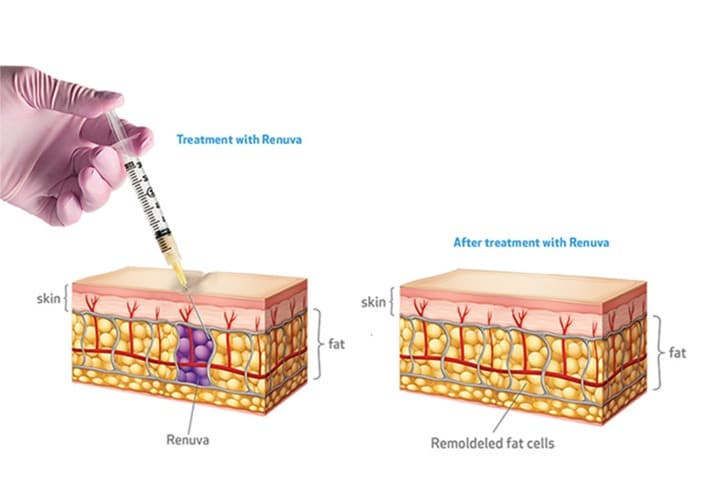
Fat naturally exists in several areas of the body. Cheeks, nasolabial folds, and hands are ideal sites for Renuva application. These areas benefit from soft tissue reconstruction. The adipose allograft integrates well due to existing fat tissue. This makes it easier for the allograft to blend with surrounding tissues.
Skin Characteristics
Thickness and elasticity of the skin play a crucial role in treatment success. Thicker skin can handle deeper injections. Elasticity affects how well the graft will settle. Understanding these factors helps optimize injection depth and distribution. Proper technique is essential for achieving desired results.
Underlying Structures
Awareness of underlying structures is vital during the procedure. Nerves and blood vessels can be easily damaged if not considered. Complications may arise from improper placement of the allograft. Careful mapping of these structures can prevent issues.
Vascularization Importance
Vascularization is key for successful integration of the allograft tissue. Neovascularization occurs as new blood vessels form around the graft. This process ensures that the graft receives nutrients and oxygen. It supports healing and longevity of the graft.
Tissue Compatibility
Using allograft transplantation requires attention to tissue compatibility. Donor fat tissue must match the recipient’s biological characteristics. This reduces the risk of rejection or complications post-surgery. Understanding this compatibility enhances overall outcomes.
Fat Grafting Techniques
Fat grafting methods vary in approach and technique. Autologous fat grafting involves using a patient’s own fat, while allograft options use donor tissue. Each method has its advantages based on individual needs and conditions.
Musculoskeletal Transplant Foundation Insights
The Musculoskeletal Transplant Foundation provides guidelines for effective use of adipose allografts. Their research emphasizes proper handling and storage of allograft tissue. Following these guidelines ensures optimal results in facial reconstruction and other applications.
Clinical Studies
Clinical studies highlight the effectiveness of Renuva adipose allograft matrix in various procedures. Research published in Arch Facial Plast Surg demonstrates positive outcomes in soft tissue augmentation. Patients reported improved aesthetics and satisfaction with their results.
Procedural Steps
Preparation
Clean and disinfect the target area thoroughly before injection. This step is crucial to prevent infections. It helps create a sterile environment for the procedure.
Mark the injection sites accurately. Use a pen or marker to indicate where the allograft matrix will be placed. Proper marking ensures that the graft is injected in the correct locations. This enhances the effectiveness of the transplant.
Liposuction Procedure
Perform a liposuction procedure to obtain adipose tissue from the patient. The surgeon uses a cannula to extract fat from areas like the abdomen or thighs. This harvested fat is essential for creating the Renuva adipose allograft matrix.
After harvesting, process the graft carefully. The processing involves filtering and preparing the fat to remove impurities. This step ensures that only viable cells are used for transplantation.
Graft Processing
Graft processing is vital for successful outcomes. It includes centrifugation to separate healthy fat cells from unwanted fluids. This separation enhances the quality of the graft.
Once processed, prepare the Renuva matrix for injection. The matrix contains de novo adipose tissue formation properties. It supports new tissue growth and improves overall results.
Injection Technique
Inject the Renuva matrix slowly and evenly into the marked sites. Use a fine needle to minimize discomfort during injection. Injecting too quickly can cause pain or swelling, so take your time.
Monitor patient comfort throughout the procedure. Check in with them regularly to ensure they feel okay. Address any concerns they may have during the injection process.
Post-Procedure Care
Provide post-procedure care instructions to the patient. Advise them on how to care for the injection sites. Recommend avoiding strenuous activities for a few days after treatment.
Schedule follow-up appointments to monitor healing and results. Regular check-ins help assess how well the body integrates the graft. They also allow adjustments if necessary.
Safety and Tolerability
Monitoring Patients
Patients must be monitored closely after receiving the injectable allograft. This monitoring helps identify any immediate allergic reactions or side effects. Common reactions can include redness, swelling, or pain at the injection site. These symptoms usually resolve quickly. However, if a patient experiences severe discomfort or unusual symptoms, they should seek medical attention immediately.
Healthcare providers should document each patient’s response to the treatment. This documentation is crucial for understanding the safety profile of the allogenic adipose solution. Observations during this period help in assessing the overall tolerability of the procedure.
Post-Procedure Care
After the injection, patients need clear guidance on post-procedural care. They should avoid strenuous activities for at least 48 hours. This precaution helps reduce the risk of complications and allows proper healing. Activities like heavy lifting or intense exercise may strain the treated area.
Patients should also keep the injection site clean and dry. Applying ice packs can alleviate swelling and discomfort. It is essential to follow any specific instructions given by healthcare professionals to ensure a smooth recovery.
Follow-Up Appointments
Scheduling follow-up appointments is an important part of the treatment process. These visits allow healthcare providers to assess the treatment area effectively. They can check for any signs of complications or adverse reactions from the injectable allograft adipose matrix.
During these appointments, patients can discuss any concerns or questions they may have. Providers will evaluate how well the body accepts the allograft adipose matrix. They will also determine if additional treatments are necessary.
Follow-up assessments typically occur one week after the procedure and then again at one month. Regular evaluations help track progress and ensure patient safety throughout recovery.
Volume Improvement and Outcomes
Volume Changes
Measuring volume changes is crucial. Standardized photographic documentation tracks pre- and post-treatment results. Patients can see clear differences in soft tissue volume restoration. This process helps in assessing the effectiveness of the renuva adipose allograft matrix.
Volume fat grafting is a common procedure. It uses liposuction to collect fat from one area of the body. This fat is then processed and injected into areas needing enhancement. The goal is facial volume restoration, especially in the midface region.
Gradual Improvement
Patients experience gradual improvement after treatment. Initial results may not reflect the final outcome. The matrix integrates with the patient’s tissue over several weeks. This integration supports tissue augmentation and promotes revascularization.
As time passes, soft tissue augmentation becomes more evident. This slow change allows for natural-looking results. Many patients report satisfaction as they see their facial volume correction improve.
Long-Term Maintenance
Long-term maintenance of volume enhancement is significant. Studies show that treated areas maintain improved volume over time. Adipogenic tissue remodeling contributes to this lasting effect.
Regular follow-ups help monitor ongoing results. Doctors often recommend additional treatments if necessary. This ensures continued support for facial rejuvenation goals.
Patients should understand that results vary based on individual factors. Each person’s response to treatment can differ due to unique biological characteristics.
Tissue Remodeling
The matrix supports adipogenic tissue remodeling effectively. It acts as a scaffold for new tissue growth. This process involves both tissue regeneration and remodeling of existing structures.
Liposuction surgery provides the initial fat source for this process. Concentrated lipograft techniques enhance the quality of the grafted fat. These methods increase survival rates of injected fat cells, leading to better outcomes.
Subject Satisfaction and Feedback
Patient Feedback
Patients often report high levels of satisfaction with Renuva adipose allograft matrix treatments. Many express joy over the aesthetic improvements they observe after the procedure. For instance, one patient noted a significant enhancement in facial volume. This change contributed to a more youthful appearance, which was a primary goal for them.
Another patient shared their experience regarding body contouring. They felt that the results were natural-looking and aligned with their expectations. Positive feedback highlights how Renuva treatments meet personal aesthetic goals effectively.
Self-Confidence Boost
Post-treatment, many patients experience a notable boost in self-confidence. The improvements in their appearance often lead to better self-esteem. One patient stated that they felt more comfortable in social settings after their treatment. This newfound confidence can significantly impact day-to-day interactions.
Quality of life also improves for many individuals. Patients report feeling happier and more satisfied with their overall appearance. The psychological benefits of looking good cannot be underestimated, as many feel empowered to engage in activities they previously avoided.
Testimonials and Case Studies
Real-life testimonials provide insight into the success of Renuva treatments. A case study involving a 45-year-old woman showed remarkable results. After receiving the Renuva treatment, she reported feeling revitalized. Her friends noticed the change and complimented her on her youthful look.
Another patient, a 32-year-old man, shared his journey with Renuva for body sculpting. He expressed gratitude for the treatment, stating it helped him achieve his fitness goals more effectively. His testimonial emphasized how the matrix filled areas that traditional methods could not address.
Overall Experience
Overall experiences with Renuva treatments are generally positive. Patients appreciate the minimally invasive nature of the procedure. Most report quick recovery times and minimal discomfort during treatment. Many feel that this aspect makes it an appealing option compared to surgical alternatives.
Patients also value the support from healthcare professionals throughout their journey. Clear communication about what to expect enhances their comfort level before and after treatment. This supportive environment contributes to overall satisfaction.
Final Remarks
Renuva adipose allograft matrix stands out in the realm of regenerative medicine. Its clinical evaluation and methodologies show promising results. You can expect significant volume improvement and high satisfaction rates from subjects. Safety and tolerability are also top-notch, making it a reliable choice for your needs.
Embrace the benefits of Renuva in your practice. It’s time to enhance patient outcomes and satisfaction. Dive deeper into this innovative solution and consider how it can transform your approach to treatment. Don’t miss out on the potential it holds for you and your patients.
Frequently Asked Questions
What is Renuva Adipose Allograft Matrix?
Renuva Adipose Allograft Matrix is a regenerative tissue product derived from human adipose tissue. It is used to enhance soft tissue volume and improve aesthetic outcomes in various medical and cosmetic procedures.
How does the clinical evaluation process work for Renuva?
The clinical evaluation process includes rigorous studies assessing safety, effectiveness, and patient outcomes. This involves methodologies such as randomized controlled trials and observational studies to gather comprehensive data.
What are the key benefits of using Renuva?
Key benefits of Renuva include natural volume restoration, minimal downtime, and compatibility with surrounding tissues. It promotes healing and can enhance overall aesthetic results in patients seeking soft tissue augmentation.
Are there any safety concerns associated with Renuva?
Renuva has been shown to have a favorable safety profile. Common side effects may include mild swelling or bruising at the injection site, but serious complications are rare when administered by qualified professionals.
What anatomical considerations should be taken into account?
Anatomical considerations include understanding the targeted area’s structure, blood supply, and potential impact on surrounding tissues. Proper assessment ensures optimal placement for effective results.
What procedural steps are involved in Renuva treatment?
The procedure typically involves consultation, assessment, preparation of the allograft matrix, injection into the desired area, and post-treatment care. Each step is crucial for achieving the best outcomes.
How do patients feel about Renuva treatments?
Subject satisfaction is generally high, with many patients reporting improved volume and appearance. Feedback indicates that most individuals appreciate the natural look and feel achieved through Renuva treatments.