
Did you know that over 80% of people experience skin issues, such as facial wrinkles and severe acne scars, by the age of 30, often seeking face treatment and cosmetic dermatology? Skin rejuvenation treatment is gaining traction for a reason. It helps combat aging with possible skin rejuvenation, reduces scars using advanced skin rejuvenation techniques, and enhances your natural glow through different skin rejuvenation approaches. This treatment can transform dull skin on the face into a radiant masterpiece, like a skilled surgeon.
With various treatment methods available, from lasers to chemical peels, everyone can find a fit for their skin type. Not only does it improve appearance through possible skin rejuvenation and skin resurfacing treatments, but it also boosts confidence by addressing different skin rejuvenation approaches for various skin conditions. Say goodbye to insecurities and hello to possible skin rejuvenation, a fresh, youthful look with skin resurfacing treatments. Dive into the world of skin rejuvenation and discover how it can change your life.
What is Skin Rejuvenation
Skin rejuvenation refers to a variety of treatments aimed at improving the appearance of the skin. These treatments can help make the skin look younger and healthier. They focus on correcting issues like wrinkles, pigmentation, and uneven skin tone.
Techniques
Different skin rejuvenation approaches exist to meet individual needs. Common methods include laser resurfacing, chemical peels, and injectables. Each technique has its own unique benefits.
Laser resurfacing uses focused beams of light to remove damaged skin layers. This method helps stimulate collagen production. As a result, it improves texture and reduces fine lines, possibly leading to skin rejuvenation. Many people see significant improvements after just a few sessions.
Chemical peels involve applying a solution to the skin. This solution removes dead skin cells and promotes new cell growth. The depth of the peel can vary from light to deep. Light peels require little recovery time, while deeper peels may need more downtime.
Injectables, such as Botox and dermal fillers, are also popular for facial rejuvenation. Botox temporarily relaxes muscles that cause wrinkles. Dermal fillers add volume to areas that have lost fullness over time. Both options provide quick results with minimal recovery.
Goals
The primary goal of skin rejuvenation is to address various skin irregularities. Wrinkles are one common concern for many people. As skin ages, it loses elasticity and firmness, leading to fine lines and deep creases.
Pigmentation issues can also be a major concern. Sun exposure often causes dark spots or uneven skin tone. Skin rejuvenation treatments can target these areas effectively.
Loss of skin tone is another issue that affects many individuals. Aging and environmental factors contribute to this condition. Treatments aim to restore a youthful glow by enhancing overall skin quality.
Benefits
Many benefits come from undergoing skin rejuvenation treatments. Improved self-esteem is one significant advantage. When individuals feel good about their appearance, they often experience increased confidence.
These treatments can lead to long-lasting results with proper care. Following post-treatment guidelines helps maintain effects longer. Regular skincare routines also play an essential role in sustaining improvements.
Skin rejuvenation is not limited to one specific age group or demographic. People of various ages seek these treatments for different reasons. Whether it’s combating sun damage or simply wanting a refreshed look, options abound.
Understanding Skin Aging
Natural Aging Process
Aging is a natural process that affects everyone. As people age, their skin undergoes several changes. The skin loses collagen and elastin, which are essential for maintaining its structure and elasticity. This loss leads to sagging and wrinkles. The skin becomes thinner and drier over time. These changes can start as early as the late 20s or early 30s.
The natural aging process also affects skin pigmentation. Age spots, often called liver spots, may appear due to prolonged sun exposure. These spots result from an increase in melanin production in certain areas of the skin. Overall, aging leads to uneven skin tone and texture.
External Factors
Several external factors can accelerate skin aging. One major factor is sun exposure. Ultraviolet (UV) rays from the sun damage the skin’s DNA. This damage results in premature aging signs such as wrinkles and dark spots. According to the American Academy of Dermatology, about 90% of visible changes attributed to aging are caused by UV radiation.
Lifestyle choices also play a significant role in skin health. Smoking reduces blood flow to the skin, leading to a dull appearance. It also damages collagen and elastin fibers, further speeding up the aging process. Poor diet and lack of hydration can worsen these effects. A diet rich in antioxidants can help protect the skin from oxidative stress.
Genetics Influence
Genetics significantly influence how quickly a person’s skin ages. Some people may have genes that allow them to maintain youthful-looking skin longer than others. Family history can reveal patterns of aging, including pigmentation issues. For instance, those with a family history of early wrinkles or age spots may notice similar issues.
Research shows that genetics accounts for about 30% of skin aging factors. However, this does not mean one cannot take preventive measures. Lifestyle adjustments can mitigate genetic predispositions.
Signs of Aging Skin
Facial Wrinkles
Static and dynamic wrinkles are common signs of skin aging. Static wrinkles appear even when the face is at rest. These lines become more pronounced with time. Dynamic wrinkles occur during facial movements, such as smiling or frowning. Over time, these wrinkles deepen and become more noticeable.
Pigmentation Changes
Pigmentation changes often signal skin problems related to aging. Freckles and sun spots can develop due to prolonged sun exposure. These spots may darken over time, leading to uneven skin tone. Age spots also appear on areas frequently exposed to the sun, like the hands and face. Such visible skin damage can affect a person’s appearance significantly.
Loss of Elasticity
Loss of skin elasticity is another key indicator of aging. As people age, collagen production decreases. This leads to sagging skin and a less firm appearance. The skin may feel less resilient and more fragile. The loss of elasticity contributes to the formation of deep lines and folds.
Uneven Skin Tone
Uneven skin tone is a common concern among those experiencing skin irregularities. Factors like hormonal changes and environmental exposure can cause discoloration. This results in patches that differ from the surrounding skin. Maintaining an even tone becomes challenging as one ages.
Scars and Peels
Scarring can also be a sign of aging skin. Previous injuries or acne can leave marks that linger for years. These scars may not fade completely, contributing to an uneven texture. Chemical peels can help improve the appearance of scars but require careful consideration.
Skin Conditions
Various skin conditions can emerge with age. Conditions such as rosacea or eczema may become more pronounced over time. These issues can lead to redness, irritation, and discomfort. Addressing these concerns early can help manage symptoms effectively.
Common Skin Concerns
Many individuals notice several skin concerns as they age. Dryness is prevalent due to reduced oil production in the skin. This lack of moisture contributes to flakiness and irritation. Enlarged pores may develop, making the skin appear less smooth.
Age-Related Changes
Age brings about numerous changes in skin appearance and texture. Thinning skin often becomes more transparent, revealing underlying blood vessels. This change can make veins more visible, adding to the perception of aging.
Anti-Wrinkle Injections Overview
Treatment Mechanism
Botulinum toxin type A is a popular choice for smoothing wrinkles. This treatment works by blocking nerve contractions. When injected into specific muscles, it prevents them from tightening. As a result, the overlying skin appears smoother and less wrinkled. The effects usually begin within a few days of treatment.
Temporary Effects
These injections are not permanent solutions. The results last about three to six months. After this period, the muscle activity returns. Patients often require repeat treatments to maintain their desired look. Regular visits help keep wrinkles at bay.
Effectiveness on Dynamic Wrinkles
Dynamic wrinkles form due to muscle movement. These include frown lines and crow’s feet. Botulinum toxin type A effectively reduces these types of wrinkles. It relaxes the muscles responsible for creating these lines. Many patients report satisfaction with the results. They notice a significant decrease in visible wrinkles.
Common Concerns
e individuals have concerns about these injections. They worry about potential side effects or pain during the procedure. Most experience minimal discomfort, similar to a small pinch. Side effects are usually mild and may include swelling or bruising at the injection site. Serious complications are rare when performed by qualified professionals.
Ideal Candidates
Not everyone is suitable for botulinum toxin type A treatments. Those with certain medical conditions should consult their doctor first. Pregnant or breastfeeding women are typically advised against these procedures. A thorough consultation helps determine if this treatment is right for each individual.
Cost Considerations
The cost of anti-wrinkle injections varies widely. Factors include location, provider experience, and number of units used. On average, prices can range from $200 to $600 per session. Many find it worthwhile for the boost in confidence and appearance.
Dermal Fillers Explained
Definition
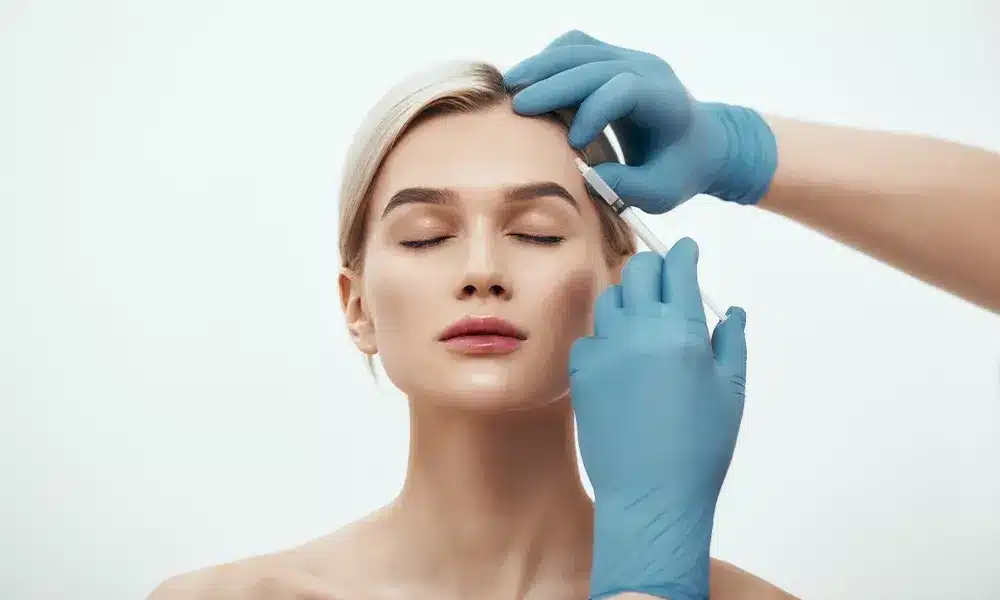
Dermal fillers are substances injected into the skin. They improve facial contours and restore volume. These fillers can smooth out wrinkles and enhance features. Common materials used include hyaluronic acid, calcium hydroxylapatite, and poly-L-lactic acid. Each type has unique properties that cater to different needs.
Treated Areas
Many areas benefit from dermal fillers. The most common sites include:
- Cheeks
- Lips
- Under-eye regions
- Nasolabial folds
- Jawline
Fillers add volume to cheeks, giving a youthful appearance. Lip fillers enhance shape and fullness. Under-eye fillers reduce dark circles and hollowness.
Immediate Results
One significant advantage of dermal fillers is the immediate results. Patients often notice changes right after treatment. This quick transformation boosts confidence.
Downtime is minimal with dermal fillers. Most people return to daily activities shortly after injections. Some may experience slight swelling or bruising, but these effects usually fade quickly.
Patients appreciate this convenience. They can achieve desired looks without lengthy recovery times.
Laser Skin Resurfacing
Process Overview
Laser skin resurfacing uses focused light beams to remove outer layers of skin. This process targets specific areas, allowing for precise treatment. The laser heats the underlying skin, promoting collagen production. Increased collagen helps improve skin texture and firmness over time.
During the procedure, a skin laser expert will assess the area needing treatment. They may apply a topical anesthetic to minimize discomfort. The laser then removes damaged skin cells layer by layer. Patients can expect some redness and swelling after the treatment. Recovery times vary based on individual skin types and treatment depth.
Ablative vs Non-Ablative
Different skin resurfacing treatments fall into two main categories: ablative and non-ablative.
Ablative laser skin resurfacing removes the outer layers of skin completely. This method is effective for deeper wrinkles, scars, and severe sun damage. Common types include CO2 and Erbium lasers. These treatments often require longer recovery times but yield significant results.
Non-ablative laser treatments, on the other hand, do not remove any skin layers. Instead, they target deeper tissues without damaging the surface. This option is less invasive and has shorter recovery periods. Non-ablative lasers help with pigmentation issues and fine lines. Examples include Nd:YAG lasers and fractional lasers.
Benefits of Smoother Skin
Laser resurfacing offers many benefits beyond just aesthetics. Patients often notice smoother skin texture after treatment. Reduced wrinkles is another major advantage. Many people feel more confident in their appearance post-treatment.
Improved skin tone is also a common outcome of these procedures. Laser treatments can address issues like age spots or discoloration effectively. With continued collagen production, patients can enjoy long-lasting results.
Laser treatments can complement other cosmetic skin treatments like chemical peels or dermal fillers. Combining options can enhance overall results, providing a more youthful appearance.
Considerations for Treatment
Before undergoing any laser treatment, it’s essential to consult with a qualified professional. They will evaluate your skin type and discuss potential risks. Some individuals may experience side effects such as redness or scabbing.
Patients should also be aware of post-treatment care instructions. Proper care helps ensure optimal healing and results. Following guidelines can reduce complications and improve satisfaction with the outcomes.
Maintaining Youthful Skin Post-Treatment
Sun Protection
Sun protection is crucial after skin rejuvenation treatments. UV rays can damage the skin and reduce the effectiveness of treatment methods. Patients must apply sunscreen daily, even on cloudy days. A broad-spectrum sunscreen with at least SPF 30 is recommended. Reapplying every two hours is essential, especially if spending time outdoors.
Wearing protective clothing can also help shield the skin from harmful rays. Hats and sunglasses provide additional defense. Avoiding direct sunlight during peak hours further enhances protection. This simple step can significantly prolong treatment results.
Skincare Routine
A consistent skincare routine is vital for maintaining youthful skin. Tailoring products to individual needs helps maximize treatment benefits. Start with a gentle cleanser to remove impurities without stripping natural oils. Follow this with a hydrating toner to balance the skin’s pH.
Moisturizers play a key role in keeping the skin hydrated. Look for ingredients like hyaluronic acid and glycerin. These attract moisture and keep the skin plump. Incorporating serums with antioxidants can protect against environmental damage.
Exfoliation should be part of the routine but done cautiously. Chemical exfoliants, like AHAs or BHAs, may enhance cell turnover without harsh scrubbing. However, over-exfoliating can lead to irritation. Aim for exfoliating once or twice a week based on skin sensitivity.
Follow-Up Treatments
Follow-up treatments may be necessary to maintain results after initial procedures. Healthcare professionals often recommend these sessions based on individual progress. These treatments can include maintenance sessions or complementary therapies.
For instance, microneedling may enhance collagen production post-laser resurfacing. Chemical peels can also refresh the skin’s appearance over time. Discussing options with a qualified provider ensures patients choose the best path for their unique needs.
Scheduling regular check-ups allows for monitoring skin condition and adjusting treatments as needed. This proactive approach keeps the skin looking its best.
Lifestyle Factors
Lifestyle factors also impact the longevity of youthful skin. Staying hydrated is essential for overall skin health. Drinking plenty of water aids in maintaining elasticity and glow.
A balanced diet rich in vitamins and minerals supports skin rejuvenation. Foods high in antioxidants, such as berries and leafy greens, combat free radicals. Reducing stress through activities like yoga or meditation can also improve skin appearance.
Lastly, avoiding smoking and excessive alcohol consumption benefits overall health and skin vitality.
Skincare Tips for Longevity
Special Regimen
A special skin care regimen can enhance the results of skin rejuvenation treatments. Products with retinoids are effective for promoting cell turnover. They help reduce fine lines and improve skin texture. Antioxidants protect the skin from damage caused by free radicals. Ingredients like vitamin C and E are excellent choices. These nutrients support collagen production and brighten the skin.
Daily application of sunscreen is crucial. It protects against harmful UV rays that cause premature aging. Choose a broad-spectrum sunscreen with at least SPF 30. Apply it every morning, even on cloudy days.
Regular Exfoliation
Regular exfoliation is essential for maintaining healthy skin. It removes dead skin cells, revealing a fresh layer underneath. This process can enhance the effectiveness of other skincare products. Use gentle exfoliants to avoid irritation. Chemical exfoliants containing AHAs or BHAs work well for most skin types.
Aim to exfoliate 1-2 times a week. Over-exfoliating can lead to redness and sensitivity, so moderation is key. After exfoliation, always apply a moisturizer to hydrate the skin.
Hydration and Diet
Staying hydrated plays a significant role in skin health. Drinking enough water helps maintain elasticity and suppleness. Aim for at least eight glasses of water daily. This simple habit can make your skin look more radiant.
A balanced diet also contributes to youthful skin. Foods rich in omega-3 fatty acids, like salmon and walnuts, nourish the skin from within. Incorporating plenty of fruits and vegetables provides essential vitamins and minerals.
Antioxidant-rich foods such as berries, spinach, and nuts fight oxidative stress. They help keep skin looking vibrant and youthful.
Consistency Matters
Consistency is vital in any skincare routine. Stick to your special regimen daily for the best results. It may take time to see improvements, but persistence pays off.
Monitor how your skin responds to different products. Adjust your routine based on its needs. If you notice irritation or breakouts, consider simplifying your regimen.
Professional Guidance
Consulting with a dermatologist can provide personalized advice. Professionals can recommend specific products based on your unique skin type and concerns. Regular check-ups ensure that your skincare routine remains effective over time.
Lifestyle Changes for Healthy Skin
Quit Smoking
Smoking harms the skin in many ways. It reduces blood flow, which deprives the skin of oxygen. This can lead to improved skin texture issues and premature aging. Quitting smoking can reverse some of these effects. Research shows that former smokers often notice a significant improvement in their skin’s appearance.
Limiting alcohol consumption is also crucial. Alcohol dehydrates the skin, making it appear dull. Reducing intake can help maintain a healthy glow. Studies indicate that people who drink less alcohol have better skin health overall.
Regular Exercise
Regular exercise benefits both the body and the skin. It boosts blood circulation, delivering more nutrients to skin cells. This process helps to remove toxins from the body, leading to clearer skin. Engaging in physical activities like jogging or cycling can promote skin treatments effectiveness.
Exercise also reduces stress levels, which is essential for skin health. High stress can trigger specific skin concerns like acne or eczema. By exercising regularly, individuals can manage stress better and improve their overall well-being.
Adequate Sleep
Adequate sleep plays a vital role in maintaining healthy skin. During sleep, the body repairs itself and regenerates cells. Lack of sleep can lead to dark circles and an uneven complexion. Experts recommend aiming for 7-9 hours of quality sleep each night for optimal results.
Stress management techniques are equally important. Practices such as meditation or yoga can help reduce anxiety. Lower stress levels correlate with fewer breakouts and improved overall skin health.
Balanced Skin Routine
A balanced skin routine complements lifestyle changes. Using effective skin care products tailored to your needs is essential. Look for products that address specific skin concerns like acne or dryness. Consistency in applying these products enhances their effectiveness over time.
Hydration is key for healthy skin. Drinking enough water daily keeps the skin hydrated from within. Proper hydration supports improved skin texture and elasticity.
Healthy Diet
Diet significantly impacts skin health as well. Consuming fruits and vegetables rich in antioxidants helps fight free radicals. Foods high in omega-3 fatty acids, such as fish, promote healthy cell membranes. A balanced diet contributes to glowing, youthful-looking skin.
Incorporating whole grains and lean proteins into meals also supports overall wellness. These foods provide essential nutrients that aid in cell repair and regeneration.
Final Remarks
Skin rejuvenation treatments can transform your appearance and boost your confidence. Understanding the signs of aging and the various treatment options empowers you to make informed choices. From anti-wrinkle injections to laser resurfacing, there’s a solution for everyone. Maintaining youthful skin involves not just treatments but also daily skincare and healthy lifestyle habits.
Take charge of your skin today. Explore the options that fit your needs and preferences. Invest in yourself and enjoy the benefits of radiant, youthful skin. Don’t wait—start your journey towards rejuvenation now!
Frequently Asked Questions
What is skin rejuvenation treatment?
Skin rejuvenation treatment includes various procedures aimed at restoring a youthful appearance. Techniques like anti-wrinkle injections, dermal fillers, and laser resurfacing help reduce signs of aging, improve skin texture, and enhance overall complexion.
How does skin aging occur?
Skin aging results from a combination of genetic factors, environmental exposure, and lifestyle choices. Over time, collagen production decreases, leading to wrinkles, sagging, and loss of elasticity. Sun exposure and pollution further accelerate this process.
What are the common signs of aging skin?
Common signs of aging skin include fine lines, wrinkles, sagging, uneven skin tone, dryness, and age spots. These changes can significantly affect your appearance and confidence.
Are anti-wrinkle injections safe?
Yes, when administered by qualified professionals, anti-wrinkle injections are safe. They temporarily relax facial muscles to reduce wrinkles. Side effects are usually mild and temporary.
How do dermal fillers work?
Dermal fillers restore volume to areas like cheeks, lips, and under-eye hollows. They contain substances like hyaluronic acid that attract moisture, providing instant plumpness and hydration to the skin.
What should I expect after laser skin resurfacing?
After laser skin resurfacing, you may experience redness, swelling, and peeling. These effects typically subside within a week. Proper aftercare is essential for optimal healing and results.
How can I maintain youthful skin post-treatment?
To maintain youthful skin post-treatment, follow a consistent skincare routine with sunscreen, moisturizers, and antioxidants. Staying hydrated and avoiding smoking also supports long-term skin health.