
Transaxillary breast augmentation, with its armpit incision and various incision options, is gaining popularity among cosmetic surgeons and plastic surgeons for its unique benefits. This method offers a less invasive transaxillary breast augmentation approach, allowing for breast enhancement through the armpit as part of the augmentation procedure performed by cosmetic surgeons. Many women prefer this technique, the armpit incision method, to avoid visible scars on the breast itself. The procedure can provide natural-looking results with proportional breast augmentation while minimizing recovery time through various breast augmentation techniques and options, unlike traditional breast augmentation.
Understanding how transaxillary breast augmentation works can empower you to make informed decisions about your body. It’s essential to weigh the advantages against traditional methods. With advancements in technology and techniques, this breast augmentation procedure is becoming a go-to choice for many seeking beautiful breast surgery results and a boost in confidence.
What is Transaxillary Breast Augmentation
Procedure Overview
Transaxillary breast augmentation involves placing an incision in the armpit. This method allows for the insertion of a breast implant without making direct incisions on the breast itself. Surgeons use this inframammary breast augmentation approach to enhance the size and shape of the bustline. The procedure aims to provide a more natural look by avoiding visible scars on the breast.
Surgeons typically perform this surgery under general anesthesia. They create a small tunnel through the tissue from the armpit to the breast area. Then, they insert the implant through this tunnel. This technique, including inframammary breast augmentation, helps minimize recovery time and reduces complications associated with traditional methods.
Candidate Suitability
Not everyone qualifies for transaxillary breast augmentation. Candidates should be in good health and have realistic expectations about their results. Ideal patients are often those who want to avoid visible scars on their breasts.
Consultations with a qualified surgeon help determine if this method is appropriate. The surgeon evaluates health history, body type, and desired outcomes. Patients should also discuss any concerns or questions during this initial meeting.
Advantages of the Method
This augmentation method offers several benefits compared to traditional approaches. First, it leaves no visible scars on the breasts themselves. Instead, any scarring occurs in the armpit area, which is less noticeable.
Second, recovery times can be shorter due to less trauma to the breast tissue. Many patients report feeling comfortable returning to normal activities within a week or two after surgery.
Finally, patients can choose between saline or silicone implants based on their preferences. Both options provide various sizes and shapes to achieve desired results.
Risks and Considerations
Like any surgical procedure, transaxillary breast augmentation carries risks. Possible complications include infection, bleeding, or changes in nipple sensation. Patients must weigh these risks against potential benefits before deciding.
Surgeons inform patients about what to expect during recovery. Following post-operative instructions is crucial for achieving optimal results. Regular follow-ups ensure that the healing process goes smoothly.
Recovery Timeline
Recovery from transaxillary breast augmentation varies by individual but generally follows a similar timeline. Patients may experience swelling and discomfort for a few days after surgery. Most return to light activities within one week.
By around six weeks, many feel fully recovered and can resume all normal activities. Surgeons recommend avoiding strenuous exercise during this time to allow proper healing.
How the Transaxillary Procedure Works
Incision Location
Surgeons begin the transaxillary breast augmentation by making a small incision. This incision occurs in the natural crease of the armpit. Choosing this location helps to hide any visible scarring. Patients often prefer this method for its cosmetic benefits. The armpit area naturally conceals scars better than other locations.
Implant Insertion
Through the incision, surgeons insert a saline breast implant. Saline implants are filled with sterile salt water. They can be adjusted for size during the procedure. Surgeons position the implant carefully to ensure it sits correctly under the breast tissue. This precise placement helps achieve a natural look and feel.
Closing the Incision
After positioning the implant, surgeons close the incision. They use sutures to secure the skin layers together. This method minimizes tension on the skin, aiding in healing. The result is minimal visible scarring in the armpit area. Patients appreciate this aspect, as it contributes to a more discreet outcome.
Recovery Process
Recovery from transaxillary breast augmentation typically takes several weeks. Most patients experience mild discomfort initially. Pain management usually involves over-the-counter medications. Surgeons recommend rest and limited physical activity during recovery.
Patients should avoid heavy lifting and intense workouts for at least four weeks. Following these guidelines promotes proper healing and optimal results.
Long-Term Results
Long-term results from this method are generally positive. Many patients enjoy enhanced breast volume without noticeable scars. Regular follow-ups with surgeons help monitor implant condition and overall health.
e patients may require adjustments or replacements over time. These decisions depend on individual circumstances and preferences.
Benefits of Transaxillary Method
The transaxillary approach offers several advantages:
- Minimal Scarring: Incisions hidden in the armpit reduce visible scarring.
- No Breast Tissue Disruption: This method avoids incisions on or around the breasts.
- Quick Recovery: Many patients return to normal activities sooner compared to other methods.
Surgeons often discuss these benefits during consultations. Understanding these factors helps patients make informed choices.
Considerations Before Surgery
Before undergoing surgery, patients should consider their goals and expectations. Each individual’s anatomy is different, which affects outcomes. Discussing personal preferences with surgeons is vital.
Surgeons evaluate medical history and perform necessary tests before proceeding. This ensures that patients are suitable candidates for transaxillary breast augmentation.
Comparing Transaxillary with Other Techniques
Transumbilical
Transumbilical breast augmentation involves an incision made in the belly button. This method allows for the placement of saline implants. Surgeons use an endoscope to guide the implant through a tunnel created from the belly button to the breast area. This technique leaves no visible scars on the breasts, which is a significant advantage for many patients. However, it requires a skilled surgeon to ensure proper placement and minimize complications.
This approach has its limitations. Not all patients are candidates for this method. The size and type of implant can affect results. Some surgeons prefer not to use this technique due to its complexity.
Periareolar
Periareolar breast augmentation uses an incision around the areola. This method works well for both saline and silicone implants. The scar blends with the natural color change between the areola and skin, making it less noticeable. Surgeons can access the breast tissue easily, allowing for precise placement of implants.
While this technique is effective, it may not be suitable for everyone. Patients with darker skin tones may find scarring more visible. Some women may also worry about potential changes in nipple sensation after surgery. Understanding these factors helps in making informed decisions.
Inframammary
Inframammary breast augmentation involves an incision made under the breast crease. This method is popular among surgeons due to its versatility. It allows for both saline and silicone implants to be placed effectively. The scar is hidden in the natural fold of the breast, making it less visible over time.
This technique offers several advantages. Surgeons have direct access to the breast tissue, which improves accuracy during placement. Recovery tends to be straightforward, with fewer complications reported compared to other methods. Patients often appreciate the ability to choose implant size and type without restrictions.
Each method has unique benefits and drawbacks. Transaxillary techniques avoid visible scars on the breasts but require careful planning and execution. Transumbilical offers a scar-free option but comes with limitations regarding implant choices. Periareolar provides excellent access but may lead to concerns about scars or sensation changes. Inframammary remains a favorite due to its effectiveness and minimal visibility of scars.
Patients should discuss their preferences and concerns with their surgeon. Understanding each technique’s pros and cons helps in selecting the best option for individual needs.
Benefits of Transaxillary Incision
Hidden Incision
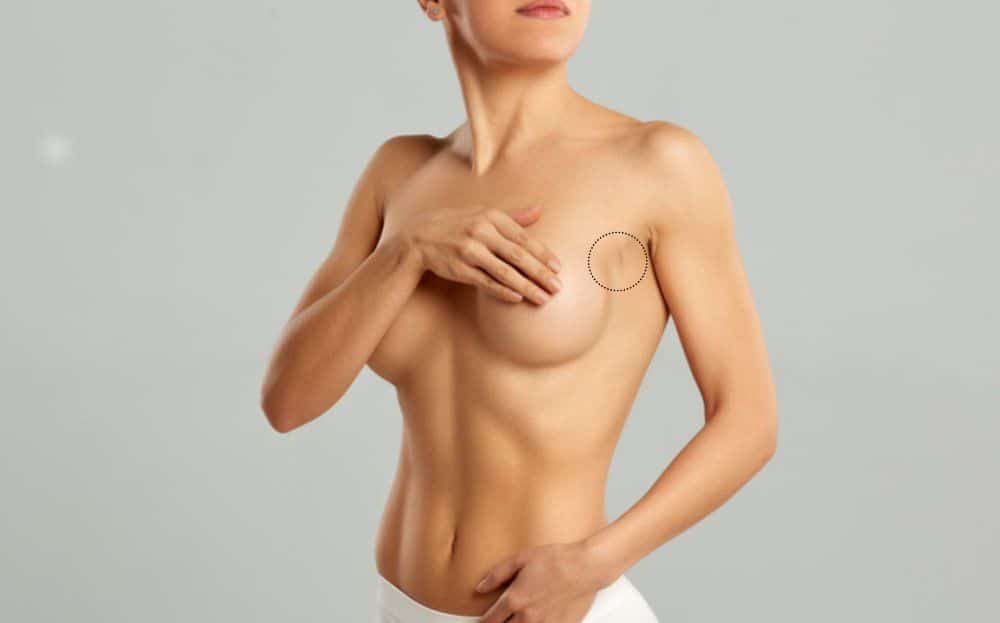
Transaxillary breast augmentation uses a hidden incision method. This technique places the incision in the armpit. The main advantage is that it minimizes visible scarring on the breasts. Patients often feel more confident knowing their scars are not easily seen. The armpit location allows for a discreet approach, which many prefer.
This hidden incision also offers freedom in clothing choices. Women can wear tank tops or swimsuits without worrying about visible scars. Many patients appreciate this benefit, especially during warmer months when clothing is lighter.
Reduced Scarring Visibility
A small incision size further reduces the visibility of scarring in the armpit area. With careful surgical techniques, surgeons can make incisions that are less than an inch long. Smaller incisions generally heal better and become less noticeable over time.
Patients often report that their scars fade significantly after surgery. This fading contributes to a more natural appearance post-surgery. The goal is to achieve beautiful results with minimal evidence of surgery.
Improved Recovery Experience
Recovery from transaxillary breast augmentation can be smoother for many patients. Since the incision does not interfere with breast tissue, there may be less trauma during the procedure. This leads to reduced swelling and discomfort afterward.
Many women find they can return to normal activities sooner compared to other methods. They enjoy quicker recovery times and less downtime overall. This advantage helps them get back to their daily routines faster.
Enhanced Surgical Precision
Surgeons using the transaxillary approach gain improved access to the breast area. This technique allows for precise placement of implants. Surgeons can position implants exactly where they want them, enhancing overall results.
The careful placement means patients often achieve better symmetry and shape. Many choose this method because they desire optimal outcomes without compromising on aesthetics.
Drawbacks of Transaxillary Incision
Limited Implant Options
Saline breast implants are the primary option for transaxillary breast augmentation. Silicone implants require different incisions. This restriction limits choices for patients who prefer silicone. While saline implants can be inserted through the armpit, silicone implants need a more direct approach. Patients must consider this limitation when deciding on their procedure.
Control Over Placement
Surgeons may face challenges in controlling implant placement with a transaxillary incision. The armpit location makes it harder to position the implant accurately. This is especially true for implants placed under the muscle. Proper positioning is crucial for achieving a natural look and feel. Inaccurate placement can lead to complications or unsatisfactory results.
Complex Surgical Technique
The transaxillary approach requires a more complex surgical technique. Surgeons must navigate through layers of tissue while maintaining precision. This complexity may increase the risk of complications during surgery. It demands a higher skill level from the surgeon compared to other methods, such as inframammary or periareolar incisions.
Recovery Considerations
Recovery from transaxillary breast augmentation can differ from other incision types. Some patients experience increased discomfort due to the surgical technique used. Pain may stem from the extra manipulation of tissues in the armpit area. Swelling and bruising might also be more pronounced, affecting recovery time.
Risk of Complications
There are potential risks associated with this method. These include seroma formation or infection at the incision site. The risk of complications may be higher than with more traditional approaches. Patients should discuss these risks thoroughly with their surgeon before proceeding.
Aesthetic Outcomes
Aesthetic outcomes can vary with transaxillary breast augmentation. While many achieve satisfactory results, some may not be as pleased due to implant placement issues. The final appearance depends heavily on the surgeon’s skill and experience with this technique.
Alternative Breast Augmentation Incisions
Transumbilical
Transumbilical breast augmentation uses an incision hidden within the belly button. This method is primarily for saline implants. Surgeons inject saline into a deflated implant, which they then position under the breast tissue. This technique avoids visible scars on the breast. However, it can limit the surgeon’s ability to place larger implants.
Patients often choose this method for its discreet nature. Many appreciate that no scars appear on the breasts themselves. This option may also reduce recovery time since it minimizes trauma to the breast area.
Periareolar
Periareolar incisions are made around the edge of the areola. This technique works well for both saline and silicone implants. The incision blends with the natural color change between the areola and breast skin. Surgeons can access breast tissue easily through this incision.
This method allows for precise placement of implants, whether subpectoral or subglandular. Many surgeons prefer this approach due to its versatility. Patients benefit from a lower risk of visible scarring compared to other methods.
Inframammary
Inframammary incisions occur along the crease beneath the breast. This technique is suitable for both saline and silicone implants as well. Surgeons find this approach effective for achieving natural-looking results. The incision remains hidden in the breast fold, making it less noticeable.
Many breast augmentation procedures utilize inframammary incisions for their reliability. This method allows for better control during surgery. It also provides more space for implant placement, which can enhance symmetry and proportion.
Comparison of Techniques
Each breast augmentation incision method has its advantages and disadvantages. Transumbilical offers a scar-free option on the breast but limits implant size. Periareolar provides good access and minimal scarring but may require more skill from the surgeon. Inframammary allows excellent visibility and control but leaves a scar in a noticeable area.
Patients should discuss these options with their chosen breast augmentation surgeons. Understanding each technique helps them make informed decisions about their desired outcomes.
Recovery Expectations and Tips
Swelling and Bruising
Expect some swelling and bruising after transaxillary breast augmentation. This is normal and usually happens in the armpit area. The swelling may last for a few weeks. Bruising can appear dark at first but will fade over time. Pain levels vary for each person. Most find that discomfort is manageable with prescribed medication.
Post-operative Care
Follow all post-operative care instructions from your surgeon. These guidelines are essential for optimal healing. Patients should keep the surgical area clean and dry. Dressing changes may be necessary, so adhere to your doctor’s recommendations. Regular follow-up appointments help track progress and address any concerns.
Activity Restrictions
Avoid strenuous activities and heavy lifting for several weeks post-surgery. This includes intense workouts, running, or lifting weights. Such activities can increase the risk of complications or prolong recovery time. Light walking is encouraged to promote circulation, but listen to your body. Gradually return to regular activities as you feel comfortable.
Emotional Considerations
Emotional responses can also occur during recovery. Many patients feel excited about their new results but may also experience anxiety. It’s important to have support from friends or family during this time. Sharing feelings with others can help ease worries about the changes.
Long-term Results
The final results of transaxillary breast augmentation become clearer over time. Initial swelling may hide the true shape of your breasts. It often takes a few months for everything to settle properly. Regular check-ins with your surgeon can help manage expectations about the final outcome.
Risks Awareness
Understanding potential risks is crucial before surgery. Complications can include infection, scarring, or changes in sensation. Discuss these with your doctor beforehand to make informed decisions. Being aware of risks helps prepare mentally for recovery.
Choosing a Qualified Cosmetic Surgeon
Research Surgeons
Patients must research surgeons with extensive experience in transaxillary breast augmentation. Many cosmetic surgeons specialize in this procedure. Look for those who have performed numerous surgeries successfully. Their experience can significantly impact the outcome of your surgery.
Board-certified plastic surgeons are the best option. Certification ensures they have met specific training and education standards. Positive patient reviews can provide insight into their skills and bedside manner. Online platforms often feature testimonials from previous patients. These reviews can help you gauge the surgeon’s reputation.
Schedule Consultations
Scheduling consultations is crucial in the consultation process. During these meetings, patients should discuss their goals openly. This dialogue helps the surgeon understand what you want to achieve. It also allows you to evaluate the surgeon’s expertise and approach.
Ask about the different types of implants available, such as saline and silicone options. Each has unique benefits and drawbacks. Saline implants are filled with sterile salt water, while silicone implants contain a gel-like substance. Discussing these details can help you make an informed decision.
Evaluate Expertise
Evaluate the surgeon’s expertise during your consultations. Inquire about their specific experience with transaxillary techniques. This method involves placing implants through the armpit, leaving minimal visible scars. Understanding the procedure’s intricacies is essential for ensuring a successful outcome.
Ask about implant placement options, like above or below the muscle. The placement can affect recovery time and overall results. Surgeons will provide insights based on your body type and desired look.
Understand Risks
Every surgical procedure carries risks. Patients should discuss potential complications with their surgeon during consultations. Understanding these risks is vital for making an informed choice.
Surgeons should explain how they manage any adverse events that may arise during or after surgery. This includes addressing concerns about scarring, infection, or complications related to anesthesia.
Consider Patient Comfort
Comfort with your chosen cosmetic surgeon is essential. Patients should feel at ease discussing their concerns and desires. A good surgeon will listen carefully and answer all questions thoroughly.
Building a trusting relationship can lead to better communication throughout the process. This connection can also improve your overall experience during recovery.
Importance of Surgeon Expertise and Training
Experienced Surgeons
Surgeons play a crucial role in the success of transaxillary breast augmentation. Their experience directly impacts patient safety. Experienced surgeons can minimize risks and complications during the surgery procedure. They have faced various scenarios and can handle unexpected issues effectively. This knowledge helps them make quick decisions to ensure patient well-being.
Having a surgeon with extensive practice in this specific technique is vital. Studies show that higher volumes of surgeries performed correlate with better outcomes. Patients should seek out those who specialize in transaxillary approaches. These professionals understand the nuances of the method, which can lead to fewer complications.
Proper Training
Proper training is essential for achieving precise implant placement. Surgeons must be skilled in both surgical techniques and aesthetic principles. This combination ensures that results meet patient expectations. A well-placed implant enhances overall appearance and satisfaction.
Training also involves understanding anatomy thoroughly. Knowledge of the surrounding tissues helps avoid damage during surgery. This expertise leads to better aesthetic results and minimizes recovery time. Surgeons trained specifically in transaxillary methods can navigate the unique challenges this approach presents.
Smooth Recovery Process
Expertise in the transaxillary technique contributes to a smoother recovery process. Skilled surgeons know how to minimize trauma to the body. Less trauma often results in reduced pain and swelling post-surgery. Patients benefit from quicker healing times and less discomfort.
A well-executed procedure can lead to faster return to normal activities. Many patients appreciate being able to resume their daily routines sooner. Overall, this expertise not only affects immediate results but also long-term satisfaction.
Pensamientos Finales
Transaxillary breast augmentation offers a unique approach with several benefits, including minimal visible scarring and quicker recovery. You’ve learned about the procedure, its advantages, and how it stacks up against other methods. Understanding these factors helps you make informed decisions about your body and aesthetic goals.
Choosing the right surgeon is crucial. Expertise in transaxillary techniques ensures safety and satisfaction. Don’t rush; take your time to research and consult with professionals. Your journey towards enhancement should be empowering and tailored to your needs. If you’re considering this option, reach out to a qualified cosmetic surgeon today for personalized guidance.
Frequently Asked Questions
What is Transaxillary Breast Augmentation?
Transaxillary breast augmentation is a surgical technique that involves placing implants through an incision in the armpit. This method avoids visible scarring on the breast.
How long does recovery take after Transaxillary Breast Augmentation?
Recovery typically takes about 1 to 2 weeks. Most patients can return to normal activities within this timeframe, but full healing may take several months.
Are there risks associated with Transaxillary Breast Augmentation?
Like any surgery, there are risks such as infection, bleeding, and complications with anesthesia. However, when performed by a qualified surgeon, these risks are minimized.
Can I choose the size and type of implants for Transaxillary Augmentation?
Yes, you can discuss your preferences regarding implant size and type with your surgeon. They will help you choose the best option based on your body type and desired outcome.
How does Transaxillary compare to other breast augmentation methods?
Transaxillary offers less visible scarring compared to traditional incisions. It also provides similar results in terms of implant placement and overall aesthetics.
Is it important to choose a qualified cosmetic surgeon for this procedure?
Absolutely. A qualified cosmetic surgeon ensures safety, minimizes risks, and achieves optimal results. Always check their credentials and experience before proceeding.
What should I expect during the consultation for Transaxillary Breast Augmentation?
During the consultation, your surgeon will assess your goals, discuss options, explain the procedure in detail, and address any questions or concerns you may have.