
Did you know that nearly 30% of men experience gynecomastia, commonly known as male breasts or man boobs, which can be treated with male breast reduction surgery or male chest liposuction to remove excess breast tissue? This condition of excess breast tissue can lead to embarrassment and affect self-esteem, especially in cases of severe gynecomastia, which may raise concerns about breast cancer or the need for a breast lift. Many men seek solutions, such as male breast reduction surgery and male chest liposuction, to regain confidence and improve their body image, especially those with severe gynecomastia considering gynecomastia surgery. Liposuction for man boobs is a popular choice. It offers a minimally invasive gynecomastia procedure to remove excess fat and contour the chest area through male breast reduction surgery, a men procedure.
This male breast reduction surgery procedure not only enhances appearance of the male chest but also boosts confidence. Understanding the benefits, risks, and recovery process for male chest procedures is crucial before making a decision. In this post, we will explore everything you need to know about liposuction for man boobs and achieving a more defined male chest. Get ready to take the first step toward a more confident you, embracing your male chest.
Key Takeaways
- Gynecomastia is a common condition in men that causes enlarged breast tissue in the male chest, often identified by symptoms like swelling and tenderness.
- If you suspect gynecomastia, consult a healthcare professional for accurate diagnosis and to discuss treatment options.
- Liposuction can effectively reduce man boobs, but it’s essential to understand the procedure and its suitability for your specific case.
- Before surgery, consider factors like your overall health, lifestyle changes, and potential weight management to improve results.
- Follow post-surgery recovery guidelines closely to ensure proper healing and minimize risks of complications.
- Always discuss potential risks with your surgeon to make an informed decision about undergoing liposuction.
Understanding Gynecomastia
Definition
Gynecomastia refers to the enlargement of male breast tissue. This condition can lead to noticeable swelling in the chest area. It affects many men at some point in their lives. The increase in breast tissue can cause physical discomfort and emotional distress.
Causes
Hormonal imbalances often cause gynecomastia development. Testosterone levels decrease while estrogen levels rise. This imbalance can occur during puberty, aging, or due to certain medical conditions. Medications and substances like alcohol or steroids can also trigger this condition.
Types of Gynecomastia
There are different types of gynecomastia. True gynecomastia involves actual growth of male breast tissue. Pseudogynecomastia, on the other hand, is fat accumulation without glandular tissue growth. Men with pseudogynecomastia might not have true gynecomastia but still experience enlarged breasts.
Affected Areas
Gynecomastia can affect one or both breasts. When it occurs on one side, it may create an uneven appearance. Some men may feel self-conscious about their male chest and avoid situations where they must show their bodies, such as swimming or gym activities.
Emotional Impact
Men with gynecomastia often face emotional challenges. They may experience low self-esteem or anxiety due to their appearance. These feelings can affect social interactions and overall quality of life.
Diagnosis
A healthcare provider can diagnose gynecomastia through a physical exam and medical history review. Blood tests may be necessary to check hormone levels. Imaging tests like ultrasound can help assess the extent of the condition.
Treatment Options
Several treatment options exist for gynecomastia. Observation is common if symptoms are mild. Medications may help balance hormone levels in some cases. Surgical options, such as liposuction or mastectomy, are available for more severe cases.
Identifying Symptoms
Tenderness
Men experiencing gynecomastia often notice tenderness in the breast area. This sensation can vary from mild discomfort to significant pain. It may worsen with physical activity or pressure on the chest. Recognizing this symptom is crucial for understanding the condition.
Pain can also lead to emotional distress. Men might feel self-conscious about their appearance. This feeling can impact confidence and social interactions. Seeking help early can ease both physical and emotional symptoms.
Swollen Tissue
Another common symptom is swelling of breast gland tissue. This swelling occurs due to hormonal imbalances, leading to excess glandular tissue growth. The size of the swollen tissue can differ from person to person. Some may have a slight increase in size, while others may experience more noticeable enlargement.
In many cases, this swelling happens gradually. It can begin during puberty but may also occur later in life due to various factors such as obesity or hormonal changes. Understanding this symptom helps in recognizing when to seek medical advice.
Nipple Discharge
e men may experience nipple discharge as a symptom of gynecomastia. This discharge can be clear, cloudy, or even bloody in rare situations. While not everyone with gynecomastia will have this symptom, it’s important to note its presence.
Nipple discharge often indicates an underlying issue that requires further investigation. Men should consult a healthcare provider if they notice this symptom along with breast changes. A referral to a specialist may be necessary for proper diagnosis and treatment.
Specific Criteria for Diagnosis
Healthcare providers use specific criteria to diagnose gynecomastia. They evaluate symptoms like tenderness, swelling, and any nipple discharge. A thorough physical examination follows these observations.
Doctors may also recommend tests to rule out other conditions. Blood tests can check hormone levels and identify imbalances contributing to gynecomastia. Imaging tests like ultrasound or mammograms might be used to examine breast tissue more closely.
Importance of Early Referral
Early referral to a specialist is essential for effective treatment. Delaying medical advice can lead to worsening symptoms and increased emotional distress. Men experiencing the symptoms mentioned should not hesitate to seek help.
Understanding these symptoms empowers men facing gynecomastia. Awareness leads to timely intervention and better management options, including potential surgical solutions like liposuction for man boobs.
Diagnosing Gynecomastia
Physical Exam
A physical examination by a healthcare provider is crucial for diagnosing gynecomastia. The doctor will assess the size and shape of the breasts. They will also check for any abnormalities in the breast tissue. This examination helps determine if the enlargement is due to excess fat, glandular tissue, or both.
Healthcare providers often ask about symptoms and medical history. They may inquire about medications that could contribute to male breast enlargement. Understanding these factors aids in accurate diagnosis.
Hormone Level Tests
Blood tests play a key role in diagnosing gynecomastia. These tests measure hormone levels, particularly testosterone and estrogen. An imbalance between these hormones can cause enlarged breasts in men.
In some cases, severe gynecomastia may indicate underlying health issues. Conditions like hyperthyroidism or tumors can alter hormone levels. Blood tests help identify these potential problems early on.
Imaging Tests
Imaging tests are important in ruling out other conditions. Mammograms or ultrasounds can help visualize the breast tissue. These tests assist in distinguishing between gynecomastia and more serious issues, such as male breast cancer.
For example, a mammogram can provide detailed images of breast tissue. If a lump or abnormality appears, further evaluation may be necessary. Ultrasounds can also help assess the nature of any masses found during the physical exam.
Types of Gynecomastia
Gynecomastia can present in various forms. Some men experience asymptomatic gynecomastia, where they have enlarged breasts without discomfort. Others may have severe cases that lead to pain or emotional distress.
Understanding the type of gynecomastia helps tailor treatment options. For instance, patients with mild cases might benefit from lifestyle changes, while others may require a gynecomastia procedure or surgery.
Treatment Options
Several gynecomastia surgery options exist for those who need it. Glandular excision removes excess breast tissue directly. Liposuction can be effective for cases primarily involving fat deposits. A combination of both techniques may also be used.
Discussing these options with a healthcare provider is essential. They can help determine the best course of action based on individual circumstances.
Liposuction for Man Boobs
Definition
Liposuction is a surgical procedure designed to remove excess fat from specific areas of the body. This method is particularly effective for men struggling with man boobs, also known as gynecomastia. The surgery involves inserting a thin tube, called a cannula, into the fatty tissue. This tube helps suction out unwanted fat.
Liposuction targets localized fat deposits in the chest area. It helps sculpt the male chest by removing fat that contributes to the appearance of enlarged breasts.
Less Invasive Option
Male breast reduction surgery can take various forms. Liposuction offers a less invasive alternative compared to other surgical options. Traditional breast reduction might involve larger incisions and longer recovery times.
Liposuction generally requires only small incisions. These incisions often heal well and leave minimal scarring. Patients usually experience less pain and swelling after liposuction compared to more invasive procedures.
Procedure Details
The male breast reduction procedure focuses on fat removal from the chest. Surgeons typically perform this procedure under local anesthesia or general anesthesia, depending on the case’s complexity.
During the surgery, the surgeon makes small cuts in the skin. A cannula is then inserted through these cuts to break up and suck out the fat. This technique allows for precise contouring of the chest.
Surgeons often use ultrasound-assisted liposuction or tumescent liposuction techniques. Both methods enhance fat removal efficiency and minimize damage to surrounding tissues.
Results
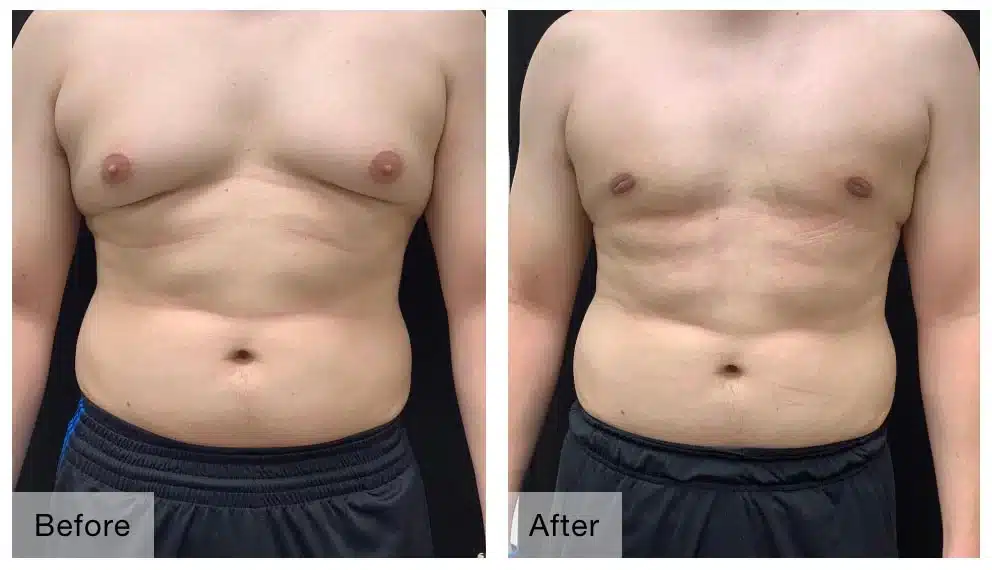
Men can expect significant changes after undergoing male breast reduction surgery. Many report feeling more confident and satisfied with their appearance post-surgery.
Results vary among individuals but generally include a flatter, firmer chest. Some men may also combine liposuction with a breast lift if they have loose breast skin after fat removal.
The final results become noticeable within a few weeks as swelling subsides. Most patients see optimal outcomes around three to six months after surgery.
Considerations
Men considering this procedure should consult with a qualified surgeon. They should discuss their goals and concerns about man boobs openly.
Potential risks include infection, uneven results, or changes in skin sensation. A thorough evaluation helps ensure that candidates are suitable for this type of surgery.
Understanding what to expect from male breast reduction can lead to informed decisions about treatment options. Many men find relief from emotional distress related to gynecomastia through this effective solution.
Pre-Surgery Considerations
Medical Evaluation
A thorough medical evaluation is crucial before undergoing liposuction for man boobs. This evaluation helps identify any underlying health issues. Doctors assess overall health and specific conditions that could affect surgery.
Patients should disclose their full medical history. This includes medications, allergies, and previous surgeries. Understanding these factors helps the surgeon determine surgical preference.
Setting Expectations
Setting realistic expectations is essential for a successful outcome. Liposuction can reduce the size of man boobs, but it may not provide perfect results. Patients should understand that individual results vary.
Discussing goals with the surgeon can clarify what is achievable. Surgeons often provide visual aids or examples of past results. This helps patients visualize potential outcomes and reduces disappointment.
Risks and Benefits
Understanding the potential risks and benefits of liposuction is vital. Common risks include infection, scarring, and anesthesia complications. Patients must weigh these risks against the desired benefits.
Benefits of liposuction include improved body image and increased confidence. Many men report feeling more comfortable in their skin after the procedure. They may find it easier to wear fitted clothing without feeling self-conscious.
Surgeons explain both risks and benefits during consultations. This ensures patients make informed decisions about their treatment options.
Treatment Options
Liposuction is one of several treatment options for man boobs. Other options include medication and lifestyle changes. Some men may benefit from hormonal therapy if gynecomastia is caused by hormonal imbalances.
Patients should explore all current treatment options available. Each option has its own set of advantages and disadvantages. Consulting with a healthcare professional can help identify the best choice based on individual circumstances.
Insurance Coverage
Insurance coverage for liposuction varies by provider and policy. Some plans may cover the procedure if deemed medically necessary. Documentation from doctors regarding physical discomfort or emotional distress can support claims for insurance coverage.
Patients should contact their insurance companies ahead of time. Confirming coverage details can prevent unexpected costs later in the process.
Preparing for Surgery
Medications
Stopping certain medications and supplements is crucial before the procedure. Blood thinners, like aspirin and ibuprofen, can increase bleeding during surgery. Doctors typically recommend avoiding these for at least two weeks prior. Herbal supplements should also be discontinued. Some can interfere with anesthesia or cause complications.
Patients must inform their surgeon about all medications they take. This includes over-the-counter drugs and vitamins. Full disclosure helps ensure safety during the cosmetic surgery procedure.
Fasting
Fasting is another important step before surgery. Most surgeons advise patients not to eat or drink anything after midnight on the day of the procedure. This helps prevent complications related to anesthesia. Following this guideline is crucial for a smooth surgery experience.
Hydration is still important before fasting begins. Patients should drink plenty of water leading up to the fast. Staying hydrated supports overall health and prepares the body for surgery.
Post-Surgery Care
Arranging post-surgery care is essential for recovery. Patients should have someone available to help them after the procedure. This person can assist with daily tasks and provide emotional support.
Transportation is also necessary on the day of surgery. Patients shouldn’t drive themselves home due to the effects of anesthesia. A responsible adult should be designated to ensure safe transport home.
Preparing a comfortable recovery space at home is beneficial as well. This area should be free of clutter and easily accessible. Having supplies like ice packs, medications, and snacks ready can help ease the recovery process.
Insurance Considerations
Understanding insurance coverage is vital when planning for liposuction for man boobs. Many health insurance plans do not cover cosmetic surgery procedures unless deemed medically necessary. Patients should check with their carrier about specific policies regarding breast reduction procedures.
Gathering necessary documentation may help in obtaining approval from insurance carriers. Medical records indicating the need for treatment can strengthen claims for coverage.
Good Candidate
Determining if one is a good candidate for liposuction involves several factors. Candidates should be near their ideal weight but have stubborn areas of fat that don’t respond to diet or exercise. These individuals often seek a more contoured appearance without significant weight loss.
A thorough consultation with a qualified surgeon helps assess candidacy based on health history and expectations. Surgeons will evaluate tissue quality and the condition of the breast envelope during this assessment.
During the Surgery
Anesthesia Types
Surgeons use either local or general anesthesia for liposuction. Local anesthesia numbs the area. Patients remain awake but feel no pain. General anesthesia puts patients to sleep. It is often used for more extensive procedures. The choice depends on the extent of the surgical removal and patient preference.
Incision Process
Small incisions are necessary for the procedure. Surgeons make these cuts in discreet locations. This helps minimize visible scarring. Through these incisions, they insert a thin tube called a cannula. The cannula helps break up and suction out fat tissue. This method is known as surgical excision. It allows for precise fat removal from the chest area.
Procedure Duration
The duration of liposuction surgery typically ranges from 1 to 2 hours. This timeframe can vary based on individual cases. Factors include the amount of fat being removed and the technique used. Most patients can expect to spend a few hours at the surgical facility, including recovery time.
Blood Loss Considerations
Blood loss during liposuction is usually minimal. Surgeons take precautions to ensure safety. They monitor blood loss closely throughout the procedure. Patients may experience some bruising post-surgery, but this is normal. Proper aftercare helps manage any discomfort or swelling.
Post-Surgery Expectations
After surgery, patients receive specific instructions for care. Rest is crucial for recovery. Most individuals can return to light activities within a week. Full recovery may take several weeks, depending on individual healing rates.
Post-Surgery Recovery
Compression Garments
Wearing compression garments is crucial after liposuction for man boobs. These garments help reduce swelling and support the healing process. They apply gentle pressure to the chest area, which can minimize discomfort. Patients typically wear these garments for several weeks post-surgery. Following the surgeon’s instructions about how long to wear them is essential.
The compression also helps maintain the new contour of the chest. It prevents skin from sagging and ensures proper skin retraction. Many patients report feeling more secure and comfortable with these garments in place.
Pain and Swelling Management
Managing pain and swelling is a vital part of recovery. Surgeons usually prescribe medications to help control discomfort. Taking these medications as directed can significantly improve the recovery experience. Some common prescriptions include pain relievers or anti-inflammatory drugs.
Swelling is normal after surgery. It can last for several weeks, but it typically decreases over time. Ice packs can also be beneficial in reducing swelling. Applying ice to the chest area for short periods can provide relief. Patients should avoid strenuous activities during this time to prevent complications.
Follow-Up Appointments
Follow-up appointments are necessary to monitor healing progress. Surgeons schedule these visits to check on the surgical site and overall health. During these appointments, doctors assess how well the patient is healing and address any concerns.
Patients should not skip these appointments. They allow for adjustments in care if needed. Surgeons may recommend additional treatments or therapies based on individual recovery experiences.
Maintaining open communication with healthcare providers is essential during recovery. If any unusual symptoms arise, such as excessive pain or signs of infection, patients must contact their surgeon immediately.
Medical Coverage Considerations
Understanding medical coverage options is important before undergoing liposuction for man boobs. Some insurance plans may cover part of the procedure if it is deemed medically necessary. This often requires documentation from a healthcare provider.
Patients should review their insurance policy carefully to determine what is covered. Consulting with both the surgeon’s office and the insurance company can clarify coverage details.
Potential Risks and Complications
Common Risks
Liposuction carries several complications. Infection is one of the most common risks. It can occur if bacteria enter the body during surgery. Symptoms include redness, swelling, or fever. Bleeding is another risk to consider. Excessive blood loss can lead to serious health issues.
Patients should also be aware of fluid accumulation. This condition happens when fluids build up under the skin after surgery. It may require additional procedures to drain.
Asymmetry Issues
Asymmetry can happen after liposuction for man boobs. This means that one side may look different from the other. Uneven results can be frustrating for patients. They may feel disappointed if the outcome doesn’t meet their expectations.
Surgeons use advanced techniques to minimize this risk, but it’s not always avoidable. Patients should discuss their concerns with their surgeon before the procedure.
Sensation Changes
Changes in sensation are possible after liposuction. Some people experience temporary numbness or tingling in the treated area. These sensations often improve over time. However, some patients report permanent changes in sensation.
It’s vital to understand these potential outcomes before undergoing surgery. Discussing these concerns with a healthcare provider can help set realistic expectations.
Questions to Consider
Patients should prepare questions before surgery. Understanding all aspects of the procedure is essential. Ask about the surgeon’s experience and previous outcomes. Inquire about specific risks associated with your situation.
Patients should also ask about insurance coverage for complications. Many insurance plans do not cover cosmetic procedures like liposuction. Knowing what is covered helps avoid unexpected costs later on.
Pensamientos Finales
Liposuction can be a game-changer for those dealing with gynecomastia. You’ve learned about the symptoms, diagnosis, and what to expect before, during, and after surgery. Understanding these aspects is crucial for making informed decisions about your health and body.
The journey doesn’t end here. If man boobs are affecting your confidence, consider consulting a qualified specialist. They can guide you through the process and help you achieve the results you desire. Take charge of your body today—your transformation awaits!
Frequently Asked Questions
What is gynecomastia?
Gynecomastia is a condition characterized by enlarged breast tissue in men. It can result from hormonal imbalances, genetics, or certain medications. Understanding this condition is crucial for effective treatment.
How do I know if I have gynecomastia?
Symptoms include swollen breast tissue, tenderness, and sensitivity in the chest area. If you notice these signs, consult a healthcare professional for an accurate diagnosis.
Is liposuction effective for treating man boobs?
Yes, liposuction can effectively remove excess fat and improve chest contour in men with gynecomastia. It’s a common procedure that offers significant aesthetic benefits.
What should I consider before surgery?
Consider your overall health, potential weight fluctuations, and realistic expectations regarding results. Discuss these factors with your surgeon to ensure you’re a suitable candidate for liposuction.
How should I prepare for the surgery?
Follow your surgeon’s pre-operative instructions closely. This may include avoiding certain medications, quitting smoking, and arranging for post-surgery transportation.
What happens during the liposuction procedure?
During the procedure, a small incision is made, and a thin tube called a cannula is inserted to suction out excess fat. The process typically lasts one to two hours.
What can I expect during recovery?
Post-surgery, expect some swelling and bruising. Most patients return to normal activities within a week but should avoid strenuous exercise for several weeks for optimal healing.