
Did you know that over 200,000 women undergo breast reconstruction surgery, including fat grafting procedures, each year in the U.S. after a lumpectomy performed by a skilled surgical team with plastic expertise? Breast reconstruction with fat is gaining popularity as a natural and effective option in cosmetic surgery, supported by a skilled surgical team as part of the plastic surgery plan. This method uses your own body fat to create a fuller, more natural look for breast contour after mastectomy reconstruction, similar to a real breast, without cosmetic surgery. It minimizes the need for implants in breast reconstruction surgery and reduces recovery time after breast removal. Many women appreciate the dual benefit of body contouring through structural fat grafting while restoring their breast shape with a fat injection procedure.
Understanding the breast augmentation journey can empower you to make informed decisions about your body, including the breast implants and the breast augmentation method that will help you achieve your new breast. This post will explore the benefits, techniques, and what to expect from breast reconstruction with fat. Discover how this innovative breast augmentation journey can enhance your confidence and help you feel whole again with breast implants, fat injection procedure, and structural fat grafting.
Key Takeaways
- Fat grafting is a natural option for breast reconstruction, using your own body fat to create a more natural look and feel.
- Consider your personal health and body type when deciding if fat grafting or breast implants are right for you; consult with your doctor for tailored advice on your breast augmentation journey.
- Prepare for the breast augmentation journey by following pre-operative guidelines, which may include lifestyle adjustments to ensure optimal results with breast implants and structural fat grafting.
- Understand the anesthesia options available for your comfort during the breast augmentation journey, as discussed in the article on breast implants and structural fat grafting.
- Recovery time varies after breast augmentation; be sure to follow post-operative care instructions for breast implants and structural fat grafting to promote healing and achieve the best outcome.
- Weigh the benefits of breast implants against the risks of fat grafting, such as potential complications, to make an informed decision about your reconstruction journey.
Understanding Fat Grafting
Definition
Fat grafting is a procedure that uses a patient’s own fat to enhance or reconstruct body areas, including breast implants. This method is popular in breast reconstruction. It offers a natural alternative to implants. Patients often prefer this structural fat grafting technique for its safety and effectiveness.
Process Overview
The fat grafting procedure involves three main steps: harvesting, refining, and injecting the fat. First, the surgeon collects fat from the patient’s body. This is done using liposuction techniques. The most common areas for harvesting in structural fat grafting include the abdomen and thighs.
After collecting the fat, it goes through a refining process. Surgeons remove impurities and prepare the fat for injection. This ensures that only healthy fat cells are used for grafting.
Finally, the refined fat is injected into the target area. Surgeons carefully place the fat to achieve the desired shape and volume. This step requires precision to ensure even distribution.
Common Harvest Areas
Surgeons typically harvest fat from specific areas of the body. The abdomen is one of the most common sites. Many patients have excess fat there, making it an ideal source. Thighs are also frequently used for fat collection.
These areas provide ample fat while minimizing visible scarring. Harvesting fat from these regions can also contour the body, enhancing overall appearance.
Benefits of Fat Grafting
Using a patient’s own fat has several benefits. One advantage of structural fat grafting is reduced risk of rejection since the body recognizes its own tissue. This leads to fewer complications compared to synthetic materials.
Fat grafting can also improve skin texture and elasticity in the treated area. The procedure promotes healing and can enhance blood flow through structural fat grafting, which aids recovery.
Considerations
While fat grafting has many benefits, it may not be suitable for everyone. Patients should discuss their medical history and structural fat grafting with their surgeon before proceeding. Factors such as overall health, body type, and structural fat grafting play a role in eligibility.
Surgeons will evaluate how much fat can be safely harvested and injected. They will also consider how well patients can heal after structural fat grafting surgery.
Breast Reconstruction Using Structural Fat Grafting
What is Fat Grafting?
Fat grafting involves taking fat from one part of the body and injecting it into another. This process is common in fat graft breast reconstruction after a mastectomy. Surgeons often use this fat graft technique to improve the shape and volume of the reconstructed breast.
The procedure starts with liposuction. Doctors remove fat from areas like the abdomen or thighs. They then prepare this fat for injection. This method allows for more natural fat graft results compared to implants.
Goals of the Procedure
The main goal of structural fat grafting is to achieve a smooth, symmetrical look in the breasts. Many women experience unevenness after a mastectomy. The use of fat grafting helps to create balance between both breasts.
Surgeons focus on restoring volume where it’s needed most. They aim to fill out areas with a fat graft that may have lost tissue during surgery. This technique can also soften the edges of thin mastectomy flaps. As a result, patients enjoy a more natural appearance.
Addressing Specific Concerns
Structural fat grafting effectively addresses several concerns related to breast reconstruction. Volume loss is common after cancer surgery. Fat grafting can restore this lost volume without relying solely on implants.
Scarring is another issue many women face post-surgery. Fat injections can help camouflage scars by blending them with surrounding tissue. Skin damage from radiation therapy can be improved through fat grafting.
This method promotes healing by providing new blood supply to the area. It encourages the growth of new breast tissue and improves overall aesthetics.
Advantages Over Other Methods
Compared to traditional implant reconstruction, fat grafting offers unique benefits. Patients often prefer this method due to its natural feel and appearance. It reduces the risk of complications associated with implants.
The recovery time for fat grafting is usually shorter than that for implant procedures. Patients can return to their normal activities more quickly. Most importantly, they can avoid multiple surgeries often needed for implant adjustments.
Combining Techniques
e patients choose to combine structural fat grafting with other reconstructive breast surgeries. For instance, using implants alongside fat grafting can provide additional volume and contour. Surgeons tailor each approach based on individual needs.
This customization ensures that every patient receives personalized care tailored to their unique situation.
Is Fat Grafting Right for Me?
Ideal Candidates
Many women consider fat grafting for breast reconstruction. The fat injection procedure is often suitable for those seeking a natural enhancement. Ideal candidates typically include individuals who have lost breast volume due to weight loss, aging, or surgical procedures like mastectomy.
Candidates should have enough donor fat available. This fat usually comes from areas like the abdomen, thighs, or flanks. A good amount of excess fat is necessary to achieve the desired results. Those with a healthy body mass index (BMI) are more likely to qualify.
Considerations
Realistic expectations play a crucial role in the decision-making process. Fat grafting can improve breast shape and fullness but may not provide dramatic changes compared to implants. Some patients may need multiple sessions to achieve their goals. Understanding this aspect helps avoid disappointment after the procedure.
Potential candidates must also consider their overall health. Certain medical conditions can affect healing and recovery. Those with serious health issues should discuss these with their surgeon before proceeding.
Consultation Importance
Consultation with a qualified surgeon is essential. A professional can evaluate individual circumstances and provide personalized advice. They will assess body type, health status, and aesthetic goals during this meeting.
Surgeons often explain the fat injection procedure in detail. They outline what to expect before, during, and after surgery. This information helps patients make informed decisions about their options.
Surgeons also discuss potential risks involved in fat grafting. These may include infection, uneven results, or complications related to anesthesia. Patients should feel comfortable asking questions during the consultation.
Before the Procedure
Consultation Importance
A thorough consultation is crucial before any surgery. This meeting helps establish a clear plan for the procedure. The surgeon will evaluate your medical history and current health status. They will discuss previous procedures and any complications that may arise.
During this consultation, the surgical team will explain the steps involved in the fat grafting process. They will also show you photos of past results. This visual aid can help set realistic expectations for your outcome. Understanding what to expect is essential for peace of mind.
Preparation Steps
Preparing for the procedure involves several important steps. First, it’s advisable to stop smoking at least four weeks prior to surgery. Smoking can hinder blood flow and affect healing. This can lead to complications and poor results.
Certain medications must also be discussed with your doctor. Blood thinners, for example, can increase bleeding during the surgery. Your surgeon may recommend stopping these medications days before the operation. Always follow their guidance on when to pause these drugs.
Medical Evaluation
A full medical evaluation is necessary before moving forward. This includes discussing any allergies you may have. Allergies can impact anesthesia choices and post-operative care.
Previous surgeries should also be mentioned during discussions with your surgeon. Knowing about past experiences helps them tailor their approach to your specific needs.
Emotional Readiness
Emotional readiness plays a significant role in preparing for surgery. Patients should feel comfortable and confident in their decisions. Discussing fears or concerns with the surgical team can alleviate anxiety.
Support from family and friends is beneficial as well. Their encouragement can make a difference in how you handle the process.
Recovery Expectations
Understanding recovery is vital for success after the surgery. Swelling is common in the first few days following the operation. It’s important to know that results take time to fully develop.
Your surgeon will provide guidelines on post-operative care. Following these instructions can lead to better outcomes and reduce complications.
Breast Reconstruction Fat Grafting Details
Procedure Steps
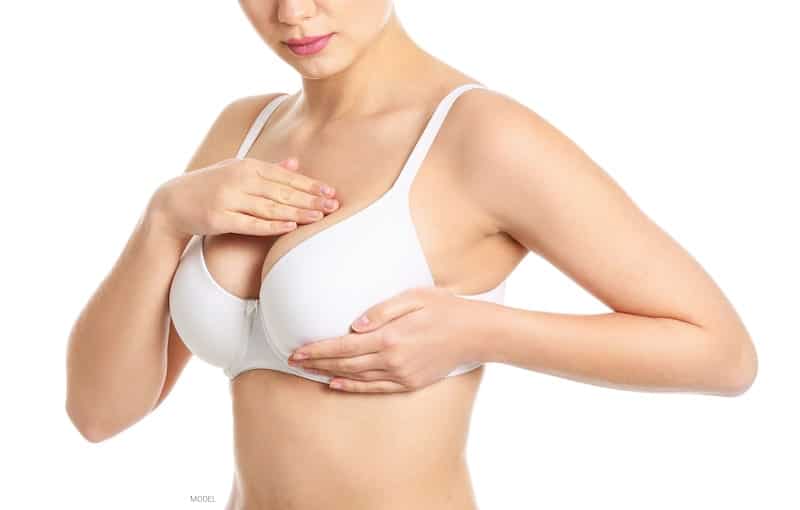
Fat grafting in breast reconstruction involves several key steps. First, the surgeon harvests fat from another part of the body. Common areas include the abdomen, thighs, or flanks. This process uses liposuction, which removes fat through a small incision.
Next, the harvested fat is processed. This step can involve using a centrifuge to refine and concentrate the fat. The centrifuge spins the fat at high speeds. This action separates the viable fat cells from blood and other fluids. The result is a concentrated amount of healthy fat ready for grafting.
After processing, the surgeon injects the fat into the breast area. This injection occurs through tiny incisions, minimizing scarring. The surgeon carefully places the fat to create a natural shape and volume.
Duration of Procedure
The duration of this procedure can vary significantly. Some cases may take under an hour, while others might last up to five hours. Factors influencing this time include the amount of fat needed and the complexity of the surgery. Surgeons plan accordingly to ensure optimal results.
Recovery Process
Recovery after fat grafting varies per individual. Patients may experience swelling and bruising in both the donor and recipient sites. These symptoms usually resolve within a few weeks. Surgeons often recommend wearing a supportive bra during recovery for comfort.
Patients should avoid strenuous activities for several weeks post-surgery. Following these guidelines ensures proper healing and optimal results.
Long-Term Results
The results of fat transfer breast augmentation can be quite satisfying. Many patients enjoy a more natural look compared to implants. However, some fat may be reabsorbed by the body over time. This absorption can lead to changes in breast size or shape.
Surgeons often discuss this possibility with patients beforehand. Some individuals may require additional sessions to achieve their desired outcome.
Benefits of Fat Grafting
Fat grafting offers several advantages over traditional implants:
- Natural Feel: Fat provides a softer texture.
- Dual Benefit: Patients remove unwanted fat from other areas.
- Reduced Risk: Lower risk of complications compared to implants.
These benefits make fat grafting an appealing option for many seeking breast reconstruction.
Type of Anesthesia
General Anesthesia
Most breast reconstruction procedures using fat grafting are performed under general anesthesia. This type of anesthesia helps keep patients completely unconscious and pain-free during surgery. It allows surgeons to work without interruption and ensures patient comfort throughout the operation.
General anesthesia typically involves a combination of medications that induce sleep and block pain. An anesthesiologist monitors the patient’s vital signs during the procedure. They ensure safety and adjust medication as needed. This close monitoring is crucial, especially in surgeries that can last several hours.
Local Anesthesia with Sedation
In some cases, minor procedures may use local anesthesia with sedation instead. Local anesthesia numbs only the specific area being treated. Patients remain awake but relaxed during the procedure. This option might be suitable for those who prefer not to undergo general anesthesia.
Local anesthesia can reduce recovery time and lower risks associated with general anesthesia. However, it may not be appropriate for all patients or all types of breast reconstruction surgeries. The choice depends on various factors, including the complexity of the procedure and patient health.
Discussing Options
Discussing anesthesia options with the surgeon is essential before surgery. Each patient has unique needs and preferences. Surgeons will evaluate individual medical histories and overall health to determine the best approach.
Patients should feel comfortable asking questions about the anesthesia process. Understanding what to expect can help reduce anxiety. A clear discussion about potential risks and benefits is vital for informed decision-making.
Surgeons often provide detailed information regarding what happens during anesthesia administration. They explain how long it may take to wake up after surgery and any side effects that might occur.
Understanding post-operative care related to anesthesia is important. Patients may need assistance at home after surgery, especially if they received general anesthesia. Recovery times vary, so knowing what to expect aids in planning.
Choosing the right type of anesthesia plays a significant role in overall surgical experience. Patients should weigh options carefully with their healthcare team. This collaboration ensures that each person receives tailored care suited to their situation.
Recovery from Fat Grafting
Timeline
Recovery from fat grafting typically spans several weeks. Swelling and bruising are common after the procedure. Most patients notice significant swelling in the first few days. This usually peaks around day three and then starts to decrease. Bruising may take longer to resolve, often lasting up to two weeks.
Patients can expect some discomfort during recovery. Pain levels vary, but most find it manageable with prescribed medications. The initial recovery period lasts about one week. After that, many patients feel ready to return to light activities.
Post-Procedure Care
Proper care is essential for a smooth recovery. Avoiding pressure on the breasts is crucial. This means not sleeping on your stomach or side for at least a month after surgery. Wearing a supportive bra can help minimize movement and discomfort.
Keeping the surgical area clean is also important. Follow your surgeon’s instructions on how to care for incisions. Patients should watch for signs of infection, such as increased redness or drainage.
Work and Exercise
Taking time off work is necessary for healing. Most patients need about 10 days away from their jobs. This allows the body to recover without added stress. Gradually returning to normal activities is key.
Light exercise can start around two weeks post-surgery. Activities like walking are beneficial and promote circulation. However, avoid high-impact workouts until cleared by the doctor.
Listening to your body during recovery is vital. If any unusual symptoms arise, contact your healthcare provider promptly.
Benefits of Fat Grafting
Natural Appearance
Fat grafting provides a natural look and feel for breast reconstruction. Surgeons use fat from the patient’s own body. This technique reduces the risk of rejection. The body accepts its own fat better than synthetic materials. Patients often report satisfaction with their results. They appreciate how the breasts appear and feel more authentic.
Fat transfer works by carefully injecting the harvested fat into the breast area. This method allows for precise shaping. The surgeon can contour the breast to match the patient’s desired outcome. Many patients find this approach less invasive than traditional implants. It also minimizes surgical scars.
Scar Correction
Fat grafting can effectively correct scarring and radiation-damaged skin. Patients who have undergone mastectomy or radiation therapy may experience significant skin changes. These changes can include tightness, discoloration, and uneven texture. Fat injections help to restore volume and elasticity in these areas.
Surgeons can target specific regions where scarring is present. They inject fat directly into these areas, improving both appearance and feel. As a result, patients enjoy smoother skin and reduced visibility of scars. This benefit enhances overall confidence in their body image.
Long-Lasting Effects
The positive effects of fat transfer are long-lasting. Once the injected fat establishes itself, it integrates with surrounding tissues. This leads to improved breast contours over time. Many patients find that their results remain stable for years.
Regular follow-ups with surgeons ensure that any necessary adjustments can be made. Some may require additional fat injections to maintain volume as the body ages. However, the initial results often last significantly longer than those achieved with implants.
Patients appreciate that they can achieve fuller breasts without foreign materials. This aspect contributes to a sense of comfort and satisfaction with their bodies.
Improved Contours
Fat grafting allows for customized shaping of the breasts. Each patient has unique needs and preferences regarding size and shape. Surgeons tailor their approach based on individual goals.
This technique also enables correction of asymmetry between breasts. Many women experience uneven breast sizes after surgery or due to natural aging processes. Fat transfer helps create balance and harmony in breast appearance.
Risks of Fat Grafting
Complications
Fat grafting carries potential complications. Bleeding can occur during or after the procedure. This may lead to hematoma formation, which requires further treatment. Infection is another risk that patients should consider. It can arise at the site where the fat was harvested or injected. Proper hygiene and following post-operative care guidelines help minimize this risk.
Scarring is also a concern. Any surgical procedure leaves scars, and fat grafting is no exception. Scars may form at both the donor site and the injection site. These scars can vary in appearance and may take time to heal fully.
Irregularities
Patients may experience irregularities after fat grafting. Uneven fat placement can result from various factors. The technique used by the surgeon plays a significant role in achieving symmetry. If not done carefully, some areas may appear fuller than others. This unevenness can affect the overall aesthetic outcome.
Certain individual factors can lead to irregular results. For instance, how well the body accepts the transplanted fat varies from person to person. Some patients might notice lumps or bumps under the skin as well.
Scarring and Calcification
Scarring and calcification are common after breast procedures, including fat grafting. Patients should be aware that these issues can arise even with minimal invasiveness. Scarring occurs as the body heals from surgery. It is essential to monitor any changes in scar tissue over time.
Calcification refers to calcium deposits that can form in the breast tissue after fat grafting. These deposits may appear on mammograms and could cause confusion during routine screenings. Regular follow-ups with healthcare providers are crucial for monitoring these changes.
Observaciones finales
Fat grafting is a game-changer in breast reconstruction. It offers a natural look and feel while minimizing scarring. You can achieve beautiful results with the right preparation and understanding of the process. Knowing the benefits and risks helps you make informed decisions about your body and health.
If you’re considering this option, consult with a qualified surgeon to discuss your goals. They can guide you through the journey, ensuring it aligns with your needs. Take charge of your reconstruction experience and explore how fat grafting can enhance your confidence and well-being. Your path to transformation starts now!
Frequently Asked Questions
What is fat grafting in breast reconstruction?
Fat grafting is a procedure that uses liposuction to remove fat from one area of your body and injects it into the breasts. It enhances volume and improves contour, making it a natural option for breast reconstruction.
How long does fat grafting last?
The results of fat grafting can last several years, but some fat may be reabsorbed by the body. Maintaining a stable weight can help preserve the results over time.
Is fat grafting safe?
Yes, fat grafting is generally considered safe when performed by a qualified surgeon. However, like any medical procedure, it carries some risks which should be discussed during your consultation.
How do I prepare for fat grafting?
Preparing for fat grafting includes consulting with your surgeon, discussing your medical history, and following pre-operative instructions. Staying healthy and avoiding smoking can also improve recovery outcomes.
What type of anesthesia is used during the procedure?
Fat grafting typically uses local anesthesia with sedation or general anesthesia, depending on the extent of the procedure and patient preference. Your surgeon will recommend the best option for you.
What are the benefits of fat grafting for breast reconstruction?
Benefits include a natural look and feel, minimal scarring, and the ability to contour other body areas simultaneously. Fat grafting can enhance aesthetic results while promoting healing after mastectomy.
How long is the recovery period after fat grafting?
Recovery from fat grafting usually takes about one to two weeks. Most patients can resume normal activities within a few days but should avoid strenuous exercise until cleared by their surgeon.