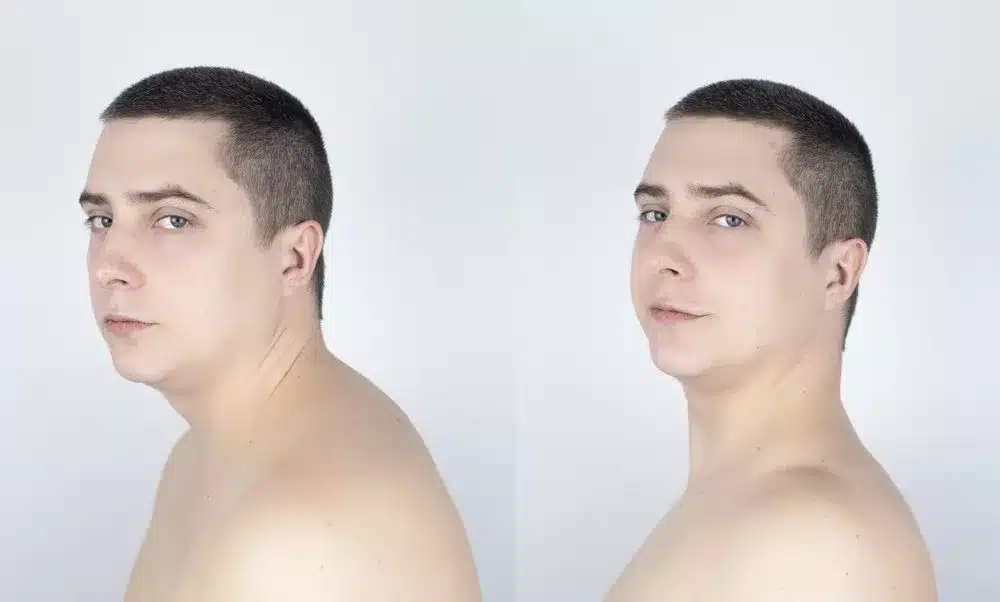
Liposuction for buffalo hump removal has gained popularity in recent years. This procedure targets excess fat accumulation on the upper back and neck, often linked to conditions like Cushing’s syndrome or obesity. Historically, liposuction emerged in the late 20th century as a cosmetic solution for body contouring. Today, it’s recognized not only for aesthetic improvement but also for health benefits. Many individuals seek this treatment to enhance their self-esteem and overall well-being. The process is minimally invasive, allowing for quicker recovery times compared to traditional surgeries. With advancements in technology, buffalo hump reduction surgery results are more effective and lasting than ever before. Understanding the benefits and options available can help you make informed decisions about your journey to a healthier appearance.
Key Takeaways
- Liposuction can effectively remove a buffalo hump, improving your appearance and self-confidence. Consider this option if you’re struggling with this condition.
- Understanding the causes of a buffalo hump, such as weight gain or hormonal changes, can help you address underlying issues before surgery.
- Familiarize yourself with the liposuction procedure steps to set realistic expectations and prepare for the surgery.
- Post-surgery recovery is crucial; follow tips provided in the article to ensure a smoother healing process and better results.
- To maintain your results long-term, adopt healthy lifestyle habits, including diet and exercise, as discussed in the longevity section.
- Consult with a qualified surgeon to discuss your specific situation and determine if liposuction is right for you.
Understanding Buffalo Hump
Definition
A buffalo hump is a localized fat deposit found on the upper back or neck. This condition creates a noticeable bulge that can vary in size. The excess fat accumulates in this area, leading to a pronounced hump. Many people may not realize how common this condition is until they notice it in themselves or others.
Effects on Posture
This prominent hump can significantly affect posture. Individuals with a buffalo hump often find themselves slouching or leaning forward. Poor posture can lead to discomfort and pain in the back and neck. Over time, these physical changes can contribute to chronic issues such as muscle strain.
Emotional Impact
The presence of a buffalo hump can also impact self-esteem and body image. Many individuals feel self-conscious about their appearance. They may avoid certain clothing styles or social situations due to embarrassment. This emotional burden can affect mental health and overall well-being.
Considering Removal
For those considering buffalo hump removal, several factors come into play. People often seek specialized buffalo hump reduction surgery for effective hump reduction. This procedure targets the localized fat deposits, helping to improve both appearance and comfort.
Recovery Process
Recovery from buffalo hump removal varies by individual. Patients typically experience some swelling and discomfort following the surgery. A follow-up with healthcare professionals ensures proper healing and addresses any concerns.
Long-Term Benefits
Many report positive changes after the procedure. Improved posture often leads to reduced pain and discomfort. Individuals frequently notice an increase in confidence and self-image.
Causes of Buffalo Hump
Medical Conditions
Cushing’s syndrome is a major cause of a buffalo hump. This condition occurs when the body has too much cortisol. Cortisol is a hormone that helps manage stress. When levels are high, fat can build up in specific areas, including the neck and upper back.
Other medical conditions may also contribute to this issue. For instance, certain endocrine disorders can lead to abnormal fat distribution. These conditions affect how the body processes hormones and can result in fatty humps.
Medications
Medications play a significant role in developing a buffalo hump. Steroids are among the most common culprits. They are often prescribed for inflammation or autoimmune diseases. Long-term use of these medications can lead to fat accumulation in the cervicodorsal area.
e other drugs can also contribute to this problem. Antiretroviral medications used for HIV treatment have been linked to changes in fat distribution. Patients taking these drugs may notice an increase in fatty deposits around the neck.
Lifestyle Factors
Lifestyle choices influence the development of a buffalo hump as well. Obesity is a key factor. Excess weight can lead to increased fat storage in various body parts, including the upper back and neck area.
Alcohol use is another contributor. Heavy drinking can disrupt hormone levels and promote fat gain. This can result in more noticeable fatty humps over time.
Poor posture also plays a role in creating the appearance of a buffalo hump. Slouching or leaning forward frequently can cause muscle imbalances in the upper body. Over time, this leads to changes in how fat is distributed around the neck and back.
Summary
Buffalo humps arise from various causes, including medical conditions like Cushing’s syndrome, certain medications, and lifestyle factors such as obesity and alcohol use. Understanding these causes helps individuals identify potential risks. It also aids healthcare providers in determining appropriate buffalo hump treatments.
Recognizing these factors is essential for those seeking solutions like buffalo hump removal procedures or buffalo hump reduction surgery. Consulting with buffalo hump removal specialists can provide guidance on effective treatment options tailored to individual needs.
Liposuction Overview
Procedure Type
Liposuction is a minimally invasive procedure designed for fat removal. It targets specific areas of the body, including the neck region. This method removes excess subcutaneous fat that contributes to a buffalo hump. Surgeons use small incisions to insert a thin tube called a cannula. The cannula breaks up fat cells and suction them out.
Effectiveness
Buffalo hump liposuction surgery effectively reshapes the cervical fat pad. Patients often seek this procedure to improve their appearance. Many report high satisfaction rates after treatment. The results can enhance self-confidence and comfort in daily activities.
Popularity Factors
This technique has gained popularity for several reasons. One significant factor is the minimal scarring involved. Surgeons make small incisions, which heal quickly and leave little visible marks.
Another reason is the quick recovery times associated with buffalo hump liposuction. Most patients return to normal activities within a few days. This allows individuals to resume their routines without long downtimes.
Recovery Process
Recovery from buffalo hump liposuction varies by individual. Patients may experience some swelling and bruising initially. However, these symptoms usually diminish within a week or two. Following post-operative care instructions is crucial for optimal healing.
Surgeons often recommend wearing compression garments during recovery. These garments help reduce swelling and support the healing process. Most people can expect to see final results within three to six months.
Risks and Considerations
While liposuction is generally safe, it carries some risks like any surgical procedure. Possible complications include infection, uneven contours, or changes in skin sensation. Discussing these risks with a qualified surgeon before the procedure is essential.
Surgeons should assess each patient’s overall health before performing buffalo hump liposuction. Factors such as excess body weight can impact eligibility for surgery. A thorough consultation helps determine if this procedure is appropriate.
Liposuction Procedure Steps
Consultation
A thorough consultation is essential before liposuction. The surgeon evaluates the patient’s medical history and physical condition. This assessment helps determine if the patient is a good candidate for the procedure. During this meeting, the doctor discusses the risks and benefits of buffalo hump removal. Patients should ask questions about what to expect.
Surgeons may also take photographs for reference. They will explain the technique used, which is often power-assisted liposuction. This method involves using a specialized device that makes fat removal easier. The doctor will provide instructions on how to prepare for surgery. This may include avoiding certain medications and stopping smoking.
Power-Assisted Liposuction Steps
Power-assisted liposuction (PAL) involves several steps. First, the surgeon marks the area around the buffalo hump on the neck. Next, they administer anesthesia to ensure comfort during the procedure. Local anesthesia numbs the treatment area, while sedation can help patients relax.
Once prepared, the surgeon makes small incisions in the marked areas. A thin tube called a cannula is inserted through these incisions. The cannula is connected to a machine that vibrates rapidly. This vibration helps break up fat cells for easier removal.
The surgeon then moves the cannula back and forth to suction out the fat. This process continues until they achieve the desired contour of the neck area. The entire procedure usually takes about one to two hours, depending on how much fat needs to be removed.
After completing the suctioning, the surgeon closes the incisions with stitches or adhesive strips. They may place bandages over the treated areas to protect them.
Post-Procedure Care
Post-procedure care is crucial for healing after liposuction. Patients receive detailed instructions from their surgeons. These instructions typically include rest and limited physical activity for several days.
Swelling and bruising are common after surgery. Patients should wear compression garments as recommended. These garments help reduce swelling and support healing.
Surgeons advise patients to avoid strenuous activities for at least two weeks. Pain medications may be prescribed to manage discomfort during recovery. It’s important to follow all post-operative instructions carefully.
Monitoring for signs of infection is vital too. Patients should contact their surgeon if they notice increased redness, swelling, or discharge from incisions.
Surgery Expectations
Immediate Results
Liposuction for buffalo hump removal offers immediate results. Patients often notice a difference right after the surgery. The area feels flatter, and the neckline appears more comfortable. However, swelling can mask these initial changes. Full results may take weeks to show as the body heals.
Long-term Outcomes
Long-term results depend on several factors. Weight maintenance plays a crucial role. Gaining weight after liposuction can affect the treated area. Patients should adopt a healthy lifestyle for lasting effects. This includes regular exercise and a balanced diet.
Risks and Complications
Like any surgical procedure, risks exist with liposuction. Common complications include infection, bleeding, and scarring. Some patients experience operative discomfort during recovery. Rarely, serious issues such as blood clots can occur. Discussing these concerns with a medical professional is essential before surgery.
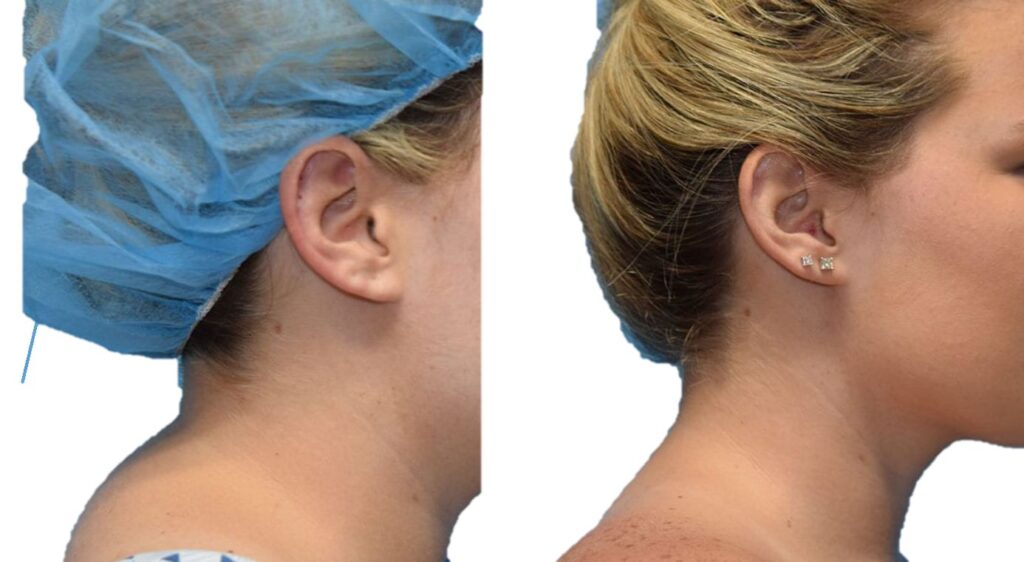
Postoperative Care
Following postoperative care guidelines is vital for recovery. Surgeons provide specific instructions to ensure healing. Patients should avoid strenuous activities for several weeks. Wearing compression garments helps reduce swelling and supports the area.
Ignoring aftercare can lead to complications or unsatisfactory results. Regular follow-up appointments allow the surgeon to monitor progress. Patients should report any unusual symptoms immediately.
Medical Concerns
Certain medical concerns can affect candidacy for liposuction. Conditions like heart disease or diabetes may complicate surgery. A comprehensive evaluation is necessary before proceeding. Surgeons assess overall health to minimize risks.
Orthopedic Conditions
Individuals with orthopedic conditions must also consider their situation carefully. Issues like joint pain or mobility challenges can impact recovery. Surgeons may recommend alternative treatments based on individual circumstances.
Emotional Considerations
Patients often have emotional expectations tied to surgery outcomes. While liposuction can enhance physical appearance, it does not solve underlying issues related to body image or self-esteem. It’s important to have realistic expectations about how this surgery will affect one’s life.
Recovery Process and Tips
Pain Management
Managing pain and discomfort is crucial during the initial recovery phase after liposuction. Patients often experience swelling, bruising, and soreness in the treated area. Over-the-counter pain relievers can help. Doctors may also prescribe stronger medication if necessary.
Rest plays a significant role in recovery. Lying down and avoiding strenuous activities helps reduce discomfort. Ice packs applied to the area can also alleviate swelling. Apply ice for 20 minutes at a time, taking breaks in between.
Compression Garment
Wearing a compression garment is essential after the procedure. This garment supports the healing process by reducing swelling and providing comfort. It helps the skin adhere to the new contours of the body.
Patients should wear this garment as instructed by their surgeon. Usually, it is recommended to wear it for several weeks post-surgery. The garment promotes blood circulation, which aids in healing. It also minimizes movement in the area, allowing for better recovery.
Lifestyle Adjustments
Making lifestyle adjustments can facilitate a smooth recovery process. Staying hydrated is vital. Drinking plenty of water helps flush out toxins and reduces swelling.
A balanced diet rich in vitamins and minerals supports healing. Focus on consuming fruits, vegetables, lean proteins, and whole grains. Avoid processed foods that can lead to inflammation.
Light activity can benefit recovery as well. Gentle walking promotes blood flow without straining the body. Patients should avoid heavy lifting or intense workouts for several weeks.
Emotional well-being matters too. Many patients feel anxious about their appearance post-surgery. Support from friends or family can be helpful during this period. Consider joining online support groups where experiences are shared.
Follow-Up Care
Regular follow-up appointments with the surgeon are important for monitoring progress. These check-ups allow doctors to assess healing and address any concerns.
Surgeons may recommend specific exercises or stretches as recovery progresses. Following these guidelines ensures optimal results from the surgery.
In summary, managing pain effectively, wearing a compression garment, and making thoughtful lifestyle changes are key components of recovery after buffalo hump removal through liposuction. By focusing on these areas, patients can enhance their healing process and achieve their desired outcomes more quickly.
Longevity of Results
Addressing Causes
Underlying causes play a significant role in the formation of a buffalo hump. Conditions like Cushing’s syndrome or obesity can contribute to this issue. If these conditions are not treated, the buffalo hump may return after liposuction. Understanding and addressing these causes is crucial for long-term success.
Weight Maintenance
Maintaining a stable weight is vital for preserving results after liposuction. Weight fluctuations can lead to changes in body shape. Patients who gain weight after the procedure may notice a recurrence of the buffalo hump. Following a healthy diet and regular exercise can help keep weight in check. This commitment supports lasting results from the surgery.
Follow-Up Appointments
Regular follow-up appointments with healthcare providers are essential. These visits allow for monitoring recovery and assessing any changes in health status. Healthcare providers can offer guidance on lifestyle choices that support overall well-being. They can also help identify any potential issues early on. Staying connected with your provider enhances the chances of maintaining positive outcomes.
Lifestyle Changes
Adopting lifestyle changes can further enhance the longevity of liposuction results. A balanced diet rich in nutrients supports skin elasticity and overall health. Regular physical activity strengthens muscles and improves posture, which can help maintain body shape. Avoiding smoking and excessive alcohol consumption also promotes better healing and health.
Psychological Support
Psychological support is another key aspect of maintaining results. Emotional well-being affects how individuals perceive their bodies post-surgery. Seeking counseling or joining support groups can provide valuable resources for coping with changes. This support helps individuals adjust to their new appearance and reinforces positive habits.
Real-Life Examples
Many patients report satisfaction with their results when they actively manage their health post-surgery. For instance, one patient shared that consistent exercise helped her maintain her new shape after liposuction. She emphasized how staying active made her feel more confident in her appearance.
Another individual noted that regular check-ins with his doctor kept him accountable for his health goals. He found that discussing challenges helped him stay motivated to stick to his plan.
By focusing on these elements, patients can increase the longevity of their liposuction results. A proactive approach leads to better outcomes and enhanced quality of life.
Maintaining Results Post-Surgery
Balanced Diet
A balanced diet plays a crucial role in maintaining results after liposuction for buffalo hump removal. Eating nutritious foods helps the body heal and prevents weight gain. Focus on fruits, vegetables, lean proteins, and whole grains. These foods provide essential vitamins and minerals.
Regular meals support metabolism. Avoid processed foods high in sugar or fat. They can lead to weight gain and affect the treated area. Staying hydrated is also important. Drink plenty of water throughout the day. This supports overall health and aids recovery.
Regular Exercise
Incorporating regular exercise into daily life is vital for sustaining results. Physical activity helps maintain a healthy weight and improves posture. Aim for at least 150 minutes of moderate aerobic activity each week. Activities like walking, swimming, or cycling are beneficial.
Strength training exercises help build muscle and improve body shape. Focus on exercises that strengthen the upper back and neck muscles. This can counteract poor posture, which may contribute to a buffalo hump. Simple stretches can also relieve tension in the posterior neck area.
Ongoing Medical Management
Ongoing medical management addresses any related conditions that may arise after surgery. Conditions like obesity or hormonal imbalances can impact results. Regular check-ups with healthcare providers ensure these issues are managed effectively.
Discussing any concerns with a doctor is important. They can recommend treatments or lifestyle changes to keep health in check. Staying informed about one’s health status leads to better outcomes post-surgery.
Periodic Evaluations
Periodic evaluations help monitor changes in the treated area over time. Scheduling follow-up appointments with a surgeon is essential for assessing results. These visits allow for professional advice on maintaining appearance and health.
If any changes occur, such as weight fluctuations or discomfort, report them to your doctor immediately. Early intervention can prevent complications and ensure long-term satisfaction with the results.
Emotional Support
Emotional support is often overlooked but equally significant in recovery. Joining support groups or seeking counseling can help manage feelings about body image after surgery. Sharing experiences with others who have undergone similar procedures provides comfort.
Family and friends also play a key role in emotional well-being post-surgery. Their encouragement helps maintain motivation for a healthy lifestyle.
Últimas Consideraciones
Liposuction for buffalo hump removal can be a game-changer for many. Understanding the causes and the procedure helps you make informed decisions. You’ve learned what to expect during surgery and how to maintain results. This knowledge empowers you to take control of your health and appearance.
If you’re considering this procedure, consult with a qualified professional. They can guide you through your options and create a personalized plan. Your journey to feeling confident in your skin starts now. Don’t hesitate—take the first step today!
Frequently Asked Questions
What is a buffalo hump?
A buffalo hump is a fatty deposit that forms at the back of the neck, often associated with certain medical conditions or lifestyle factors. It can affect appearance and self-esteem.
How does liposuction help with buffalo hump removal?
Liposuction effectively removes excess fat from the buffalo hump area, improving contour and enhancing overall appearance. This minimally invasive procedure provides quick results with minimal downtime.
Is liposuction safe for buffalo hump removal?
Yes, when performed by a qualified surgeon, liposuction is generally safe. It’s essential to choose an experienced professional to minimize risks and ensure optimal results.
What should I expect during the liposuction procedure?
During the procedure, local anesthesia is administered. The surgeon makes small incisions, inserts a cannula, and gently removes fat. The process typically lasts one to three hours.
How long is the recovery process after liposuction?
Recovery varies but usually takes about one to two weeks. Most patients can return to light activities within a few days. Follow your surgeon’s post-operative care instructions for best results.
Will the results of liposuction last?
Yes, results can be long-lasting if you maintain a stable weight and healthy lifestyle. However, significant weight gain can lead to fat accumulation in the treated area.
How can I maintain my results after surgery?
To maintain your results, focus on a balanced diet and regular exercise. Staying hydrated and avoiding smoking also contributes to lasting outcomes post-surgery.