
Choosing the right compression garments post-BBL can make or break your recovery. The wrong fit can lead to discomfort and complications for liposuction patients, while the right one promotes healing, enhances results, and achieves an attractive body contour with proportional buttocks, according to plastic surgery research. It’s essential to understand what to look for in a garment.
Not all compression wear is created equal. Some provide targeted support, while others may be too loose or tight. Materials, sizing, and design play crucial roles in effectiveness. Finding the perfect fit ensures you feel comfortable and supported during your healing journey. This guide will help you navigate through options, making your selection process easier and more informed, including considerations for a butt lift.
Key Takeaways
- Prioritize Compression: Understand that wearing compression garments after a BBL for your butt is crucial for reducing swelling and promoting healing. Make it a part of your recovery routine.
- Select the Right Type: Choose a garment specifically designed for post-surgery use, butt. Look for options that provide adequate support and comfort based on your unique needs.
- Know Compression Levels: Familiarize yourself with different compression levels. Higher levels may be necessary in the early stages of recovery, but lower levels can be suitable as healing progresses, butt.
- Ensure Proper Fit: Take accurate measurements to find a garment that fits well. A proper fit is essential for effectiveness and comfort during your recovery.
- Avoid Common Pitfalls: Stay away from garments that are too tight or too loose, as these can hinder your recovery. Always follow your surgeon’s recommendations regarding the compression garment.
- Follow Recovery Tips: Incorporate additional recovery strategies, such as hydration and rest, to enhance the benefits of wearing compression garments after your BBL.
Importance of Compression After Surgery
Healing Support
Compression garments play a crucial role in recovery after butt lift surgery. They help reduce swelling and support the healing process. Wearing these specialized garments can enhance your overall results. Many plastic surgeons recommend their use to maintain the shape achieved through the procedure.
Swelling is a common side effect following surgeries like gluteal augmentation surgery. Compression helps manage this by applying consistent pressure to the area. This pressure minimizes fluid buildup and encourages better circulation. As a result, patients often experience less discomfort during recovery.
24/7 Wear
Patients must wear compression garments 24/7 during the initial recovery phase. This may seem uncomfortable or unfashionable, but it is essential for optimal healing. The initial weeks post-surgery are critical for ensuring the best outcomes.
Not adhering to this guideline can lead to complications. For example, inadequate compression may result in excessive swelling or uneven results. Following your surgeon’s advice on wearing these garments will help you achieve your desired look.
Fat Preservation
Compression garments also play a vital role in preserving transferred fat after procedures like fat grafting. During bbl surgery, fat is injected into the buttocks from other body areas. Maintaining pressure on these areas helps ensure that the fat cells survive and integrate properly.
Studies show that proper compression can improve surgical outcomes. According to recent plastic surgery research, patients who wear compression garments report higher satisfaction levels with their results. This highlights the importance of these garments in enhancing the effectiveness of buttocks enhancement procedures.
Psychological Impact
Wearing compression garments can have psychological benefits as well. Knowing that you are taking steps to care for your body can boost confidence during recovery. Many patients feel more secure and comfortable when they adhere to their post-operative care plan.
Compression garments can provide a sense of support, both physically and emotionally. They remind patients of their investment in themselves and their bodies. This mindset can be important as they navigate the challenges of recovery.
How to Choose the Right Garment
Covering Areas
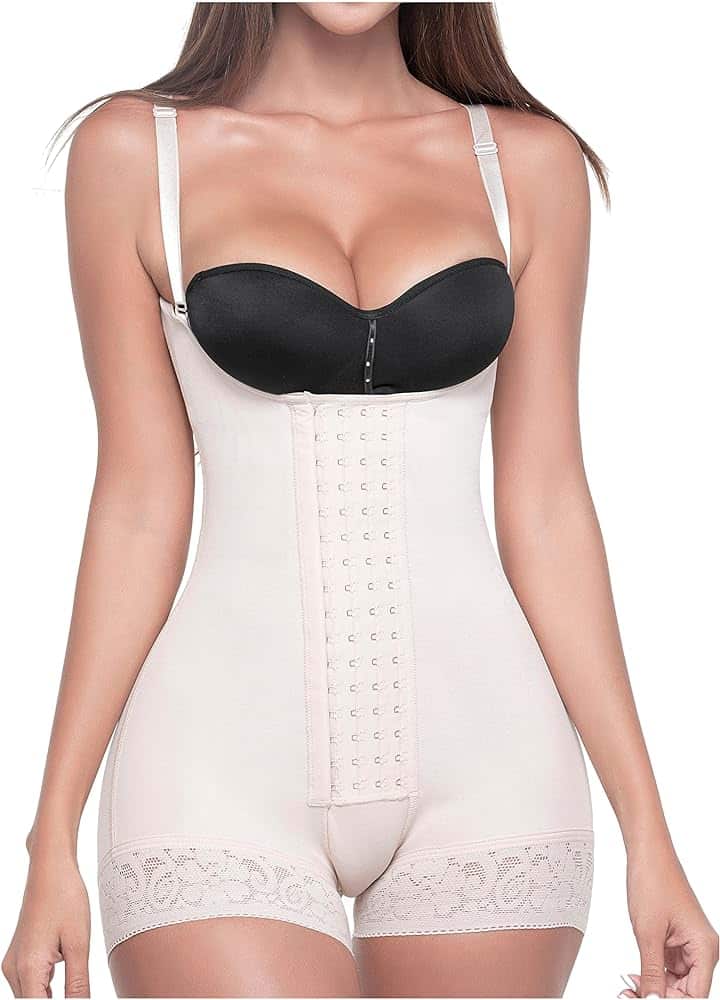
Select a garment that covers both the legs and buttocks. This ensures optimal support during recovery. Compression garments help maintain shape after a Brazilian Butt Lift (BBL). They provide necessary pressure to the treated areas. This pressure aids in healing and helps reduce swelling.
A full-body garment or leggings can be effective. These options offer significant coverage. They also allow for easy movement. Look for styles that fit snugly without being too tight. The right fit will promote blood circulation while preventing discomfort.
Material Matters
Ensure the garment is made from breathable, high-quality materials. Breathable fabrics help prevent skin irritation. This is especially important after surgery when skin is sensitive. Materials like nylon or spandex are often good choices. These fabrics stretch well and maintain their shape.
Avoid garments made from rough or irritating materials. Such fabrics can cause rashes or other skin issues. A soft lining can enhance comfort during wear. Always check product descriptions for details on fabric composition.
Consult Your Surgeon
Consult with your surgeon for recommendations tailored to your specific needs. Surgeons often have preferred brands or styles of compression garments. They understand what works best for different body types and surgeries.
Surgeons may suggest specific measurements for the best fit. Follow their advice closely to ensure you choose correctly. Getting the right size is crucial for effectiveness. A poorly fitting garment can lead to complications during recovery.
Consider Your Lifestyle
Think about your daily activities when choosing a garment. If you plan to be active, select something flexible and comfortable. Leggings with moisture-wicking properties can be beneficial for those who exercise regularly.
For more sedentary lifestyles, any supportive garment might work well. The key is to find something that feels good throughout the day. Comfort plays an important role in ensuring you wear it consistently.
Post-Surgery Care
After surgery, wearing compression garments is essential for recovery. They help shape your body while reducing swelling and discomfort. Consistent use of these garments can lead to better results.
Wearing them as instructed by your surgeon aids in achieving a shapely body post-surgery. It’s important to follow all care instructions provided by your medical team.
Understanding Compression Levels
Compression Types
Compression garments come in three main types: light, moderate, and firm. Each type serves a different purpose during recovery.
Light compression is often used in the initial stages. It provides gentle support and comfort. This level helps reduce swelling without restricting blood flow. Women recovering from surgeries may find this style beneficial as it allows for easier movement while still offering some support.
Moderate compression is suitable for later stages of recovery. This level provides more support than light compression. It helps to control swelling more effectively. Many women prefer this style as they start resuming normal activities. Moderate garments can aid in contouring the body after surgery.
Firm compression offers the highest level of support. This type is critical for those who need significant control over swelling and shape. However, excessive pressure can be harmful. It may hinder blood flow and affect fat graft survival after procedures like Brazilian Butt Lifts (BBL).
Recovery Needs
Choosing the right compression level depends on individual recovery needs. Surgeons typically recommend light compression immediately after surgery. This approach helps manage pain and discomfort. As recovery progresses, the need for more support increases.
Moderate compression becomes essential as swelling decreases but still requires control. The transition to firm compression usually occurs around two weeks post-surgery, depending on personal healing rates.
Understanding these levels is crucial for effective recovery. Following professional guidance ensures that individuals select the appropriate garment for their specific stage of healing.
Risks of Excessive Compression
Excessive compression can cause serious issues. When garments apply too much pressure, they restrict blood flow. This restriction can lead to complications such as seromas or poor fat graft survival rates.
It’s vital to listen to your body during recovery. If discomfort arises from wearing a garment, adjustments may be necessary. Monitoring how the body responds will help determine if the compression level is appropriate.
Professional Guidance
Consulting with healthcare professionals is essential when choosing compression garments. Surgeons provide personalized recommendations based on surgical techniques and individual needs.
Following their advice leads to better outcomes during recovery. Professionals assess factors such as swelling, pain levels, and overall healing progress. They guide patients in selecting the correct style and compression level at each stage.
Identifying Proper Fit
Comfort Level
Compression garments must fit snugly. A proper fit ensures effective support for the buttock area after procedures like a butt lift. The garment should not cause discomfort or excessive pressure. It’s important to find a balance between compression and comfort. Too tight can lead to irritation, while too loose may not provide adequate support.
Regular inspections of the skin are crucial. Look for signs of irritation or pressure marks. These indicators suggest that adjustments are necessary. If you notice any issues, consider trying a different size or style. This ensures optimal comfort while maintaining an attractive body contour.
Size Matters
Choosing the correct size is essential. Most brands offer sizing charts based on measurements of the waist, hips, and thighs. Measure these areas accurately before purchasing. A well-fitted garment enhances the appearance of a slimmer waistline and provides extra lift to the butt.
Many women opt for body shapers designed specifically for post-operative care. These garments often feature targeted compression zones. They help achieve proportional buttocks and enhance overall body shape.
Material Selection
The material of the compression garment plays a significant role in comfort and effectiveness. Look for breathable fabrics that wick moisture away from the skin. Materials like nylon and spandex blend provide stretch and support without sacrificing comfort.
Innovative designs also incorporate seamless technology. This reduces friction against the skin, minimizing the risk of irritation. Such features are particularly beneficial for those recovering from procedures involving fat transfer or artificial implants.
Mobility Considerations
Mobility is another factor to consider when selecting a compression garment. It should allow freedom of movement during daily activities. You should be able to walk, sit, and bend without restriction.
Finding a garment that supports active lifestyles is key for many curvy women. Compression wear should not hinder exercise routines or casual outings. It’s important to maintain an active lifestyle post-surgery, which aids in recovery.
Post-Op Care
Post-operative care includes wearing your compression garment as directed by your healthcare provider. This helps with healing and maintains the new contours of your body after surgery. Consistent use can reduce swelling and promote proper blood circulation around fat cells.
In summary, identifying the proper fit for compression garments requires attention to detail. Focus on comfort, size, material, and mobility to ensure effective recovery after procedures like a butt lift. Regular checks for skin irritation keep you on track for optimal results.
Avoiding Common Mistakes
Sitting Position
Avoid sitting directly on the buttocks after your procedure. This can cause discomfort and affect your healing. Use supportive pillows to cushion yourself. This helps in distributing weight away from the area that needs recovery.
Sitting improperly can lead to complications. It may also change the appearance of your new curves. Following this advice is crucial for maintaining the results of your surgery.
Clothing Choices
Refrain from wearing tight-fitting clothes like jeans too soon after surgery. These garments can restrict blood flow and hinder recovery. Instead, opt for loose clothing that allows your skin to breathe.
Compression garments are essential, but they should fit properly without being overly tight. Choose options that support your curves without causing discomfort.
Compression Duration
Do not neglect the recommended duration for wearing the compression garment. Surgeons typically advise wearing them for several weeks post-surgery. This time frame is vital for reducing swelling and ensuring proper contouring.
Failure to wear the garment as instructed can lead to excess fat accumulation in unwanted areas, such as the thighs or love handles. It can also affect how well your body adjusts to its new shape.
Exercise Considerations
Avoid intense workouts like gym squatting or using a stair climber too soon after surgery. These activities can strain your body and disrupt healing. Focus on gentle movements instead.
Once cleared by your medical team, gradually ease into exercise routines. Start with light stretches and walking before progressing to more strenuous activities. This will help maintain curves while respecting your body’s limits.
Listening to Your Body
Pay attention to any signs of trouble during recovery. If you experience pain or unusual swelling, contact your team immediately. They can provide guidance tailored to your situation.
Remember, patience is key during this recovery phase. Allow your body to adjust to its new shape without rushing back into old habits.
Support System
Having a strong support system can make a difference in your recovery journey. Friends and family can help remind you of these guidelines and keep you motivated.
Consider joining online groups where others share their experiences post-procedure. Hearing about their challenges can help you avoid common mistakes and stay focused on your goals.
Tips for Effective Recovery
Sleep Comfortably
Sleep is crucial for recovery. It helps the body heal after surgery. Sleeping on your stomach or sides can be uncomfortable initially. Use body pillows to support your body. These pillows provide extra comfort and help maintain a proper position. Proper sleep can also aid in fat loss during recovery.
Gradual Activity
Resuming regular activities is important but should be done gradually. Follow the post-op guidelines provided by your surgeon. Start with light activities, such as walking. This keeps circulation flowing and aids healing. Avoid strenuous exercises until your doctor gives the green light. Rushing back can lead to complications that hinder your results.
Open Communication
Maintaining open communication with your surgeon is vital. Discuss any concerns or discomfort you experience during recovery. Your surgeon can provide guidance tailored to your situation. They may adjust your recovery plan based on your feedback. This proactive approach ensures a smoother healing process.
Compression Garments
Wearing the right compression garments is essential post-bbl. These garments help shape and support the treated areas, promoting optimal results. They assist in reducing swelling and encourage skin retraction. Choosing garments that fit well enhances comfort and effectiveness.
Nutrition Matters
Focus on nutrition to support recovery. Eating a balanced diet promotes healing and can aid in fat transfer techniques. Include plenty of fruits, vegetables, lean proteins, and whole grains in your meals. Staying hydrated also plays a key role in recovery.
Monitor Changes
Keep an eye on any changes in your body during recovery. Swelling may occur, but it should gradually decrease over time. If swelling persists or worsens, contact your surgeon immediately. Understanding what is normal helps you feel more at ease during recovery.
Emotional Support
Recovery can be emotionally challenging. Surround yourself with supportive friends and family members who understand what you’re going through. Sharing your experiences can lighten the burden and provide encouragement.
Follow-Up Appointments
Attend all scheduled follow-up appointments with your surgeon. These visits allow for monitoring of your progress and addressing any issues that may arise. Your surgeon will evaluate how well you are healing and make necessary adjustments to your care plan.
Pensamientos Finales
Choosing the right compression garment post-BBL is crucial for your recovery. It supports healing, reduces swelling, and enhances your results. By understanding the importance of fit and compression levels, you can avoid common mistakes that might hinder your progress.
Prioritize your comfort and well-being during this healing journey. Take the time to select a garment that meets your specific needs. Remember, the right choice can make all the difference in your recovery experience. Don’t hesitate to consult with your surgeon for personalized recommendations. Your body deserves the best care possible. Start your journey to a smoother recovery today!
Frequently Asked Questions
What are compression garments, and why are they important after BBL?
Compression garments support healing by reducing swelling and promoting blood circulation post-surgery. They help maintain the shape of your body and enhance comfort during recovery.
How do I choose the right compression garment for post-BBL?
Select a garment based on your surgeon’s recommendations, size, and compression level. Ensure it fits snugly but isn’t overly tight to allow for proper circulation.
What compression levels should I look for in a garment?
Most post-BBL garments offer light to moderate compression. Consult your surgeon to determine the best level for your specific needs and recovery stage.
How can I ensure my compression garment fits properly?
Check that the garment covers all necessary areas without gaps or excessive tightness. It should feel secure yet comfortable, allowing easy movement.
What common mistakes should I avoid when using compression garments?
Avoid choosing the wrong size or skipping usage during recovery. Don’t wash them with harsh detergents, as this can damage the fabric and reduce effectiveness.
How long should I wear my compression garment after surgery?
Typically, you should wear it 24/7 for at least 4-6 weeks. Follow your surgeon’s guidance for personalized recommendations based on your healing progress.
Can I wear my compression garment while exercising?
It’s generally safe to resume light activities once cleared by your surgeon. However, avoid high-impact exercises until fully healed to prevent complications.