
Fat grafting is gaining attention for its potential benefits in treating autoimmune diseases. This innovative procedure involves transferring fat from one part of the body to another, promoting healing and reducing inflammation. Historically, fat grafting has been used primarily in cosmetic surgery. Recent studies show it may also help patients with conditions like lupus and rheumatoid arthritis. Researchers are exploring how the regenerative properties of fat can improve symptoms and enhance quality of life. As interest grows, understanding the link between fat grafting and autoimmune diseases becomes vital for patients seeking alternative treatments. This post will dive into the benefits, risks, and emerging research surrounding regenerative fat grafting, total facial autologous fat grafting, and fat injection as this promising approach.
Key Takeaways
- Fat grafting can be a beneficial option for patients with autoimmune diseases, offering a natural alternative to synthetic implants.
- Understanding the regenerative properties of fat grafting helps in making informed decisions about treatment options for autoimmune conditions.
- Research indicates that fat grafting may improve symptoms and quality of life in patients with conditions like scleroderma.
- Always weigh the potential benefits against risks; consult with a healthcare professional to discuss individual health situations before proceeding.
- Stay updated on ongoing research to understand the latest findings regarding fat grafting and its effects on autoimmune diseases.
- Consider the unique advantages of fat grafting over silicone implants, especially in terms of biocompatibility and reduced risk of rejection.
Understanding Fat Grafting
Definition
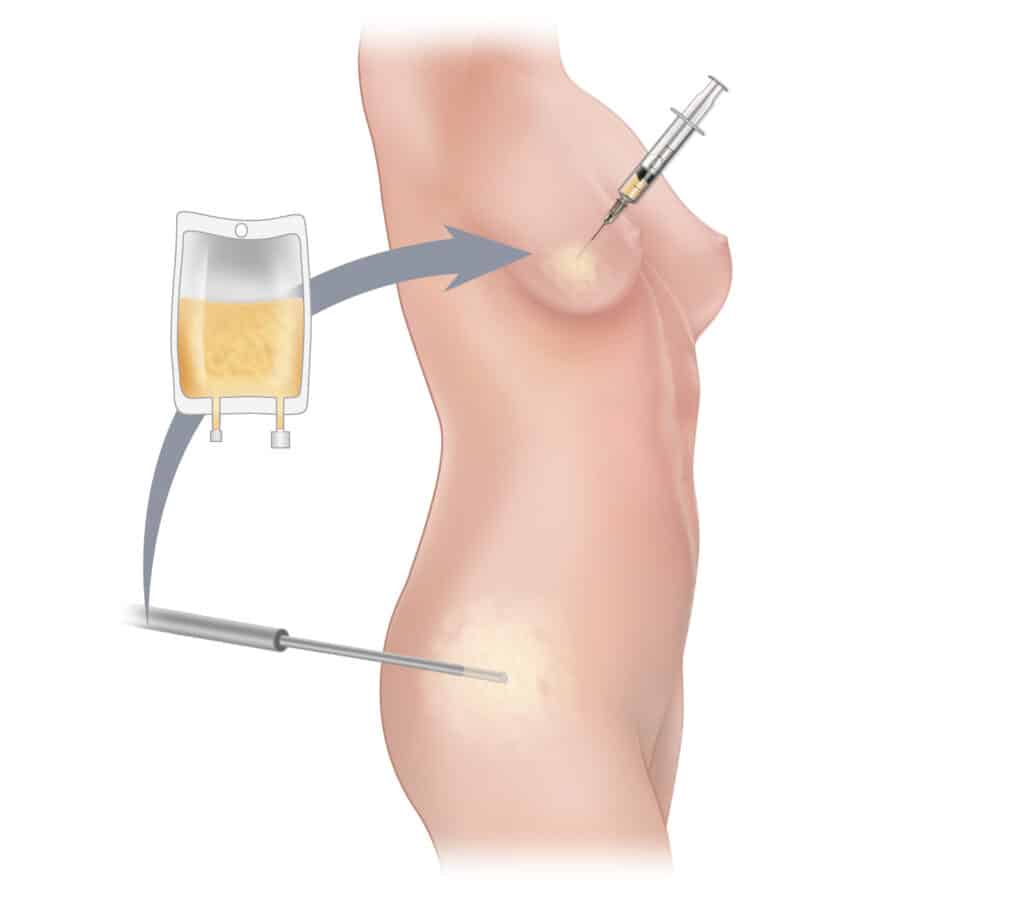
Fat grafting is a surgical procedure. It involves the transfer of fat from one part of the body to another. Surgeons use this technique to enhance volume in areas like the face, breasts, or buttocks. The process starts with liposuction. Doctors graft fat from areas such as the abdomen or thighs. They then purify this fat before injecting it into the desired area.
Role of Stem Cells
Adipose-derived stem cells play a crucial role in fat grafting. These graft cells come from the fat tissue removed during the procedure. They have unique properties that promote tissue regeneration. This means they can help heal and restore damaged tissues effectively. Studies show that these stem cells can improve the survival rate of transplanted fat. They also enhance skin quality and elasticity.
Cosmetic Uses
Fat transfer has many cosmetic applications. One common use is facial rejuvenation. As people age, they lose volume in their faces. Fat grafting helps restore this lost volume, leading to a more youthful appearance. Surgeons also use fat grafting for breast augmentation. Patients prefer total facial autologous fat grafting because it uses their own tissue instead of implants, highlighting regenerative fat grafting.
Reconstructive Surgery
In reconstructive surgery, fat grafting serves an essential purpose. It helps patients recover from trauma or surgery. For example, patients who undergo mastectomy may choose fat grafting to reconstruct their breasts. This method provides a natural look and feel compared to implants, utilizing total facial autologous fat grafting and regenerative fat grafting.
Surgeons also use regenerative fat grafting and total facial autologous fat grafting after accidents or injuries that result in soft tissue loss. Fat transfer can fill in defects and improve overall aesthetics.
Benefits and Risks
Fat grafting offers several benefits. It uses the patient’s own tissue in total facial autologous fat grafting and regenerative fat grafting, reducing the risk of rejection. The results are often long-lasting and natural-looking. However, there are risks involved as well. Possible complications include infection, uneven results, or absorption of fat by the body.
Patients should discuss these risks of total facial autologous fat grafting and regenerative fat grafting with their doctors before proceeding.
Fat Grafting as Regenerative Surgery
Regenerative Technique
Fat grafting serves as a regenerative technique due to its unique cellular components. Adipose tissue contains not only fat cells but also stem cells and growth factors. These elements play a vital role in tissue regeneration. They promote healing and stimulate the body’s natural repair mechanisms through regenerative fat grafting and total facial autologous fat grafting.
Studies show that these cells can enhance the survival of grafts in regenerative fat grafting and total facial autologous fat grafting. They contribute to spontaneous tissue regeneration in the area where they are injected. This regenerative ability makes fat grafting an appealing option for various medical and cosmetic applications.
Less Invasive Approach
This method is less invasive compared to traditional surgical techniques. Traditional surgeries often require larger incisions, fat grafts, and longer recovery times. Fat grafting, however, uses small incisions to harvest fat from areas like the abdomen or thighs. The process involves liposuction, which is minimally invasive.
Patients usually experience less pain and quicker recovery with fat transplantation. The risks associated with larger surgeries are also reduced. Many patients prefer this approach for cosmetic augmentation, such as total facial autologous fat grafting.
Addressing Complex Issues
Fat grafting has potential in addressing complex clinical issues that lack effective treatments. Conditions such as traumatic injuries, scarring, or volume loss due to aging can benefit from this fat graft technique. Fat grafts can restore lost volume and improve skin texture.
Moreover, regenerative fat grafting shows promise in treating autoimmune diseases. Some studies suggest that the stem cells in adipose tissue may help modulate immune responses. This could lead to improved outcomes for patients with conditions like lupus or rheumatoid arthritis.
Fat Graft Take
The success of fat grafting largely depends on the fat graft take. This term refers to how well the transplanted fat survives after injection. Factors affecting graft take include the quality of harvested fat and the technique used during injection.
Proper preparation of adipose tissue is crucial for optimal results. Surgeons must ensure minimal trauma to the fat cells during harvesting and injection. Techniques like using a lipograft can enhance the viability of the fat graft.
Autoimmune Diseases and Fat Grafting
Immunomodulatory Effects
Fat grafting, specifically autologous fat grafting, has shown promise in influencing the immune system. This technique uses a person’s own fat, minimizing the risk of tissue rejection. Studies indicate that adipose tissue contains stem cells and immune-modulating factors. These components can help regulate inflammation in autoimmune diseases.
Research from 2015 highlighted how fat autografts can reduce inflammatory responses. The body may respond positively to these grafts. Patients with conditions like rheumatoid arthritis could benefit from this approach. Reduced inflammation can lead to improved symptoms and enhanced quality of life.
Angiogenic Properties
Fat grafting also possesses significant angiogenic properties. This means it helps form new blood vessels. Increased blood flow can be crucial for healing and recovery in autoimmune patients. Conditions such as lupus or multiple sclerosis often involve poor circulation.
A study published in 2018 found that fat-derived stem cells promote angiogenesis. This process is essential for delivering nutrients and oxygen to affected tissues. Enhanced blood supply may alleviate some symptoms associated with autoimmune diseases.
Managing Symptoms
Considering fat grafting as a treatment option presents a novel approach to managing autoimmune disorders. Traditional treatments often focus on suppressing the immune response. However, fat grafting aims to modulate it instead.
Patients suffering from conditions like systemic sclerosis might see benefits from this method. Fat grafts can improve skin texture and elasticity, addressing some symptoms directly. Moreover, using one’s own fat reduces risks associated with foreign materials.
Clinical Applications
Clinicians have started exploring fat grafting for various autoimmune diseases. Case studies show improvement in skin conditions linked to autoimmune disorders after fat injections. Patients report less pain and better mobility post-treatment.
The versatility of autogenous fat makes it an attractive option for many patients. It integrates well into the existing tissues, promoting healing without significant complications.
Future Directions
Further research is necessary to understand fully the potential of fat grafting in autoimmune diseases. Ongoing clinical trials are evaluating its effectiveness across different conditions. The goal is to establish standardized protocols for treatment.
As more data becomes available, the medical community will gain insights into optimizing this therapy. Collaboration between researchers and clinicians will be vital in advancing this field.
Benefits for Autoimmune Conditions
Quality of Life Improvements
Fat grafting can significantly improve the quality of life for patients with autoimmune diseases. Many individuals suffer from skin issues such as lesions or scars due to their conditions. These visible symptoms can lead to emotional distress and social withdrawal. By using fat grafting, doctors can restore a more natural appearance to the skin. This process involves transferring fat from one part of the body to another. Patients often report increased confidence and self-esteem after undergoing this procedure.
The psychological benefits are notable. Individuals feel better about their appearance, which can enhance their overall mental health. Improved self-image often leads to greater social interaction and engagement in activities. Many patients find that they participate more in community events after treatment.
Reduction in Scarring and Fibrosis
Fat grafting also helps reduce scarring, fibrosis, and atrophy associated with autoimmune diseases. Conditions like lupus or scleroderma can cause skin changes that result in significant scarring. Fat grafting fills in these scars, making them less noticeable. The transplanted fat cells encourage new blood vessel growth in the area, promoting healing.
In addition to scar reduction, fat grafting can prevent further tissue damage. It provides essential nutrients and oxygen to the affected areas. This process helps maintain skin elasticity and reduces the risk of fibrosis, which is thickening or hardening of tissues. Patients experience softer and smoother skin after treatment.
Aesthetic Enhancements
The aesthetic benefits of fat grafting extend beyond just scar reduction. Patients notice improvements in skin texture and tone as well. Fat grafting can add volume to sunken areas of the face or body caused by autoimmune conditions. This enhancement creates a more youthful appearance.
Functional enhancements are also significant. For example, individuals with autoimmune diseases may experience joint pain or stiffness that limits mobility. Fat grafting can alleviate some of these symptoms by improving the surrounding tissue’s health and flexibility. As a result, patients may regain some lost functionality, allowing them to engage in daily activities more easily.
Fat grafting not only addresses cosmetic concerns but also promotes overall health. The body’s own fat is used, minimizing the risk of rejection or complications. Many patients appreciate this aspect of the procedure, knowing it utilizes their biological material.
Risks and Considerations
Potential Complications
Fat grafting carries potential risks. Infection is one of the most concerning complications. It can occur at the site of injection or extraction. Symptoms may include redness, swelling, or fever. Immediate medical attention is necessary if these symptoms arise.
Fat necrosis is another risk. This happens when fat cells die after being transferred. It can lead to lumps or hard areas under the skin. These lumps may require further treatment or surgery to resolve.
Patient Selection
Proper patient selection is crucial for successful outcomes. Not all patients are suitable candidates for fat grafting, especially those with autoimmune diseases. Their immune systems may react unpredictably to the procedure. Doctors must evaluate each patient’s health history thoroughly before proceeding.
The technique used during the procedure also matters significantly. Surgeons should use precise methods to minimize complications. Following standardized protocols can enhance safety and effectiveness.
Need for Research
Further research is necessary to establish consistent guidelines for fat grafting in patients with autoimmune conditions. Current studies show promise, but they often lack uniformity in methods and outcomes. More extensive clinical trials could provide clearer insights into best practices.
Standardized protocols would help ensure that patients receive safe and effective care. This research could also identify which specific autoimmune diseases respond best to fat grafting.
Research Findings and Insights
Regenerative Mechanisms
Recent studies show that fat grafting has significant regenerative abilities. Researchers have focused on how fat cells can promote healing. Fat grafts release growth factors and cytokines. These substances help in tissue repair and regeneration. For example, a study published in 2020 found that adipose-derived stem cells (ADSCs) enhance wound healing. They also improve skin quality after grafting procedures.
However, not all aspects of fat grafting are well understood. The exact mechanisms behind its regenerative effects still require more investigation. For instance, the role of ADSCs in different autoimmune diseases needs further exploration. Understanding these mechanisms can lead to better treatment options for patients with conditions like lupus or rheumatoid arthritis.
Gaps in Knowledge
Despite promising findings, gaps exist in current knowledge about fat grafting. One major gap is the long-term effects of fat grafting in patients with autoimmune diseases. Most studies focus on short-term results. More research is needed to assess how these procedures affect patients over time.
Another area needing attention is the quality of fat grafts used in clinical applications. Different techniques for harvesting and processing fat can impact outcomes. Consistency in methods is crucial for reliable results. Future studies should standardize protocols to ensure better comparability across research.
Clinical Applications
Evidence supports various clinical applications of fat grafting. It is widely used in reconstructive surgery, particularly after trauma or cancer surgery. Studies show that fat grafting improves aesthetic outcomes and patient satisfaction. In 2019, a clinical trial confirmed its effectiveness in breast reconstruction post-mastectomy.
Fat grafting shows promise in treating joint pain associated with osteoarthritis. Research published in 2021 indicated that injecting processed fat into affected joints reduces inflammation and pain levels. Patients reported improved mobility and quality of life after treatment.
Fat grafting also finds applications in cosmetic surgery. Procedures such as facial rejuvenation utilize this technique effectively. Fat transfer enhances volume and smoothness in areas like cheeks and lips.
The potential benefits of fat grafting extend beyond aesthetics. Researchers continue to explore its use for treating chronic wounds and soft tissue defects. Evidence suggests that it may accelerate healing in diabetic ulcers and pressure sores.
Scleroderma and Fat Grafting
Treatment Benefits
Fat grafting offers several specific benefits for patients with scleroderma. This procedure involves liposuction to extract subcutaneous fat from the patient’s body. The harvested fat tissue is then injected into areas affected by the disease. This process helps restore volume and improve skin texture.
Patients often experience improvements in skin elasticity after undergoing fat grafting. The injected adipose tissue can stimulate vascularization in the skin. Increased blood flow promotes healing and enhances overall skin health. As a result, many patients report feeling more comfortable in their skin.
Reducing Fibrosis
Fat grafting also plays a role in reducing fibrosis, a common issue in scleroderma. Fibrosis leads to thickening and hardening of the skin. By introducing healthy fat cells, the procedure can help combat this condition. Adipocytes contain pluripotent mesenchymal stem cells that have anti-inflammatory properties. These stem cells may help reduce inflammation and promote tissue regeneration.
Patients have noted that their skin appears less tight after treatment. The reduction in fibrosis allows for improved mobility and comfort. This benefit significantly impacts the quality of life for those living with scleroderma.
Ongoing Research
Ongoing studies are exploring long-term outcomes related to fat grafting in scleroderma treatment. Researchers aim to understand how effective this procedure is over time. They are examining factors like patient satisfaction, skin improvement, and overall health benefits.
e studies focus on the longevity of fat survival post-grafting. Fat necrosis can occur when grafted fat does not integrate well into the surrounding tissue. Understanding these dynamics helps refine techniques for better results.
Other research investigates the role of adipose-derived stem cells in healing processes. Scientists seek to determine how these cells contribute to improved skin conditions in scleroderma patients.
Comparing Silicone Implants
Invasiveness
Fat grafting is less invasive than silicone implants. The fat grafting process involves liposuction to extract fat from another part of the body. This method requires smaller incisions and results in minimal scarring.
Silicone implants, on the other hand, require larger incisions to place the implants in the desired location. This can lead to longer recovery times and more noticeable scars. Patients often prefer fat grafting for its less invasive nature and quicker healing.
Natural Results
Fat grafting typically offers more natural-looking results compared to silicone implants. The transferred fat integrates with existing tissue over time. This creates a softer appearance that mimics natural breast or facial contours.
Silicone implants may not provide the same level of naturalness. They can feel firmer and may shift position over time. Some patients report dissatisfaction with the look and feel of silicone implants, especially if they desire a more organic appearance.
Biocompatibility
Fat grafting shows excellent biocompatibility. The body recognizes its own fat as natural tissue. This reduces the risk of rejection or adverse reactions. Complications are generally lower with fat grafting, making it a safer option for many patients.
Silicone implants carry a higher risk of complications. These can include capsular contracture, where scar tissue forms around the implant, leading to discomfort and aesthetic issues. Some patients also experience allergic reactions to silicone materials, although these instances are rare.
Patient Satisfaction
Patient satisfaction tends to vary between fat grafting and silicone implants. Many individuals who choose fat grafting report high levels of satisfaction. They appreciate the dual benefits of body contouring and volume enhancement.
A study published in the Journal of Plastic and Reconstructive Surgery found that 92% of patients expressed satisfaction with their fat-grafting results after two years. In contrast, patient satisfaction with silicone implants fluctuates based on individual experiences and expectations.
e patients favor silicone implants for their predictability in size and shape. However, others express concerns about long-term maintenance and potential complications associated with them.
Preference
Preference often hinges on personal goals and medical history. Patients with autoimmune diseases like scleroderma may lean toward fat grafting due to its lower complication rates. Others might consider silicone implants for specific aesthetic desires or recommendations from healthcare providers.
Both methods have unique advantages and drawbacks. Understanding these differences helps patients make informed choices about their procedures.
Summary
Fat grafting shows promise for those dealing with autoimmune diseases. This innovative technique not only aids in regeneration but also offers potential benefits for managing symptoms. It’s crucial to weigh the risks and consider individual health conditions before proceeding.
Understanding how fat grafting interacts with autoimmune issues can empower you to make informed decisions. Research highlights its advantages, especially for conditions like scleroderma. If you or someone you know is exploring treatment options, don’t hesitate to consult with a qualified specialist. They can guide you through the possibilities and help tailor a plan that suits your unique needs. Take charge of your health journey today!
Frequently Asked Questions
What is fat grafting?
Fat grafting, or fat transfer, is a surgical procedure that involves harvesting fat from one area of the body and injecting it into another. This technique enhances volume and contour while utilizing the body’s own tissue.
How does fat grafting relate to autoimmune diseases?
Fat grafting may offer benefits for individuals with autoimmune diseases by promoting healing and regeneration. The procedure uses the patient’s own fat, potentially reducing rejection risks associated with synthetic materials.
What are the benefits of fat grafting for autoimmune conditions?
Fat grafting can improve skin texture, reduce scarring, and enhance overall appearance in patients with autoimmune conditions. It also aids in tissue repair and may alleviate symptoms associated with certain diseases.
Are there risks involved with fat grafting for autoimmune patients?
Yes, risks include infection, delayed healing, and potential complications related to the underlying autoimmune condition. It’s essential to consult a qualified surgeon to assess individual health factors before proceeding.
Is there research supporting fat grafting for autoimmune diseases?
Recent studies suggest that fat grafting can be beneficial for patients with autoimmune diseases like scleroderma. Research highlights its role in improving skin quality and enhancing patient outcomes.
How does fat grafting compare to silicone implants?
Unlike silicone implants, fat grafting uses natural body tissue, minimizing the risk of rejection. Fat grafting also provides a more natural look and feel, making it an appealing option for many patients.
Who is a good candidate for fat grafting?
Good candidates include individuals with sufficient body fat who seek enhancement or reconstruction without synthetic materials. A thorough evaluation by a medical professional is crucial to determine suitability based on health status and specific needs.