
Fat grafting for chest wall defects is a game-changer in reconstructive surgery. Unlike traditional methods, such as mastectomy reconstruction, that often leave noticeable scars, fat grafting offers a natural look and feel for total breast reconstruction. This technique uses your own body fat to fill in gaps and restore contours, making it ideal for patients seeking less invasive options.
Recovery times are generally shorter compared to other surgical procedures, allowing for quicker return to daily activities. Patients benefit from improved aesthetics and enhanced self-esteem. With advancements in technology, fat grafting has become safer and more effective. It’s a reliable choice for those dealing with chest wall imperfections through autologous fat grafting and multiple entrance point fat grafting procedure, including fat transfer.
Key Takeaways
- Fat grafting is a safe and effective option for repairing chest wall defects, offering a natural alternative to implants.
- This procedure can enhance the natural feel and appearance of the chest, making it a popular choice for those seeking aesthetic improvements.
- Patients can achieve breast creation without implants, providing a more organic look and reducing potential complications associated with synthetic materials.
- Fat grafting helps improve symmetry after surgery, which is crucial for boosting confidence and satisfaction with body image.
- Understanding the procedure’s expectations and recovery process is vital for a smooth experience; follow your surgeon’s aftercare tips closely.
- Always discuss safety and risk factors with your healthcare provider to ensure that fat grafting aligns with your health needs and goals.
Understanding Fat Grafting for Chest Wall Defects
Definition
Fat grafting is a surgical technique. It uses the patient’s own fat to repair defects in the chest wall. This method involves liposuction to collect fat from another part of the body. The surgeon then injects this fat into the chest area. This process ensures that the body accepts the fat, reducing the chances of rejection.
Volume Restoration
Fat grafting can effectively restore volume to the chest area. Many patients experience loss of tissue due to trauma or surgery. This loss can lead to an uneven or sunken appearance, often requiring a fat graft. By using left chest wall fat grafting, surgeons can add volume and improve contours. This technique enhances not only aesthetics but also boosts confidence in patients.
Reconstructive Surgery Role
In reconstructive surgery, fat grafting plays a vital role. It helps in both aesthetic and functional improvements. Surgeons often utilize it after mastectomy or radiation therapy. For example, radiated chest wall fat grafting can address damage caused by previous treatments. The fat graft procedure helps smooth out irregularities and create a more natural look.
Benefits of Fat Grafting
Fat grafting offers several advantages over traditional implants. First, it reduces the risk of complications since it uses the patient’s own tissue in a fat graft. Second, it provides a natural feel and appearance. Lastly, it allows for multiple sessions if needed, giving surgeons flexibility in achieving desired results.
Considerations
Patients should consider several factors before undergoing fat grafting. They need to discuss their medical history with their surgeon. Certain conditions may affect the success of the procedure. Understanding recovery time, aftercare, and fat graft is crucial for optimal results.
Procedure Overview
The fat grafting procedure typically involves several steps:
- Consultation: The surgeon evaluates the patient’s needs and goals.
- Liposuction: Fat is harvested from a donor site on the body.
- Processing: The harvested fat is purified for injection.
- Injection: The purified fat is injected into the chest wall.
- Recovery: Patients follow post-operative care instructions for healing.
By understanding these steps, including fat graft options, patients can prepare better for what lies ahead.
Benefits of Using Fat Grafting
Natural Material
Fat grafting utilizes natural body fat. This reduces the risk of rejection or allergic reactions. The body’s own fat is less likely to cause complications compared to synthetic materials. This makes autologous fat grafting a safe option for patients needing reconstruction.
Patients benefit from using their own fat. It leads to fewer side effects from the fat graft and a smoother recovery process. The body accepts these grafts well, promoting healing.
Dual Benefit
Fat grafting offers a dual benefit. It combines body contouring with reconstruction. During the fat grafting procedure, liposuction removes excess fat from one area. This can improve body shape while providing fat graft material for reconstruction.
For example, if a patient has a chest wall defect, surgeons can take fat from the abdomen or thighs. This method not only fills in the defect but also enhances the overall body silhouette.
Improved Skin Quality
Fat grafting may improve skin texture and elasticity. The injected fat contains stem cells that promote healing and rejuvenation. These stem cells can enhance the skin’s appearance in treated areas.
Research shows that patients often notice smoother skin after fat grafting sessions. Increased blood flow from the grafts can lead to healthier skin over time. This adds an aesthetic benefit beyond mere reconstruction.
Versatility of Techniques
Different techniques exist for fat grafting procedures. Surgeons can choose methods based on patient needs and specific defects. Options include bilateral fat grafting or gluteal fat grafting depending on where the fat is harvested from and where it is needed most.
The versatility of these techniques makes them suitable for various situations. Patients may undergo large volume fat grafts for significant defects or smaller ones for minor corrections.
Suitability Criteria
Not all patients are ideal candidates for fat grafting. Factors like overall health, available donor sites, and desired outcomes affect suitability. A thorough consultation helps determine if fat grafting services are appropriate.
Surgeons assess each case individually to ensure optimal results. They consider previous surgeries or conditions that might affect healing.
Recovery Process
The recovery process after fat grafting varies by individual. Most patients experience swelling and bruising at the injection site. These symptoms typically resolve within a few weeks.
Following post-operative care instructions aids recovery. Patients should avoid strenuous activities during this time to ensure best results from their fat grafting sessions.
Natural Feel and Appearance
Soft Texture
Fat grafting offers a soft, natural feel compared to synthetic implants. This technique uses the patient’s own natural tissue. Surgeons harvest fat cells from other areas of the body. They inject these cells into the chest wall defect. The result is a more organic texture that feels like real skin.
Patients often report that the area feels softer and more comfortable. Unlike implants, which can feel firm, fat grafting provides a gentle touch. The thickness of the injected fat can be adjusted. This allows for a customized outcome that meets individual needs.
Natural Movement
Fat grafting mimics the natural movement of tissue. When patients move, their bodies respond in a fluid manner. The transplanted fat behaves similarly to existing tissue. It shifts with the body, creating a seamless experience.
This technique also retains warmth from the body. Synthetic implants can feel cold and unnatural. In contrast, fat grafts maintain a temperature similar to surrounding tissues. This adds to the overall comfort and realism of the procedure.
Seamless Integration
The aesthetic advantage of fat grafting lies in its ability to blend with existing tissues. The injected fat integrates well with surrounding areas. This integration reduces the risk of visible edges or contours.
Unlike implants, which may create rippling effects under the skin, fat grafting minimizes this issue. Patients enjoy a smooth surface without irregularities. The results appear more natural and pleasing to the eye.
Surgeons focus on achieving volume in specific sites while maintaining balance across the chest wall. This careful planning ensures that the final appearance aligns with patient goals.
Recovery Timeline
The recovery process typically spans several weeks. Initial swelling may occur after surgery but usually subsides within one week. Most patients return to normal activities shortly thereafter.
During recovery, it’s important to monitor any pain levels. Pain management strategies can help ease discomfort as healing progresses. Patients should follow post-operative care instructions closely for optimal results.
Fat grafting also requires regular follow-ups to assess how well the body accepts the transferred cells. Over time, some of the injected fat may be absorbed by the body. Surgeons can perform touch-ups if necessary to maintain desired volume and appearance.
Creating Breasts Without Implants
Fat Grafting Process
Fat grafting involves taking fat from one part of the body and injecting it into the breast area. This method uses liposuction to collect fat cells. Surgeons carefully purify these cells before injecting them into the chest wall.
This process allows for complete breast reconstruction without using implants. It can be especially beneficial for those who have undergone a mastectomy. The technique helps restore volume and shape naturally.
Avoiding Foreign Materials
Using fat grafting eliminates the need for foreign materials like silicone or saline implants. This approach reduces the risk of complications commonly associated with implant breast reconstruction. Many patients prefer this method because it avoids issues such as implant rejection or infection.
Fat grafting also minimizes scarring compared to traditional breast surgery techniques. Patients often feel more at ease knowing their bodies are not housing artificial materials.
Flexibility in Shaping
Surgeons can contour and shape the breasts according to the patient’s specifications. This method allows for a more personalized outcome. Each patient has unique needs, and fat grafting addresses those effectively.
The flexibility in shaping enhances the overall breast appearance. Surgeons can create a natural look that aligns with the patient’s desires.
Patients may choose between partial breast reconstruction or whole breast reconstruction options based on their needs. Fat grafting can be used alone or alongside other methods for optimal results.
Staging Breast Reconstruction
Fat grafting can be performed during different stages of breast reconstruction surgery. Some patients may opt for primary breast reconstruction right after mastectomy. Others might prefer to wait until they have healed fully from initial surgeries.
In cases of stage breast reconstruction, surgeons can gradually build up breast volume over time. This approach allows patients to achieve their desired size without rushing the process.
Considerations and Benefits
Patients should discuss their options with their surgeon thoroughly. Understanding the benefits of fat grafting is essential for making informed choices about breast surgery.
e advantages include:
- Natural feel and appearance
- Reduced risk of complications
- Minimal scarring
- Personalized shaping and contouring
These benefits make fat grafting an appealing choice for many individuals seeking breast reconstruction.
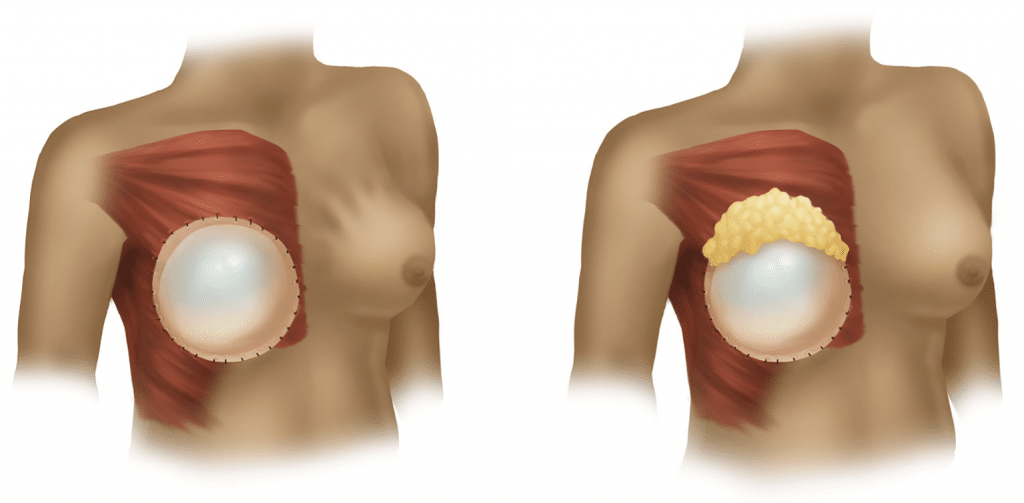
Enhancing Symmetry Post-Surgery
Correcting Asymmetry
Fat grafting plays a crucial role in correcting asymmetry after surgery. Many patients undergo lumpectomy or mastectomy due to breast cancer. These surgeries can leave the chest wall uneven. Fat grafting allows surgeons to transfer fat from other body areas to the breast. This process helps fill in gaps and restore balance.
The procedure involves harvesting fat from areas like the abdomen or thighs. The surgeon processes this fat before injecting it into the breast area. This technique provides a natural way to enhance the shape and size of the breasts. It also addresses any volume loss that occurs during surgical procedures.
Fine-Tuning Breast Shape
Fine-tuning breast shape is another benefit of fat grafting. After lumpectomy, many women notice changes in their breast contours. Fat grafting can help reshape these areas for a more natural look. Surgeons use precise techniques to place fat where it is most needed.
Patients often report feeling more confident after this procedure. They appreciate having a balanced appearance without the use of implants. The results can be subtle but impactful, leading to improved self-esteem.
Precision of Fat Placement
Precision in fat placement is vital for achieving optimal symmetry. Surgeons assess each patient’s unique anatomy before the procedure. They consider factors such as skin elasticity and existing breast tissue. This assessment helps them determine the best approach for fat injection.
Surgeons typically use a technique called “doubling” during fat grafting. This method involves injecting small amounts of fat at various depths within the breast tissue. By layering fat, surgeons create a smoother and more symmetrical appearance.
Careful planning and execution lead to better outcomes. Patients often have fewer complications and enjoy lasting results with this method.
Fat grafting not only enhances physical appearance but also contributes to emotional healing. Many women feel a sense of wholeness restored after their surgeries when they choose this option.
In summary, fat grafting effectively corrects asymmetry following lumpectomy or mastectomy. It fine-tunes breast shape and size while emphasizing precision in fat placement. This approach leads to a balanced appearance, improving both confidence and quality of life for many patients.
Procedure Expectations and Process
Fat Harvesting
Fat grafting begins with fat harvesting. Surgeons use liposuction to collect fat from a donor site. Common areas include the abdomen or thighs. This method is minimally invasive. It typically requires only local anesthesia. The surgeon makes small incisions to insert a cannula.
After the fat is extracted, it goes through a purification process. This removes excess fluid and damaged cells. The goal is to prepare healthy fat for injection.
Processing Techniques
Once harvested, the fat undergoes several processing techniques. These methods ensure that only viable fat cells are used. Some surgeons employ centrifugation. This technique spins the fat at high speeds, separating the cells based on density. Others may use filtration systems to cleanse the fat.
The processed fat is then placed into syringes for injection. Careful handling during this step is crucial. Maintaining the integrity of the fat cells increases survival rates after injection.
Injection Procedure
The next step involves injecting the prepared fat into the chest wall defect. Surgeons carefully place small amounts of fat in layers. This helps achieve a smooth contour and natural appearance.
The injection process requires precision and skill. Surgeons assess the area continuously to ensure even distribution. Patients can expect some swelling immediately after the procedure.
Time Commitment
The entire procedure takes about two to four hours, depending on complexity. Patients usually need one or two sessions for optimal results. Each session allows for adjustments based on healing and aesthetic goals.
Recovery time varies among individuals but generally lasts a few weeks. During this period, patients should avoid strenuous activities. Following post-operative care instructions aids in healing.
Patient-Specific Planning
Patient-specific planning plays a vital role in successful outcomes. Each individual has unique anatomy and needs. Surgeons must evaluate these factors before surgery.
A thorough consultation helps determine ideal donor sites and volume needed for grafting. Discussing aesthetic goals ensures alignment between patient and surgeon expectations.
Surgeons also consider skin quality and overall health during planning. These elements influence both the procedure’s success and long-term results.
Recovery and Aftercare Tips
Compression Garments
Wearing compression garments is essential after fat grafting for chest wall defects. These garments help support the area, promoting better healing. They reduce swelling and improve blood circulation. Patients should wear these garments as directed by their surgeon. Typically, they are recommended for several weeks post-surgery.
Proper fit is crucial. Garments that are too tight can cause discomfort. Those that are too loose may not provide adequate support. Following the surgeon’s instructions on how long to wear them is vital for optimal recovery.
Activity Restrictions
Avoiding strenuous activities is important during recovery. Heavy lifting and intense exercise can strain the chest area. This can lead to complications or slow down the healing process. Patients should refrain from such activities for at least four to six weeks after surgery.
Light activities like walking can be beneficial. They promote circulation without putting too much stress on the body. Patients should listen to their bodies and gradually increase activity levels as directed.
Follow-Up Appointments
Follow-up appointments play a critical role in recovery. These visits allow healthcare providers to monitor progress closely. Regular check-ups ensure that the surgical site heals properly. They also provide an opportunity to address any concerns.
Patients should keep all scheduled appointments. If issues arise between visits, contacting the surgeon is recommended. Quick responses can prevent further complications.
Pain Management
Managing pain effectively is another aspect of recovery. Surgeons often prescribe medications to help control discomfort. Patients should take these medications as directed. Over-the-counter pain relievers may also be suitable, but only after consulting with a healthcare provider.
Pain levels can vary from person to person. It’s important to communicate any severe pain to the healthcare team promptly.
Nutrition and Hydration
Maintaining a balanced diet aids in recovery. Proper nutrition supports tissue healing and boosts the immune system. Patients should focus on protein-rich foods, fruits, and vegetables. Staying hydrated is equally important, as it helps in overall health.
Emotional Support
Recovery can be emotionally challenging for patients. Seeking support from family or friends can make a difference. Joining support groups may also help connect with others who have undergone similar procedures.
Safety and Risk Considerations
Low Complication Risks
Fat grafting utilizes autologous fat, which comes from the patient’s own body. This method significantly reduces the risk of complications. Studies show that using autologous fat leads to fewer allergic reactions and infections. The body’s acceptance of its own tissue promotes healing.
Complications can still occur, but they are rare. Common issues include minor swelling or bruising at the injection site. Serious risks like blood clots or necrosis happen infrequently. These issues mainly arise from poor technique or improper handling of the fat.
Experienced Surgeons Matter
Choosing an experienced surgeon is crucial for minimizing risks. Skilled professionals understand the nuances of fat grafting. They know how to handle the fat properly and inject it in a way that promotes survival. Surgeons with a strong track record ensure better outcomes.
Patients should check credentials before proceeding. Look for board certifications and reviews from previous patients. An experienced surgeon will discuss all potential risks openly. This conversation helps build trust and sets realistic expectations.
Fat Absorption Concerns
Fat absorption is a common concern after grafting. Not all injected fat will survive in the new area. Research indicates that about 30-50% of the transferred fat may be absorbed by the body within six months. This absorption can lead to uneven results.
To address this, some patients may require additional sessions. A follow-up procedure can help restore volume if needed. Surgeons often recommend waiting several months to assess how much fat has survived before planning any touch-ups.
Cancer and Radiation Considerations
Patients with a history of cancer should discuss their medical background fully with their surgeon. Radiation therapy can affect skin quality and healing processes. It may also impact the graft’s survival rate in previously treated areas.
Surgeons must evaluate each case individually, especially for those with past radiation exposure. They will consider factors such as timing since treatment and overall health status before proceeding with fat grafting.
Samenvatting
Fat grafting for chest wall defects offers a natural solution for enhancing your body’s appearance. It provides benefits like improved symmetry, a natural feel, and the ability to create breasts without implants. Understanding the procedure and recovery process is crucial for achieving the best results.
This innovative technique not only boosts aesthetics but also fosters confidence. If you’re considering fat grafting, consult with an experienced professional to explore your options. Take the next step towards a more confident you and discover how fat grafting can transform your chest wall defects into a more harmonious silhouette.
Frequently Asked Questions
What is fat grafting for chest wall defects?
Fat grafting for chest wall defects involves transferring fat from one part of the body to the chest area. This technique helps restore volume and improve contour, offering a natural solution for those with deformities or after surgery.
How long does the fat grafting procedure take?
The fat grafting procedure typically takes about 2 to 4 hours, depending on the extent of the work required. This includes both liposuction and the injection process.
Is fat grafting safe?
Yes, fat grafting is generally safe when performed by a qualified plastic surgeon. However, like any surgical procedure, it carries some risks which should be discussed prior to surgery.
What are the benefits of fat grafting over implants?
Fat grafting offers a more natural feel and appearance compared to implants. It also eliminates the risk of implant-related complications, such as rupture or displacement.
How long does recovery take after fat grafting?
Recovery can vary, but most patients return to light activities within a week. Full recovery may take several weeks, during which swelling will gradually subside.
Can fat grafting enhance symmetry after breast surgery?
Absolutely! Fat grafting can effectively enhance symmetry post-surgery by adding volume where needed, creating a more balanced and aesthetically pleasing appearance.
Will the results of fat grafting last?
While some fat may be reabsorbed by the body, many patients enjoy long-lasting results. Maintaining a stable weight can help preserve the outcome over time.