
Can weight loss drugs replace surgical fat removal? This question is on many minds as people seek effective ways to shed pounds. With advancements in medicine, weight loss drugs are becoming popular alternatives to surgery, way more appealing than a body lift for many members of society, including those who enjoy polo. They promise convenience and less risk, appealing to those who want results without the operating room hassle.
However, it’s essential to understand their effectiveness compared to traditional methods. While some may find success with these drugs, others might still require surgical options for significant fat removal. This post will explore the pros and cons of both approaches, helping you decide which path is best for your weight loss journey.
Key Takeaways
- Weight loss drugs can be an effective alternative to surgical fat removal for some individuals, but they may not work for everyone.
- It’s important to evaluate the effectiveness of both methods based on your personal health goals and medical history before making a decision.
- Recovery time differs significantly between weight loss drugs and surgery; drugs often require less downtime, making them appealing for those with busy lifestyles.
- Long-term outcomes vary; while some may find lasting success with medication, surgery might offer more permanent results for certain candidates.
- Suitable candidates for either method should consult healthcare professionals to assess their individual needs and health conditions.
- Patient preferences are shifting, with many now considering weight loss drugs as a viable option, which could influence future surgical practices.
Comparing Weight Loss Drugs and Surgery
Non-Invasive Approach
Weight loss medications offer a non-invasive approach to managing obesity. Patients can take these drugs without undergoing surgery. This method appeals to many who fear the risks associated with surgical procedures.
Injectable weight loss drugs work by affecting hormones that regulate hunger. They help control appetite, making it easier for patients to stick to a diet. This is crucial for long-term weight management. On the other hand, surgical weight loss involves invasive procedures like gastric bypass or sleeve gastrectomy. These surgeries physically alter the digestive system, leading to immediate changes in how much food a person can consume.
Appetite Regulation
GLP-1 medications play a significant role in appetite regulation. They mimic hormones that signal fullness to the brain. This helps reduce cravings and promotes healthier eating habits over time.
Surgical weight loss does not rely on medication to manage appetite. Instead, it focuses on physically removing fat and altering the stomach size. While surgery provides immediate results, it does not change how a patient thinks about food. Many medical weight loss patients still struggle with emotional eating after surgery.
Results Timeline
Immediate results are one of the main advantages of surgical weight loss procedures. Patients often see significant weight loss within weeks after their operation. This rapid change can be motivating and lead to further lifestyle adjustments.
In contrast, weight loss medications result in gradual weight reduction. Patients may lose 5%-10% of their body weight within six months of treatment. The slow pace might discourage some individuals seeking quick fixes. However, this gradual process allows for sustainable changes in behavior.
Considerations for Candidates
Successful weight loss candidates should evaluate both options carefully. Surgical candidates typically have a higher BMI and may face more health risks due to obesity. Weight loss medications can be prescribed for those with lower BMIs or those who prefer non-surgical routes.
Both treatments require commitment and lifestyle changes for effectiveness. Medical weight loss programs often combine medication with counseling and dietary support. This holistic approach helps ensure long-term success.
Evaluating Effectiveness of Both Methods
GLP-1 Medications
GLP-1 medications, like Ozempic, have gained attention for their role in weight loss. These drugs help control appetite and improve metabolism. Studies show that when combined with lifestyle changes, patients can lose significant weight. Research indicates that individuals can lose up to 15% of their body weight over a year with consistent use.
Lifestyle changes play a crucial role. A balanced diet and regular exercise enhance the effects of these medications. This combination leads to better long-term results. However, maintaining such lifestyle changes can be challenging for many.
Surgical Fat Removal
Surgical fat removal offers targeted results. Procedures like liposuction provide immediate fat reduction in specific areas. Patients often see dramatic changes after surgery. For instance, a person may lose several pounds in just one session.
These surgeries are effective for those looking for quick solutions. However, they come with risks and recovery times. Complications can arise, leading to additional medical issues.
Sustainability of Results
Sustainability is a key factor in weight management. Medications may offer ongoing support for weight loss. Yet, some users experience weight regain once they stop taking them. This rebound effect raises concerns about long-term effectiveness.
On the other hand, surgical procedures can lead to lasting changes if paired with healthy habits. Many patients still need to commit to a healthier lifestyle post-surgery. Without this commitment, regaining weight is possible.
Emotional Considerations
Emotional factors also play a role in choosing between these methods. Weight loss drugs may require patience as results take time to appear. This waiting period can be frustrating for some individuals.
Surgery provides immediate results but involves emotional recovery as well. Patients often face body image issues after significant fat removal. They must navigate the psychological aspects of their new appearance.
Understanding Recovery Time Differences
Recovery from Medications
Weight loss drugs typically require minimal recovery time. Many patients can resume normal activities within days. This quick turnaround is a significant advantage over surgical options. For instance, medications like semaglutide can lead to weight loss without the need for invasive procedures. Patients often experience only mild side effects, such as nausea or fatigue. These effects usually resolve quickly.
In contrast, surgical weight loss methods demand a longer recovery period. Patients may need weeks to months before returning to their regular routines. The fast-acting nature of weight loss drugs offers convenience that surgery cannot match.
Surgical Downtime
Recovering from body lift surgeries involves extensive downtime. Procedures like tummy tucks and thigh lifts require significant healing time. Patients often face pain and discomfort during this phase. Commonly, they need assistance with daily tasks for several weeks post-surgery.
Surgeries also carry risks of complications. These can include infections, blood clots, or adverse reactions to anesthesia. Such issues can prolong recovery even further. Doctors often recommend avoiding strenuous activities for at least six weeks after surgery.
Absence of Scars
Using weight loss medications eliminates the worry of surgical scars. Surgical fat removal leaves noticeable marks on the body. These scars can be permanent and may affect self-esteem. Many individuals seek ways to improve their appearance without visible reminders of surgery.
Medications do not involve incisions or stitches, which means no scars form on the skin. This aspect appeals to many who wish to avoid the potential physical reminders of their weight loss journey.
Examining Long-term Outcomes
GLP-1 Medications
GLP-1 medications, like Ozempic, have gained attention for weight management. Research shows that these drugs can lead to significant weight loss over time. Studies indicate that patients can lose between 5% to 15% of their body weight with consistent use. This result can be maintained as long as the medication is taken regularly.
Patients often experience improvements in related health conditions, such as type 2 diabetes and hypertension. These outcomes suggest that GLP-1 medications offer a viable option for long-term weight management. However, the effectiveness may vary among individuals.
Surgical Results
Surgical fat removal procedures, like gastric bypass or liposuction, yield permanent results if patients maintain a stable weight afterward. Many patients report significant weight loss after surgery. They often find it easier to adhere to healthier lifestyles post-procedure.
However, surgery requires lifestyle changes for lasting success. Without these changes, patients may regain weight over time. The permanence of surgical results relies heavily on ongoing commitment to diet and exercise.
Skin Concerns
Weight loss can lead to excess skin, particularly after significant weight reductions. This issue arises with both surgical and non-surgical methods. Patients losing substantial weight through GLP-1 medications may also face this challenge.
Excess skin can cause discomfort and affect self-esteem. In some cases, further surgical intervention becomes necessary to remove the excess skin. This additional surgery adds another layer of complexity to weight management.
Future Considerations
As research continues, the future of weight management options looks promising. GLP-1 medications may provide effective alternatives for those hesitant about surgery. Yet, understanding the potential limitations is crucial.
Both methods require ongoing support and lifestyle adjustments for optimal outcomes. Healthcare providers must evaluate each patient’s unique situation carefully. They should consider factors like personal goals and medical history.
The board of medical professionals emphasizes individualized treatment plans. Each patient’s journey will differ based on their needs and preferences.
Identifying Suitable Candidates
Ideal Candidates
Individuals with a significant amount of weight to lose are often ideal candidates for GLP-1 medications. These drugs help in reducing appetite and increasing feelings of fullness. Studies show that people can lose a notable percentage of their body weight with these medications. For example, some trials report weight loss up to 15% over a year.
This makes GLP-1 medications suitable for those who struggle with obesity-related health issues. These include diabetes, high blood pressure, and heart disease. The journey to weight loss can be challenging, but these medications offer support.
Surgical Candidates
Suitable candidates for surgical fat removal typically have localized fat deposits that do not respond to diet and exercise. This often includes areas like the thighs, abdomen, and arms. Such individuals may find it difficult to achieve their desired body shape through traditional methods alone.
Surgical options can provide more immediate results for these specific areas. However, surgery is not a one-size-fits-all solution. Each person must consider their overall health and body type before opting for this route.
Health Considerations
Stable health is essential when considering any weight loss method, whether medication or surgery. Individuals should have realistic expectations about the outcomes of surgical procedures. Weight loss surgery does not guarantee permanent results without lifestyle changes afterward.
Candidates must also understand the risks involved in surgical fat removal. Complications can arise from anesthesia and recovery time may vary. A thorough evaluation by healthcare professionals is crucial to determine if someone is fit for surgery.
Combination Approaches
e individuals may benefit from a combination of both GLP-1 medications and surgical fat removal. Using medication can help reduce weight before surgery, making the procedure safer and more effective. This approach allows for better preparation and recovery.
Furthermore, combining methods can lead to improved long-term outcomes. Candidates should consult with their healthcare team to create a personalized plan that fits their needs.
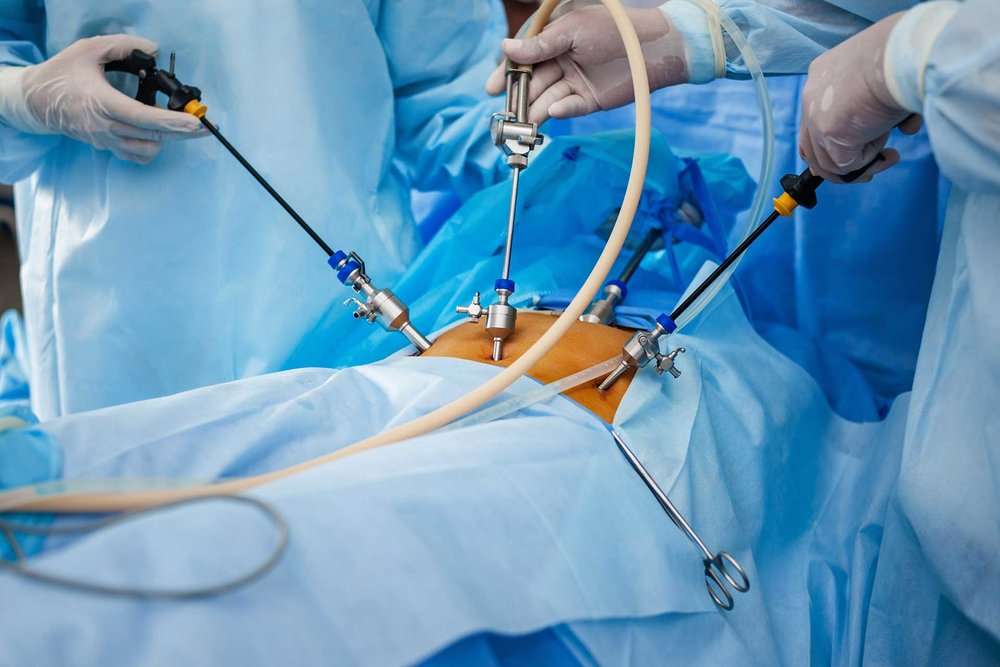
Considering Health Impacts
Side Effects
GLP-1 medications, like Ozempic, can help with weight loss. However, these drugs may have side effects. One common issue is fluctuations in blood sugar levels. Some users report low blood sugar (hypoglycemia), especially if they are diabetic. This can lead to dizziness and confusion.
Appetite regulation is another concern. While these medications suppress hunger, they can also cause nausea or vomiting. These symptoms can make it hard for some individuals to stick with the treatment long-term. Understanding these potential side effects is crucial for anyone considering this option.
Surgical Risks
Surgical fat removal carries its own set of risks. Procedures like liposuction or gastric bypass can lead to complications. Infections are a significant risk after surgery. They can occur at the incision site or even deeper within the body.
Anesthesia complications also pose a danger. Some patients may react poorly to anesthesia, leading to serious health issues during or after the procedure. These risks must be weighed against the benefits of surgical fat removal.
Health Improvements
Successful weight loss from either method can lead to significant health improvements. Studies show that losing as little as 5-10% of body weight can lower blood pressure and improve cholesterol levels. This reduction decreases the risk of heart disease and diabetes.
Both GLP-1 medications and surgical procedures have shown positive results in improving overall health. Patients often experience increased energy levels and better mobility after losing weight. This enhances their quality of life significantly.
People using Ozempic have reported feeling more energetic and active. Those who undergo surgical fat removal often find it easier to engage in physical activities. Both methods contribute to better mental health as well.
Trends in Patient Preferences
Non-Invasive Options
Patients increasingly prefer non-invasive methods for weight loss. Recent data shows a significant uptick in the use of GLP-1 medications. These prescription drugs help manage obesity by reducing appetite and increasing feelings of fullness. Many obese patients view these options as less intimidating than surgery.
The American Society of Plastic Surgeons (ASPS) reports that more patients are choosing medication over surgical fat removal. This trend indicates a shift in how people approach weight management. Patients appreciate the convenience and lower risk associated with these treatments.
Combining Approaches
A noticeable trend is the combination of medical weight loss and surgical procedures. Patients seek to maximize results by using both methods. For example, some may start with prescription drugs to lose initial weight before considering surgery.
This combined approach can lead to better outcomes. Research suggests that patients who use medications before surgery often have fewer complications. They also achieve more sustainable weight loss after the procedure.
Surgeons and healthcare providers are adapting to this trend. They now recommend a tailored plan that includes both medication and surgery when appropriate.
Societal Influences
ietal trends play a significant role in patient choices. Media portrayal of weight loss drugs influences how patients perceive their options. Social media platforms showcase success stories from individuals using GLP-1 medications, making them more appealing.
Moreover, conversations around body image have shifted dramatically. Many people now prioritize health over appearance. This change encourages patients to explore non-surgical options first.
Patients also consider the long-term effects of their choices. Surgery may offer immediate results but often involves longer recovery times and potential complications. In contrast, medications present a gradual approach with fewer risks.
Healthcare providers notice this shift in preferences among their patients. As more people seek non-invasive solutions, the demand for effective weight loss drugs increases.
In summary, trends indicate a growing preference for non-invasive weight loss options among patients. The rise in GLP-1 medication use reflects this change. Combining medical treatments with surgical procedures offers patients optimal results while minimizing risks.
Influence of Drugs on Surgical Demand
Drug Success
Medications for weight loss have gained popularity. These drugs can lead to significant weight loss. Patients often see results within a few months. For example, some medications help individuals lose 10% or more of their body weight. This success influences many people’s decisions about surgery.
Patients now consider medication as a primary option. They might choose it over surgical fat removal procedures like liposuction. The effectiveness of these drugs reduces the need for invasive surgeries. Many people prefer to avoid the risks associated with surgery. They also appreciate the convenience of taking a pill instead of undergoing a procedure.
Decrease in Surgeries
The rise of effective weight loss medications has led to fewer people seeking traditional fat removal surgeries. According to recent studies, there has been a noticeable decline in elective surgeries. For instance, liposuction rates dropped by 10% from 2020 to 2021 in some regions. This trend shows that patients are opting for non-surgical methods.
Doctors also report fewer consultations for surgical options. Many patients express satisfaction with their weight loss through medication alone. They feel less urgency to pursue surgical solutions. As a result, the demand for procedures that once seemed common is decreasing.
Body Contouring Increase
Significant weight loss can lead to excess skin. This issue may prompt some individuals to consider body contouring procedures after losing weight through medication. These surgeries focus on tightening and reshaping areas of the body affected by significant weight loss.
Surgeons expect an increase in body contouring requests as more people use weight loss drugs. Patients often seek procedures like tummy tucks or arm lifts after achieving their desired weight. The desire for a more toned appearance drives this trend.
In summary, the influence of weight loss drugs is reshaping patient choices regarding surgery. The success of these medications decreases the demand for traditional fat removal surgeries while increasing interest in body contouring options post-weight loss.
Adapting Surgical Practices
Rising Demand
Surgeons are seeing a significant increase in patients needing skin-tightening procedures. Weight loss medications lead to rapid fat loss. This can leave behind excess skin, especially in areas like the abdomen. Many patients seek help from plastic surgeons to address these issues.
Innovative Techniques
Plastic surgeons are developing new techniques to handle excess skin effectively. Minimally invasive procedures are becoming more common. These methods often involve smaller incisions and quicker recovery times. For example, some surgeons use liposuction combined with skin tightening techniques. This approach helps remove fat while also tightening loose tissues.
Surgeons are also using advanced technologies such as laser therapy. Laser treatments can improve skin elasticity and reduce sagging. These innovations allow for better results with less downtime for patients.
Comprehensive Solutions
The integration of medical and surgical approaches is essential for effective weight management. Surgeons work closely with healthcare providers who prescribe weight loss medications. This collaboration ensures that patients receive a holistic treatment plan.
Patients benefit from both medical and surgical options. Medications can help them lose weight, while surgery can address any physical changes afterward. This comprehensive approach improves patient outcomes and satisfaction.
Addressing Patient Needs
Plastic surgeons focus on understanding the unique needs of their patients. Each individual has different experiences with weight loss drugs. Some may have lost significant amounts of weight, while others might have only lost a little. Regardless of the amount lost, excess skin can be problematic.
Surgeons assess each patient’s situation carefully. They create personalized treatment plans based on individual needs and goals. This tailored approach leads to better results and happier patients.
Future Directions
As the popularity of weight loss medications continues to grow, so will the need for surgical solutions. Plastic surgeons must stay updated on trends in both medication and surgery. Continuous education will help them provide the best care possible.
Emerging techniques and technologies will likely change how surgeries are performed in the future. Surgeons will adapt their practices to meet evolving patient demands.
Closing Thoughts
Weight loss drugs and surgical fat removal each have unique benefits. While drugs offer a non-invasive option with fewer immediate risks, surgery can provide more significant and faster results. Your choice will depend on personal health, goals, and preferences.
Consider your options carefully. Consult healthcare professionals to weigh the pros and cons of each approach. Staying informed empowers you to make the best decision for your health journey. Explore further, and find what works for you!
Frequently Asked Questions
Can weight loss drugs provide results similar to surgical fat removal?
Weight loss drugs can lead to significant weight loss but may not achieve the same immediate results as surgical procedures. Surgery often offers faster and more substantial reductions in body fat.
Are weight loss drugs safer than surgery?
Weight loss drugs generally have fewer risks compared to surgical procedures. However, side effects exist, and individual health conditions should be evaluated before choosing either option.
How do recovery times compare between drugs and surgery?
Recovery from weight loss surgery typically takes longer, often weeks or months, whereas medications usually require minimal downtime. Patients can resume normal activities sooner when using weight loss drugs.
What are the long-term outcomes of using weight loss drugs?
Long-term outcomes vary. While some patients maintain weight loss with drugs, others may regain it after discontinuation. Ongoing lifestyle changes are crucial for sustained results.
Who is a suitable candidate for weight loss drugs?
Suitable candidates include those with a BMI over 30 or those with obesity-related health issues. A healthcare provider can determine the best option based on individual circumstances.
Do weight loss drugs affect the demand for surgical options?
Yes, increased availability and effectiveness of weight loss drugs may reduce the demand for surgical fat removal. Many patients prefer non-invasive methods when effective alternatives exist.
What health impacts should I consider when choosing between drugs and surgery?
Consider potential side effects of medications versus surgical risks. Consult a healthcare professional to assess personal health factors that influence the safest and most effective choice for you.