
Key Takeaways
- Lipedema and lymphedema are distinct conditions that differ in tissue composition, affected body areas, and the type of swelling experienced.
- Lipedema usually presents as symmetrical fat deposits in the legs with sparing of the hands and feet. Lymphedema can cause swelling from fluid retention and may impact any limb.
- Understanding differences in symptoms, such as pain and tenderness characterizing lipedema, and heaviness and tightness more indicative of lymphedema, can assist patient and physician in working toward the correct diagnosis.
- Genetics and hormones are big factors in lipedema. Trauma, surgery, or other medical issues are common causes of lymphatic damage leading to lymphedema.
- Early diagnosis through detailed clinical examination, patient history, and specialized imaging like ultrasound or MRI is essential for optimal management and treatment planning.
- Tackling day-to-day issues and emotional toll while encouraging community understanding and connections helps improve life for those with these lifelong ailments.
Lipedema and lymphedema are two different conditions that cause swelling in the legs or arms. They have key differences.
Lipedema is often associated with symmetrical swelling and primarily affects women, whereas lymphedema results in swelling that can be asymmetrical and can impact anyone.
Both can transform everyday life and require distinct treatment. To assist you in identifying each, the following sections delineate how their symptoms, causes, and treatments distinguish them.
The Core Distinctions
Lipedema and lymphedema are two entirely different conditions with similar visual characteristics, each impacting the body in unique ways. Both result in swelling and pain, but their signs, tissue transformations, and affected regions distinguish one from the other. The key characteristics and symptoms for each are outlined in the table below.
| Feature | Lipedema | Lymphedema |
|---|---|---|
| Common Affected Areas | Thighs, hips, calves, upper arms | Legs, arms, hands, feet |
| Tissue Composition | Enlarged, painful fat tissue | Protein-rich lymphatic fluid |
| Physical Sensation | Tender, aching, easy bruising | Heaviness, tightness, hard skin |
| Foot/Hand Involvement | Rarely affected | Often affected |
| Symmetry | Mostly symmetrical | Can be one or both sides |
| Skin Texture | Soft, nodular | Thick, firm, sometimes rough |
1. Tissue Composition
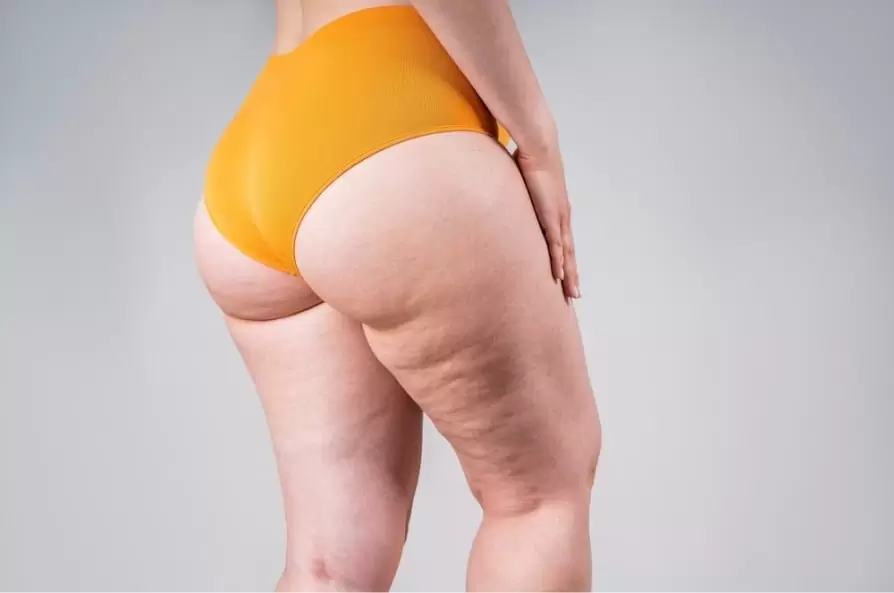
Lipedema is distinguished by excessive lipoedematous tissue accumulation, or too much fat beneath the skin. These fat nodules are soft, but they can be lumpy and painful. They develop primarily in the legs and occasionally in the arms.
The swelling in lymphedema is caused by a backup of lymph fluid, which is thicker than water and protein-rich. Where lipedema has fat cells, lymphedema has fluid that makes the skin feel tight and sometimes hard.
Subcutaneous fat is the essence of lipedema. The grease is smushed and smeared on skin-soft sore. Lymphedema has more fibrotic tissue that can accumulate, making the skin tougher and less mobile.
The volume and nature of fibrotic tissue can alter how each condition responds to treatment, as fat is more difficult to mobilize with massage, but fluid can be frequently drained.
2. Affected Areas
Lipedema typically begins in the thighs and descends to the calves. It usually ends at the ankles, so the feet appear natural. Lymphedema may occur in the arms or legs and typically involves the hands or feet.
The swelling in lipedema is typically more localized specifically to certain areas, whereas lymphedema can be more diffuse throughout the entire limb. By observing where the swelling begins or ends, physicians can determine which diagnosis is more probable.
3. Physical Sensation
Individuals experiencing lipedema frequently report sensations of pain, ache, and tenderness in the areas of fat accumulation. Minor knocks or bumps can cut or bruise the skin.
For lymphedema, the primary sensations are heaviness and tightness. Your skin might feel tight and it can become hard in patches.
Lipedema can cause skin to feel cool or uneven, while lymphedema can make it thick and sometimes even rough. It’s typically more persistent fullness in lymphedema, but with lipedema, it’s painful.
4. Foot and Hand Sparing
Lipedema nearly always spares the feet and hands, causing a distinct cuffing at the ankles or wrists. This creates a “cuff” appearance where the legs or arms are puffy but the hands and feet are not.
Lymphedema frequently involves swelling of the hands and feet. This makes it easy to distinguish the two from one another and affects how they’re handled.
Both lipedema and lymphedema can have compression garments applied to the ankle, but lymphedema may require coverage of the entire limb.
5. Body Symmetry
Lipedema is generally symmetrical. Both legs or both arms are affected approximately equally. Lymphedema can be unilateral or bilateral with uneven swelling.
Symmetry difference is huge. If swelling is symmetrical, lipedema is again more likely. If it’s only one side or extremely lopsided, lymphedema could be the culprit.
It assists physicians in mapping out appropriate treatments.
Underlying Causes
Knowing what causes lipedema and lymphedema is what will put their distinctions in perspective. Both conditions impact the limbs, but the underlying causes aren’t identical. Genetics, hormones, injury, and body weight all contribute, but they do so differently for each disorder.
Genetic and Hormonal
Lipedema frequently has a genetic component. Most lipedema patients report that their mother, aunt, or sister struggles with similar symptoms. It’s unknown which specific genes are involved, but these activity patterns are clearly connected.
Lipedema shows up mostly in women, occasionally affecting multiple generations, suggesting that inherited genes are a high contributor. In a few unusual instances, men with specific genetic syndromes can develop lipedema.
What they do determine is how lipedema manifests itself. Many people first observe symptoms during puberty, pregnancy or menopause, periods where estrogen levels fluctuate rapidly. Estrogen appears to promote the development of fat cells in specific regions, primarily in the legs and hips.
That’s why women constitute the overwhelming majority of lipedema patients. Fat begins to accumulate uniquely to this disorder when hormones shift.
In primary lymphedema, gene mutations that interfere with lymph vessel development or function can be at play. These mutations can result in the lymph system being absent or incomplete at birth, although swelling may not become apparent until later.
In certain families, multiple members will have lymphedema, indicating a definite genetic origin. Estrogen ignites lipedema’s flare-up and appears to exacerbate its symptoms. Folks tend to have more pain and more swelling when estrogen levels are elevated.
This link could account for why lipedema worsens at specific life stages.
Lymphatic Damage
Secondary lymphedema occurs when the lymphatic system is compromised. Surgery to remove cancer, like breast or cervical cancer, frequently entails removing lymph nodes. This can disrupt normal lymph flow, allowing fluid to accumulate and inflate surrounding tissues.
Even minor wounds, such as cuts or burns, can occasionally damage the lymph system if they are deep enough. Radiation for cancer can scar or block lymph vessels. Over the months or years, this can result in lymphedema.
These changes tend to be permanent and are difficult to treat. Obesity can exacerbate both conditions. Lipedema sees additional body weight contributing to this stress on already delicate tissue, accelerating fat accumulation and swelling.
In lymphedema, additional fat squeezes lymph vessels, impeding fluid flow and increasing the chance of chronic swelling. Chronic inflammation is one. Frequent infections or skin issues can set off swelling and harm to the lymph system.
This is typical of untreated lymphedema, where wounds heal slowly and lead to a cycle of swelling and further injury.
Symptom Progression
Symptom Progression – Both lipedema and lymphedema worsen over time if untreated. Each takes its own course with different symptoms and effects on functioning. Understanding how these symptoms evolve can assist individuals in receiving the appropriate treatment and preventing further complications.
Staged Development
- Lipedema typically begins at puberty or following a major hormonal shift such as pregnancy or menopause. It has four stages. In stage I, the skin is smooth; however, there is soft swelling in both legs and occasionally the arms. The swelling is non-pitting edema.
- In stage II, the skin becomes more coarse, small lumps develop under the skin, and the tissue is slightly firmer. Stage III involves fibrotic tissue, larger lumps, and folds of skin swelling. In stage IV, also known as lipo-lymphedema, the swelling is severe and there is hard, pitted tissue, making it harder to move.
- Lymphedema progression varies. Stage 0 is when the lymph system is compromised but swelling is not yet present. Stage I brings soft swelling that often improves with rest. In stage II, swelling does not subside with rest and skin hardens.
- Stage III is the most serious, with thickened skin, deep folds, and sometimes ooze. This stage can cause infections and significant deformations of the limb. Understanding these phases is crucial for prompt treatment.
- In lipedema, early care can keep symptoms mild. In lymphedema, catching it before the tissue gets hard can stop disability. Physicians use these stages to select therapies.
- Early stages require milder treatment, such as wearing compression and mild exercise. When symptoms advance, more intervention is required, including manual lymph drainage, bandaging, and even surgery.
Fluid Accumulation
In lymphedema, fluid accumulates in the tissue due to inadequate lymphatic drainage. This causes the limb to swell, feel heavy, and can make walking difficult. Untreated, the swelling worsens and the skin can become hard and inflexible.
Lipedema is different. The chief concern is an abnormal accumulation of fat, not fluid. This fat accumulates in the legs, hips, or arms, making them appear enlarged while the hands and feet remain normal.
It can be sore to the touch and bruise easily. The blood vessels in these fat deposits are fragile and can leak, contributing to swelling. Lymphatic drainage is essential to lymphedema treatment.
Compression garments, massage, and special exercises can help move the fluid out of the limb. Complete decongestive therapy is the best known method for putting the brakes on disease progression and making it easier to get around and maintain quality of life. It does little to stop size.
With lipedema, treatment emphasizes fat reduction and symptom management. Compression can assist pain and swelling, even though the issue is not fluid accumulation. Knowing if swelling is from fat or fluid changes which treatments work best and helps avoid mistakes.
The Diagnostic Path
Differentiating lipedema from lymphedema requires a systematic approach. Medical professionals utilize a combination of physical examination, medical history, and targeted tests to differentiate. This checklist guides the process:
- Begin with a comprehensive clinical evaluation, documenting limb appearance, swelling distribution, and skin changes.
- Take a patient’s history, including family history, onset of symptoms, and habits.
- Pre-confirm and rule out other causes with imaging or function tests.
Each step builds a layer of insight. The objective is to construct a comprehensive and definitive portrait to direct appropriate treatment.
Clinical Examination
A comprehensive clinical exam is the primary, most immediate step. Health providers check for symmetry, skin folds and swelling. With lipedema, both legs swell symmetrically, hip to ankle, sparing the feet. Lymphedema typically begins in a single extremity and can involve the feet and toes.
Visual inspection detects patterns of swelling and skin changes. Palpation, or feeling the limb with hands, aids in detecting tenderness, induration, or a firm consistency. In lipedema, the skin can be soft, with a nodular or grainy texture beneath the skin. Lymphedema skin can be thicker, firmer, and occasionally warmer from inflammation.
Here, again, is where measuring skin temperature becomes crucial. Lymphedema can lead to cool or warm skin depending on fluid build-up and infection. Lipedema will not alter limb temperature.
A good test picks up these nuances. It aids in ruling out other etiology, like CVI or obesity. That’s what the right findings direct at next step—history or tests.
Patient History
Obtaining the patient’s history is equally important as the physical exam. When it started to swell, how it changed, and any pain or discomfort are all important. Lipedema often begins at puberty or post-pregnancy, and pain is more frequent than with lymphedema.
Family history may uncover genes in action. Lipedema often runs in families, whereas lymphedema may be inherited or arise following injury or surgery.
How quickly symptoms appear and where they spread steers diagnosis. For instance, rapid swelling post cancer treatment may indicate lymphedema.
Lifestyle is important. Weight gain can exacerbate both conditions, but lipedema doesn’t really respond well to diet or exercise. Monitoring daily habits helps identify these trends.
Diagnostic Tests
Imaging assists in confirming what the exam and history imply. Ultrasound can reveal tissue fluid and screen for venous or lymphatic vessel abnormalities. For lymphedema, it can show thickened skin and increased fluid beneath the skin.
Lymphoscintigraphy is a special scan that observes how a dye moves through the lymph system. It can demonstrate whether there is obstruction, leakage, or delayed transit, all of which are indicative of lymphedema.
Blood tests or an MRI are sometimes used to rule out other diseases, but are not needed in every case.
Based on the test results, we can make a definitive diagnosis. They inform care plans, indicating whether treatments such as compression, massage, or surgery are optimal. Understanding the appropriate cause is about providing the patient better guidance on how to live with their condition.
Advanced Imaging
Advanced imaging is instrumental in lymphatic disorders such as lipedema and lymphedema. No individual scan can diagnose either condition in isolation. Combining multiple imaging techniques allows physicians to characterize tissue alterations, lymphatic circulation, and susceptibility to infections.
Imaging assists in monitoring treatment response and excluding alternative sources of inflammation or pain.
Ultrasound
Ultrasound is a non-invasive tool that relies on sound waves to take real-time images of the tissue beneath the skin. In lipedema, ultrasound may reveal thinner skin and subcutaneous fat deposits, predominantly on the inner calf and toward the feet.
These images are hypoechogenic, which means the fat is darker because of its architecture. This assists in identifying alterations that appear distinct from normal fatty or reactive edema of other etiologies.
For lymphedema, ultrasound can assist in monitoring the form and activity of lymph vessels. It can demonstrate if vessels are tumid, obstructed, or leaking. This is important because healthy lymphatics appear and act differently than those with lymphedema.
Since ultrasound is non-invasive, it’s frequently the initial screening for swelling. It doesn’t use radiation, is widely available, and is easy on patients.
Ultrasound abnormalities can direct therapy. If the images show early changes, doctors might initiate conservative care, such as compression or physical therapy, earlier. It assists to exclude blood clots or deep vein complications that could mimic such symptoms.
MRI
MRI offers crisp, detailed pictures of soft tissue and can be useful in both lipedema and lymphedema. It can delineate the extent and composition of involved sites, providing exquisite detail of fat, fluid, and skin.
Unlike ultrasound, MRI can identify small pockets of fluid or fat deeper in the tissue, which assists in differentiating lipedema, which is primarily fat, from lymphedema, which is fluid accumulation.
MRI can assist in planning surgery for lipedema as well. By delineating the planes of fat and tissue, physicians can design safer and more accurate procedures. MRI is useful for monitoring how either disease progresses.
MRI comes in handy when the diagnosis is ambiguous or surgery is being considered.
Lymphoscintigraphy
Lymphoscintigraphy uses an injection of a safe, radioactive dye into the skin, typically in the foot or hand. The blue dye travels through the lymphatic system and a dedicated camera photographs it as it disperses.
This test indicates how lymph fluid circulates and can detect where it is sluggish or halted, indicating blockages or leaks. It’s more for lymphedema.
It can detect primary lymphedema from birth as well as secondary lymphedema from trauma, infection, or surgery. The scan can help determine which treatments may be most helpful, as it reveals the extent and characteristics of the lymphatic obstruction.
Lymphoscintigraphy is rarer for lipedema but can assist if there is concern about a patient developing lymphedema as a complication.
The Lived Experience
Lipedema and lymphedema aren’t just body related. These chronic illnesses influence the way we navigate daily life, cope with emotions, and maintain relationships. Both can be swollen and painful, but they affect our mental health, self-image, and social relationships in very different ways.
It’s frequently misdiagnosed, particularly lipedema, which is misdiagnosed as obesity or other fat disorders. Both can cause genuine battles beyond the physical symptoms.
| Emotional Challenges | Lipedema | Lymphedema |
|---|---|---|
| Pain | Yes | Sometimes |
| Easy bruising | Yes | Rare |
| Swelling symmetry | Bilateral, symmetrical | Often unilateral, asymmetrical |
| Mobility issues | Sometimes | Common |
| Risk of infection | Low | High (cellulitis) |
| Clothing choices | Difficult | Difficult |
| Self-esteem issues | Yes | Yes |
| Social stigma | Yes | Yes |
Emotional Impact
- Anxiety about appearance and limited mobility
- Frustration due to pain, swelling, and delayed diagnosis
- Isolation from feeling misunderstood by peers or even professionals
- Sadness, low self-worth, and worry about disease progression
Lipedema patients often feel isolated, particularly after being misdiagnosed so many times. Many lymphedema patients, particularly post-infection or hospitalization, feel isolated from life.
Support for the psyche is essential. Therapy or support groups can assist individuals in coping with stress, depression, and anger. Emotional well-being is often connected to treatment adherence. When people feel supported, they are more likely to use compression, go to therapy, and take care of their health.
Social Misconceptions
Many assume lipedema is simply obesity and lymphedema is only “water weight.” This results in blame or shame, despite different and non-lifestyle-based causes. Misinformation can make those who have these conditions feel stigmatized, particularly if their swelling is apparent or they require specialized treatment.
We need education to change minds. When friends, family, and employers know the truth, they are more compassionate to those impacted. Social support, online or face-to-face, makes patients feel less isolated and combats stigma.
Daily Challenges
Most lipedema or lymphedema patients experience daily pain or swelling. Walking, sitting, or standing for long can be difficult, particularly if one leg is significantly larger.
Even basic things like discovering shoes or pants that fit take longer and create stress. Pain and easy bruising are common in lipedema. Lymphedema adds additional dangers such as cellulitis, which requires prompt treatment and may result in hospitalization.
Both require adaptive strategies such as manual lymph drainage or compression bandaging to manage symptoms. Understanding these daily barriers allows physicians, employers, and families to provide better support. It illustrates why good diagnosis and early treatment are so important.
Conclusion
Lipedema and lymphedema can both alter the appearance and sensation of the body but have different causes. Lipedema presents with painful enlargement due to fat deposits, commonly in the legs, hips, or arms, whereas lymphedema causes fluid retention, swelling, and skin changes, typically affecting a single limb. Doctors rely on physical exams and imaging to differentiate the two. Living with either means educating yourself on the symptoms, accessing appropriate treatment, and locating a supportive community. Plain facts make folks aware and assist them in watching out for the signs and getting help earlier. To be on the safe side, talk to a health care professional as soon as swelling or pain appears. Easy steps and the right team can change your life. Keep learning and check trusted sources for updates.
Frequently Asked Questions
What is the main difference between lipedema and lymphedema?
Lipedema is a disorder that causes abnormal fat accumulation in the legs and arms. Lymphedema is a condition that occurs from fluid accumulation due to problems with the lymphatic system. They can both cause swelling, but their causes and treatments are quite different.
Are lipedema and lymphedema genetic conditions?
Lipedema often is familial. Lymphedema can be inherited or arise after trauma, surgery, or infection. Both may be genetic; however, other causes are common for lymphedema.
How do symptoms progress in lipedema compared to lymphedema?
Lipedema is slow progressing with symmetrical fat deposits and tenderness. Lymphedema typically begins as swelling of one limb and can progress if untreated to cause hardening of the skin and pain.
What are the key diagnostic differences between lipedema and lymphedema?
Physicians rely on clinical exam and patient history to diagnose. Lipedema is distinguished by finding symmetrical deposits of fat, whereas lymphedema is characterized by swelling due to fluid retention and skin changes. Advanced imaging like ultrasound can assist.
Can lipedema and lymphedema occur together?
Yes, some people have both. This is known as lipo-lymphedema. Accurate diagnosis is crucial to address both fat and fluid retention appropriately.
What imaging tests help differentiate lipedema from lymphedema?
Ultrasound and MRI are commonly utilized. These tests demonstrate fat distribution in lipedema and fluid accumulation in lymphedema, assisting physicians in selecting the appropriate treatment.
Is there a cure for lipedema or lymphedema?
Neither has a cure. With treatments such as compression therapy, exercise, and specialized care, it is possible to control symptoms and enhance quality of life.