Key Takeaways
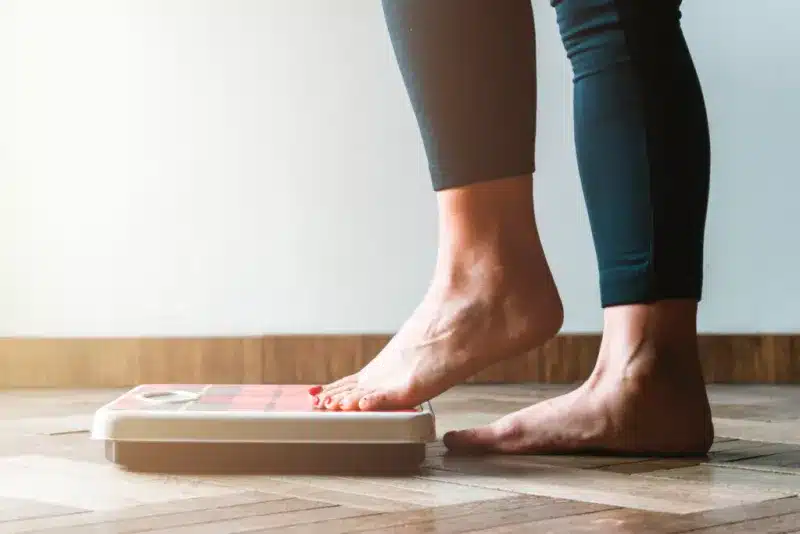
- The scale alone can lead you astray. Weight fluctuates for all kinds of reasons and doesn’t represent progress in strength, endurance, or your health in general.
- Including body measurements, how clothes fit, progress photos, or fitness benchmarks to track progress gives you a complete picture of your fitness journey.
- Tracking internal metrics such as energy levels, sleep, mood, and health markers is insightful when it comes to well-being as opposed to simply looking at the mirror.
- This shift in mindset towards holistic health and habits keeps motivation alive and supports long-term success.
- When one area of your life is improving, it tends to make the other areas improve as well.
- Create your own flexible tracking system based on a few key metrics. Your progress doesn’t always show up on the scale.
To track progress beyond the scale means monitoring your health, fitness, and well-being through more than just weight. Waist, energy, sleep, and clothes fitting are all common signs that people measure their progress by.
Photos, workout logs, and mood checks do a great job of evidencing actual change. Many choose these methods because weight is not necessarily an accurate measure of progress.
The body of this post is going to share additional methods and advice for actual tracking.
The Scale’s Limitations
Your scale might provide a quick snapshot. It doesn’t reveal the whole story. There are lots of things that can affect daily weight, so it’s important to look past this one measure.
Here are the main reasons why the scale, while common, is not always the best tool for tracking growth or well-being:
- Daily scale fluctuations can be up or down because of water retention, hormones, or even the time of day. This makes it difficult to determine if these changes are genuine or ephemeral.
- It doesn’t indicate if you’re putting on muscle or shedding fat. For those who engage in resistance training or manual labor, muscle can add while fat falls, which would keep weight steady or even increase it slightly. Muscle gain means higher metabolism, which aids with long-term fat loss.
- Not all forward movement is weight-based. A lot of them just get stronger, move better, or have more stamina. These gains won’t register on the scale, but they are important for everyday life and health.
- As useful as the scale is, it cannot capture changes in mood, energy, or sleep. To many people, being more awake, in a good mood, or well-rested is an unmistakable sign that they’re making progress, even when the scale doesn’t budge.
- By paying attention exclusively to weight, we encourage guilt, stress, and low self-esteem. Tiny shifts, such as a 1-kilogram leap, can make us fret, even if it is just the natural shifting of our body.
- When the scale is the sole objective, individuals can begin to associate their value as a person with a digit. This can result in a brutal internal monologue or worse, meal skipping and excessive workouts to try and watch the number decrease.
- Advancement is never linear. There will be instances where weight ascends, remains steady, or declines gradually. It doesn’t mean work is wasted. The scale lags. The body needs time to adjust and a lot of changes occur under the surface before they register in weight.
- When you focus too much on pounds, you overlook other victories. Walking farther, lifting more, or feeling less tired are all examples of growth that the scale can’t capture.
Holistic Progress Metrics
Holistic progress metrics see beyond the scale and focus on the big picture of health. They help folks appreciate worth in things such as strength, vitality, and health. These metrics are crucial for anyone who wishes to cultivate a long-term, loving relationship with their body and health.
Measuring progress from multiple perspectives aids in trend identification and goal setting. With a combination of techniques, humans experience progress in sleep, mood, and daily life, not only on the scale.
Common holistic progress metrics include:
- Changes in body measurements (waist, hips, arms, etc.)
- Progress photos
- Clothing fit
- Performance in workouts or physical tasks
- Body composition analysis
- Self-rating scales for sleep, energy, or mood
- Ability to do daily activities with less effort
- Tracking improvements in digestion or stress levels
1. Body Measurements
Measuring your waist, hips, chest, arms, and legs periodically is an easy way to follow changes a scale can’t. A soft, flexible tape works best and measuring under the same conditions each time helps keep it accurate. Transcribing these figures into a notebook or digital journal provides a concise record across weeks or months.
By comparing your new measures to the old, you can see if you’re losing fat, gaining muscle, or just reshaping, even if your weight remains stable. This can maintain motivation when the scale stalls.
2. Progress Photos
Photos every few weeks capture change that numbers miss. Stand in the same place, utilize good light and capture photos from the same angles for optimal results. These photos allow you to observe changes in muscle tone or posture that can be difficult to detect from one day to the next.
Posting pics to a close friend or trusted online group can be a heartening experience. In hindsight, you will spot more progress in photos than on the scale, which can inspire confidence and keep you going.
3. Clothing Fit
How your clothes fit is a down-to-earth measure of advancement. Jeans that once were tight may all of a sudden hang loose, or a shirt might cling less to your shoulders. Selecting a ‘benchmark’ favorite outfit can help mark milestones.
There’s nothing like outgrowing an old size for some genuine accomplishment. Giving away old, ill-fitting clothes helps you celebrate these transformations and solidify your new routines. Your clothes fit is simple to detect and requires no special equipment.
4. Performance Gains
We see performance manifest in many forms, such as lifting heavier weights, running a longer distance, or scaling stairs with less effort. It is easier to measure progress when you have a concrete target, like more push-ups or a longer walk.
Fitness trackers, apps, or even pen and paper can assist in documenting your personal bests and how often you work out. Reaching new milestones, such as being able to run 5 kilometers or increase plank time, gives you a boost of pride and maintains motivation.
5. Body Composition
Body composition tools, such as smart scales or skinfold calipers, capture fat and muscle changes. These figures indicate if you’re gaining muscle or losing fat, unlike weight by itself. This is usually more satisfying than watching the scale fall.
Incorporating body composition checks at regular intervals, monthly for example, can help you spot trends and patterns. Fitness coaches or health professionals can assist in interpreting the data and establishing personalized goals.
Internal Victories
Internal victories are the growth markers that don’t register on a scale. Internal victories can be as basic as clear thinking, stable moods, or being more in touch with hunger and satiety. Not all progress is measured in pounds or inches.
By observing such transformations, individuals can more readily honor their bodies and take pride in their progress. These non-scale victories, whether they are better sleep or a quiet brain, can provide the fuel to stay motivated and maintain a healthy self-image regardless of culture or lifestyle.
Energy Levels
When you have more energy each day, it can signify your health is headed in the right direction. Employ a checklist to monitor your feelings each morning, at work, and post workouts. Observe if you can tackle more chores or play longer with your kids without getting fatigued.
If you notice energy slumps, consider what you ate, how much you slept, or if you neglected exercise. This aids in identifying patterns, such as how fewer hours of sleep or a big meal might leave you lethargic. If you discover you feel strong the majority of days, it may be time to experiment with new workouts or reduce rest days.
An increasing surge of energy each day is the unmistakable signal of advancement.
Sleep Quality
Good sleep heals the body, energizes, and clarifies the mind. A sleep journal can reveal patterns in your rest. Track when you go to bed, how often you wake throughout the night, and how rested you feel each morning.
It can connect quality sleep with improved energy and mood. If you have bad sleep frequently, examine behaviors like screen exposure before bedtime or caffeine consumption late in the day. Fix your sleep by maintaining a set bedtime, darkening your room, and reducing noise.
These steps can assist you in achieving deep, healing rest.
Mood Changes
Pace your mood daily to watch your mind and body become connected. Exercise can boost your mood and reduce stress. Just journal and see how you feel before and after moving.
If you find yourself less anxious or more upbeat, that’s a major victory. Utilize these notes to identify what benefits most. In time, you might discover that you trust your feelings more and treat yourself with greater kindness.
These victories propel you forward even when progress is glacial.
Health Markers
- Blood pressure reveals how hard your heart works and warns of disease risk.
- Blood sugar aids in monitoring risk for diabetes and impact of food.
- Cholesterol high or low can alert us to heart problems.
- Resting heart rate provides insights into your fitness and stress.
- Waist circumference is an easy way to screen yourself for health risks associated with fat around your middle.
Have your doctor check these at least annually. Take the outcome to check whether your eating and exercise habits help. Any positive movement in these numbers is an indication you are headed in the right direction.
The Mindset Shift
Health is about more than the scale. It’s the mindset shift that matters. You focus on prioritizing health and well-being instead of simply pursuing a smaller number. Weight can fluctuate for all sorts of reasons, such as water or muscle. This can cause the scale to be a bad indicator for actual long-term progress.
Instead, take the longer view. Concentrate on how you feel, your energy daily, and the habits you form. Such transformations endure even when weight plateaus. When you’re obsessed with the journey, small wins matter. Daily and weekly habits, such as short workouts or nutritious meals, accumulate.
Even choosing a fruit snack instead of a sugary beverage is a victory. Perhaps you even walk more or sleep better at night. These are the kind of victories that don’t register on the scale but certainly impact your life. The true objective is to develop habits you can maintain for years, not weeks.
Self-compassion counts as well. Most folks are looking for an overnight transformation and are huffy that the scale doesn’t budge. This aches your motivation and spirit. Learning to be patient does. Some days, your body retains water or you build muscle, and the weight can creep up.
That doesn’t mean you flunked. Be good to yourself and view each day as a fresh opportunity to make little, good decisions. Once you have a positive association with food and exercise, it can transform your entire perspective. Food isn’t just calories; it provides you with fuel.
Exercise isn’t just for burning fat; it’s energizing, mood-enhancing, and sleep-promoting. Attempt to view meals and movement as healing, not harming. If you feel more awake, can play longer with your kids, or climb stairs without pausing, these are true indicators of advancement.
These improvements reflect improved health, not just reduced weight. Focusing on post-scale signs can help you maintain your resolutions. You might experience increased energy, enhanced stamina, or improved concentration while working.
These shifts reflect that your body is changing, even if the scale isn’t. Mental and emotional health count just as much. A good mood, less stress, and more self-worth are all big victories that a scale can’t reflect.
The Ripple Effect
The ripple effect exists because even small health habit changes have the potential to ripple out and influence more than just your physical metrics. When people begin eating better or moving more, the effect frequently extends far beyond their own bodies. They experience a ripple effect of advantages in their mood, their relationships, and their ability to manage day-to-day life.
Health and fitness gains tend to manifest themselves in peculiar places. For example, making a daily walk can fill you with extra work energy or project focus. These shifts assist with stress and can even enhance work performance. Little things, like choosing the stairs over the elevator, accumulate. They really add up in terms of strength and stamina.
These small victories develop momentum and provide people additional motivation to continue. They manifest outside of the gym—perhaps it’s less effort to carry in the groceries, play with your kids, or just make it through a hectic day without feeling wiped out.
A healthier lifestyle can impact relationships. Both of these are things that sharing meals, cooking at home, or taking walks together can help families and friends get closer. Another one is about a woman whose attention to her own health caused her husband’s cholesterol to drop 30 points.
Small shifts at home, like cooking with a few more veggies or being active together, can motivate others to follow your lead. The ripple effect is bi-directional. If you’re feeling better and more engaged, it’s likely to improve the mood of people around you.
The mental side counts as much. A new habit, such as taking a break for fresh air or practicing gratitude, can lighten someone’s mood and heal stress. Over time, these habits can translate to improved sleep and more consistent energy.

Other individuals observe that they experience reductions in anxiety or depression simply as a result of modifying their nutrition or physical activity. The tiny changes in habit can compound into permanent transformations of perspective and psychological well-being.
The ripple effect is obvious in long-term health as well. Regular exercise coupled with better food choices can reduce the risk of developing chronic diseases, such as type 2 diabetes or heart disease. It’s more than just about scale progress; it’s about wondering if you can walk a little further, lift a little heavier, or heal a little faster.
Every leap ahead, however minor, contributes to a grander pattern of vitality that resonates across multiple dimensions of existence.
Create Your System
Designing your own system for monitoring progress is crucial if you want to meet and maintain your fitness objectives. A good system makes you aware of shifts that go beyond what the scale can capture. It allows you to observe how your habits, energy, and body change over time, which keeps you motivated and on track.
A great way to start is by maintaining a wellness journal. Record your workouts, meals, sleep, and daily feelings. This easy step provides you a transparent view of your daily rhythm and mood transitions. For instance, noting if you were fatigued in training or slept well after a long walk can assist you in identifying trends.
Recording energy throughout days and weeks can sometimes reveal when you are at your best or when you need to take it easy. That way, it can help you switch up your grind before you get torched.
Add lots of methods to gauge your development. Taking body measurements—waist, hips, arms, chest, etc.—once a month is often more useful than the scale. Record these figures in your journal or digital tracker. The way your clothes fit is another real indication.
If your pants are becoming loose or a shirt feels more snug, you’re on the right track. Pay attention to how you move and feel in day-to-day life. If you walk up stairs without getting winded or carry groceries around effortlessly, that’s advancement as well!
About: Maintain your schedule. Keeping an exercise plan lets you build lasting habits. If you record how long or far you walk, run, or bike, you watch your stamina increase. Record when you begin to lift heavier weights or complete a workout more quickly.
These little victories accumulate and demonstrate actual progress. Audit your system regularly. Once a month, peruse your notes and refresh your goals. If you notice that something isn’t working, it’s okay to tweak it.
Maybe you have a new workout you want to test or want to eat different meals. Tuning adjusts your plan to be fresh and fit for you now, not just when you started.
Support from fitness professionals or online groups can be beneficial. They can provide you with fresh tracking ideas, troubleshooting, or motivation when you get stuck.
When you share your progress or setbacks with others, it creates a community and momentum.
Conclusion
Scale numbers only relate a small part of the story. Clothes fit differently, energy increases, sleep deepens and moods can improve. Small wins appear in everyday life, like increased strength lugging bags or decreased puff climbing stairs. Friends see the shine. Your meals taste better, your walks feel smoother, your new habits stick. Numbers don’t reflect this sort of transformation. Simple checklists and quick notes keep it all in the record. Real change is loud in those small, clear steps. For real progress, trust the process. Experiment with new ways to track progress. Celebrate successes with others. Keep going and let the journey reveal what numbers overlook. Try looking for impact all around, not just on the scale.
Frequently Asked Questions
Why is the scale not the only way to track health progress?
The scale doesn’t tell you about the muscle you’ve gained, the fat you’ve lost, or the health you’ve improved. It overlooks other significant transformations in your body and health.
What are some holistic ways to measure progress?
Track energy, sleep, strength, endurance, and how your clothes fit. These demonstrate actual progress beyond the scale.
How can I recognize internal victories?
Be aware of more motivation, more focus, and a better mood. These internal transformations reflect maturity and deep progress.
Why is mindset important in tracking progress?
A good attitude enables you to appreciate all of your accomplishments, not just those reflected in weight fluctuation. This fuels long-term success.
What is the ripple effect in health journeys?
Little healthy changes breed other good habits. This ripple effect raises your general well-being and life satisfaction.
How do I create my own progress tracking system?
Mix metrics like strength, energy, and mood. Set goals, measure change, and adapt as it fits you.
Can progress be measured without numbers?
Yes. Pay attention to how you feel physically and mentally, your daily habits, and confidence. These non-numerical indicators are just as important.