
Key Takeaways
- Lipedema is predominantly abnormal fat accumulation and usually presents with symmetrical, tender swelling sparing the feet. Lymphedema is predominantly lymphatic fluid accumulation that can be asymmetrical, often involves the feet, and may exhibit pitting on exam. These signs can be used to help guide initial differentiation.
- A targeted history and physical exam yield vital hints, so record symptom timing, familial tendencies, pain characteristics, symmetry, and any foot involvement. Conduct a pitting test to aid diagnosis.
- Imaging and lymphatic studies can help confirm lymphatic dysfunction and rule in or out lymphedema, so order ultrasound, MRI, or lymphoscintigraphy when the clinical picture is unclear.
- Management differs by condition so tailor care. Prioritize decongestive therapies and lymphatic rehabilitation for lymphedema. Consider liposuction and targeted compression for lipedema. Use compression garments appropriately for both.
- Address the human toll by screening for emotional distress, linking patients with support networks, and recommending pragmatic lifestyle modifications to maximize mobility and quality of life.
- To minimize misdiagnosis and optimize results, stick to a definitive diagnostic algorithm, be mindful of overlap cases that need multidisciplinary care, and emphasize clinician education and patient advocacy.
Lipedema vs Lymphedema Difference: How Two Chronic Conditions Affect Fat and Fluid in Our Limbs.
Lipedema is a painful fat disorder that primarily deposits symmetric fatty tissue to legs and arms.
Lymphedema is a fluid buildup from lymphatic damage that causes swelling, usually one-sided.
Risk factors, symptoms, and treatments differ: lipedema responds to compression and surgery while lymphedema needs drainage, compression, and skin care.
Core Distinctions
Core differences between lipedema and lymphedema affect the limbs differently as they attack different tissues and processes. These are the key differences that count when it comes to diagnosis, management, and patient outcomes.
1. Fat vs. Fluid
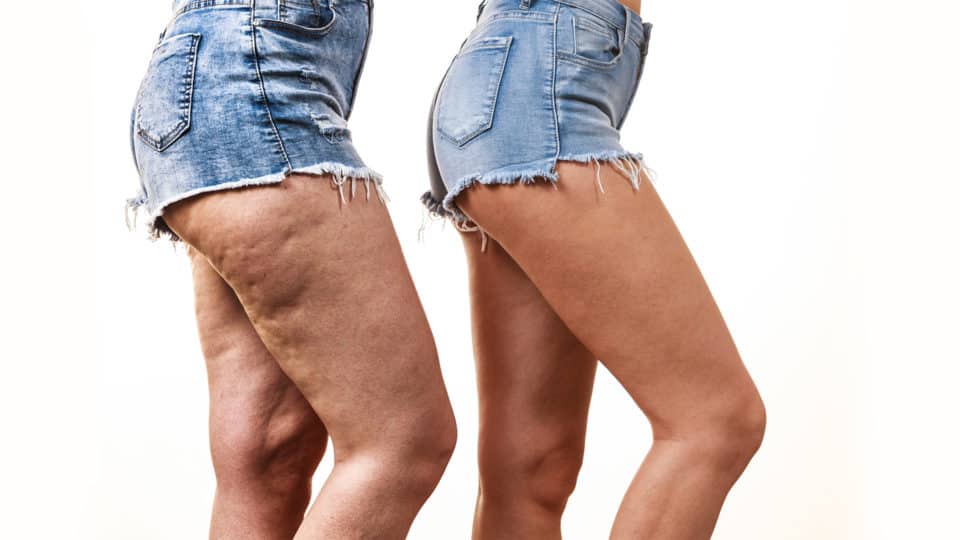
Lipedema is a condition of subcutaneous adipose tissue. Fat cells swell and deposit in a patterned fashion, frequently sparing the torso and halting at the ankles.
Lymphedema is a disorder of lymphatic drainage and causes fluid to build up in the interstitial space.
On exam, lipedema tissue is nodular and firm, with a doughy or lobulated quality. The skin might appear dimpled, but is still fairly loose. In lymphedema, the area can be spongy, soft, and boggy when fluid is lying in it. Advanced lymphedema can be firmer secondary to fibrosis.
Example: Pressing a swollen calf from lipedema yields a firm rebound and little indentation. Pressing a limb with early lymphedema leaves a slight dent that slowly refills. A chart succinctly summarizes these distinctions by juxtaposing consistency, compressibility, compressive response, and etiology.
2. Symmetry vs. Asymmetry
Lipedema usually manifests symmetrically. Both legs or both arms grow in the same fashion. The bilateral mirror-image distribution is characteristic, particularly when onset occurs post-hormonal events such as puberty or pregnancy.
Lymphedema tends to be more asymmetric. One limb might be significantly larger than the other, or the swelling might begin in one limb following surgery, infection, or cancer treatment.
Symmetry guides clinicians. Symmetric, fat-predominant enlargement suggests lipedema. Unilateral, post-injury swelling points to lymphedema.
Common areas: lipedema — outer thighs, hips, buttocks, upper arms. Lymphedema — distal limbs, feet, and localized regions after lymph node damage.
3. Pain vs. Painless
Lipedema generally causes pain, tenderness, and easy bruising. Pain restricts what you can do, ruins how clothes fit, and weighs on your psyche. Patients complain of soreness, pressure, and tenderness.
Lymphedema is less frequently painful, feeling more like heaviness or tightness than acute pain. There can be chronic discomfort, but the pain patterns vary and assist clinicians in distinguishing diagnoses.
Outline typical patterns: lipedema consists of consistent tenderness and bruising. Lymphedema involves episodic pain associated with infection or fluid movement.
4. Feet vs. No Feet
Lipedema characteristically spares the feet and hands, producing a demarcation line at the ankle or wrist. This spared distal territory is a quick visual hint.
Feet and toes are commonly involved in lymphedema, where swelling can reach the ends of the extremities. Use a checklist during the exam to note involvement: ankles and feet present suggest lymphedema; spared feet suggest lipedema.
5. Pitting vs. Non-Pitting
Pitting edema is an indent in the skin that remains after pressure is applied and is common in fluid abundant lymphedema in its initial stages.
Lipedema is typically non-pitting and firm. The pitting test involves pressing with a thumb for 5 seconds, then releasing and observing for indentation and refill time.
This straightforward move helps diagnosis and directs subsequent imaging and treatment.
Underlying Causes
Lipedema and lymphedema both result in limb swelling. Their underlying causes are different. This section describes the biology of each condition, demonstrates how cause drives care, contrasts systemic and local drivers, and provides a summary of key etiologic differences for rapid review.
Hormones
Hormonal changes, especially in estrogen and progesterone balance, are closely associated with lipedema. It usually begins after puberty or sometimes during pregnancy or menopause when hormone levels fluctuate and symptoms can begin or intensify. Most lipedema sufferers say they first noticed disproportionate hip and leg fat following a pregnancy or puberty.
Hormones may affect fat cell activity, fat deposition, and local blood vessel permeability, all of which contribute to the clinical presentation. Lymphedema cases don’t have the same hormonal trigger. The majority of primary and secondary lymphedema cases occur after a congenital vessel defect or tissue damage, like surgery or infection, instead of cyclical hormone shifts.
Hormonal states can indirectly impact fluid balance and inflammation, so exacerbation during these cycles is conceivable but not pathognomic. The life stages most relevant for hormones in lipedema are adolescence, pregnancy, postpartum, and perimenopause.
Genetics
Genetics has an obvious role in lipedema. Nearly every patient will tell you about a dozen or more relatives affected by the condition. Lipedema tends to cluster in families, which can lead clinicians to think about lipedema when disproportionate fat is a family affair.
With lymphedema, genetics play a role in primary forms, which involve mutations or developmental abnormalities of lymphatic vessels. Secondary lymphedema is obtained post trauma, surgical, or infectious. Family history is a useful diagnostic pointer. If a patient has sisters or a mother with the same fat pattern, lipedema is more likely.
If you have a family member that had limb swelling from birth, you may have primary lymphedema. Here’s a quick comparison.
| Aspect | Lipedema | Lymphedema |
|---|---|---|
| Heritability | Often familial | Primary: genetic; Secondary: acquired |
| Typical family clues | Relatives with similar fat pattern | Relatives with congenital swelling |
| Onset relation to genes | High likelihood | Variable |
Lymphatics
Lymphatic malfunction is the basis for lymphedema. When lymphatic vessels are damaged, hypoplastic, or obstructed, drainage is compromised and protein-rich fluid builds up, resulting in chronic inflammation and progressive fibrosis. Common culprits are surgery, radiation, infection, or congenital malformation.
Imaging (lymphoscintigraphy, MR lymphangiography) demonstrates delayed transport, dermal backflow, or absent collectors to confirm diagnosis. In lipedema, primary lymphatic dysfunction is not the etiology, although mild lymphatic alterations or secondary lymphedema can occur over time, particularly with advanced disease.
Lymphatic imaging is frequently normal or minimally abnormal in early lipedema. Swelling patterns differ: lipedema presents as symmetric fatty enlargement that spares the feet, while lymphedema often causes asymmetric, pitting edema that can include the toes and feet. Symptoms and clinical patterns, along with imaging, direct which therapies, such as compression, manual drainage, or surgery, may assist.
Diagnostic Journey
A clear diagnostic pathway reduces errors and speeds appropriate care. Start by mapping steps from symptom onset through clinical evaluation, targeted imaging, and specialist referral. A flowchart is useful: patient notice → primary assessment → focused history and exam → imaging selection → lymphatic referral or conservative management.
Emphasize thorough evaluation to prevent mislabeling lipedema as simple obesity or mistaking lymphedema for venous disease. Common delays include normal blood tests, lack of clinician familiarity, and attribution of symptoms to weight gain. These cause referrals to take months or years.
Physical Exam
Inspection for symmetry, nodularity and site limits is crucial. Lipedema typically presents as bilateral, symmetric fat distribution from hips to ankles with foot sparing. The skin is soft and non-pitting.
As noted, lymphedema is often unilateral in onset, involves the foot, brings about pitting edema early with later skin thickening and fibrotic changes. Palpation assesses tissue texture and compressibility. Lipedema tissue feels nodular, tender, and resists pitting when pressed.
Lymphedema yields softer, sometimes boggy tissue in early stages and firm, indurated tissue as fibrosis sets in. Functional tests, such as the Stemmer sign and manual compression, are quick. A positive Stemmer, which is the inability to pinch the dorsal skin of the toes, supports lymphedema.
Simple gait and range-of-motion checks can reveal mobility limits from bulky adipose in lipedema. Hands-on assessment is high value. A thorough, repeated exam by a clinician familiar with both disorders improves diagnostic accuracy.
List of maneuvers: Stemmer sign, circumferential limb measures at fixed points, pitting test, targeted palpation over fibrotic bands, and foot inspection for Stemmer and dermal changes.
Patient History
Gather information regarding the timing of onset, the course, and the family patterns. It typically starts at hormonal change, such as puberty, pregnancy, or menopause, and demonstrates gradual symmetric progression, with a positive family history being common.
A history of lymphedema might indicate previous surgery, infection, radiation, or trauma in the vicinity of lymph nodes and can occur following these precipitants. Query pain, tenderness, bruising, and disproportionate fat pockets.
Lipedema patients experience tenderness, easy bruising, and swelling that is affected by heat or activity. Lymphedema produces heavier, often non-painful swelling that can worsen with limb dependence and improve with elevation in the acute phase.
Use a structured questionnaire: symptom onset age, pattern (symmetry, feet involvement), pain score, bruising, prior procedures or infections, family cases, weight history, and response to conservative measures. A neat form saves clinic time and emphasizes red flags.
Imaging Tests
Ultrasound first: it shows subcutaneous fat pattern, fluid, and skin thickness. This is useful to rule out deep venous thrombosis. MRI gives soft-tissue contrast, defines fat deposition versus fibrosis, and maps tissue planes.
Lymphoscintigraphy continues to be the gold standard to illustrate lymphatic transport delay or obstruction in lymphedema. Imaging verifies or excludes lymphatic involvement. Lipidemia demonstrates disproportionate subcutaneous fat without lymphatic obstruction on lymphoscintigraphy.
Lymphedema demonstrates delayed tracer clearance, dermal backflow or node uptake alterations. Create a chart of test indications and expected findings:
- Ultrasound for first-line
- MRI for complex anatomy
- Lymphoscintigraphy to confirm lymphatic dysfunction.
Treatment Pathways
Treatment for lipedema and lymphedema has some overlapping tools but different targets. For lymphedema, you want to decrease fluid load and preserve lymphatic pathways. For lipedema, the objective is to minimize painful fat deposits, increase function, and restrict secondary swelling. Treatment plans need to be customized to history, stage, comorbidity, and patient preferences.
Here are some treatment paths and distinctions between methods.
Decongestion
Decongestive therapy remains the cornerstone for lymphedema. It integrates manual lymph drainage, skin care, compression, and exercise to shift fluid from burdened regions and prevent infection. It is less effective for pure lipedema because adipose, not lymph stasis, is the core issue. However, patients with combined disease still benefit.
Checklist — decongestion techniques and indications:
- Manual lymph drainage (MLD) is indicated for primary or secondary lymphedema with pitting swelling. It is not usually helpful for isolated lipedema nodularity. MLD is administered by experienced therapists.
- Complete decongestive therapy (CDT) includes MLD, compression bandaging, skin care, and guided exercise. It is the standard for moderate to severe lymphedema.
- Short-stretch bandaging is used in the intensive phase to reduce limb volume and is excellent for lymphedema flares.
- Pneumatic compression is intermittent pump therapy for persistent fluid and serves as an adjunct in lymphedema when CDT is inadequate.
- Skin and wound care is essential when lymph protein-rich fluid raises the risk of infection. It is commonplace in lymphedema treatment.
- Weight management and exercise are helpful for lipedema pain and mobility. They support decongestion by improving calf muscle pump function in lymphedema.
Compression
Compression garments minimize swelling and support tissue. Treatment depends on the type of disease, stage, and preference.
Comparison of compression options:
| Feature | Lipedema | Lymphedema |
|---|---|---|
| Primary aim | Shape and reduce discomfort in fatty tissue; limit secondary edema | Reduce interstitial fluid and maintain volume reduction |
| Garment type | Low- to medium-pressure, flexible fabrics; focus on comfort and contour | Graduated compression, higher sustained pressure; medical classed stockings |
| Usage | Daily wear for comfort, exercise, and lymph support; fitted to fat distribution | Continuous wear during day; night or bandaging during intensive phase |
| Fitting notes | Often requires custom sizing for limb shape; compression should avoid painful pinching | Requires professional measured compression classes (20–50 mmHg+) and re-measure after reduction |
| Effectiveness | Improves symptoms; does not significantly reduce lipedema fat mass | Clinically reduces edema and maintains long-term volume control |
Surgery
Surgical routes vary based on mechanism and anticipated outcomes. Liposuction treats by removing lipedema fat, while lymphatic surgery restores or bypasses damaged vessels.
Surgical options and selection:
- Liposuction for lipedema: water-assisted or tumescent techniques selectively remove fat to reduce pain, improve contour, and lower secondary swelling. This treatment is optimal for patients with symptomatic, function-limiting disease following conservative care.
- Lymphatic reconstruction for lymphedema: lymphovenous bypass or vascularized lymph node transplant aim to restore drainage. These are selected for advanced, refractory lymphedema with confirmed lymphatic dysfunction.
Risks and benefits:
- Liposuction: benefits include symptom relief and size reduction. Risks include contour irregularities, bleeding, and possible transient lymph injury.
- Lymphatic surgery: benefits include reduced infection and volume over time. Risks include donor-site issues, graft failure, and need for ongoing compression.
Treatment Pathways, side-by-side choice helps clinicians guide patients toward realistic outcomes.
The Human Element
Lipedema or lymphedema’s chronic swelling reshapes not only our bodies but our lives in ways that medical scribes do not record. Physical ache nestles together with incessant concern about how you look, how you work, and what’s to come. We wake with stiffness, plan outfits around swelling, and curtail outings when symptoms flare.
These practical strains create a background of ongoing work: managing symptoms, finding competent clinicians, and navigating insurance or regional care gaps.
Emotional Toll
Frustration, anxiety, and depression are natural. Patients are frequently frustrated by delayed diagnoses or being informed that symptoms are just cosmetic. This gap between lived experience and clinical response exacerbates stress and can cause isolation.
Emotional turmoil delays help-seeking and can render medical interventions ineffective. When anxious or depressed, patients might miss follow-ups, eschew compression, or cease swelling-controlling exercise. That cycle fuels the syndrome and damages quality of life.
- Patient counseling or psychotherapy (individual or group)
- Peer support groups, online forums, and condition-specific communities
- Mind‑body practices: guided breathing, gentle yoga, or meditation
- Practical coaching: occupational therapy, pain management programs
- Crisis resources: local mental health hotlines and emergency contacts
Make your own customized list from the selections above and record local contacts, multilingual availability and insurance coverage.
Social Stigma
Visible swelling invites misconceptions: assumptions of obesity, poor self-care, or that the condition is contagious. These biases manifest at work, in public spaces, and in medical environments. Individuals with lipedema or lymphedema describe microaggressions, invasive questioning, and reduced social invitations.
Stigma destroys self-worth and increases social isolation. Shunning events because you’re afraid of being judged weak only thins your support networks and intensifies your isolation. Public education can change the way people feel about it by explaining that these are medical disorders with structural and genetic components.
Ways to combat stigma in daily life:
- Dispel misinformation as it arises with a calm demeanor and brief, raw truths.
- Wear visible aids confidently and explain them when comfortable.
- Find allies at work and in community groups to normalize accommodations.
- Share stories in moderated forums to humanize the conditions.
- Champion policies in the office that enable flexible breaks for self-care.
Daily Life
Your mobility can be restricted by pain, heaviness, or joint stress. Clothing choices become functional decisions: compression garments, loose fits, and shoes with support. Travel needs extra planning: extra luggage for medical supplies, seating that accommodates swelling, and arranging medical letters for screenings.
Jobs and relationships shift. Others require fewer hours, work-from-home options, or job adjustments. Intimacy and self-image can take a hit, and partners can require knowledge and assistance.
Adaptive strategies help maintain independence. Timing activities for lower-symptom periods, using assistive devices, and building routines that balance rest and movement are effective strategies.
Practical tips to outline include measuring progress with photos and notes, keeping a checklist for travel supplies, mapping local clinics before trips, and making a short emergency plan for swelling flares.
Clinical Challenges
Clinically, the line between lipedema and lymphedema is frequently blurry, posing obstacles to prompt diagnosis and treatment. The two disorders have leg swelling and pain in common but can be distinguished by their pathophysiology, response to treatment, and long-term risks.
Clearer diagnostic pathways, better provider training, insurance policies, and research priorities are all needed to minimize harm and maximize patient outcomes.
Misdiagnosis
High misdiagnosis rates result from symptom overlap and low awareness. Symmetric fat deposition, pain, and easy bruising in patients will be dismissed as obese or pure psychosomatic.
Unilateral swelling or pitting edema may be misdiagnosed as lymphedema when deep-seated lipedema exists. Conditions commonly mistaken for these disorders include simple obesity, venous insufficiency, chronic venous disease, cellulitis, rheumatoid or inflammatory arthritis, hypothyroidism, and medication-related edema.
Each can produce limb enlargement, altered skin texture, or pain, which can confuse clinical judgment. Incorrect diagnosis leads to wrong treatments, such as liposuction for primary lymphedema or only compression for advanced lipedema, for example.
These missteps can exacerbate symptoms, postpone effective treatments, and increase psychological load.
Checklist to reduce errors:
- Document distribution: symmetric vs asymmetric, hands/feet involvement.
- Test for pitting and Stemmer sign.
- Review pain, bruising, and family history.
- Assess weight distribution vs localized disproportion.
- Order duplex ultrasound and lymphoscintigraphy when unclear.
- Reassess response to initial therapy within months.
Overlap
Some patients present with mixed features: lipedema-related adipose changes and lymphatic dysfunction from chronic overload or prior surgery. These mixed presentations make staging and treatment selection difficult as fat reduction may be required with lymphatic support.
Mixed cases are difficult to treat. Liposuction will remove girth, but it can exacerbate lymph flow without lymph-sparing liposuction. Conservative care, including manual lymph drainage, compression, and exercise, assists both, but may be insufficient alone when adipose hypertrophy predominates.
Multidisciplinary care is essential. This includes vascular medicine, lymphedema therapists, plastic/reconstructive surgeons, physical therapists, and mental health professionals. Teams should individualize plans with clear goals.
These goals are to reduce pain, preserve function, and prevent progression.
Criteria for overlap identification:
- Chronic progressive, disproportionate fat with later onset pitting edema.
- Imaging showing both adipose hypertrophy and impaired lymph transport.
- Poor response to single-modality therapy.
Awareness
Awareness among providers and the public is low, limiting early recognition. Most clinicians are not taught much about lipedema, if anything at all.
Lymphedema training is superior but is patchy across different areas. Advocacy groups are crucial, providing patient education and clinician materials and research funding.
Their work can normalize language and care pathways throughout health systems. Early recognition yields better outcomes: less pain, improved mobility, and reduced need for invasive procedures.
Key messages for campaigns:
- Know the pattern: disproportionate, often symmetric lower-body enlargement.
- Pain and easy bruising suggest lipedema.
- Feet involvement suggests lymphedema.
- Seek a multidisciplinary assessment early.
Conclusion
Lipedema and lymphedema both feature swelling and affect quality of life, yet they differ in cause, pattern, and treatment. Lipedema originates in fat, exhibits a symmetrical thigh and arm distribution, and spares the feet. Lymphedema ties to lymph flow loss, can impact a single limb, and typically includes the foot. Diagnosis depends on history, physical examination, and imaging. Treatment combines medical treatment, movement, and manual therapy. Surgery assists certain lipedema and late-stage lymphedema cases. Patients encounter lengthy delays, misdiagnosis, and insurance restrictions. Definitive tests, early treatment, and patient-focused strategies reduce risk and relieve symptoms.
Consider solutions, consult an expert, and track progress to inform next decisions.
Frequently Asked Questions
What is the main difference between lipedema and lymphedema?
Lipedema is a chronic, painful, symmetrical fat condition primarily affecting hips and legs. Lymphedema is swelling caused by lymph fluid accumulation, typically on one side. Both conditions cause leg enlargement, but they have different etiologies and treatments.
How are lipedema and lymphedema diagnosed?
Its diagnosis relies on medical history, physical exam, and imaging, including ultrasound and lymphoscintigraphy. Consultation with a specialist, such as a vascular surgeon, lymphedema therapist, or clinician who is experienced in lipedema, is more precise.
Can lipedema turn into lymphedema?
Yes. Advanced lipedema can disrupt lymph flow and cause secondary lymphedema. Early control lessens this hazard.
What treatments work best for each condition?
Lipedema: Conservative care includes compression, tailored exercise, and diet support, and lipedema-specific liposuction when appropriate. Lymphedema: Manual lymph drainage, compression therapy, skin care, exercise, and sometimes surgery.
Will weight loss cure lipedema or lymphedema?
No. While weight loss may decrease general adiposity and symptoms in lipedema, it is not curative. Lymphedema does not fluctuate with weight loss and treatment involves lymph drainage and compression.
How do symptoms affect daily life and mobility?
Both cause pain, heaviness, decreased mobility, and decreased quality of life. Treatment helps restore function, diminishes pain, and facilitates activities of daily living.
When should I see a specialist?
Visit a specialist if you have worsening leg enlargement, pain, skin changes, recurrent infections, or failure to respond to conservative care. Early referral enhances diagnosis and outcome.