Key Takeaways
- GLP-1 drugs such as Ozempic aid weight loss and metabolic health and necessitate continuous medical oversight from potential adverse effects.
- Weight loss, especially quick weight loss, can change the makeup of your muscle mass and the elasticity of your skin. Strength training and a protein-rich diet are important for this.
- It is advised to have a stable weight for a minimum of six months prior to body contouring surgery because weight fluctuations can affect the results.
- Thorough medical workup, nutritional priming, and realistic expectations are important prerequisites for any body contouring procedures.
- A successful recovery from surgery includes following post-operative instructions, caring for your scars, and seeking emotional and physical support.
- It’s your continued self-care, exercise, and enthusiasm for your journey that will keep you well in the long term.
Procedures after losing weight on Ozempic: What are your options to keep it off, loose skin and health changes to watch out for. Most of us need to eat better, stay active and consult with your physician.
Some will want to inquire about skin tightening treatments or other care. Understanding what comes next assists you in establishing realistic objectives and prepares you for sustained success.
The main body will detail these steps explicitly.
GLP-1 Medications
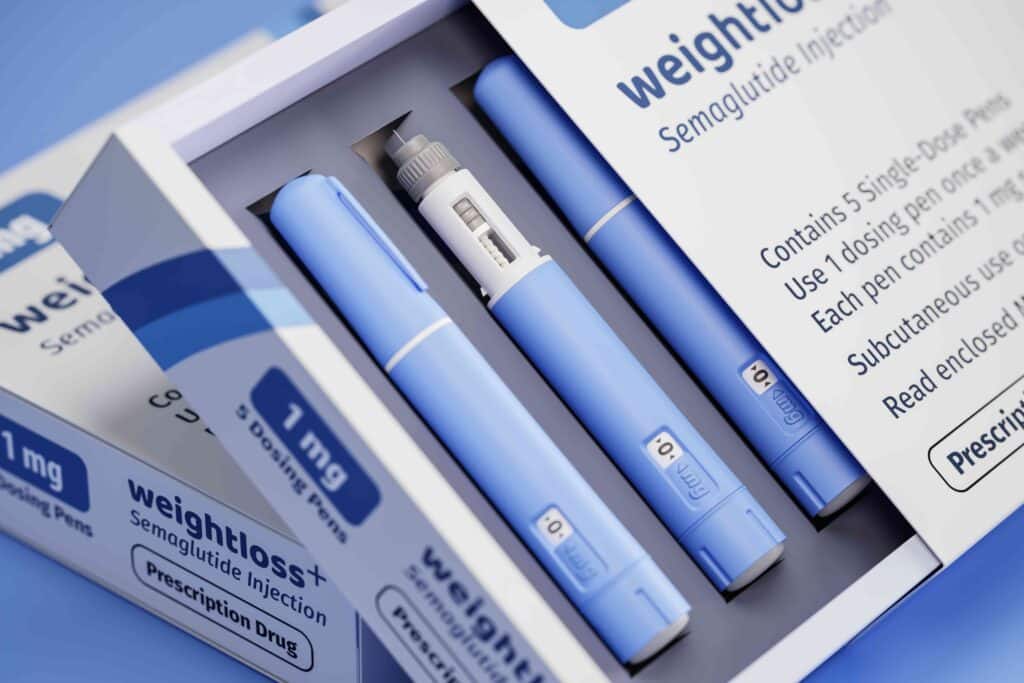
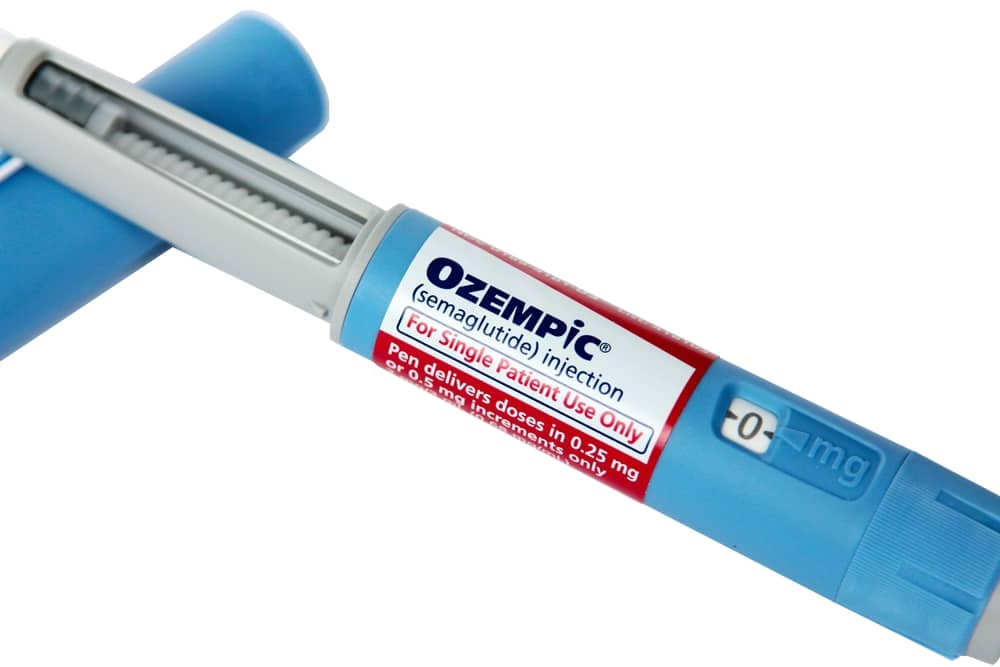
GLP-1 medications, such as semaglutide and tirzepatide, are commonly prescribed to assist individuals with type 2 diabetes in regulating blood sugar levels while promoting weight loss. When used, they can result in dramatic weight loss, sometimes 22 to 45 kilograms or more.
In addition to GLP-1 medications being known for their weight-related transformations, they are quickly becoming recognized for their ability to suppress appetite, alter body composition, and even impact skin and muscle integrity after rapid weight loss.
The Mechanism
GLP-1 receptor agonists operate by multiple mechanisms. They slow stomach emptying, so food remains in the stomach for longer. This causes me to feel full earlier and stay satiated longer.
The upshot is that you get less hungry at every meal and snacking drops, which helps burn off the extra pounds. These drugs similarly promote insulin secretion when blood sugar is elevated and reduce the amount of glucose the liver produces.
For type 2 diabetes, this helps keep blood sugar steady. By suppressing appetite and increasing feelings of fullness, GLP-1 meds help make low-calorie diets much more manageable. Reactions to these drugs differ. Some shed a significant amount of pounds, while others experience minor fluctuations.
Genetics, current health, and lifestyle all matter.
The Side Effects
- Nausea, vomiting, or diarrhea
- Constipation
- Headache
- Fatigue
- Dizziness
- Abdominal pain or bloating
- Rare: pancreatitis, gallbladder problems, or thyroid tumors
- Possible allergic reactions or injection site irritation
Others experience rarer but more serious side effects like indications of pancreatitis (severe abdominal pain, vomiting) or thyroid tumors. Any adverse response ought to be disclosed to a physician.
Personal health history can exacerbate or increase the likelihood of side effects. Those with a history of stomach or thyroid issues may require more careful observation.
The Muscle Factor
Weight loss drugs like Ozempic can reduce fat and muscle mass. When you lose muscle, your metabolism slows and you can get a different body composition.
Strength training is critical to help preserve muscle. This might be weight lifting or bodyweight exercises a few times a week. Getting adequate protein is just as crucial.
Lean meats, dairy, beans or plants all assist the body in repairing and maintaining muscle during weight loss. Maintaining muscle not only helps define your physique, but keeps your caloric needs elevated, making it easier to maintain your weight loss.
The Skin Impact
Fast weight reduction can stretch the skin out, causing it to become loose or saggy in certain places. This is typical in the face, so-called ‘Ozempic face’ and gluteal area, so-called ‘Ozempic butt’.
Sagging occurs due to loss of skin volume and elasticity. Collagen and elastin are core to skin strength. When these proteins decrease, skin can appear more wrinkled or loose.
These changes tend to present themselves most in the face, stomach, and arms. Others might opt for skin-tightening procedures to assist with loose skin. It’s usually best to wait until weight is stable for 6 to 12 months before any cosmetic procedure.
Surgical Candidacy
Not everyone who sheds pounds with Ozempic requires or is a surgical candidate. Surgical candidacy depends on a combination of factors, such as how much weight has been shed, the duration of being overweight, and skin elasticity. These standards are the same regardless of whether weight loss occurs with medications, bariatric surgery, or lifestyle changes.
Most individuals experience loose skin after losing 20 to 70 kg, especially when the skin has been stretched for years. Procedures like abdominoplasty or lower body lift help eliminate this skin, but only surgical candidates with very strict criteria find the best and safest outcomes.
Weight Stability
- Be at your goal or stable weight for a minimum of 6 months prior to any surgery.
- Body mass index (BMI) within a healthy range.
- No recent sharp gains or losses in weight.
- No plans for future major weight changes.
Remaining at that weight for six months allows the skin to adjust and demonstrates to the physicians exactly what needs to be repaired. Weight bouncing up and down makes surgery less safe and can even reverse results.
A stable weight aids in steady healing and reduces complications. Those who maintain a stable weight tend to experience a greater sense of control and preparedness as they approach the surgical transition. This psychological preparation is as important as any physical requirement.
Nutritional Status
Good nutrition counts before any body sculpting treatment. A diet of lean protein, fruits, vegetables, whole grains, and healthy fats fuels the body’s repairs and growth. Proper nutrition accelerates healing and reduces the risk of complications such as infections or delayed wound healing.
Water intake is sufficient for daily presence on skin and tissues. Dehydration can impede healing and inflame side effects after surgery.
Address vitamin or mineral deficiencies, such as iron, zinc, or vitamin D, as these can slow healing and raise surgical risk.
Medical Clearance
A complete medical exam is required before surgery. That typically includes blood and heart tests and occasionally imaging scans to check for silent medical issues.
The health care provider checks overall health, reviews past illnesses, and points out risks tied to age, heart issues, or diabetes. Every medicine or supplement should be shared with the surgeon, as some may raise the risk of bleeding or other problems.
Comprehensive health evaluation makes surgery safer and prepares for the best possible outcome.
Realistic Expectations
Establish realistic goals with your surgeon according to your personal body shape and skin quality. Surgeries can enhance shape but won’t restore skin to its pre-weight gain appearance.
Know that recovery is gradual and may require as much as six weeks of modified activity. Discuss what outcomes are feasible and what aren’t. This avoids heartache and leaves the vast majority more than happy post-surgery.
Body Contouring Procedures
Even after major weight loss such as with Ozempic, sagging skin and those pesky fat deposits can linger. Body contouring procedures help to tighten skin and reshape those stubborn fat areas that are hard to lose. Tummy tucks, arm lifts, thigh lifts, lower body lifts, and breast lifts are each designed for a specific part of the body.
Which is right for you depends on your goals, your body, and the quality of your skin. Ideal candidates are between the ages of 18 and 65, are in good health, have maintained a stable weight for a minimum of six months, and are non-smokers. Seeking the advice of a reputable plastic surgeon is essential to locating the safest and most efficient choice.
1. Abdominoplasty
A tummy tuck, or abdominoplasty, eliminates loose skin and firms muscles in the stomach area. It’s a favorite for those massive weight loss patients that are left with pendulous belly skin. This surgery can assist in flattening the stomach and creating a more proportional appearance.
Regular tummy tucks require a hip-to-hip horizontal incision, whereas S.M.A.R.T. Tummy tucks utilize a minimal incision, which generally means less scarring and quicker recovery. Abdominoplasty candidates should be at a stable weight, do not smoke, and be in good health.
This is not a procedure for those still shedding pounds or considering having children. Results are optimal when combined with a healthy lifestyle. Healing can involve swelling, bruising, and some pain, but it all goes away.
2. Brachioplasty
Brachioplasty, or arm lift, focuses on loose skin covering the upper arms. This is typical after significant weight loss where skin won’t snap back. It eliminates excess skin and some fat, keeping arms looking sculpted and taut.
Classic candidates are adults with stable weight and healthy habits. For the majority of patients, their arms feel more smooth and contoured. Inner arm scars are inevitable.
Have frank conversations with the surgeon about scar placement and healing.
3. Thighplasty
A thigh lift eliminates loose skin from the inner or outer thighs. This surgery removes extra skin and fat, which makes thighs appear tighter and more contoured. The best candidates have sagging thighs post-weight loss, firm skin, and good circulation.
Recovery can bring swelling, bruising, and soreness. Hazards encompass infection, delayed healing, and irregular outcomes. Patients need to plan for downtime and adhere to care instructions meticulously in order to heal well.
4. Mastopexy
Mastopexy, aka breast lift, elevates and recontours breasts that have sagged following weight loss. They can use various incisions and techniques depending on the size and shape of the breast, such as lollipop or anchor patterns.
Ideal candidates possess good skin tone, achievable expectations and want to enhance breast contour, not volume. Just talk with your surgeon about what’s possible and what changes you want most.
5. Lower Body Lift
A lower body lift addresses loose skin on the hips, buttocks, and thighs as a combined procedure. This is often performed after significant weight loss, contouring the lower body in one swoop.
This surgery is best for individuals who have lost significant weight, maintained that weight loss, and are otherwise healthy. Its healing is more extended and complicated, typically requiring weeks of downtime and special attention.
Arranging for help at home and time off work are key ingredients in your recuperation.
The Surgical Journey
Body contouring surgeries are on the rise as individuals shed significant pounds from medications such as GLP-1 agonists, including Ozempic. Some have lost as much as 45 kilograms and beyond with these treatments that result in big changes. After weight loss, most observe loose skin over the arms, stomach, thighs, and even the face, where skin appears less plump and more drawn.
Plastic surgery does assist with contouring these areas, trimming excess skin and providing a more balanced appearance. There are a couple of key steps, all highlighting safety, yourself, and realistic expectations.
The Consultation
So the only thing I’d tell patients to do is arrive to their first meeting with a list of questions so they can really understand all their options. Coming with specific aims and worries aids the surgeon in understanding what the patient desires: smoother arms, a tighter stomach, or a firmer face.
A full medical history is important, including any medicine or health problems, since that factors into the plan and safety. Surgeons look at each case by checking skin quality, how much volume is lost, and where the extra skin is.
They use this info to suggest specific procedures, like a tummy tuck or arm lift, and talk about which steps can be done together or need to be staged for safety. Building trust with the surgical team matters since it helps with honest talks and sets the stage for smoother recovery.
The Preparation
- Adhere to all pre-op instructions, such as fasting for a specific duration prior to surgery and discontinuing certain medications if directed.
- Get health checks, including lab tests, to make sure you’re fit for surgery.
- Get someone to assist you at home post-surgery, particularly during the initial week.
- Set up your home with items like wound care supplies and quick meals.
- Avoid smoking and alcohol, as these can slow healing.
Patients need to schedule down time and request assistance from relatives or friends. Doing things your surgeon tells you to do, like quitting blood thinners, can reduce the risk of complications.
Preparation isn’t just physical; establishing a positive mental frame and understanding what recovery looks like makes the entire experience less anxious.
The Anesthesia
Body contouring surgeries employ a variety of anesthesia, from local with sedation in smaller areas to general anesthesia in more complex cases. Anesthesia maintains patients pain-free and protected as the surgeon operates.
The anesthesiologist reviews everyone’s health, choosing the appropriate technique for their age, weight, and other considerations. Certain patients are concerned about anesthesia.
It makes talking about these concerns with the team ahead of surgery helpful as they can outline what to expect. Post-surgery, having someone observe you as the anesthesia dissipates is crucial. Patients require a strategy for returning home and recuperating securely.
Recovery Insights
Body contouring after massive weight loss, including with semaglutide like Ozempic, is never a cookie-cutter experience. Recovery may be very different for you than for others as each body heals in its own time. Some may address only one concern, and others may decide on multiple treatments at a time.
Following surgery, there are a few universal milestones most patients will encounter:
- Immediate rest and limited movement for the first days
- Managing swelling and discomfort with prescribed medication
- Gradual increase in light activity as advised
- Removal of stitches or dressings at follow-up visits
- Watching for signs of infection or other complications
- Regular check-ins with your healthcare team
- Resuming normal daily activities after medical clearance
- Ongoing scar care and skin maintenance
Diligent observance of your post-op instructions is the road to healing well. These tips aid infection prevention, accelerate recovery, and maintain on-target results. Exercise is a major component to regaining strength and function, but it has to be reintroduced gradually and safely, typically with your care team’s guidance.
Swelling and soreness are frequent, too. These are natural reactions to the body’s repair effort. Controlling your expectations relieves stress and promotes recovery.
The Timeline
Body contouring recovery is based on what type and how many procedures you undergo. For instance, an abdominoplasty may necessitate two to four weeks before resuming desk work. Complete activity recovery could take six to eight weeks.
Arm or thigh lifts, or combined procedures, can prolong recovery. Most swelling subsides during the first month, while refinements persist up to a year. There are usually three main phases: immediate healing (first two weeks), intermediate (weeks three to six), and full recovery (after two months).
Patients need to make all their scheduled follow-ups. These appointments help the doctors look for problems and follow the healing process. Certain changes are apparent early, but the ultimate outcomes can require months. Patience is needed as results settle.
The Scars
Scars are a natural consequence of surgery. Their dimensions, hue, and form vary between individuals. At first, scars appear red and raised, but they tend to fade as time goes on.
Taking care of your scars by keeping them clean, moisturized, and protected from the sun can help them heal better. Others may find silicone sheets or gels useful. People concerned about noticeable scarring can inquire about solutions such as laser therapy or steroid injections.
These choices can assist marks level off and blend. As months go by, most scars tend to fade.
The Support
Support is huge when it comes to post-surgery recovery. Both emotional and practical support are a significant benefit. Friends or family that assist with daily tasks can accelerate healing.
Open dialogues with your surgeon or nurses regarding pain, swelling, or fears provide space for timely guidance. Enrolling in support groups, either online or local, brings patients together with others experiencing similar transformations.
It makes recovery feel normal and gives you common coping advice.
A Personal Perspective
Shedding major pounds on Ozempic transforms more than the physique. Some days they don’t recognize themselves, like a stranger inhabiting their body. This can be shocking after years of lugging around the additional pounds. For some, these transitions are buoying, and for others they bring surprising emotional and physical struggles that warrant genuine focus.
The Mental Shift
A significant weight loss, particularly when it’s rapid, can be an emotional roller coaster. Once you lose 45 kilos or more, some see their face haggard, cheeks hollow and wrinkles stand out. This can make you feel insecure, despite the numbers reflecting achievement. Half of you expect to feel happy, and instead, you feel alienated from your new appearance.
It takes time to embrace a new body. They have to believe they’re healthy, not just skinnier. Centering on general health, like improved sleep and increased energy, is effective. Friends’ or online groups’ support helps, but sometimes chatting with a counselor or therapist is best.
Therapy provides room to process transition and reconstruct personal confidence. Body positivity is embracing imperfections and transformations, even post surgery. Most learn that it’s better to be healthy than to have a perfectly chiseled look. For sustainable happiness, instead of focusing on aesthetics, focus on wellness.
The Financial Reality
| Procedure | Average Cost (USD) | Insurance Coverage | Financing Options |
|---|---|---|---|
| Arm Lift | $4,500 | Rare | Payment plan, loan |
| Abdominoplasty (Tummy Tuck) | $6,000 | Rare | Credit, healthcare financing |
| Thigh Lift | $5,500 | Rare | Payment plan, loan |
| Face/Neck Lift | $7,500 | Rare | Credit, installment |
The majority of cosmetic surgery for loose skin is not covered by insurance. Out-of-pocket expenses may accumulate, such as anesthesia and aftercare. Budget accordingly, not just for the process, but for post-op visits, garments, and potential touch-ups.
It keeps you from going into panic mode. Some clinics have payment plans or loans, making care available to more people. Surgery is an investment and an optional one. It is an investment that can work wonders for self-esteem and lead to a more fulfilling life, but it requires serious consideration.
The Long-Term View
Getting surgery doesn’t put an end to the journey. Balanced meals, exercise, and good sleep play a role in maintaining results. Skincare does play a role, too. Moisturiser and sunscreen aid scars in healing and maintain skin that feels fresh.
Self-care is never-ending. Some discover that face or body revisions require multiple surgeries. Some require time for scars to subside or swelling to reduce. A long tail perspective keeps your hopes realistic.
Body contouring is just one mile in a marathon. Real well-being mixes corporeal, psychological, and emotional health. Everyone’s requirements are unique and the road doesn’t stop at the clinic.
Conclusion
Slimming down on Ozempic can transform your physique. What next steps often look like is examining skin changes, muscle tone, and whether surgery fits your needs. Most discover actual highs and lows following massive weight loss. Others opt for body contouring to help skin conform to their new figure. Some go for muscle building or maintain easy skin-care regimens. Every option has its pluses and minuses, so a consultation with an experienced physician assists in determining what suits best. There are many different routes that work. The key is to be aware and watch out for yourself. Interested in learning more or planning your next step? Connect for a chat with a care team that understands this journey.
Frequently Asked Questions
What are GLP-1 medications like Ozempic used for?
GLP-1 meds like Ozempic are used to treat type 2 diabetes and aid weight loss. They function by regulating blood sugar and suppressing appetite.
Who is a candidate for body contouring surgery after weight loss on Ozempic?
They’re candidates are typically adults with stable weight, good health, and excess skin following massive weight loss. You’ll need to meet with a qualified surgeon to determine if you’re a good fit.
What body contouring procedures are common after Ozempic weight loss?
Some of the more common procedures are abdominoplasty (tummy tuck), arm lift, thigh lift and lower body lift. These surgeries remove the extra skin and help enhance your body contours.
How long does recovery take after body contouring surgery?
Recovery depends on the type of procedure but is usually 2 to 6 weeks. Most resume normal activity slowly and heed doctors’ instructions for optimal outcomes.
Are body contouring procedures safe after using Ozempic?
Yes, these procedures are usually safe, but dangers exist. An in-person consultation with a board-certified surgeon guarantees the safest path tailored to your medical history and goals.
Will insurance cover body contouring surgery after weight loss on Ozempic?
Insurance might cover medically necessary procedures for instance to treat skin infections. Coverage depends, so check with your provider.
What should I expect during my surgical journey after Ozempic weight loss?
It covers consultation, pre-surgery planning, the surgery itself, and post-surgery care. Recovery support and regular follow-ups are key for the best outcomes.