Key Takeaways
- There are certain signs that you might need liposuction after GLP-1. You’re dealing with stubborn pockets of fat and you’ve hit a plateau of weight loss after GLP-1.
- Making sure your body proportions are in check and your weight has been stable for a while if you’re thinking about liposuction for some spot reduction of fat.
- Liposuction is best for stubborn fat that diet, exercise, or medication alone can’t seem to shake.
- Professional evaluation, including clinical assessment and diagnostic tools, helps determine if liposuction is suitable and ensures safe outcomes.
- Informing about all medications, ensuring nutritional status, and knowing anesthesia risks are important safety considerations for the surgical journey.
- A healthy lifestyle and weight maintenance post-surgery ensure longevity of results and complement your body contouring success.
Liposuction after GLP-1 signs can manifest as loose skin, residual fat deposits, or stubborn body areas that retain contour adjustments despite weight loss.
They can be visible in the arms, belly, hips, or thighs when they hit their goal weight. Liposuction can help smooth these areas out for a more balanced appearance.
The following sections describe what to look for and when to consult a physician.
Key Indicators
How to know when liposuction after GLP-1 therapy might be right for you. The signs below can help direct the decision for those who have lost big and are contemplating additional body sculpting.
Key indicators of readiness for liposuction after GLP-1 therapy:
- Persistent fat in specific body areas despite weight loss
- Weight plateau despite continued healthy habits
- Disproportionate fat distribution affecting confidence
- Stable weight maintained for 3–6 months or more
- Realistic expectations for outcomes and body shape
1. Stubborn Fat
Certain fat stores, such as those around the abdomen, hips, or thighs, might be resistant to diet and exercise even following weight loss from GLP-1 therapy. That can be annoying, particularly when those pesky places are interrupting your body lines or causing garments to sit unevenly.
Sometimes, after shedding anywhere from 15 to 22 percent of total body weight, pockets of stubborn fat remain in high visibility areas, such as under the arms, lower belly, or inner thighs. Stubborn fat can affect confidence, leaving people feeling like they haven’t achieved their wellness aspirations.
These are sometimes areas that require direct excision, and liposuction focuses on fat cells that continue to resist both lifestyle and medication. The suffering that these last bits of fat refuse to budge, despite strict regimes. Liposuction tech like PAL, BodyTite, VASER, or Lipo 360 can provide you with exact fat sculpting and some degree of skin tightening.
2. Weight Plateau
A plateau is when the scale refuses to budge anymore, even though you’ve kept up with the diet, exercise, or medication. Weight loss stalls and body measurements stop moving. This typically follows significant losses as the body adjusts to its new normal.
Hitting a plateau can get to your motivation and self-image. It can indicate the body has adapted as far as it will via lifestyle and medicinal intervention. At this point, surgical interventions such as liposuction may be indicated if additional fat loss is desired.
After a plateau, key indicator-based processes get you past the stuck point.
3. Body Proportions
After significant weight loss, some individuals observe an irregular contour. For instance, you may still retain some extra fat around the waist or hips, but your arms and face look much thinner. This imbalance can be uncomfortable or ungainly, particularly in clothes or swimwear.
Enhancing your proportions through liposuction can lend you a more balanced appearance. It’s typical for people who drop 50 to 100 pounds or greater to have stranded fat or hanging skin in the stomach. Occasionally, additional skin excision procedures are required for the best results.
4. Stable Weight
Stability is key for safe effective liposuction results. Most surgeons suggest maintaining a steady weight within 2 to 5 kgs (5 to 10 pounds) of your target for 3 to 6 months. Ideally, weight plateaus for the next 6 to 12 months, which demonstrates that metabolic shifts post GLP-1 have stabilized.
Maintaining a stable weight guarantees that your liposuction results will last since significant post-surgery weight fluctuations can alter the end result. A stable weight indicates that habits are established and your body is prepared for reconfiguration.
5. Realistic Goals
A well-defined, realistic objective helps synchronize expectations with what surgery can provide. Knowing what liposuction can’t do, such as how much fat you can safely remove or how much your skin will retract, can make the difference between satisfaction and disappointment.
Those with achievable objectives are best able to be happy with their outcome and not left feeling let down. Obviously, establishing your definition of “success,” whether it’s smoother lines, clothes fitting better, or increased self-confidence, is important.
Talking through your choices with a physician can assist you in designing a treatment plan that aligns with your unique situation and long-term health.
GLP-1 vs. Liposuction
GLP-1 medications and liposuction work through different avenues to help people shed fat. They both enhance body contours yet employ contrasting approaches, with their own advantages and constraints. Many of us opt for a combination of these approaches to achieve the appearance we desire, particularly if nutrition and fitness alone don’t address lingering fat or sagging skin.
| Aspect | GLP-1 Medications | Liposuction |
|---|---|---|
| Mechanism | Shrinks fat cells body-wide | Removes fat cells from chosen spots |
| Results Timeline | 12–24 months for full effect | Immediate, with swelling that fades |
| Precision | Not targeted, systemic only | Highly targeted, shapes specific areas |
| Permanence | Requires ongoing use | Permanent removal of fat cells |
| Impact on Skin | Can cause loose skin | May tighten skin over treated areas |
| Weight Regain Risk | High if therapy stops | Lower, but still possible with gain |
| Body Contour | No shaping, just bulk fat loss | Precise sculpting, enhances contours |
Systemic Loss
GLP-1s work systemically. They assist in reducing fat cells all over, not just in a specific area. That can cause weight loss from areas they didn’t imagine, such as the face or butt. Occasionally, this results in a “hollowed” look or sagging skin, particularly if weight falls rapidly or is a significant amount within a brief timeframe.
Even with consistent weight loss, fat doesn’t always depart evenly. They could still observe those pesky, stubborn pockets of flab hanging around — even after months on GLP-1s. These places can be aggravating. GLP-1s don’t sculpt the body, so even with reduced fat, the body’s contours may or may not appear as desired.
Systemic weight loss can alter the skin’s fit. When fat shrinks quickly, the skin can’t always follow suit, leading to loose or sagging areas. This is typical around the belly, arms, or thighs. In these situations, liposuction can assist by removing excess fat and occasionally by enhancing skin appearance.
Targeted Removal
Liposuction steps in where GLP-1s can’t tread. It allows physicians to remove fat from a single area per session. For instance, one might wish to sculpt a smaller waist or thighs following GLP-1 weight loss. Liposuction can target these trouble areas and create a more balanced and smooth appearing body.
There are many kinds of liposuction — tumescent, ultrasound-assisted, or laser-assisted. Both have their own method to disrupt and evacuate fat, but each allows accurate management of where to sculpt and contour. This assists individuals in achieving their preferred contours, something medication alone can’t do.
Sometimes patients opt for liposuction after GLP-1 use to correct uneven fat loss or manage hanging skin following significant transformations. The transformation is typically obvious immediately, and outcomes improve as swelling subsides. Liposuction removes fat cells permanently, providing a more permanent modification, while GLP-1s require individuals to continue taking the medication to remain thin.
Professional Assessment
A professional assessment is key to knowing if liposuction is right after GLP-1 use. It helps spot who can safely get the procedure and when. For people who lost a lot of weight, the assessment looks at skin, fat, and muscle to find the best next step.
Many need to keep their weight steady, often for three to six months, before surgery can be considered. This helps lower risks and gives the body time to adjust. A careful check finds issues like gastroparesis, which can make anesthesia riskier.
Clinical Evaluation
A clinical evaluation starts with a full health check and a talk with a qualified professional. The doctor asks about medical history, including how long and how much weight was lost with GLP-1 treatment. This is to spot any complications that might happen, like slow stomach emptying or changes in blood sugar.
Skin quality and fat spread are checked by looking and feeling different areas. If the skin is loose or thin, the doctor may suggest waiting or trying a staged treatment plan. Detailed evaluation leads to a plan that fits each person and helps pick the right timing for liposuction, sometimes combining it with other contouring steps for the best results.
Diagnostic Tools
Physicians employ multiple instruments to observe the distribution of fat and skin tension. Imaging such as ultrasound can demonstrate where that fat sits and whether the tissue beneath the skin is strong enough to support surgery.
Body composition scans measure fat and muscle as a nice catch-all since weight loss from GLP-1 can alter both. Several clinics use specialized tests to measure skin elasticity, providing a numerical value to help estimate how much skin may “snap back” after fat extraction. Such tools render planning more precise and can assist in selection between liposuction varieties, such as VASER or Power-Assisted Liposuction, to optimize results and safety.
Candidacy Factors
| Factor | Details |
|---|---|
| Overall Health | Must be in good health with no major medical issues |
| Weight Stability | At least 3–6 months of stable weight after GLP-1 |
| Skin Condition | Good skin elasticity or plans for skin removal if lax |
| Age and Lifestyle | Age impacts skin tone; active lifestyle helps long-term results |
| Psychological Readiness | Patient must understand risks and set realistic goals |
| Prior Weight Loss | Previous methods and amount lost affect the approach |
Not all people are candidates for liposuction. Age is important. Younger skin tends to rebound better, but even older adults can take advantage with proper scheduling.
Lifestyle matters. Consistent activity and sensible nutrition maintain results. Setting realistic goals is crucial. Liposuction contours the body but is not an answer for weight or medical concerns. Others might require multiple treatments spread out over time.
The Metabolic Shift
The metabolic shift refers to the dramatic alteration in the body’s processing of energy, hormones, and fat following big weight loss, like with GLP-1s. This shift is about more than just shedding pounds. It shifts metabolism, redistributes body fat, can cause pockets of resistant fat and loose skin, and impact healing.
For those contemplating liposuction after GLP-1 therapy, it’s crucial to understand how these shifts can influence the surgery’s necessity and outcomes.
Hormonal Influence
Hormones are important in fat storage and appetite control. GLP-1 meds reduce appetite and slow gastric emptying. This can lead to 11-30% body weight loss in individuals. Unfortunately, fat is not always lost evenly.
It’s not unusual for people to shed pounds yet still have fat cling to the flanks, belly, or thighs. If you stop GLP-1, hormonal shifts may occur once more. This may shift how the body stores new fat, impact how well a patient heals post-operative, and even alter the appearance of results.
These hormone swings can interfere with blood sugar or blood pressure. That’s why physicians may have patients discontinue GLP-1 before surgery to reduce the risk of issues with bleeding or delayed healing.
Post-GLP-1 Body
A large weight loss can cause more than just fat loss. Skin won’t necessarily shrink either – especially after losing 40 or 50 pounds. Some of us get loose skin and some of us get fat pockets that won’t move.
These changes count for liposuction. Not for everyone. Surgeons seek patients who have maintained a stable weight for 3 to 6 months. Steady is better for healing and is less likely to be an up-down effect.
A post-GLP-1 body may require more than just some fat trimming. Others may require skin tightening or fillers to address volume loss. Protein is key as well. Getting 60 to 80 grams daily can assist with tissue repair and minimize surgical risks.
Surgical Timing
Timing is everything after GLP-1 therapy. Immediately following significant weight loss, the body remains in transition. Diving into surgery prematurely can lead to swelling, delayed healing or ultimately non-durable results.
Liposuction is best done when the weight has plateaued for a few months. This assists the body in settling and allows physicians to map out the appropriate measures. Waiting gives skin a chance to acclimate, which can impact what procedures are necessary.
Patients might have to discontinue GLP-1 and other medications preoperatively, which facilitates risk reduction during and after the surgery.
Safety Considerations
Thinking about liposuction after GLP-1 use like semaglutide or tirzepatide requires safety considerations. These medications delay gastric emptying, which can alter the body’s response to anesthesia. Risks can increase if the proper measures are not followed, so individuals need to collaborate with their medical team to achieve optimal and safe outcomes.
Medication Disclosure
Informing your surgical team of all medications, including GLP-1 drugs, is essential. GLP-1 drugs can affect anesthetic processing, in particular due to delayed gastric emptying. Even skipping two days on these medications will not empty the stomach sufficiently for surgery.
Complete medication history aids the team in managing anesthesia and surgery. All surgeons we spoke to recommend discontinuing GLP-1 drugs one to four weeks prior to surgery to reduce the risk of nausea, dehydration, or high stomach content. The anesthesiologist typically determines the stop period, which is at least a week in most instances.
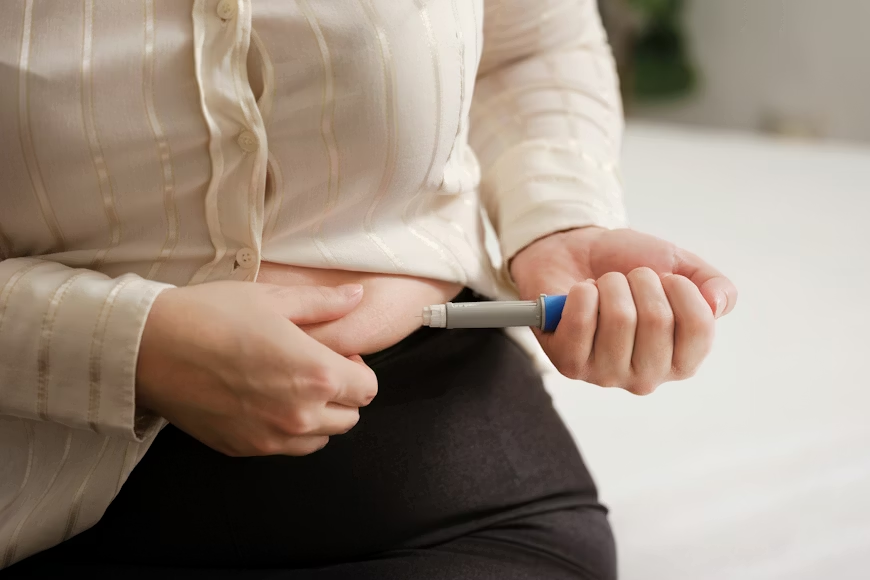
GLP-1 drugs can interact with other treatments, so transparency regarding all drug use helps avoid surprises. Patients who took semaglutide less than 10 days prior to surgery had increased risk of residual gastric content, despite fasting. Safety considerations include that regular fasting might not be sufficient, so physicians might employ additional safety measures.
Anesthesia Risks
Previous GLP-1 users or fluctuation in weight have special anesthesia risks. These drugs delay gastric emptying, which makes aspiration a real worry during anesthesia. This danger increases if the stomach is not sufficiently empty, something that can occur even with normal fasting.
Now doctors might use varying anesthesia types or times depending on the individual’s health and the medications they take. Don’t be afraid to discuss any concerns or previous problems with the anesthesia team. Their decisions can reduce complications and keep the operation safer.
Secure weight for a minimum of three to six months pre-surgery is frequently recommended. This assists the anesthesia team in their planning and reduces the likelihood of emergent risks arising.
Nutritional Status
Pre-op nutrition check aids healing and recovery. GLP-1 drugs tend to alter your eating habits, resulting in eating less or differently. Low intake can delay wound healing and increase your risk for infection.
A nutritious diet with adequate protein, vitamins, and fluid intake helps to sustain the body pre- and post-liposuction. Doctors might desire a nutrition plan tailored to the individual during the weeks leading up to the surgery. This aids the body in responding well during and after the treatment.
Good nutrition reduces the risk of complications and allows individuals to get the most out of their surgery.
Maximizing Results
How Combining Liposuction and Healthy Habits Retains Body Transformations Post GLP-1 Patients who commit to their wellness pre- and post-surgery typically experience longer-lasting transformations, while those who bypass this step are susceptible to backsliding. Liposuction is not a solution for gaining weight. It is most effective when applied to consistent habits and achievable objectives that are compatible with your life.
- Follow a high-protein diet of 60 to 80 grams per day to aid tissue repair and reduce complication risk.
- Maintain weight for 3 to 6 months pre-op. Most surgeons want 6 months with no significant fluctuations.
- Lift weights regularly to protect from muscle wasting by GLP-1s and to recover after surgery.
- Pre-op check three months before surgery to check for steady weight and disqualifying health issues.
- Anticipate swelling, bruising, and pain during the first two weeks after surgery along with restricted activity for a few weeks.
- For bigger transformations, stage surgery with weeks or months in between to keep it safe and smooth.
Lifestyle Synergy
Good habits can seal the deal post-liposuction. Nourish and move your new lines. Eating well and moving often can maintain that fresh body line and provide consistent energy. When patients receive adequate protein, such as 60 to 80 grams per day, they promote healing and reduce complications.
Strength training helps maintain muscle that may be lost with GLP-1s. That’s because maintained weight for three to six months pre-surgery provides optimal preparation for a safe surgery and durable results. Most doctors review weight history and might request a pre-op review three months out. This assists in identifying any health threats and verifies you’re ready.
For others, splitting up surgery into multiple stages, separated by weeks or months, ensures changes occur safely. Planning for this means budgeting time for your body to recover and addressing swelling or bruising as it occurs.
Lifestyle changes do more than aid recovery. They can lay the foundation for years of maximizing the results of surgery and extend the benefit of the surgical work for as long as possible.
Long-Term Outlook
- Set and review personal weight goals after surgery.
- Monitor your weight and adjust food and exercise accordingly.
- Stick to regular follow-ups with your care team.
- Get ready for swelling, bruises, and time off during recovery.
- By weight shifts, I mean surgical results.
Maintaining your weight ensures your new shape stays intact. If your weight fluctuates a lot, liposuction results can dissipate. Planning ahead, checking in with your doctor, and staying active help keep things on track.
Conclusion
To detect signs you need liposuction after GLP-1, search for loose skin, persistent fat that lingers, or uneven contour that resists diet or exercise. These signs appear in reality. For instance, belly fat stays put or arms look slack after weight loss. A discussion with your doctor provides definitive guidance and healthy tips. Each individual body has its own narrative. For optimal appearance and sensation, consider all your options and your wellness objectives. Want to know more or discuss your own situation? Contact a trusted health pro and receive facts that fit you.
Frequently Asked Questions
What are common signs you might need liposuction after using GLP-1 medications?
If you have stubborn pockets of fat, loose skin or uneven body contours post weight loss with GLP-1s, liposuction may help enhance your shape.
How is liposuction different from GLP-1 weight loss medications?
GLP-1 drugs assist with total weight loss by influencing appetite and metabolism. Liposuction is a surgical body contouring treatment that extracts fat from specific regions.
Can liposuction address loose skin after GLP-1 medication weight loss?
Liposuction removes fat primarily, not excess skin. If you have excessive loose skin, you might require additional skin tightening procedures.
Is it safe to get liposuction after using GLP-1 medications?
It’s generally safe if you’re healthy and your weight is stable. Always have a qualified doctor evaluate your risks before surgery.
When should you consult a professional about liposuction after GLP-1 use?
See a pro if you have stubborn fat or lax skin once you hit your weight loss target. A specialist can assist you in finding the ideal treatments.
Will liposuction improve your metabolism after GLP-1 medication?
Unlike liposuction, your metabolism does not get better. It merely eliminates fat cells from designated locations. Metabolic change comes predominantly from lifestyle and medications.
How can you maximize your results after GLP-1 medications and liposuction?
Eat healthy, stay active and listen to your doctor. This maintains your results and enhances your health as well.