
Key Takeaways
- Excess skin following retatrutide weight loss can occur because the skin’s collagen and elastin diminish over time or with age, especially in older adults or individuals with a genetic predisposition.
- Collagen and elastin are key for skin firmness and flexibility, and their deterioration causes skin to be less likely to bounce back after quick weight loss.
- Procedures like abdominoplasty, brachioplasty, thigh lift, body lift, and mastopexy tackle excess skin in targeted body regions and are best done once you’ve achieved a stable weight.
- Consulting a qualified cosmetic surgeon and preparing relevant medical history remain crucial steps for safe and effective skin removal surgery.
- Non-surgical options and healthy habits, such as skincare and proper nutrition, can bolster skin before and after surgery.
- Recovery necessitates diligent post-operative care, a gradual resumption of activities, and consistent healthcare follow-up for optimal results.
Skin removal surgery after retatrutide is an option for those with loose skin after fast fat loss. For many, even with consistent diet and exercise, skin doesn’t 100% snap back.
Skin left behind can cause pain, rashes, or trouble moving. Surgery can assist with comfort, hygiene, and body contour.
To assist in weighing this tradeoff, the following sections detail the facts, risks, and expectations.
Skin’s Response
Skin is an active organ and not merely a covering. It shifts with the body, although occasionally, those shifts exceed the skin’s capacity. When someone sheds a significant amount of weight, the skin, particularly with medications such as retatrutide, can fall behind.
The extent of loose skin is contingent on numerous factors. Important factors include:
- How much weight is lost
- How long the skin was stretched
- Age of the individual
- Genetics
- Lifestyle habits like sun exposure, hydration, and diet
- Rate of weight loss
- Where the weight was lost (arms, stomach, thighs, legs)
Large losses typically result in more extra skin. Skin that’s been stretched for years, like after decades of being overweight, is less inclined to snap back. Collagen and elastin are the primary proteins responsible for skin’s elasticity.
With age and rapid weight loss, these proteins decline, so skin becomes less taut. They might have loose skin at the arms, stomach, or inner and outer thighs. These regions generally have more laxity and require additional support.
You might experience swelling, bruising, or little bumps following treatments, but these tend to subside within a few months. Your skin will respond well to consuming good fats like avocados, nuts, and seeds, which keep it soft and less prone to sag.
Collagen’s Role
Collagen is what makes your skin hold up. It maintains skin taut and elastic, allowing it to expand and contract when body size fluctuates. Low collagen, which occurs with fast weight loss, causes the skin to sag or wrinkle.
With less collagen, skin quality declines. The stomach or arms have folds. Not all of us lose collagen at the same speed. For some, skin snaps back more. For the rest of us, the fall is hard, and skin appears aged or tired following significant weight fluctuations.
Collagen treatments, whether it’s a cream, an injection, or laser therapy, can help rebuild some firmness. Some may experience redness, bumps, or itching after these treatments. Typically, these side effects are minor and disappear within weeks.
Elastin’s Limit
Elastin allows skin to move, bend, and stretch. After substantial weight loss, elastin fibers can’t bounce back. This causes sagging, particularly in the areas where the skin was most stretched.
Elastin loss is one of the primary causes of hanging skin. Without ample amounts of it, the skin cannot recover. Eating foods rich in healthy fats may help slow elastin loss. Vitamin E or C moisturizers may occasionally help elastin but not always.
It’s just that older people have a tougher time making new elastin. Their skin might not snap back even with excellent care.
Age Factor
Age plays a huge factor in how your skin responds post-weight loss. Younger skin has more collagen and elastin, so it may bounce back more after shedding pounds. Older folks have more loose skin since their skin does not heal as rapidly.
For those over 40, it’s on the verge of sagging. The skin layers thin and the subcutaneous fat that supports skin shrinks, making lax skin more prevalent. Surgery takes longer to recover from as we get older.
Basic measures, such as drinking plenty of water and enjoying a healthy diet, assist at any age. Consistent workouts can boost skin health and decelerate loss of elasticity.
Genetic Influence
Skin’s response to weight loss is largely genetic. For some lucky souls, their skin holds even through massive fluctuations, while others see sagging with even moderate weight loss.
Skin’s reaction is hinted at in your family history. If your parents or other close relatives have loose skin after weight loss, the likelihood is increased for you as well. Genes influence the body’s healing capacity after surgery or other interventions.
Personalized plans tied to genetics can aid in establishing expectations. Doctors might recommend varying actions or aftercare based on skin type and genetic background.
Surgical Solutions
Skin removal surgery provides a relatively straightforward method of addressing loose or sagging skin after significant weight loss with retatrutide. Many people who lose a significant amount of weight, either through medication or surgery, encounter this problem.
Surgical solutions address a variety of different areas of the body and have their own risks, outcomes, and expenses.
- Abdominoplasty (Tummy Tuck): Tightens the skin and muscles of the abdomen, often after weight loss.
- Brachioplasty (Arm Lift): Removes loose skin from the upper arms.
- Thigh Lift: Focuses on reshaping and tightening the thigh area.
- Body Lift: Combines several procedures to target the lower body, including the abdomen, buttocks, and thighs.
- Mastopexy (Breast Lift): Lifts and reshapes sagging breasts after weight loss.
Each is best for different needs. Abdominoplasty and body lift address more extensive areas of loose skin, whereas brachioplasty, thigh lift, and mastopexy focus on smaller, more localized regions.
Body lift is the most comprehensive, encompassing several areas simultaneously. It all depends on how much excess skin there is, how good the patient’s skin is, and their general health.
Most commonly treated areas include the abdomen, arms, thighs, breasts, and occasionally the buttocks. It’s important to consult with a cosmetic surgeon; they assist you in selecting the optimal strategy and discuss the potential risks, recovery period, and expenses.
Surgery is expensive and generally not covered by insurance unless you have medical complications, at £4,000 to £12,000 ($5,000 to $15,000) for one or two procedures or up to £40,000 or more ($60,000 or more) for multiple areas.
1. Abdominoplasty
Abdominoplasty removes excess skin and belly fat. The surgeon can tighten the muscles underneath, which sculpts the waist and flattens the tummy. This causes a lot of people to feel better in their clothes and gain self-confidence.
As with any surgery, there’s a risk of infection, bleeding, or slow healing. Recovery takes a few weeks, and patients need to restrict physical motion for a minimum of two weeks, with complete results appearing within a few months.
2. Brachioplasty
Brachioplasty pulls in and removes hanging skin from the upper arms, which can be a side effect of massive weight loss. Patients see softer, tighter arms and better fitting sleeves.
Recovery is around two weeks with no heavy lifting. The best candidates are those with lax skin, maintained weight, and reasonable expectations for scarring and results.
3. Thigh Lift
A thigh lift shapes the upper and inner thighs by removing excess skin and tissue. Surgeons sometimes use different approaches such as inner thigh or groin incisions.
There is a risk of swelling or infection, but given good care, the majority heal easily. Recovery is a matter of weeks. Sustained results require sustained healthy behaviors such as exercise and nutrition.
4. Body Lift
A body lift merges skin removal on the belly, hips, buttocks, and thighs. This is usually selected by individuals with excessive loose skin in multiple locations.
There are multiple incisions required and the surgery typically takes longer. The primary advantage is a more proportional figure and improved self-confidence.
Preparation includes blood work and cessation of medications. Post-surgery, they require assistance at home and strict adherence to wound care directions.
5. Mastopexy
Mastopexy, or breast lift, elevates and tightens the breasts post-weight loss. Loose skin is trimmed and tissue is reshaped.
Weight loss typically decreases breast volume and skin elasticity, so this is a frequent worry. Surgeons employ different incisions depending on your breast shape and size.
Healing generally requires one to two weeks, with swelling or bruising often occurring. Some patients elect to add implants for more fullness.
The Right Timing
Deciding the timing of skin removal surgery following weight loss with retatrutide is not a universal decision. The timing is right for both health and results. Most specialists recommend waiting until your weight has been stable for at least 6 to 12 months. This allows the body to have time to settle at its new weight, which reduces surgical risks.
If weight comes and goes, the skin can follow suit, which can reduce the efficacy of the surgery or result in additional loose skin down the road. Maintaining a healthy weight is among the most important post-surgery considerations. Most doctors recommend maintaining a stable weight for three to six months. If you’ve lost a significant amount of weight, a longer waiting period may be necessary.
The skin requires the opportunity to contract as much as it can on its own. For some, skin snaps back nicely, but for others, especially if skin was stretched long, it doesn’t shrink much. Your age, genetics, and the speed at which the weight was lost all factor in. For instance, a 30-something who shed 40 kilos in a year might get superior skin bounce back compared to someone older or who lost weight rapidly.
Psychological readiness is just as important as physical readiness. Surgery is a significant intervention, and the recovery can be slow. Many experience a combination of relief and new concerns post weight loss, and surgery can evoke fresh emotions surrounding body image. You want to feel mentally prepared and have a great support network.
Others might find it helpful to speak with a counselor or support group prior to taking the plunge. This can assist you in establishing realistic expectations and coping with any stress or skepticism that arises. A lot of other things determine the right timing for surgery. Good health is essential.
Have vitamin and mineral levels checked, particularly if you had bariatric surgery, as deficiencies can impede healing. Most people require 2 to 6 weeks off work and no strenuous activity early on. Other factors such as smoking, other health concerns, and your own personal plans or ambitions can all influence the optimal timing.
Consulting with an experienced surgeon is the best way to balance all of these factors and determine the safest time for you.
Your Consultation
A consultation for skin removal surgery following retatrutide weight loss paves the way for a safe and successful result. It’s more than a consultation; it’s where you and the surgeon design your care. Come armed with essential information regarding your health, previous surgeries, and your complete weight loss experience, including the duration of your weight stability.
Most surgeons like to see a stable weight for six to twelve months, sometimes even twelve to eighteen months after reaching your goal. This reduces the risk of additional loose skin and promotes long-term results. Open communication during your visit counts. Surgeons require very specific information in order to identify risks such as chronic pain, infections, or skin folds that inhibit movement.
For instance, if you have frequent rashes or skin infections beneath your abdomen or breasts, you should include this. These issues can render skin removal surgery medically necessary, not purely cosmetic. Be prepared to discuss your expectations, your self-perception, and what you want the operation to correct. The weight lost, particularly if it is over 23 kg (about 50 pounds), alters the amount of excess skin you will have, especially if you are over 45 or have had yo-yo weight fluctuations.
Risks and recovery! Bruising, swelling, and pain are common after surgery, but most folks notice these subside in a couple of months. Inquire as to your surgeon’s approach to pain and anesthesia. You’ll want to discuss scarring, as areas such as the thighs, abdomen, and breasts are most susceptible to lax skin and demarcation lines.
Your surgeon should go over what to expect for healing, follow-up visits, and when you can get back to living life. Verify your surgeon’s expertise. Search for board certification, an excellent record in skin removal post weight loss and good patient reviews. This background reveals they understand how to work with typical problems such as skin laxity.
Thin or less elastic skin usually translates into more sagging. Consult more than one surgeon if you can. Compare their tips and see who makes you feel listened to and comfortable.
Surgeon Choice
Select a board-certified cosmetic surgeon who specializes in body contouring post massive weight loss. Verify their credentials and inquire about their experience with skin removal. Seek out before-and-afters and patient testimonials from people with similar weight loss experiences.
Consult with a minimum of two surgeons. Each can recommend a different method depending on your skin’s elasticity and where you have the most loose skin. Some may recommend a tummy tuck. Others might concentrate on the thighs or breasts.
Your comfort with the surgeon counts as well. The right fit is someone who listens, answers your questions, and respects your goals.
Key Questions
- What treatments do you suggest for my concerns?
- How much experience do you have in post-weight loss skin removal?
- What is the expected recovery time?
- What are the most common risks or complications?
- Will I need help at home after surgery?
- What type of pain control do you provide during and after the procedure?
- What sort of scarring can I anticipate and how should I look after it?
- How many follow-up appointments will I need?
Bring your own list of questions or concerns, particularly if you suffer from recurrent infections or pain from redundant skin. Inquire how long you’ll be out before you can get back to normal and what assistance you’ll receive in recovery.
Realistic Goals
Have clear, realistic goals for your surgery. Know that results vary. Skin laxity, age, and how much weight you lost all factor in. Discuss your aspirations with the surgeon.
It’s natural to desire silkier skin and greater comfort, but no operation can guarantee perfection. Scars and a little loose skin are going to be there, and that is fine. Consider the heart as well. Body image shifts following massive weight loss and surgery can assist, but it’s not a panacea.
Beyond The Scalpel
Loose skin after major weight loss with retatrutide has a propensity to crop up most on the belly, thighs, or face. The more weight lost, the more probable this issue becomes. If you’ve been overweight for years, the skin may not rebound as easily. Skin elasticity comes from proteins, collagen, and elastin. When these break down, skin becomes less able to tighten on its own. Age, genetics, and sun exposure play a role. Others could experience alterations such as ‘Ozempic face’ or ‘Ozempic butt’ which manifest as sagging or hollow areas.
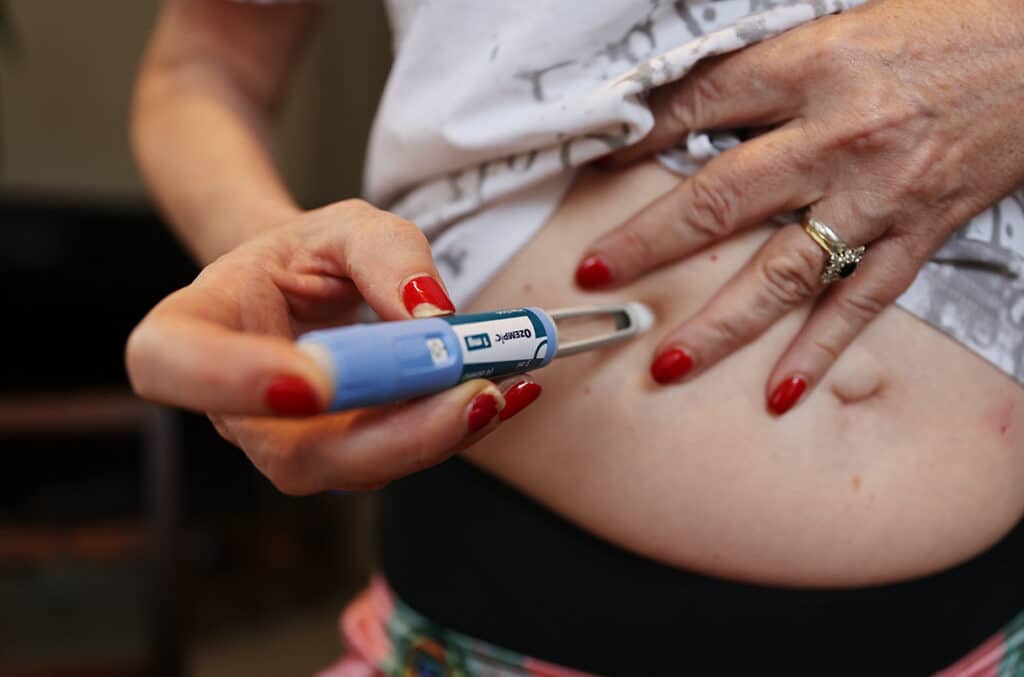
Non-surgical options for skin tightening and quality
Non-surgical ways to address mild to moderate skin laxity exist. Most go for radiofrequency or ultrasound. These use heat to essentially wake up collagen, which can help tighten skin a tad. Laser therapy is another option. It assists skin in healing through collagenogenesis. The results aren’t instant or dramatic, but they can make a difference, particularly for those who prefer less downtime.
Retinoid or peptide topical creams can provide tiny improvements in skin quality, though their ability is modest. Compression garments can aid in supporting skin during weight fluctuations, but they don’t actually shrink skin.
Skincare regimens and products
A basic skincare regimen can help maintain your skin’s integrity after weight loss. Mild cleansers, moisturizers, and sunscreens keep skin robust and moist. Vitamin C or hyaluronic acid based products can help skin retain water and remain plump. Retinoids, applied with caution, can stimulate new collagen.
For those with sensitive skin, fragrance-free and hypoallergenic products reduce the possibility of irritation. I suggest exfoliating once a week to slough off dead skin and encourage new growth. Consistency trumps brand and price.
Lifestyle changes: diet and exercise
Eating right nourishes skin from within. A diet that’s high in protein, vitamin C, and healthy fats helps your body make more collagen and elastin. Adequate hydration maintains skin elasticity. Exercise, particularly strength training, develops muscle beneath the skin, which can supplement mild sagging.
Steering clear of quick weight swings and maintaining a steady weight for at least 6 to 12 months gives skin the best chance to adapt on its own. Cigarettes and excessive sun weaken skin, so cutting back on each helps too.
Combining surgical and non-surgical treatments
Some swear the best results arrive from a combination. Surgery can remove large skin folds for those with significant weight loss. Non-surgical options can polish the outcome or assist where surgery isn’t a possibility. Bruising, swelling, and discomfort after surgery are par for the course and can persist for months.
Working with a seasoned practitioner maps out a plan that aligns with the individual’s objectives and health background.
Recovery Path
Recovery skin removal after retatrutide weight loss isn’t immediate. Every step counts. Recovery happens in distinct stages, and each stage demands its own treatment. The journey can take weeks to months, influenced by your surgery and your individual body. For most, the initial couple of weeks are the roughest. Consistent advancement can be achieved with meticulous scheduling.
Recovery path: Building a smart checklist, preparing for discomfort, leaning on support, and easing back into daily activities.
Initial Phase
| Step | What to Do |
|---|---|
| Rest | Limit movement, avoid heavy lifting, and prioritize sleep. |
| Wound Care | Keep dressings clean and dry, follow wound checks. |
| Pain Management | Take prescribed medicines on time, report strong pain. |
| Infection Prevention | Look for redness, swelling, or fever. |
| Hydration | Drink enough water (about 2 liters daily). |
| Nutrition | Eat protein-rich, whole foods to support healing. |
| Mobility | Start short, gentle walks as approved by your doctor. |
In the initial week or two, rest is front and center. Swelling, bruising, and discomfort will be normal. Your care team will provide you with specific guidance on wound care and which symptoms require immediate attention. Look out for a lot of redness, pus, or fever and reach out to your provider if you do. Maintaining this open, two-way communication can help you detect issues sooner.
Pain and swelling may persist for weeks, generally beginning to subside during the third or fourth week. Most will require assistance with basic activities, so having a friend or family member in close proximity is beneficial. Rigorous adherence to your regimented medicines lessens pain and the chances of infection.
Following your surgeon’s nutrition recommendations, such as consuming balanced meals and staying hydrated, can accelerate healing and increase your strength.
Long-Term Care
Long-term care is just as important. Beyond the initial month, a care plan keeps your skin healthy and your results long-lasting. Book routine follow-ups with your surgeon to monitor your recovery and address any issues such as abnormal scarring or skin discoloration. These visits are crucial to catching minor problems before they amplify.
Post-care, including gentle moisturizers and sun protection, can assist with scar fading and maintaining smooth skin. Others find great relief with massage or silicone sheets for scars. Easy routines like non-smoking and maintaining a consistent weight facilitate recovery and skin tautness.
Remaining active is a priority; coming back to exercise must be gradual and controlled. Most are able to return to light activity after two to six weeks. However, heavy lifting should be delayed. At the three to six month mark, physical healing is almost all the way there for most, but full scar fading and tissue remodeling can continue up to a year.
Conclusion
Loose skin can show up after big weight loss with retatrutide. Skin removal surgery gives a way to feel better and move with ease. Surgeons check skin health, healing speed, and set clear goals. A talk with a skilled doctor helps to pick the right plan. Healing takes time. Most need help with care and support. Results last with steady weight and healthy skin habits. Many people feel proud and happy after surgery. To find the best next step, talk with a medical team. Bring your needs and ask clear questions. Facts guide good choices, so stay open and informed. For more answers or to set up a consult, reach out to a trusted clinic.
Frequently Asked Questions
What is skin removal surgery after weight loss with retatrutide?
Skin removal surgery after retatrutide weight loss aids in comfort, hygiene, and appearance.
When is the best time to consider skin removal surgery?
The optimal timing is once your weight has stabilized for a minimum of 6 months. This gives your body time to adapt and the results time to stick.
Who is a good candidate for skin removal surgery?
Good candidates are healthy adults with a stabilized weight, redundant loose skin, and realistic expectations. Medical clearance is necessary.
What are the main risks of skin removal surgery?
Risks of skin removal surgery after retatrutide weight loss include infection, scarring, and delayed healing. Opting for a skilled surgeon reduces risks and increases safety.
How long is the recovery after skin removal surgery?
The recovery is typically 2 to 4 weeks. While the majority of individuals resume their daily lives following this phase, complete recovery can require an extended duration.
Does insurance cover skin removal surgery after weight loss?
Coverage differs by provider and country. They may cover surgery if it’s medically necessary, not just cosmetic.
Are there non-surgical options to tighten skin after retatrutide weight loss?
Non-surgical treatments, like radiofrequency or ultrasound, can treat mild skin laxity. Surgery is frequently required for substantial loose skin.