
Key Takeaways
- Revision liposuction recovery is slow with swelling and bruising being most prominent during the first week. Final results can be visible up to six months afterward.
- Observing post-op care, going to all follow-ups, and wearing your compression garments properly can help your healing and keep complications at bay.
- Nutrition, hydration, and gentle movement are vital to supporting the body’s healing and keeping your results.
- Scar tissue from previous surgeries can impact the healing process and final results, so it is crucial to consult with a skilled surgeon.
- Your emotional health matters too. Reach out for support and celebrate milestones to navigate the psychological recovery process.
- By being aware of the risks and reacting quickly by contacting your surgeon, you are guaranteeing timely intervention and a good recovery.
Revision liposuction recovery typically extends beyond that of the initial procedure, with the majority of individuals observing swelling and bruising lasting weeks. Others might feel mild pain, numb spots, and firm lumps in the treated area.
Stitches frequently fall out after one to two weeks, and mild activity promotes recovery. Most resume normal activities within two to four weeks.
This guide details what individuals can anticipate during every phase of their recovery.
The Recovery Timeline
Revision liposuction recovery is incremental. Each phase introduces new shifts in swelling, comfort, and results. Knowing what to anticipate along the way buoys realistic expectations and facilitates a more manageable healing process.
1. First 48 Hours
Swelling and bruising typically reach their maximum in the initial 48 hours after surgery. The treated area can appear swollen, and skin may be taut or tender. Sleep is crucial, and drug prescriptions take the edge off.
Most surgeons recommend applying cold compresses in short intervals to control swelling and relieve pain. Adhering to post-care directions, such as maintaining cleanliness and dryness, reduces infection risk and encourages healing.
2. The First Week
Prepare to be sore and tender during the week. Pain typically reaches its highest point and then begins to subside around day seven or eight. Be sure to monitor for infection, such as redness, fever, or abnormal drainage.
Rest is important, and brief walks around the house increase circulation and aid in the prevention of blood clots. Maintaining proper hydration and a balanced diet can support recovery. Follow-up with the surgeon is typically scheduled in the days after to monitor the initial healing and address any care questions.
3. Weeks 2-4
By week 2, swelling and bruising begin to subside and some early results may be visible. Most folks start light exercise like walking, but it’s best to avoid lifting or strenuous movements.
Swelling can persist, which can alter body contours from week to week. Most patients can wear their compression garment only during the day instead of 24 hours a day after week four, giving their body a break at night. Any new pain or changes should be reported to the doctor to exclude complications.
4. Months 2-3
Big transformations emerge as the body rebalances and the swelling subsides more and more. Skin can tighten and the treated area begins to take on the desired shape.
Final results can take one to three months to emerge, particularly if a large amount of fat was extracted. Daily, light workouts preserve gains and enhance recovery. Emotional shifts are to be expected as folks adapt to their new appearance, so it’s crucial to check in with yourself and ask for support if necessary.
5. The Final Result
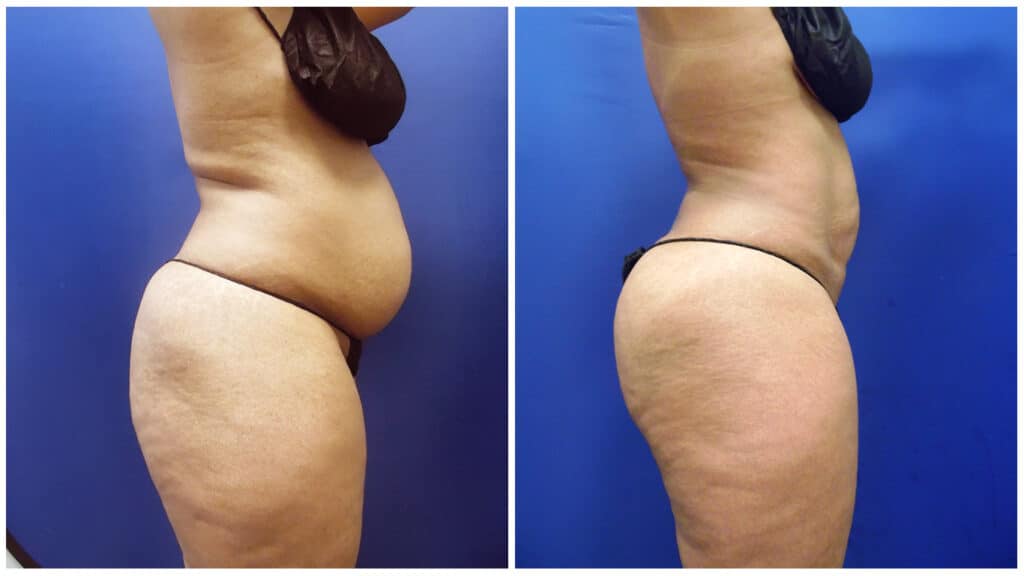
Most people observe their ultimate results at approximately six months; for some, it can take up to a year for all swelling to subside and contours to stabilize. Any areas that still look irregular or require additional treatment can be addressed with the surgeon.
Most discover their self-perception increases as results manifest. Being active and maintaining a stable weight helps keep the result for years.
Revision vs. Primary
Revision liposuction is different from a primary or first-time procedure. The recovery, results, and risks may be different in nuanced but significant ways. The table below highlights some of the main differences between these two procedures:
| Aspect | Primary Liposuction | Revision Liposuction |
|---|---|---|
| Purpose | Initial fat removal | Correct unevenness, lumps, or leftover fat |
| Scar Tissue | Minimal | More, may complicate healing |
| Recovery Time | 1-2 weeks for light activity | 2+ weeks, often longer |
| Healing Complexity | Standard | More complex due to past surgery |
| Waiting Period | Not applicable | 6-12 months after first surgery |
| Visible Results | 2-3 months | Several months, sometimes longer |
| Garment Use | Several weeks | Several weeks or months |
| Common Complaints | Uneven fat removal | Persistent irregularities, contour concerns |
Scar Tissue
Scar tissue from the initial surgery is one of the biggest drivers of revision liposuction. This tissue develops as the stump recovers from the initial operation and it can complicate things for the surgeon during the subsequent operation. Scar tissue can cause lumps, bumps, or a bumpy surface beneath the skin, which are very common reasons for revisions.
A good surgeon needs to know how to manage these revisions. They employ surgical tools and meticulous techniques to prevent exacerbating the issue. There are not enough surgeons out there with the experience, so it is crucial to select a surgeon who has experience performing revisions.
Scar tissue can impede healing. It could restrict blood flow or prevent swelling from subsiding. Some of you might feel hard spots or bumps that linger longer to flatten out post-op. These alterations aren’t necessarily permanent, but they can impact the body’s recovery speed.
If scar tissue is an issue post-surgery, it can be addressed. Your choices may consist of massage, steroid injections, or laser therapy. Definitely discuss these options early with your surgeon at the first indication of difficulty.
Healing Response
Not all bodies recover equally from revision liposuction. The body’s reaction is contingent on numerous factors. Age slows healing and skin that has lost some of its stretch doesn’t always rebound as well. Some folks rebound with minor swelling while others are left with bruising or hard lumps that can linger for weeks to months.
It’s wise to be on the lookout for indications that repair is not proceeding as expected. If swelling lingers or the skin feels bumpy, consult your surgeon. Certain instances require additional therapies such as lymphatic massage or extended wear in a compression garment.
Patience is a huge component in healing. The body requires the time to break down swelling and allow the skin to settle in its new form. Discoveries may take months to appear. Wearing a compression garment as recommended will aid your skin in shrinking and keep swelling down.
Emotional Journey
- Keep in contact with your surgeon for questions or concerns.
- Keep a photo log to see progress over time.
- Talk to friends, family, or a counselor for support.
- Try not to compare your outcome to others’ results.
- Mark each week’s progress with a small reward.
Body image can change throughout the course of recovery. Others are disappointed if recovery is gradual or if the effects are not as immediate as they hoped. This is fine. Backing up loved ones and expressing your concerns can help a lot.
Little victories matter. Mark healing milestones: less swelling, smoother skin, getting back to doing what you love. These moments can boost your spirits and keep you positive through recovery.
Optimizing Healing
Maximizing healing after revision liposuction requires a realistic, pragmatic strategy. Each will assist in minimizing swelling and controlling pain while facilitating a clean result. A mindful routine helps body and mind through this process.
- Wear your compression garments as prescribed to manage swelling and provide extra support.
- Enjoy a healthy diet with lots of vitamins, minerals, and fluids.
- Incorporate light stretching, walking, or yoga as soon as it is safe to do so.
- Take advantage of photobiomodulation (LED therapy) and lymphatic massage when possible.
- Stay away from cigarettes and junk food to optimize your healing.
- Use recommended supplements to decrease bruising and swelling.
- Follow all aftercare and hygiene guidelines from your surgeon.
Compression
Checklist for effective compression:
- Choose the right size garment for the treated area.
- Put it on immediately after surgery as your surgeon recommends.
- Keep it on day and night, only taking it off for quick shower breaks.
- As swelling fluxes, transition to a smaller garment to maintain pressure.
- Clean the garment as directed to prevent skin irritation.
Compression aids circulation and reduces swelling by exerting constant pressure on the tissues. It minimizes pain and stabilizes the new form. Studies demonstrate that consistent, graduated compression can reduce edema and enhance comfort.
Listen to your surgeon’s guidance on the time period you wear this garment, as this varies by case.
Nutrition
A healthy diet will optimize healing. Consume protein, vitamins C and A, and minerals like zinc to reconstruct tissue. Stay hydrated with water or clear fluids. This aids swelling and bruising management.
Limit processed foods and sugars, which can impede healing and contribute to inflammation. Supplements such as vitamin C promote collagen development and skin healing. Arnica and bromelain are great for reducing bruising and swelling.
If uncertain, consult your provider before initiating supplementation.
Movement
Begin with gentle activity, like walking. This promotes blood flow, reduces the risk of blood clots, and aids in reducing swelling. Do not return to heavy or high-impact workouts until cleared by your surgeon.
Light stretching or yoga will keep your joints loose and relieve muscle tension. Cease if there is pain or discomfort. Light activity should be customized to your daily feelings. Daily walks are usually recommended and gentle exercise can restart after a few weeks.
Aftercare
Checklist for aftercare:
- Clean and dry the surgical site using mild soap if required.
- Change dressings as instructed by your provider.
- Manage pain with prescribed medication and regular rest.
- Apply photobiomodulation or LED therapy to enhance blood flow and reduce inflammation.
- Begin lymphatic drainage massage the first week if recommended.
Go to all follow-up visits for wound checks and progress updates. Inform your surgeon of any redness, fever, or increasing pain. Quit smoking at least four weeks before and six weeks after surgery.
Managing Discomfort
Revision liposuction recovery typically results in soreness, swelling, and mild pain for most patients. These symptoms indicate the body is healing and are most intense during the initial 72 hours. Understanding that soreness and bruising will be at their highest early on allows for easier planning and management. Most are better after week one, although occasional tenderness can persist.
Pain management begins with your doctor’s plan. This often translates into scheduled medicine, not just popping a pill when it aches. OTC or doctor prescribed pain pills can assist. Maintain an easy medicine times, pain, and wound checklist. This tool aids in pattern spotting and provides clear follow-up status.
Swelling just compounds the discomfort. Ice packs are your friend. Wrap an ice pack in a soft cloth and apply it to the area for 15 to 20 minute intervals. Give your skin a break in between uses. Keeping the area elevated while sitting or lying down contributes to reducing swelling.
Skip sun on the healing skin for the initial two weeks and maintain the sun defenses for months. This step avoids heat and sun from exacerbating swelling or pain.
Staying hydrated, at least 8 glasses daily, assists the body to recover and can relieve pain. If you’re in a hot area or experiencing signs of dehydration, additional water may be necessary. No alcohol for 48 to 72 hours post surgery. Alcohol impedes healing and can exacerbate swelling or pain. Eating light meals with lots of fresh foods assists the body in healing as well.
Sleep is a major component of handling discomfort. Skip any hard exercise, running, or lifting anything heavy for 4 to 6 weeks. Excessive movement can aggravate pain or delay healing. Minimize movement if possible, and don’t be afraid to request assistance with tasks like cooking, cleaning, or shopping during that first week.
If the surgery occurs during the cooler months, the decreased air temperature can assist with swelling and generally make recovery more comfortable.
Relaxation techniques assist in controlling both pain and stress. Slow, controlled breathing, gentle stretching, and mindfulness can all help mitigate tension and redirect attention away from pain. Calming music or guided meditations can assist.
It’s useful to monitor each day how you’re feeling in body and mind to identify any shifts requiring attention.
Potential Complications
Revision liposuction may result in various complications in the short and long term. The majority of problems are mild and self-limited, while others require more attention and rapid intervention. Complications can depend on the volume of fat extracted, the surgeon’s expertise, and the postoperative healing process. Educating yourself on potential warning signs and when to contact your surgeon is critical to safe recovery.
| Complication | Warning Signs | What’s Normal | When to Act |
|---|---|---|---|
| Seroma | Fluid-filled swelling, tenderness | Mild firmness/swelling | Persistent swelling, pain |
| Swelling | Sudden increase, redness, heat | Lasts 1-2 weeks, then mild and slow to fade | Red streaks, fever |
| Numbness | Persistent loss beyond 6 months | Temporary, fades in weeks-months | Numbness with skin color change |
| Skin irregularities | Deep dimpling, hard lumps | Mild unevenness, soft lumps | Painful or growing hardness |
| Pain | Severe, sudden, or in the leg | Dull ache, improves over days | Sudden sharp or leg pain |
| Infection | Redness, pus, warmth, fever | Mild redness at incision | High fever, spreading redness |
One of the complications is seromas or pockets of fluid that can develop in the treated areas when larger volumes of fat are extracted. Small seromas will often reabsorb on their own, but larger ones may have to be aspirated by a physician.
Swelling, which can appear quite unfavorable during the initial two weeks following liposuction, is nearly universal. There may be mild residual swelling and firmness for months as the tissues heal and reshape. This is normal, but if swelling increases or is associated with pain, infection, or heat, it may indicate something more serious.
Numbness is common as liposuction damages small sensory nerves beneath the skin. Most people find that this diminishes after a couple weeks to a few months. Very rarely, numbness persists beyond six months, particularly if a significant amount of fat was suctioned.
Although this is rare, any new numbness or discoloration of the skin should be examined by a surgeon. Skin texture and appearance may be altered following revision liposuction. Others experience light dimpling or uneven skin, which typically improves as swelling subsides and skin contracts.
Sometimes there will be residual firmness or slight swelling as the tissues remodel. The skin may appear irregular or puckered, particularly in thin skin or sites where a large amount of fat was excised. Most mild changes resolve over time, but severe or progressive changes may require additional treatments.
Swift and transparent contact with your surgeon is how you nip issues in the bud. Should complications occur, additional interventions like drainage, antibiotics, or even a touch-up procedure can be necessary. Familiarity with normal versus not normal helps you to act quickly and reduce the risk of more serious complications.
The Mental Recovery
Revision liposuction recovery is more than how the body recovers. The mind has its own challenges. Immediately post-op, a few get lost or anxious, particularly during the initial days. Mood swings, anxiety, and even depression can rear their ugly heads. Approximately 30% of individuals experience anxiety or depression following surgery, with the symptoms being most severe during the initial weeks post-operation.
Numbness or swelling in the treated areas can persist for weeks, even months. These shifts can lead to insecurity, and it is typical to doubt the decision or stress over outcomes. As the body transforms, viewing a new form in the mirror can be jarring. It is a process to acclimate, and for some, can extend over 12 months.
Self-care really does matter at this time. Simple habits—eating well, maintaining a soft schedule and pausing for mental rest—aid the body as much as the mind. Others like to journal or document progress with pictures. Taking a regular walk, listening to some music, or engaging in a hobby can boost the mood.
These mini accomplishments help to anchor the day and provide a feeling of empowerment when everything seems up in the air. It’s wise to restrict time spent gazing at the recovering frame or digging for mistakes. Directing your attention towards recovery, rather than excellence, reduces stress. Sleep is another great aid. Resting the brain allows it to process changes and keeps mood swings at bay.
Others require a little help. If you feel sad or worried for a long time, chatting with a counselor can assist. Support groups provide a sanctuary for venting and listening to others with the same battles can be comforting. This is critical, as research indicates that improvements in mental health can dissipate roughly 9 months post-surgery without continued assistance.
Family and friends play a big role, too. They can provide solace, assist with practical needs and remind you of the forward strides that are difficult to perceive. If conversing with friends and family is difficult, virtual communities or message boards can help bridge the divide.
It’s good to see even small victories that make them feel better about themselves, with as many as 86% saying they feel better after body treatments. Mood may improve within weeks, but more profound transformations take months. Ticking off every baby step you take, however minor, keeps hope alive.
This could involve journaling, marking milestones, or simply recognizing when the swelling decreases or energy returns. Eventually, the vast majority find equilibrium and can appreciate the opportunity their decision brings.
Conclusion
Revision liposuction recovery requires time and care. Swelling lingers for weeks. Your body requires rest and slow, consistent motion to recover properly. While most patients are sore, they find relief with basic pain management and care from their care team. Little bumps can appear. Indications such as stabbing pain or fever signify that it is time to see a doctor. Mental ups and downs seem normal, as results take months to manifest. Speaking with friends or a counselor is helpful. Recovery is unique for everyone, and consistent routines and quality support go a long way. For additional tips or assistance with your recovery, contact your trusted provider or support group.
Frequently Asked Questions
How long does recovery take after revision liposuction?
For most individuals, light activity can be resumed within 1 to 2 weeks. It can take 2 to 3 months to fully recover. Healing time depends on the degree of revision.
Is recovery from revision liposuction different from primary liposuction?
Yes, recovery might be longer and more complicated. Old scar tissue and modifications to the treated site can impact healing and results.
What helps speed up healing after revision liposuction?
Adhering to your surgeon’s post-op care, wearing compression garments, and avoiding strenuous activities help you heal quickly. Keeping yourself hydrated and eating a balanced diet assist.
What discomfort should I expect after revision liposuction?
There is typically mild pain, swelling, and bruising. These symptoms typically resolve within days to weeks. Your physician might prescribe pain medication.
What complications can occur during recovery?
Potential complications involve infection, seroma, contour deformities, or slow healing. Call your doctor if you experience abnormal pain, redness, or swelling.
How important is mental health during recovery?
Mental well-being is crucial. Some individuals become nervous or irritable due to sluggish improvement. Support from friends, family, or a counselor may help.
When can I see final results from revision liposuction?
Results manifest as swelling subsides, typically within three to six months. Your body’s healing process and the procedure’s complexity will determine the final outcomes.