Key Takeaways
- GLP-1 drugs that are causing massive weight loss are heating up global demand for body contouring, facial rejuvenation, and breast procedures.
- The rapid weight loss induced by GLP-1 drugs frequently results in altered skin elasticity, necessitating thorough patient evaluations and customized surgical strategies.
- Unicorn surgical risk and recovery implications for GLP-1 patients highlight potential need for specialized protocols and continuous monitoring.
- Surgeons are evolving by modernizing evaluation metrics, incorporating metabolic wellness into planning and embracing novel methods to optimize patient results.
- Patient demographics are changing as well. There are more diverse backgrounds, changing expectations, and an increased demand for education and informed consent.
- Focusing on mental health and setting realistic expectations are key to helping patients feel comfortable with their bodies post surgery.
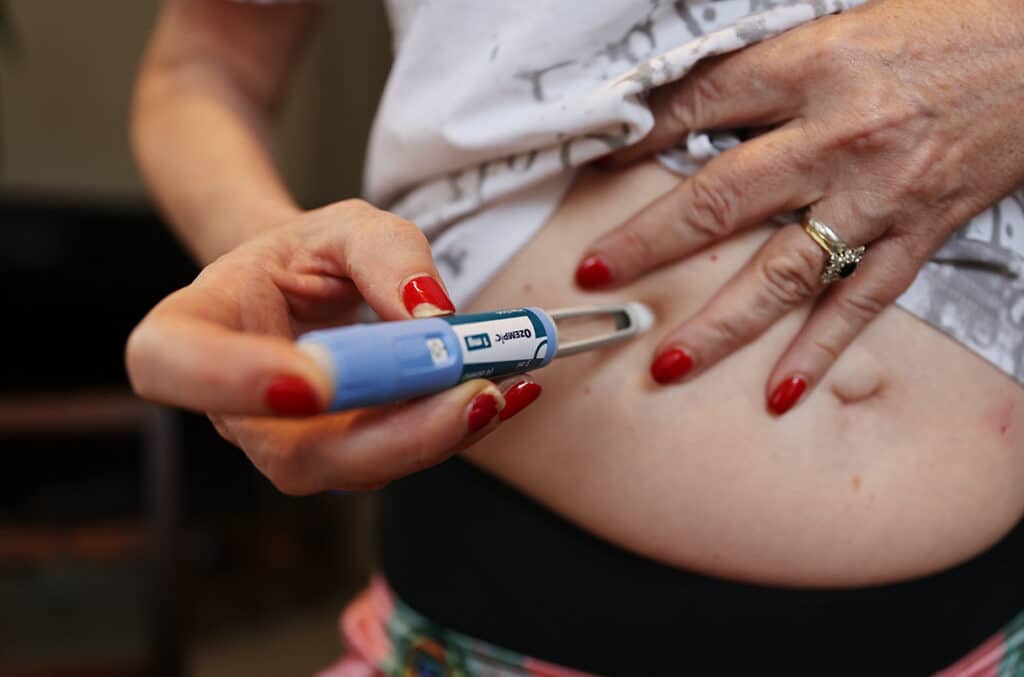
How GLP-1 drugs are reshaping plastic surgery trends. These drugs, originally for diabetes, are helping people drop pounds and reduce demand for certain cosmetic surgeries.
Folks are requesting skin tightening or body contouring following weight loss from these medications. The body will reveal GLP-1 drugs are reshaping plastic surgery trends, including how they are changing demand for surgery and what the shift in treatment options means for patients.
The Metabolic Impact
GLP-1 drugs are a type of medication that assist the body in regulating blood sugar and appetite. They can be frequently accompanied by sustained and occasionally rapid weight loss that alters a person’s appearance and can affect decisions around plastic surgery. These changes are key for patients and surgeons.
Weight Loss
- Patients typically experience a 10 to 15 percent drop in body weight after one year of GLP-1 drug usage.
- Others have an average loss of 12 to 20 kg, depending on starting weight and treatment plan.
- Outcome depends on your age, gender, starting weight and lifestyle factors like diet and exercise.
Younger individuals may experience quicker initial outcomes, whereas older adults tend to shed pounds more gradually. Genetics, hormone changes, and cultural eating patterns contribute as well.
For surgery, weight loss timing matters. For the metabolic impact, most surgeons recommend that patients wait until their weight has been stable for at least six months before undergoing a body contouring or skin removal procedure.
The mental effect is ambivalent. Some enjoy an increase in self-esteem as their physique transforms. Others find new issues with sagging skin or body image. This can influence their choice of surgery.
Skin Elasticity
Rapid weight loss can result in sagging skin, which tends to occur most prominently on the arms, tummy, and thighs. The skin’s resilience varies based on age, genetics, and the extent of weight loss.
Non-surgical options to tighten skin include radiofrequency treatments, ultrasound therapy, and topical creams with retinoids or peptides. They work best on mild to moderate laxity. For larger shifts, surgery is typically required.
| Challenge Area | GLP-1 Users | Non-GLP-1 Patients |
|---|---|---|
| Rate of skin sagging | Higher | Moderate/Lower |
| Elasticity recovery | Slower | Faster |
| Need for surgery | More common | Less common |
The metabolic impact includes the importance of hydration, adequate protein intake, and sunscreen to help protect skin and slow sagging. Exercise is important, especially strength training.
Surgical Risks
- Increased risk of impaired wound healing, infection, and fluid collection (seroma).
- Bad skin retraction post-op can impact end results.
- Greater chance of nutrient deficiencies that may slow recovery.
Pre-operative assessments should consist of blood work, nutritional status, and medication review. Surgeons need to know if patients remain on GLP-1 drugs, because they might have to stop meds pre- or post-surgery.
It can be complicated by blood clots, poor scarring, or contour changes that are to a patient’s dissatisfaction. The metabolic consequence of a history of quick weight loss may require additional planning at surgery. Each patient’s care plan should be individualized, with careful post-operative follow-up.
Shifting Surgical Demands
GLP-1 drugs, designed for diabetes and now coveted for weight loss, are shifting surgical demands. With more patients on these drugs experiencing significant reductions in weight, the nature and timing of surgeries they desire is evolving. Clinics around the globe are experiencing new shifts as both patients and surgeons adjust to this rapidly evolving specialty.
1. Body Contouring
A significant cohort of patients who drop massive weight with GLP-1s want to re-contour their bodies after the weight is gone. Loose skin is a typical consequence, particularly around the stomach, arms, and thighs. This drives more demand for abdominoplasty, arm lifts, and thigh lifts.
Timing surgery well is important. Most surgeons recommend waiting until a patient’s weight is stable for six months. This ensures the outcome is durable and the complication risk is minimal.
Better tools make these surgeries safer and provide more natural results. Radiofrequency or ultrasound devices can tighten skin with no large scars, which means recovery is quicker and less painful.
2. Facial Rejuvenation
Weight loss affects the face in that it can make cheeks look hollow or skin look loose. This has resulted in an increased number of individuals requesting face lifts, neck lifts, and fillers to replace lost volume.
I lost fat in my face, which makes any lines or wrinkles pop. Patients want easy solutions initially, such as fillers or skin-tightening technologies, prior to making surgery a preferred choice.
Sometimes a combination of surgery and non-invasive treatments delivers the optimal outcome. Facial rejuvenation helps their self-esteem as they feel their face is now in alignment with their new body. Many say they look as young as they feel following weight loss.
3. Breast Procedures
As weight decreases, breast size and shape may shift. Some patients desire breast lifts to correct sagging, while others opt for augmentation or reduction to achieve symmetry.
GLP-1 medications accelerate fat loss, including breast tissue. This makes it more difficult to project, so personal consultations with a surgeon are essential to establish realistic expectations. Every patient’s plan is unique.
Reasons behind these surgeries differ. Some crave ease, others crave looking better under clothing, or feeling more confident post-body alterations.
4. Emerging Procedures
Emerging surgeries are addressing patient needs on GLP-1 medications. Other clinics provide mini-lifts, skin tightening, and combined surgeries to optimize time and healing.
Tooling Innovation & Shifting Surgical Demands
Surgeons have to continue learning to provide the safest and best options. Future plastic surgery is going to be tied to shifts in obesity and weight loss treatments.
As GLP-1 drugs become more prevalent, anticipate additional new procedures associated with these trends.
Adapting The Practice
GLP-1 drugs have altered surgeons’ clinic views. Even more folks pop these pills to shed pounds and it’s evident in their countenance and physiques. This transition poses fresh demands to plastic surgery.
Surgeons have to think in terms of metabolic health, not just aesthetics anymore. Teams are redesigning how they examine patients, select surgeries and assist recoveries. All of these shifts require practices new skills and new steps to keep care safe and outcomes strong.
- Create new pre-surgery criteria to screen for weight loss in the last six months, active GLP-1 use and long-term weight stability.
- Include metabolic health metrics, such as BMI and blood sugar management, in your practice.
- Take advantage of courses that demonstrate how GLP-1 medications change tissue, skin, and healing.
- Create protocols for handling surgery patients taking GLP-1 medications so care is transparent and secure.
Patient Assessment
Surgery planning begins with the proper examinations. GLP-1 users can lose as much as 11% of facial fat and 7% of deep tissues, which shifts their requirements. Surgeons should examine both skin and soft tissue loss.
They need to know if weight has remained stable for at least six months and if the patient is within 4.5 to 6.8 kg of their target weight. Results are less stable due to weight fluctuations. Medical history should include GLP-1 use, other medical comorbidities and previous weight fluctuations.
Aware of the whole narrative, teams can anticipate hazards and select the optimal strategy. Psychological checks are crucial. This allows us to determine whether a patient’s expectations align with the probable outcome. This step keeps expectations grounded.
Common metrics have the power to enable each clinic to pose the proper questions and monitor shifts. These tools can even make care fairer for all.
Surgical Techniques
GLP-1 drugs lead to less fat and more loose skin, so surgeons are innovating. Some employ more fat grafting to replace lost volume. Others impart more skin-tightening at the cheeks and neck.
Too often, bigger lifts or more advanced sutures are required. Fortunately, minimally invasive options such as thread lifts and laser skin tightening can position patients who aren’t ready for major surgery. Every plan has to fit the patient’s new shape and new goals.
Technology like 3D imaging has simplified both the planning and verification process. With tech and refreshed skills, surgeons can provide improved and safer results for these patients.
Recovery Protocols
Recovery is not a one-size-fits-all. GLP-1 patients might recover more slowly or require additional assistance. Teams should monitor for edema, ecchymosis, and epidermal re-epithelialization more frequently.
If you’re still losing weight, temporary fillers might be best. More permanent solutions can be considered once you’re stable. Typical issues are loose skin, slow healing and swelling that persists for six months.
Keeping patients informed and comfortable is essential. Nothing beats clear follow-ups, gentle care and honest timelines. People heal and feel good about their choice.
The New Patient
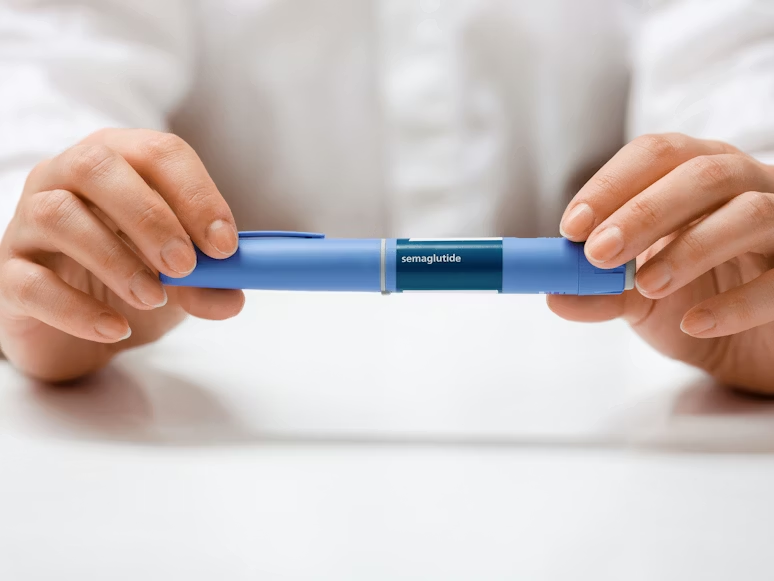
GLP-1s like semaglutide and tirzepatide have shifted the new patient profile for plastic surgery globally. The new patient arrives with a past of crash dieting, better health, and dedication to holistic wellness and weight loss. As more individuals gravitate towards these drugs, clinics are seeing a significant increase in GLP-1s users seeking cosmetic procedures, with an average of 225 patients per provider in 2024, versus 95 the previous year.
This shift has forced providers to reconsider their approach to both facial and body procedures, as many patients come in with concerns that are both medical and aesthetic.
Expectations
GLP-1 patients tend to experience rapid shifts in weight that can result in facial deflation and loose skin. A lot of people anticipate cosmetic surgery to bring back their youthful appearance or make it agree with their new figure. The truth is that our faces can add as many as five years to our appearance, even while we’re feeling healthier and more confident in our bodies.
Open, honest communication between patient and surgeon is crucial. New patients tend to believe that all indications of weight loss can be corrected with a single treatment. While some think fillers are a permanent solution, these might only be good for six to 12 months when you’re actively losing weight.
Having realistic goals, such as opting for temporary fillers initially, then considering longer-lasting options or surgery once your weight plateaus, prevents disillusionment. Many new patients have heard plastic surgery can address any worry, but not every outcome is achievable for every face or body.
Providers need to combat these beliefs and educate patients about what each treatment can offer. This assists patients in visualizing what is really achievable and selecting the ideal plan for their individual requirements.
Demographics
These patients hail from various cultures and backgrounds, so cultural expectations must be respected. Age, gender, and lifestyle factors all influence what patients desire from surgery and their comfort with alternative treatments.
GLP-1 users are not traditional cosmetic patients. There are more men and more people in their 30s and 40s. Urban and semi-urban populations are spearheading this, the buzz is spreading.
Lifestyle shifts associated with GLP-1 medications have patients inquiring about treatments for skin laxity and facial aging, not just body contouring. Cultural factors could influence attitudes toward aging, rendering personalized approaches to treatment especially significant.
Education
Education is key. What GLP-1 patients should know about rapid weight loss on the skin and face. Informed consent is much more than a signature. Patients need to be aware of risks, the necessity of staged treatments, and the boundaries of what’s possible.
Surgeons now devote more time describing alternatives and illustrating examples, like before or after shots, so patients can view tangible outcomes, not simply perfect situations. Resources such as patient guides, online support groups, and detailed consultations assist patients to select securely and intelligently.
Surgeons keep abreast of new solutions, including combined hormone therapies and new injectables, to provide the most current recommendations and treatment.
Beyond The Physical
Plastic surgery trends are evolving, not merely as a result of innovative drug therapies, but because of profound transformations in self-perception and patient expectations. ‘Weight-loss’ GLP-1 drugs raise new questions about body image, mental health, and the cultural construction of beauty.
Body Image
GLP-1 drugs assist patients in losing significant weight, not always only the physical kind. Many patients experience loose skin, alterations in the appearance of the face, and even an aging ‘effect’. Studies indicate a loss of youthful plumpness in the cheeks and temples, with the superficial fat compartments decreasing by approximately 11%.
This makes others feel older, and 88% of those who lose significant weight notice deeper fold lines around the mouth, making them look older than they feel. These transformations impact confidence. Patients can be proud of their weight loss but uncomfortable in their new appearance.
Mental health can take a hit if the gap between how people want to look and how they actually look becomes too wide. Sometimes, this results in emotional hurdles that aren’t always easy to discuss, particularly if the transformations make day-to-day life more difficult and impact hygiene from the excess skin.
Support systems – family, friends, counseling – play a big role in getting patients to adjust. Easy tips to enhance body image include candid discussions with your doctor, support groups, and reasonable surgical goals. For those seeking more harmony, physicians are now employing a combination of fat grafting, facelifts, and fillers to simultaneously restore volume and tighten skin.
Societal Norms
Society’s beauty archetype is constantly evolving, and GLP-1 drugs are accelerating it. As more people shed serious pounds, interest in surgery to repair loose skin or signs of aging increases. Social media compounds the pressure by displaying immediate post-op and “after” photos that often aren’t the whole story, informing what patients anticipate from surgery.
Other cultures have different opinions about how much weight loss is “perfect” or what a “beautiful” face looks like, and that can affect what type of surgeries individuals seek. With so many voices online, it’s easy to crave quick results or feel left out if your body doesn’t resemble whatever the latest trend is.
There’s increasing pressure for a wider range of beauty images in the media and at the clinic. It’s what helps patients realize that beauty is beyond being thin or young and is about feeling comfortable and healthy and having self-acceptance.
By showcasing real stories and diverse faces and bodies, clinics and doctors have the opportunity to help establish more healthy expectations for all of us.
Future Trajectory
GLP-1 drugs will permanently disrupt medical weight loss and plastic surgery. With these treatments more and more people are doing, surgeons are encountering a new patient profile of individuals who shed pounds rapidly and are seeking assistance with excess skin or facial contour shifts. This pushes plastic surgery toward combination procedures that address both sagging and volume loss in one fell swoop.
Looking ahead to 2025, these hybrid treatments will likely become the go-to option, appealing to patients who desire a natural appearance while maintaining their new, healthier weight. Surgical techniques are changing to meet these demands. Surgeons today use newer fillers that can be injected deeper and last much longer, up to 18 to 24 months, making them more attractive for those seeking results without frequent appointments.
For patients who continue to lose weight, short-term fillers are injected every 6 to 12 months until weight plateaus. Once patients have maintained a stable weight for a minimum of six months, longer-lasting fillers or surgery can provide more permanent changes. This keeps you from constantly correcting because of weight shifts. Instead, the focus now is on timing and planning, making sure they each treat where patients are in their weight loss journey.
Research is advancing the field. Research into the metabolic and body remodeling effects of GLP-1 drugs is ushering in a new era of combining health and aesthetics. The slated arrival of more pills and potent injectables circa 2026, such as the “triple G” drug retatrutide, will accelerate shifts in medical and cosmetic spheres.
As more firms enter and more drugs emerge, prices will likely come down, enabling more global access. Oral versions of GLP-1 drugs will expand access, allowing even more patients to control their weight and physical appearance without injections. Just as surgeons and clinics must be flexible, the field has to keep pace with rapidly evolving patient needs, new research, and an expanding arsenal of treatment options.
Most surgeons today advise waiting for weight to be stable leading up to surgery, but continued progress will likely make plans even more adaptable and personalized down the road. Clinics that adapt to these shifts and provide a balance of both immediate and sustained relief will be positioned to accommodate a broader, more varied patient population.
Conclusion
How glp-1 drugs are transforming plastic surgery trends. We have more people requesting skin tightening or body contouring work after they lose a significant amount of weight quickly. Doctors have to stay sharp and tailor what they offer. Patients arrive with revised objectives and renewed concerns regarding their appearance and well-being. The world keeps turning as usage of these drugs increases and patients seek wise treatments. To get ahead, clinics need to stay on top of new trends, hear their patients, and provide transparent guidance. For anyone considering next steps, consult a professional and get some facts. Keep an open mind and select what resonates with your objectives.
Frequently Asked Questions
What are GLP-1 drugs and how do they affect plastic surgery trends?
GLP-1 drugs treat weight loss by managing hunger and blood sugar. This quick drop in pounds shifts the requirements of plastic surgery patients and frequently results in an increase in demand for body contouring and skin-tightening work.
Why is there increased demand for body contouring surgeries?
GLP-1 weight loss side effect: excess skin Patients commonly seek body contouring surgeries to remove this skin and tighten their body shape after weight loss.
How are plastic surgeons adapting to new patient needs?
Plastic surgery in the glp-1 era is evolving as some plastic surgeons update their training and techniques for weight loss reshaping body changes. They provide more individualized consultations to cater to each patient’s specific requirements.
Who are the new typical patients seeking plastic surgery after GLP-1 drug use?
These patients are typically individuals who experience rapid weight loss. They didn’t think about plastic surgery, but now want a little assistance looking the way they want.
Are there risks in combining GLP-1 drug use with plastic surgery?
Yes, rapid weight loss has an impact on healing and recovery. Surgeons need to evaluate each patient’s health and the timing of surgery in order to ensure safe outcomes.
How do GLP-1 drugs impact a patient’s emotional well-being after surgery?
Fast body transformations can impact self-confidence and mental well-being. Assistance from seasoned medical teams guides patients through the physical and psychological transition.
What is the future outlook for plastic surgery trends with GLP-1 drug use?
Experts predict even more growth for surgeries to contour the body and tighten skin. Plastic surgery practices will continue to adapt to these shifting patient demands.