Key Takeaways
- Radiofrequency (RF) after liposuction is used to tighten skin by generating heat and stimulating collagen, resulting in firmer and smoother outcomes.
- RF treatment tightens skin and breaks down those stubborn cellulite deposits that tend to linger after liposuction.
- It employs focused energy to stimulate tissue repair, reduce inflammation, and increase healing, resulting in a less uncomfortable recovery period.
- There are various RF technologies on the market, and it’s important to choose the right device and method based on your specific needs for the best outcome.
- Beginning RF treatments at the appropriate time post-liposuction is crucial for optimizing benefits and promoting long-term enhancements.
- Proper preparation, aftercare and an individualized treatment plan including regular follow-ups make RF therapy safer and more effective worldwide.
Radio frequency after liposuction assists in tightening skin and can reduce swelling or bumps. Most clinics use radio frequency to help the skin heal and look smoother.
This treatment typically feels warm on the skin and usually lasts between 30 and 60 minutes. Patients select it to aid with recovery and optimize their liposuction results.
The following sections detail radio frequency, what to expect, and safety tips.
RF Effectiveness
Radiofrequency (RF) therapy is a common post-liposuction treatment to aid skin tightening, body contouring and healing process. The appeal comes in its collagen-inducing and skin-smoothing powers, which makes it a sought-after option for patients hoping to maximize their results. Many clinics will suggest a course of RF treatments spread out over weeks, not only for the stomach but for the neck, thighs and buttocks.
Key benefits of RF treatments for skin tightening include:
- Enhanced collagen growth for firmer, more youthful skin
- Visible reduction in cellulite, leading to a smoother appearance
- Improved skin laxity, contributing to better post-surgical outcomes
- Non-invasive approach with minimal downtime
- Customizable intensity to match pain threshold and skin sensitivity
1. The Science
RF penetrates through the skin layers, generating heat that induces tissue tightening. This thermal effect stimulates collagen fibers to contract and new collagen to develop over time, firming the skin. In the meantime, lipolysis carves up fat cells as collagen remodeling contours skin.
Blood flow ramps up from RF’s warming effect, accelerating healing and decreasing swelling post-liposuction. Clinical research supports these assertions, demonstrating that RF procedures can enhance skin tightness and elasticity in post-operative patients. It’s all about timing and intensity when you use it, especially after a major procedure like liposuction.
2. Skin Tightening
RF works well on the loose skin that usually accompanies fat elimination. Most folks see some instant tightening effect, but the most significant changes emerge weeks or even months later as collagen accumulates. Over time, repeated RF sessions keep skin taut and less susceptible to stretching.
The treatments are most effective when customized for each individual’s skin and healing rate. RF can even out uneven skin texture and tone, a common complaint post-liposuction.
3. Contour Refinement
RF therapy is designed to target those hard-to-reach fat pockets that remain after liposuction. This assists body contouring and lends a more sculpted appearance to the stomach or thighs. Paired with liposuction, RF can further sculpt these areas for a proportionate figure.
Others employ RF to treat small contour problems that surgery by itself can’t remedy. Your mileage may vary, but many people notice their body looks more even and smooth.
4. Recovery Boost
RF accelerates the recovery phase by reducing swelling, edema, and bruising. There is less downtime and a more comfortable healing process. It aids in lymphatic drainage, which is crucial for clearing that postoperative excess fluid!
A speedier healing frequently provides a mental boost, enabling individuals to witness and appreciate their outcome earlier rather than later.
5. Technology Types
A few RF devices exist. Monopolar RF is good for deep heating and multipolar targets broader areas. Newer alternatives such as BTL Exilis Ultra combine RF with ultrasound. Every tech has its strong suits and is optimal for specific objectives or regions of the body.
Selecting the appropriate RF device is largely dependent upon the treatment area, skin type, and acceptable downtime. Certain machines are more appropriate for sensitive post-surgical skin, especially if a lower intensity is required to avoid pain or damage.
Optimal Timing
When you apply RF treatment post-lipo makes a difference if you want consistent, defined results. RF heats underlying tissue to assist in tightening and collagen growth. It is most effective after you’ve survived the initial healing process.
Optimal Timing – Most doctors suggest beginning RF treatments 2 to 4 weeks post surgery, once the swelling and redness have subsided. At this point, the body is through the acute healing phase and consequently, the skin is less sensitive and less prone to reactivity. You could experience some swelling or bruising for 7 to 10 days, but the majority dissipates within two weeks. Waiting until this time reduces the likelihood of side effects or discomfort during RF treatments.
Launch RF too early, before the body settles, and you increase the risk of irritation or delayed healing. Waiting too long to start can mean you’re missing the sweet spot for assisting the skin in tightening while it is still pliable and recovery-active. The first few weeks following liposuction are when your skin and tissue are the most malleable.
Putting off RF for a few months will severely restrict its ability to contour and even out the treated zone, so it’s best to adhere to the early window. The surgeon’s guidance is paramount—everyone recovers at a different rate and some may require an extended wait before RF is safe. Always follow the post-op plan set by your provider, after all, they know your body’s own healing pattern best.
RF skin tightening is not a once and done. The cure is most effective in a series, typically three to six treatments, delivered every three to six weeks. This timing allows the skin to heal in between sessions. It provides the tissue time to lay down new collagen and display genuine transformation.
Initial results might manifest in days, but the real benefits require patience. Check-ins at two weeks, six weeks, and three months help monitor how the skin is evolving and if the plan needs to adjust. These visits provide an opportunity to detect issues early, modify the schedule, or determine if additional sessions will assist. By placing these check-ins on a timeline, patients are guided through the recovery with a concrete plan.
Stay out of the sun for a minimum of one to two weeks prior to and after each RF session, as sun can delay healing or increase the risk of hyperpigmentation.
BEST TIMING: RF full results post liposuction take time. Collagen continues to build for months, so the ultimate contour and firmness might not be apparent until two to six months following the final treatment.
The Procedure
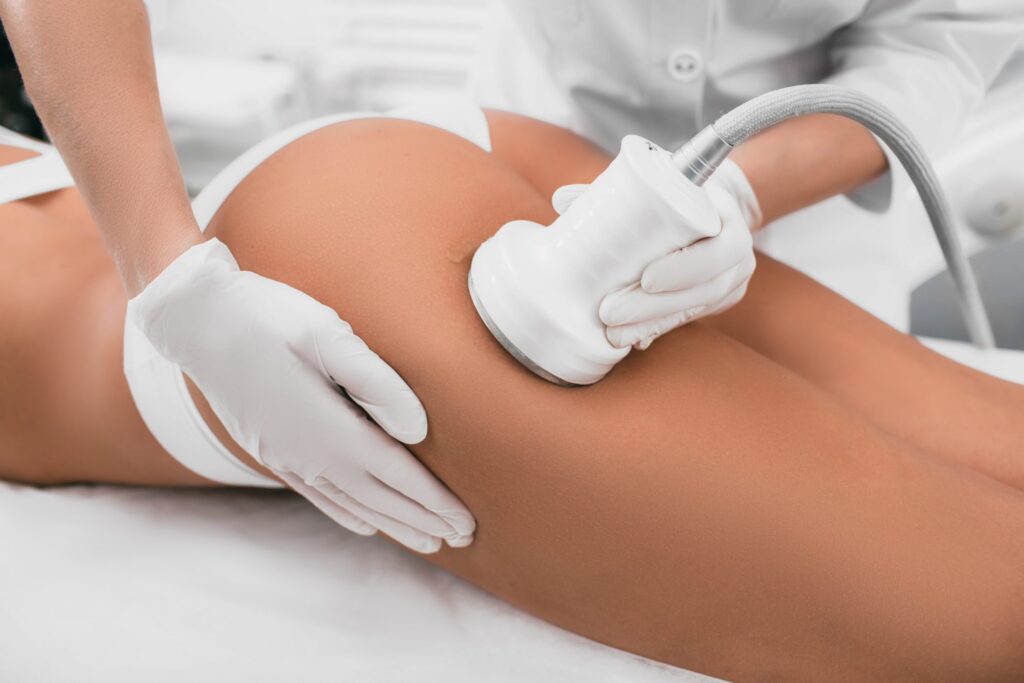
Radio frequency (RF) treatments post liposuction are intended to assist in smoothing, tightening, and supporting skin healing. Every session is non-invasive, performed in a clinic environment, and typically takes anywhere from 20 to 60 minutes. Patients describe a gentle warmth and a mild tingling sensation on the skin as the device glides across the treatment area. Some talk of a hot stone massage, but it’s never quite hurting.
RF therapy doesn’t need cuts or needles, so there is no downtime. Patients can immediately rise and resume their daily activities upon completion of the session. RF is selected for comfort and low risk. However, it’s not for everyone immediately after liposuction. Skin can remain hypersensitive for years, sometimes even a decade, post-surgery. This indicates that tissue beneath the skin can be frail and susceptible to injury.
Due to these hazards, clinics apply lower RF power initially. High intensity RF or ultrasound is not safe until many weeks or even months have elapsed. The majority of experts recommend waiting at least eight weeks post-liposuction before beginning standard RF or cavitation. Until then, all you can do are low-intensity sessions, which tend to have limited impact. For most people, manual massage is a superior option in the beginning, as it’s both more calming and more efficient for post-lipo swelling and tightness.
The number of RF sessions required varies. A standard course consists of 6 to 12 sessions, roughly once per week. This timing allows the skin to heal and react. By day 56, roughly eight weeks post-op, most everybody has skin that is primed for regular RF or ultrasound. Yet, we don’t all recover at the same speed. Other times, skin is still tender or inflamed at eight weeks and more time may be required prior to initiating RF.
Clinics monitor skin health and pain level prior to every session. The process should never ache. The intensity is always tailored to what the skin can handle, which prevents damage and delivers the optimal result. Selecting a reputable clinic is crucial for your safety and the outcome. Seek out providers specializing in post-liposuction care that hear you every visit.
They need to examine your skin every visit and adjust the regimen if necessary. This method protects you from damage and ensures you maximize your RF treatments.
Preparation & Aftercare
RF therapy following liposuction seeks to assist in firming skin, calming tissue and aiding in recovery. Some good prep and aftercare achieve the best results and help your skin bounce back. Both steps are significant for skin health, comfort and the end result in the long run.
Begin with a checklist pre-RF treatments. Consult a clinician to determine if RF is safe given your health, skin type, and liposuction recovery. Refrain from sun for at least a week or longer if you can to minimize the risk of dark spots or burns.
Avoid retinoids, exfoliants, or potent vitamin C for 5 to 14 days before and after therapy, as these can increase skin sensitivity. At least 72 hours prior to your appointment, avoid extreme workouts, intense lifting or anything that makes you sweat profusely during this time to reduce swelling and bruising.
Stay clean, avoid makeup and harsh products 24 hours prior and after, particularly if your skin flares up. If you’re a smoker, make an effort to quit or at least cut down, as smoking not only slows healing but can impact skin repair.
Aftercare is the name of the game. Be sure to keep the area clean, using only gentle cleansers and moisturizers. No makeup, no harsh products, and no aggressive treatments for 24 hours minimum, or more if the session was intense.
Stick to cool compresses and provider-recommended soothing creams to calm skin and reduce inflammation. Hydration is crucial; drink plenty of water daily to assist your body in healing and maintain skin health.
Protect the treated area from the sun, apply broad-spectrum SPF 30 or higher daily, and avoid sunbathing for a minimum of two weeks post-treatment. It’s best to steer clear of potent exfoliants, retinoids, or vitamin C serums for up to two weeks following a treatment, as these may irritate new skin.
Don’t be too eager to return to exercising; wait at least 72 hours or according to your provider’s recommendations.
Long term care feeds results. Eat a balanced diet with plenty of fruit, veggies, and lean proteins and maintain a steady weight for optimum skin firmness. Daily light activity like walking or easy stretching can aid circulation without taxing healing tissue.
Smoking and heavy drinking can slow recovery, so reducing these habits de-stresses skin rebuild. Monitor for any changes in your skin, such as redness, swelling, or changes in texture and communicate them to your provider.
RF post-liposuction results can take weeks or even months to manifest as collagen forms and tissue settles.
Treatment Plan
Post-lipo RF treatment plan to help support skin healing, improve contour and boost skin tightness. RF provides energy that heats deep layers of skin, which can assist with loose skin and mild cellulite following the fat removal. The correct plan will have to accommodate the skin’s changing needs as it heals and be aligned with the healing timeline after surgery.
- Wait a minimum of 8 weeks (56 days) post-liposuction before beginning RF or ultrasound. This allows the body to get through the initial swelling and subsequent skin sensitivity phase.
- Test the skin for residual tenderness. Skin can remain sensitive for months or even years after liposuction, so every treatment should be gentle and suited to what the skin can tolerate.
- Set RF intensity according to pain threshold and skin tolerance. Too much heat causes pain or complications of various kinds. Too little may produce no effect.
- Drink plenty of water, consume a nutritious diet and get adequate rest. These processes allow the skin to heal and respond more effectively to RF. For instance, proper hydration each day keeps skin plump and a diet high in fruits and vegetables provides vital nutrients for repair.
- Wear the compression as instructed. These assist with swelling, skin retraction, and can improve the result of surgery and RF treatments.
- Steer clear of alcohol, sun, and tanning beds. These can either make skin drier, cause slow healing, or raise the risk of side effects from RF.
- Record each session—date, area treated, and settings. This simplifies the ability to identify patterns and most effective habits over time.
- Mix RF with other treatments, like gentle massage, lymphatic drainage, or ultrasound, if a provider suggests. For some, mixing methods can enhance results. The plan should be constructed around the skin’s healing phase and sensitivity.
Routine follow-up is crucial. These visits allow a provider to check healing, observe how the skin responds, and adjust the plan. For example, if the skin appears less sensitive after a few weeks, session intensity can increase. If pain or redness is problematic, the schedule will have to slow down.
Because everyone’s journey is unique, these checkpoints assist in maintaining the protocol secure and guiding the treatment where it needs to go.
It aids in snapping pics or jotting notes from the beginning. This allows you to observe subtle shifts in skin texture, tightness, or shape, nuances that might be overlooked on a day-to-day basis.
Being educated, documenting, and collaborating with a talented provider helps make the journey easier and more secure.
My Perspective
RF treatment post-lipo is now baked into many protocols. They’re always searching for methods to achieve silkier skin and aid the body in healing well post-operation. RF works by sending heat deep into the skin to tighten loose areas and can even help boost the body’s own healing.
While most people see a difference in their skin within weeks, true, enduring change takes time. Complete results usually appear three to six months after following a number of sessions spaced over weeks. Patience is key, and if you set real expectations from the get-go, it makes a world of difference.
Lots of patients have great tales of RF post-liposuction. It’s very satisfying, I hear, particularly for people who want to smooth out minor sagging or irregular texture following liposuction. For instance, individuals with loose skin on their belly or thighs following weight loss commonly notice smoother, tighter skin when treated with RF.

The technique suits multiple areas as it operates on the face, neck, abdomen, thighs, and buttocks. Still, not everyone is the ideal candidate. The optimal outcomes appear in those who are plus or minus 30% of their goal weight and have maintained a relatively stable weight for six or more months. This keeps things steady and secure, and then changes endure.
Patient education plays a huge role in this. RF is useful, but it isn’t magic. Good nutrition, hydration, and sleep—eating well, drinking enough water, and sleeping eight hours—and a consistent workout routine all help skin bounce back stronger.
Alcohol dehydrates the body, so it’s wise to fast on beverages for a minimum of two days prior to and following a session. Skin care counts as well. Post treatment, shielding your skin from the sun and applying SPF 30+ preserves results. If folks are aware of what RF is and is not capable of, they are a lot more empowered and less likely to be disappointed.
Nothing but open talk between patients and doctors builds trust and leads to the best results. They should be free to inquire, express concerns, and discuss ambitions. Doctors can tell you how many sessions you will need, what to expect each week, and how to care for your skin after each visit.
Such collaboration helps identify minor problems early and maintains the overall flow.
Conclusion
Radio frequency can assist skin in feeling taut and smooth after liposuction. Most patients notice skin becoming firmer after a few weeks of consistent treatments. Others experience less swelling and faster healing. It all goes down easy: arrive, receive the treatment, and care afterwards. Most can squeeze it in during a lunch break. Physicians typically recommend a schedule tailored to individual needs. RF is most effective with consistent aftercare and a dash of patience. For those wondering how to accelerate this recovery or get firmer skin after liposuction, consulting with a physician or dermatologist is key. Inquire and see if RF suits your objectives. This ensures you receive care that feels right for you.
Frequently Asked Questions
Is radio frequency (RF) safe after liposuction?
Yes, radio frequency treatments are safe after liposuction. They need to be done by a professional and initiated only once your doctor determines you have healed enough, typically a few weeks after surgery.
How soon after liposuction can I start RF treatments?
Generally, patients can begin RF treatments 2 to 4 weeks following liposuction. Heed your surgeon’s guidance and wait until swelling and bruising subside.
Does radio frequency really help tighten skin after liposuction?
Indeed, RF treatments can assist in tightening loose skin post-liposuction. Radio frequency after liposuction.
How many RF sessions are usually needed for results?
Generally, four to six RF sessions spaced approximately one week apart are suggested for best results. It depends on your skin condition and the treatment goals.
Are there any side effects of RF after liposuction?
RF is usually well tolerated. There might be mild redness, swelling, or warmth post-treatment, but this usually subsides within hours. Serious side effects are rare when it is done by a qualified provider.
Do I need to prepare for RF treatments after liposuction?
Prepping is easy. Cleanse the treatment area and do not apply lotions or creams prior. Always adhere to your provider’s individual instructions for optimal safe outcomes.
Will I need maintenance RF treatments after my initial sessions?
Yes, maintenance every few months keeps your results going. Your provider will advise a schedule tailored to your skin’s reaction and your aesthetic objectives.