Key Takeaways
- Men’s body dissatisfaction is widespread and can manifest in gym rituals, dressing, dieting, and avoidance of social situations. Keep an eye on your daily habits and seek assistance early when behaviors become rigid or shame-based.
- Negative body image is closely associated with depression, anxiety, suicidal ideation, and disorders such as bigorexia. Approach these concerns as serious mental health issues and seek professional help when symptoms emerge.
- Striving for the highest levels of muscularity or leanness presents physical risks from steroid use, supplement misuse, and obsessive exercise, so focus on balanced nutrition, rest, and safe training programs.
- Masculine norms and media ideals combined intensify pressure to conform, amplifying social comparison and isolation. Practice media literacy and seek role models that celebrate body diversity.
- Body image experiences vary by age, culture, and sexuality. Use tailored assessments, seek community-specific supports, and respect individual differences when addressing these concerns.
- Develop a tangible action plan by expanding your self-awareness with journaling or scales, implementing positive coping mechanisms for stress, and connecting with trusted individuals or mental health professionals for follow-up support.
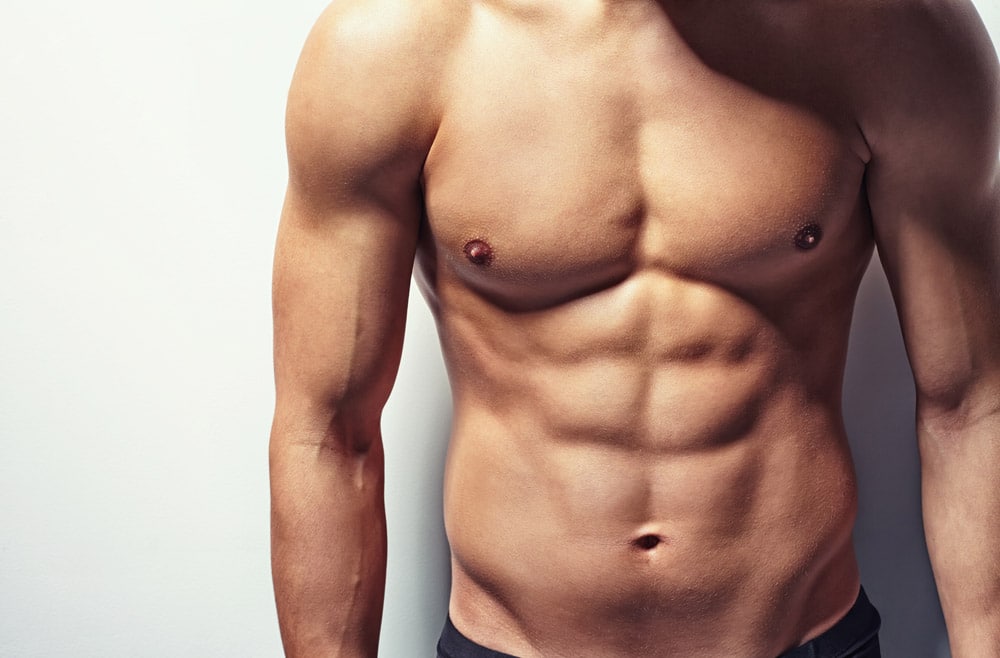
The masculine body image crisis men rarely talk about is a popular, trending topic that reveals secret, shared anxieties about body shape, size, and fitness.
These include pressure to be ripped, bulking-season body-fat anxiety, and effects on mental well-being and personal relationships. Social media, fitness culture, and dating norms inform these pressures.
Below are typical experiences, warning signs, and actionable steps for getting help and cultivating healthier body image habits.
The Silent Struggle
Male body image is prevalent, yet silent. The below maps how dissatisfaction manifests and disaggregates impacts on mental health, physical health, social life, relationships, and performance pressure.
1. Mental Health
- Men with poor body image have increased rates of depression, anxiety, and suicidal ideation. Around 30% of men experience body-image anxiety. Approximately 11% have had appearance-related suicidal ideations.
- Comorbidities include obsessive compulsive tendencies, bigorexia, and eating disorders such as anorexia nervosa. These two can often coexist and exacerbate symptoms.
- These low body esteem and high body dissatisfaction scores consistently predicted future mental health problems in later studies. Those grades are a red flag.
- Recognition matters: Clinicians and communities must treat male body image disturbance as a real mental health issue, not a vanity problem. Weight, height, or appearance jibes as a kid can leave scars that last a lifetime and add to danger.
2. Physical Health
- Pursuing a standard can result in overtraining, steroid abuse, and crash dieting. These choices raise risks such as hormonal disruption, heart strain, and joint injury.
- Men get eating disorders as well. Bulimia nervosa and avoidant restrictive food intake disorder are underdiagnosed in males as symptoms often vary from those typically found in female populations.
- Compulsive weight training and muscle dysmorphia frequently fuel overuse injuries, chronic pain, and the overlooking of other health necessities. Diagnosis assists in directing safer practices.
- Long term harms can be laxative abuse, supplement misuse, and liver or kidney damage from unregulated products. Fitness ads and quick-fix promises can steer men toward harmful regimes.
3. Social Isolation
- Body issues cause men to shun groups, beaches, or changing rooms in shame. Social withdrawal inhibits normal life.
- Less comfort in social situations means a lower likelihood of attending a team sport, date, or work event. That severs support networks.
- Harsh self-judgment isolates us from friends and lovers. They mistake silence for apathy.
- Isolation amplifies poor mental health. This is the cycle where isolation and body shame feed each other.
4. Relationship Strain
- It embodies how body insecurity plays against intimacy, trust, and communication within couples. Men can mask anxiety or refrain from contact.
- Poor body image causes jealousy, evasion, and diminished sexual pleasure. Partners can become confused.
- Emotional distance soon comes after men withdraw to shield themselves from assumed criticism.
- Helpful comments emphasize listening, affirming her value outside of physical appearance, and gently encouraging professional help without blame or guilt.
5. Performance Pressure
- We’re under relentless pressure to be muscular, lean, and fit for a skinny-minny ideal. That tension connects to athletic subcultures and media icons, like buffed out action heroes.
- Fitness culture and social media stoke unattainable standards and offer quick fix transformations.
- Exercise addiction and compulsive training stem from this impetus to fit an ideal.
- The psychic toll consists of relentless comparison, self-esteem damage and exhaustion.
Cultural Pressures
Cultural pressures determine what men perceive as an ideal male physique and create the environment for the common, unspoken suffering among men surrounding their bodies. They’re these cultural pressures from masculinity norms, from media images, from peer groups, and from history. The consequence is a constricted range of cultural pressures that most men attempt, often quietly or to their detriment, to satisfy.
Media Ideals
Representations of men in movies, comics, and advertising are biased toward bulging muscles and low body fat. Superheroes, action stars, and centerfold-style shoots create a visual shorthand: big muscles equal power and worth. Fitness magazines and Instagram feeds reinforce that message by showcasing curated, edited bodies as ordinary standards.
Fitness influencers push extreme routines and supplements, sometimes with no professional medical guidance, leading to unattainable expectations. Research connects repeated exposure to idealized male bodies on social media with poorer body image. Men scrolling through feeds of hyper-muscular, hyper-lean men say they are more dissatisfied and might engage in dangerous behaviors, such as overtraining, steroids, and restrictive eating, to pursue it.
Critical reading of media can reduce harm. It is important to question lighting, editing, posing, and the incentives behind what is shown.
Social Comparison
Whether it’s your friends’, athletes’, or celebrities’ bodies, comparing body types pushes tons of guys to unhealthy self-criticism. Social feeds increase comparison by showing us highlight reels instead of full lives. Online communities assist, but they bubble, making narrow ideals normal and different shameful.
Internalizing one dominant ideal—the muscly, lean male—increases the risk of long-term low self-esteem. There’s an added weight for men from marginalized groups when the dominant culture embraces straight white guys, compounding feelings of alienation and pressure.
Examples of positive role models include:
- Athletes who speak about mental health and body diversity.
- Actors of all different body types who would not be typecast.
- Fitness pros who post genuine training improvement and rest days.
- Community leaders who promote self-acceptance and functional strength.
Historical Shifts
Male body ideals have changed over a century. Early 20th-century leaner physiques gave way to mid-century broad-shouldered looks and more recently, extreme muscularity linked to bodybuilding culture. The proliferation of gyms, supplements, and PEDs normalized larger-than-life muscle.
Cultural pressures moved in the direction of a ‘the bigger the better’ mentality for men, and that mentality drives what boys and young men now view as normal. Such historical shifts are important because they establish new baselines against which to measure.
A body that would have been average a few decades ago might now get deemed insufficient. The result is growing rates of eating disorders and muscle dysmorphia among men. These conditions have risen substantially, with eating disorder prevalence up about 22 percent in the last decade. A lot of men keep mum about their battles because of stigma, which makes it tougher to seek assistance.
The Masculinity Trap
Masculinity, strength and body image tend to be a close cluster in men’s self-perception. Cultural messages connect broad shoulders, low body fat and visible muscle to competence and control. This creates a narrow template: physical form becomes a signal of psychological fitness.
Studies reveal that a significant number of males are concerned about weight and muscle. Approximately 30 to 40 percent are concerned about weight, while as many as 85 percent are dissatisfied with muscle mass. This compromises daily confidence and interpersonal comfort. Social media constricts the frame further by putting a premium on hyper-muscular photos that most men cannot equal without desperate attempts.
The Stoicism Paradox
Masculinity traps prevent men from voicing uncertainty about their bodies. Boys are raised to ‘man up’; saying ‘I’m insecure about my shape’ seems like rule breaking. That silence makes it harder to get simple help: a doctor visit, a talk with a friend, or a therapist referral.
Half of the men are wrangling two narratives — the one they perform publicly of toughness and the one they whisper privately about appearance anxiety. That divide can lead to shame, guilt, and confusion. Pushing those feelings down increases mental health dangers.
Research associates male body image issues with increased anxiety and depression. Eating disorders and body dysmorphia are not unique to women; roughly 25% of young adult men experience disordered eating linked to dissatisfaction with their bodies. Reframed stoicism can preserve the useful qualities — discipline, calm, responsibility — but permit help seeking.
Vulnerability is courageous, not cowardly. Saying “I need help” can be a practical step: book a checkup, join a supportive program, or start a gradual talk with a trusted friend.
The Vulnerability Stigma
The Masculinity Trap Body image therapy male patients are often afraid that they will be perceived as less masculine. This fear is socially based and isolating. Most men just don’t say anything.
It’s important to normalize conversation because it changes what’s acceptable. Peers sharing struggles reduces shame and makes help accessible. The practical steps to cut stigma are simple.
Post first-person narratives in confidential forums, encourage peer support groups focusing on the male experience, and feature clinicians specializing in male body image. Clinic and workplace policies can welcome men in by using gender-neutral language and depicting diverse male bodies in posters and brochures.
These researchers observe that masculine virtues such as discipline and responsibility aren’t inherently toxic and can in fact support wellbeing when combined with emotional openness. The aim is balance: discourage equating beauty with worth, encourage help when body concerns affect life, and push for broader images of what male strength can be.
Diverse Experiences
There isn’t one narrative around male body image struggles. They shift with age, culture, and sexuality. Below are rhythms that help chart this variety and inform evaluation and assistance.
Age
Body image takes different shapes across life. Boys get teased about size and growth, too. Puberty’s fast changes can spur worry about height, voice, or genital development. Adolescents compare themselves to peers and media, which can fuel a drive for muscularity or thinness.
Young adults, particularly freshmen, have some of the highest rates of body dissatisfaction and disordered eating. We recently learned that approximately a quarter of young adult men report disordered eating linked to body dissatisfaction. Older men face aging, weight gain, and muscle loss, which can decrease body satisfaction and self-esteem.
Life transitions, beginning college, becoming a parent, changing roles at work or retiring, transform priorities and bodily emphasis. Puberty and aging are biological anchors that work in tandem with social pressure. Prevalence numbers give scale. Thirty to forty percent of men are anxious about weight, up to eighty-five percent are unhappy with muscularity, and the lifetime prevalence of eating disorders in men rose twenty-two percent over the past decade.
| Age group | Common concerns | Typical risks |
|---|---|---|
| Boys | Growth, development, peer teasing | Social anxiety, low self-esteem |
| Teenagers | Muscularity, acne, body comparison | Disordered eating, exercise compulsion |
| Young adults (18–25) | Muscle, leanness, social media impact | ~25% report disordered eating |
| Older men | Weight gain, muscle loss, aging | Depression, low body satisfaction |
Culture
Cultural norms determine which bodies are rewarded and punished. Societies that promote heterosexual white male standards can exclude men from different walks of life. Men of marginalized groups experience greater rates of body concern there. Family and community messages about strength, stoicism, diet, or dress set initial norms and hold the squeeze.
Ethnic and national ideals vary; some cultures prize bulk and strength, while others prefer leanness. Social media and globalized advertising send those needle-like standards across every border, causing even more damage. Where it’s males-only and manly values, macho muscle values prevail.
In communities with greater diversity and representation, the one-size-fits-all jockeying is less intense. Minority stress still exists for marginalized men who must negotiate contradictory demands.
| Community context | Dominant ideal | Cultural driver |
|---|---|---|
| Western mainstream | Muscular, lean | Media, advertising |
| Some urban multiethnic areas | Varied ideals | Peer diversity, subcultures |
| Traditionalist societies | Stoic, strong | Family norms, religion |
| Marginalized groups | Conflicted ideals | Minority stress, exclusion |
Sexuality
Sexual orientation alters our exposure to specific body ideals. Gay, bi, and queer men experience more body dissatisfaction, more eating disorders, and more muscle dysmorphia. Queer men of color experience convergent minority stress that heightens susceptibility.
There is pressure from the mainstream culture and pressure from sub-cultural norms that value certain body types. Social media use connects to poorer body image. Regular exposure to idealized photos forecasts increased negativity.
Support can come from tailored resources: LGBTQ+ community centers, specialized therapy groups, peer-led support, and validated body attitude scales to measure specific concerns.
Beyond The Mirror
Men’s value doesn’t start or stop with looks. Looking beyond the mirror is about health, function, and quality of life. Most men quietly fixate on imagined imperfections, and this hushed tension colors attitude, effort, and connection.
There is a rich life beyond the mirror, and you are already deserving of it, just the way you are. It takes work to cultivate self-acceptance. Face unrealistic standards and identify negative self-talk when it creeps in.
Fitness Culture
Gyms, bodybuilding scenes, and fitness ads push a narrow ideal: leanness, cut muscle, and a “shredded” look. Media and advertising associate cigarette muscles with achievement and attractiveness, but this picture frequently overlooks health indicators like heart fitness, mobility, and metabolic health.
Psychology discovers that roughly 27% of average-sized men view themselves as underweight, which is evidence for the way in which perception can drift from fact. Early childhood teasing about being fat or short primes men to pursue size and symmetry as adults.
Exercise is healthy, but it can become unhealthy. Exercise junkies and compulsive gym rats increase their injury risk and instead of being social animals, they isolate themselves. Others turn to dangerous supplements or steroids to pursue quick wins.
These cause both physical and psychological damage. Fitness influencers and strict workout regimens can amplify this dissatisfaction by normalizing extreme routines and airbrushed pictures. A balanced routine combines strength, cardio, flexibility, and rest.
Prioritize function: lift to improve daily tasks, run for heart health, and stretch for joint ease. Track goals that matter: sleep quality, energy, mood, and reduced stress rather than only mirror metrics.
Intimate Connections
Body image shapes dating, sex, and emotional closeness. Insecurity can lower desire, create avoidance of intimacy, or lead to overcompensation and risky sexual behavior. Confidence, trust, and open talk with partners suffer when shame hides beneath the surface.
Jealousy or constant checking for approval often follows an internal sense of inadequacy. Actionable things to help foster connection beyond appearance include dividing your fears with a partner in minute, unambiguous bites.
Request specific comfort or non-judgmental input. Focus on shared activities that build connection: cooking, walking, or hobbies that highlight cooperation and competence rather than appearance.
Therapy or group work can help heal lingering wounds from childhood taunts or peer comments on your looks. Redirect objectives toward shared enjoyment, emotional security, and explicit consent.
These moves boost self-esteem and erode the dominion of mirror-based self-worth.
Finding A Path Forward
Being open to tackling male body image issues is important. It diminishes shame, solicits support, and opens room for pragmatic transformation. The actions in the following demonstrate how men can assume ownership, establish pragmatic goals, and embrace a more holistic perspective of health that encompasses mental, social, and spiritual wellbeing.
Self-Awareness
Start with the naming of specific concerns. For example, take a body dissatisfaction scale or checklist and mark items that cause concern – such as weight, muscle size, hair, or skin. A lot of guys don’t realize how social media and media ideals influence these thoughts. Tracking the apps and accounts that trigger those thoughts helps reveal patterns.
See where beliefs originated. Whether it’s childhood messaging, locker-room culture, religious pictures of power, or former bullies, the ground is fertile for planting poisonous concepts. For some Christian men, an implicit theology that values control muddles self-compassion.
Pondering the creation story that we’re all children made in God’s image can reframe value beyond appearance.
Track triggers and responses. Keep a simple log of situations that raise body shame and note feelings afterward. This might reveal links to CPTSD, past trauma, or critical voices that persist into adulthood.
Use short journal entries or a structured self-assessment app to monitor progress and setbacks over weeks or months.
Healthy Habits
Establish habits that husband body and mind together. Strive for balanced nutrition, consistent movement, and 7 to 9 hours of sleep when able. Focus on function rather than form: strength to lift groceries, stamina for daily tasks, or mobility for play with family.
Don’t be an extremist. Restrictive dieting, over-exercising, and steroid use can ensue from body dissatisfaction and drift to disordered eating experienced by nearly a quarter of young adult men. Schedule reasonable workouts with rest days and check with a professional.
Establish habits gradually. Begin with two to three strength or cardio workouts per week and make minor nutritional changes such as increasing vegetable and whole grain consumption and eating more regularly.
- Healthy coping mechanisms:
- Deep-breathing and quick mindfulness pauses.
- Taking walks outside for mood and perspective.
- Setting incremental, achievable fitness targets.
- Restricting time on social apps that induce comparison.
- Gratitude for skills, not for appearance.
Seeking Support
Consult trusted others. Confiding in friends or family can reduce isolation and frequently brings practical assistance. Peer groups or online forums dedicated to male body positivity provide common experiences and advice.
Consider professional help. A clinician can tackle anxiety, depression, or CPTSD associated with body image. For problems such as muscle dysmorphia, targeted treatment assists with controlling the urge to overtrain or use supplements dangerously.
Get involved in communities and leverage resources. Seek out men’s mental health and body image organizations and hotlines. Studies as far back as 2020 connect bad body image in guys to worse mental health, so early intervention counts.
Conclusion
The secret life of men’s body image issues. Cultural standards drive a close receipt environment of power and bulk. Media images and gym culture make men compare themselves against a handful of ideals. Some men feel shame, some eschew assistance, and some resort to dangerous quick fixes like crash diets or steroids. Other men strike equilibrium through conversing with buddies, establishing defined fitness objectives, and collaborating with experts who advocate for holistic well-being. A candid conversation helps you get treatment and stay secure. Small steps add up: eat real food, set steady habits, move in ways that feel good, and get support from trusted people. Pass on what you discover and keep others from feeling isolated.
Frequently Asked Questions
What is the masculine body image crisis?
A crisis of masculine body image that men hardly talk about. It encompasses size, shape, muscle, and aging anxieties. These pressures impact their mental health, their relationships, and their day-to-day lives.
Why don’t men talk about their body image struggles?
Masculine social norms and fear of stigma keep men from talking about it. Most fear being perceived as weak. This quiet keeps them more isolated and less likely to seek assistance.
How do cultural pressures shape male body ideals?
Media, advertising and their peer groups push such a narrow ideal of ultra-muscularity. These messages generate impossible comparisons and drive men to unhealthy measures to reach benchmarks.
Who is affected by masculine body image issues?
Men of any age, ethnicity, or background can be impacted. Transgender men, men of color, and older men may encounter further or alternative pressures. Experiences differ significantly.
What are healthy ways to address body image concerns?
Emphasize function, health and caring for yourself. Pursue scientifically supported treatment, open up to confidantes and reduce destructive media. These small lifestyle changes tend to enhance body image and wellbeing.
When should someone seek professional help?
Get help if body preoccupations lead to anxiety, shame, avoidance, or dangerous behaviors. A psychologist or primary care doctor can evaluate and prescribe treatment quickly.
Can social support help improve body image?
Yes. Brutal honesty, great friends, and communities de-shame. Support normalizes feelings and promotes healthier coping and behavior.