
Key Takeaways
- Gate control theory posits that the spinal cord functions as a gate that amplifies or reduces pain signals. By applying touch, vibration, or other nonpainful stimuli, you can dull post-operative liposuction pain.
- Pair physical techniques like light massage, heat or cold therapy and compression garments with medical interventions like local anesthetics, nerve blocks or pain medications for enhanced pain management.
- Mental strategies such as mindfulness, distraction, and cognitive-behavioral techniques assist in changing the brain’s perception of pain and boost recovery when combined with physical and medical interventions.
- Customize pain control based on the liposuction method, degree of tissue trauma, and patient specifics. Less invasive techniques and timely treatment typically minimize nociceptive signals and accelerate healing.
- Watch for aberrant pain signaling including lingering hyperalgesia or neuropathic pain and collaborate with surgeons, pain specialists, and mental health providers to tailor treatment.
- Arm patients with pain neuroscience education, expectations, and basic self-management measures so they can take an active role in recovery and experiment with what relieves their pain.
Gate control theory pain management after liposuction describes how nerve signals can be dampened by activating non-painful nerves adjacent to the surgical area.
This technique utilizes strategies such as gentle touch, cold packs, and transcutaneous electrical nerve stimulation to reduce pain sensation.
Clinicians pair these strategies with traditional drugs to reduce recovery and opioid demand.
There is good evidence for customized plans based on procedure size, patient age, and healing response.
Understanding Pain
Pain is an emergent phenomenon, the result of the interplay between sensory input, peripheral nerve activity, and your brain’s processing. Tissue injury activates nerve endings after liposuction, but the ultimate sensation of pain is due to how those signals traverse and are interpreted. Knowing about these parts directs targeted approaches to reduce pain and accelerate healing.
The Gate
Gate control theory, proposed by Ronald Melzack and Patrick Wall in 1965, describes the spinal cord as a gate that can inhibit or permit pain signals to ascend. Large-diameter sensory fibers that conduct touch and pressure can gate transmission in the dorsal horn, effectively closing the gate and diminishing pain. Small-diameter fibers that transmit nociceptive input generally open the gate, resulting in increased pain.
The proportion of large to small fiber activity matters. When large fiber activity dominates, as research has found, people report less pain. That’s why such basic remedies as rubbing the area, light massage, or applied vibration can alleviate pain by activating those larger fibers and pushing the gate in the inhibitory direction.
Gate parameters differ between individuals, so identical stimuli can feel relatively mild to one subject but intense to another. Their individual variability in gate function accounts for why one liposuction patient reports an 8 on the pain scale and another reports a 5. Past pain, genetics, and the local inflammatory state alter how easily the gate swings open.
The Signals
Nociceptors respond to potential damaging mechanical, thermal, or chemical changes by transducing them into electrical impulses. Those impulses are transmitted via afferent fibers to the dorsal horn of the spinal cord, where synaptic transmission occurs in specialized neuron columns. The dorsal horn, which contains two columns of cells and nerve fibers, is an important relay and modulation point.
Neurotransmitters released at those synapses, glutamate, substance P, and others, mold the next phase of signaling. The more intense the nociceptive input, the stronger the synaptic release and the more information is transmitted upward. Local interventions that reduce nociceptor firing, such as cooling, gentle movement, or topical agents, decrease the raw input and hence the perceived pain.
The Brain
The brain takes in spinal inputs and builds the conscious experience of pain. Various parts of the brain, including the somatosensory cortex, limbic system, and prefrontal cortex, collaborate to map location, intensity, and emotional significance. Pain is sensory and emotional.
Expectations, anxiety, and attention alter brain responses and therefore the intensity. Psychological factors and education are important. Pain neuroscience education and techniques such as deep relaxation and distraction minimize your focus on nociception and can move brain processing from threat.
That minimizes pain and allows patients to better handle post-liposuction recovery.
Influencing the Gate
Gate control theory explores how non-painful input can “close the gate” to painful input, changing the signals before they even reach the brain. Post-liposuction, interventions that enhance large-fiber sensory input or modify attention and affect can ‘shut the gate’ and reduce pain perception. The brain’s role is central: expectations, mood, and focus shape how input is weighted.
Here are core techniques organized by mechanism, then specific practical tips and examples.
- Physical strategies include gentle massage, vibration, soft compression garments, and formal physical therapy.
- Thermal strategies include cold packs, controlled heat, and alternating hot-cold protocols.
- Neurostimulation includes transcutaneous electrical nerve stimulation (TENS) and spinal cord stimulation for severe cases.
- Cognitive strategies include mindfulness, relaxation, guided imagery, distraction techniques, and cognitive-behavioral therapy.
- Medical strategies include systemic analgesics, local anesthetics, nerve blocks, and drugs that alter neurotransmitters.
1. Physical Touch
Gentle massage activates large myelinated A-beta fibers that get to the spinal cord faster than small nociceptive fibers, closing the gate. Rubbing a bruised knee is an equally common, instinctive reaction; it operates on this same principle. Rubbing around liposuction areas instead of directly on new incisions could cause harm.
Touch or vibration activates mechanoreceptors and can dampen pain pathways. Handheld vibratory devices or mild percussive therapy for a couple minutes can mitigate pain. Physical therapy injects organized sensory input, including gradual desensitization, graded touch, and movement, to reprogram the nervous system.
This is particularly helpful if you develop hypersensitivity. Soft compression leggings deliver ongoing low-force input that interferes with pain messages and decreases inflammation. Push patients to use them as prescribed for both comfort and sensory regulation.
2. Temperature Therapy
Cold packs decrease nociceptor firing and local inflammation, which decreases pain transmission. Use cold in 10 to 20 minute bursts, with a barrier to protect skin. Heat relaxes spasming muscles surrounding treated areas and increases circulation, promoting healing and reducing pain when applied after acute inflammation.
Hot-cold contrast produces fluctuating sensory information that can alter gate control dynamics and divert the nervous system away from pain. Advise safe ranges: cold should feel cool, not painful. Heat should be warm, not hot, to avoid burns.
Customize timing to the patient’s healing phase and skin sensitivity.
3. Nerve Stimulation
TENS provides mild electrical pulses to excite nonnociceptive fibers and shut the gate. Parameter tweaks — frequency, pulse width, intensity — assist direct relief and comfort. Spinal cord stimulation is a retreat for intractable, relentless post-operative pain unresponsive to other interventions.
It changes central signal processing more directly. Close follow-up of response is essential as occasional patients adapt or require a change in settings. Combine nerve stimulation with other techniques instead of using it in isolation for optimal benefit.
4. Cognitive Control
Mindfulness, deep breathing, and meditation reduce pain by lowering arousal, releasing endorphins, and shifting attention, all of which affect the gate. Deep relaxation actually measurably raises pain thresholds and reframes painful input. Use brief guided imagery or targeted distraction during peaks of pain to redirect focus from nociceptive input.
Cognitive-behavioral techniques instruct patients to reframe catastrophizing thoughts and generate coping skills. In turn, mental training fortifies top-down control, rendering non-painful stimuli more capable of shutting the gate.
5. Medical Intervention
Analgesics and local anesthetics block transmission at peripheral nerves or the spinal level, directly reducing small-fiber activity that opens the gate. Nerve blocks and spinal anesthesia offer targeted, temporary relief during and after the procedure, allowing other therapies to be introduced with less discomfort.
Medications that alter neurotransmitter balance, such as certain antidepressants or anticonvulsants, can lower central sensitization in patients with heightened daily pain responses. Track side effects and replan. Pair drugs with physical and psychological techniques for more comprehensive pain management.
Liposuction Specifics
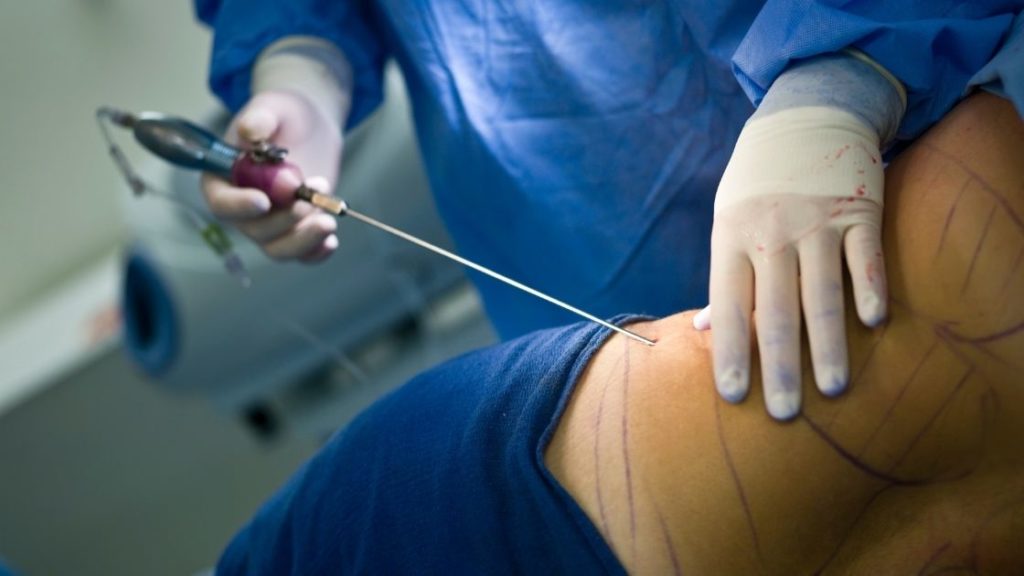
Liposuction removes excess fat from areas such as the abdomen, thighs, arms, and neck. The surgeon typically operates under either local or general anesthesia and employs a cannula, a hollow metal tube, to suction fat. This is a body-contouring procedure, not a weight-loss method.
Tissue trauma from suction, cannula passage, and fluid shifts awaken nociceptive pathways and initiate a pain and inflammation cascade. Early evaluation and treatment are important for recovery and to minimize complications like infection or irregular fat distribution.
Technique Impact
- Traditional (suction-assisted) liposuction: This uses a manual back-and-forth motion of a cannula to break and remove fat. Tissue disruption is higher, which frequently leads to higher immediate nociceptive pain and prolonged soreness. Recovery can vary as well, with most patients able to return to normal activities within days to a week. Pain can linger for longer in more extensive cases.
- Tumescent liposuction: Large volumes of dilute local anesthetic and epinephrine are injected into tissue before suction. It minimizes bleeding, decreases acute nociceptive input, and provides improved short-term pain control. It decreases the requirement for systemic opiates in numerous patients.
- Laser-assisted liposuction: Energy-based devices help liquefy fat before suction. They typically induce less mechanical trauma and accelerate early pain resolution. However, the risk of thermal injury persists and can induce delayed soreness if not carefully controlled.
- Ultrasound-assisted liposuction and power-assisted devices: These aim to make fat removal more efficient with less manual force. They can decrease surgeon fatigue and might minimize immediate postoperative soreness, but methodologies are different and results are operator-dependent.
I would recommend tissue damage limiting methods to patients who want the pain to go away soon. By matching technique to the area treated and patient factors, you reduce the risk of intense nociceptive input.
Tissue Response
Tissue injury from the cannula and fat removal awakens nociceptors in skin, fat, and muscle. Cell damage liberates mediators including prostaglandins, bradykinin, cytokines, and ATP that sensitize peripheral receptors and promote hyperalgesia. Local swelling and hematoma exert additional mechanical pressure on nerves and tissue, increasing pain.
Some patients experience sensitized pain, such as hyperalgesia or neuropathic symptoms, including burning, shooting, or lingering sensitivity that extends beyond normal healing. Risk increases with higher volume procedures, aggressive technique, or pre-existing nerve conditions.
Directing the effort into the anatomic spaces where you want to go helps. Cold, compression, and graded activity all help limit nociceptive drive. For neuropathic characteristics, under clinician supervision, gabapentinoids or topical agents may address aberrant nerve firing.
The Psychological Dimension
Psychological factors shape how pain is felt after liposuction and how quickly patients recover. The affective or emotional side of pain changes reported severity and coping. The brain does more than relay signals. It builds meaning from sensation through the body-self neuro-matrix, so thoughts, past experiences, and mood alter the pain experience.
Assessment tools such as the McGill Pain Questionnaire help clinicians capture these layers by asking about sensory and emotional descriptors and linking subjective reports to care plans.
Mindset
A resilient mindset diminishes the emotional load of suffering and enhances adaptation. Patients with optimistic, constructive attitudes toward recovery rate their pain lower and function better. Coach patients to pair catastrophizing with factual information about healing timelines and what they should expect to feel, redirecting attention away from threat and toward milestones.
Apply quick psychological tools, such as naming emotions, identifying evidence supporting or refuting a dreaded possibility, and establishing small action goals to develop constructive thought processes. Emphasize that mood and expectation alter brain processing of nociceptive input, so mental rehearsal and serene concentration can reduce perceived intensity.
Expectation
Clear, specific expectations reduce fear and synchronize treatment with results. Describe average post-liposuction pain, when it’s usually worst and when you start to feel better, in metrics. For example, pain is stronger for the first 48 to 72 hours and then drops over 2 to 4 weeks.
Emphasize individual variability: two patients with similar procedures can report different pain due to prior pain history or mood. Brace patients for fluctuations. Exercise, swelling, or sleep interruption may induce temporary surges. Align painkiller strategies and follow-up with patient expectations to increase satisfaction and decrease demands for unnecessary drugs.
Distraction
Psychologically, shifting attention away from pain engages the same pathways that modulate pain. Distraction and relaxation can reduce reported pain and alter brain processing of signals. Engage patients in simple, available activities that draw cognitive resources: listening to music, watching shows, or doing light crafts.
Social interaction, hobbies, and paced breathing provide novelty and distract from pain. Light movement and mini-hikes, when permitted, supply sensory feedback to battle surgical pain and bolster healing.
- Listening to calming or favorite music
- Watching films or streaming programs
- Puzzles, reading, or simple crafts
- Phone calls or video chats with friends
- Short, supervised walks or stretching
A Holistic Recovery
A holistic recovery approach regards mind, body, and spirit as interconnected components that all influence liposuction healing. Pain after surgery has both a nociceptive, sensory side and an emotional, affective side. Both require attention.
The gate control theory demonstrates how non-painful input, such as massage, touch, and vibration, can dampen pain signals. That principle slots into a broader scheme that mixes physical attention, mental strategies, and medical supervision so recovery is safer and more complete.
Patient Empowerment
Describe the gate control concept in simple terms so patients understand why rubbing, light exercise, or cold packs work. Teach simple self-care steps: timed short walks, targeted massage around but not on incisions, and paced breathing.
Provide a brief checklist indicating when to call a clinician and when to attempt comfort measures initially.
Patient Tools of Tracking Pain and Mood A daily journal with numeric pain scores, hours of sleep, and stress notes brings shifts to light. Offer examples: if pain drops after 10 minutes of diaphragmatic breathing or the use of a handheld massager, log that.
Tracking lets patients and clinicians identify what closes the gate for that person. Promote active decisions. Ask patients to set specific, reachable goals. For example, walk 2000 steps by day five, sleep six hours by week two, or practice 10 minutes of mindfulness twice daily.
Goals provide the brain a healthy objective and decrease pain preoccupation. Share clear resources, such as guided audio for mindfulness, short videos on relaxation and wound care, and simple apps to chart progress.
Build confidence with staged success. Start with small wins by managing a night without opioids using relaxation and nonopioid analgesics and expand strategies. Emphasize that knowledge and practice change pain perception.
Eight weeks of mindfulness practice has measurable effects on brain pain processing.
Integrated Care
Coordinate surgeons, pain specialists, and mental health professionals from the start. A planned handoff and shared notes reduce mixed messages and ensure consistent care.
For example, a pain specialist can advise multimodal analgesia while a psychologist teaches stress control and expectation management. Employ integrated strategies encompassing medication, physiotherapy, sleep hygiene, and mental health support.
Heal better with behavioral tips for improved sleep, which lowers pain sensitivity. Add nonpharmacologic methods that close the gate, such as massage, gentle touch, heat or cold, and transcutaneous stimulation when appropriate.
Keep track of progress with periodic reassessments. Inquire about pain quality and mood, review the pain log, and modify the plan as necessary. Effective communication among providers and patient feedback allows teams to modify approaches at every stage of recovery.
Put the patient in control with a coordinated team, and you reduce opioid requirement and facilitate a holistic recovery.
Future Perspectives
Future efforts in postoperative pain control after liposuction will rely on deeper insight from pain research and neurophysiology to render management more precise and less hazardous. What we do know from gate control theory is that the substantia gelatinosa in the dorsal horn can modulate signals to the brain and still stands as a central paradigm. New research expands upon that, revealing separate somatosensory routes and types of dorsal horn neurons that influence how we experience touch, pressure, and tissue damage.
These results connect with data that pain is fluid across time and geography, meaning drugs or devices need to evolve as healing and nervous system conditions shift. New molecular and systems neuroscience insights highlight targets beyond classic opioid receptors. Epigenetic work shows environment and genes jointly shape pain processing, so therapeutic interventions that alter gene expression or protein function may recalibrate how pain circuits respond post-surgery.
Non-opioid drugs acting on ion channels, inflammatory pathways, or plasticity mechanisms are in trial. Neuromodulation techniques, such as peripheral nerve stimulation, targeted spinal cord stimulation, and transcutaneous electrical nerve stimulation, are being optimized to impact gate-like mechanisms with diminished side effect load. Think smaller, wearable stimulators that modulate output on the fly based on when you’re moving or nearby signals.
New analgesic approaches will pair drugs with nerve modulation and rehab to lower chronic pain risk. Multimodal care plans already reduce opioid needs after liposuction. Future protocols will be more personalized, combining genetics, pain sensitivity tests, and psychosocial risk profiling.
Cognitive and emotional factors shape pain via cortical control centers, so integrating brief psychological interventions or digital cognitive behavioral therapy into recovery can change perception and lower analgesic needs. Rehabilitation will emphasize graded movement, sensory retraining, and education about normal postoperative sensations to prevent maladaptive neural changes.
Table: Advancements over time show clearer trends and practical steps for clinicians and patients.
| Era | Key focus | Practical impact |
|---|---|---|
| Gate control (1965–1990) | Spinal gating concept | Basis for nonpharmacologic therapies |
| Neurophysiology expansion (1990–2010) | Dorsal horn, modalities, cortical roles | Better targets for drugs and stimulation |
| Molecular and epigenetics (2010-2025) | Gene expression and environment interactions | Personalized risk stratification and new drug targets |
| Integrated multimodal care (2025+) | Wearable neuromodulation, digital therapy, rehab | Less opioids and personalized recovery plans |
Future looking continued investment in pain neuroscience education and rehab is needed to translate impressive lab findings into routine care. With chronic pain costs of about $560 to $635 trillion a year and the limitations of current treatments, training surgeons, anesthesiologists, and therapists in gate-based approaches and biopsychosocial care will accelerate adoption.
Research should evaluate real-world regimens that combine neuromodulation, precision pharmacology, and psychosocial interventions to reduce chronic pain and opioid addiction.
Conclusion
Gate control theory connects touch, movement, and mood to the body’s experience of pain after liposuction. According to gate control theory, short spasms of gentle massage, cold packs, and simple movement can reduce pain signals at the local nerves. A clean sleep cycle, short breathing exercises, and consistent reassurance from nursing staff stabilize the mind and reduce pain even more. Surgeons and nurses with transparent itineraries and achievable objectives empower patients to recover more rapidly and comfortably. Small changes add up. Forty-five minutes of light walking, three short massage sessions, and night rest with a raised head can ease pain and speed recovery. Experiment with one modification at a time and monitor its benefit. Consult your care team before incorporating any new step.
Frequently Asked Questions
What is gate control theory and how does it relate to liposuction pain?
Gate control theory describes how the spinal cord controls pain signals en route to the brain. According to the gate control theory, stroking or cold after liposuction activates non-painful nerves and can close the gate.
Which non-drug methods use gate control principles after liposuction?
These techniques include gentle massage, cold packs, TENS, and light touch. These activate large nerve fibers to inhibit pain signals and commonly accelerate comfort in the initial healing.
Is TENS safe and effective after liposuction?
TENS’s activation of gate control mechanisms can be effective for some people. Use only with surgeon approval, no broken skin, and according to device instructions. Gate control theory pain management after liposuction.
How does local anesthetic interact with gate control approaches?
Local anesthetic blocks the pain signal right at its origin. Gate control post-liposuction pain management techniques provide relief after the anesthetic wears off, minimizing the use of opioids and enhancing recovery comfort.
Can psychological techniques affect the gate and pain after liposuction?
Yes. Relaxation, breathing, and cognitive techniques minimize tension and distraction from pain, which closes the gate and decreases pain during recovery.
When should I contact my surgeon about pain after liposuction?
Reach out to your surgeon if pain is intense, intensifying, not addressed by prescribed measures, or is accompanied by fever, heavy swelling, or abnormal drainage. These can signal issues requiring immediate attention.
Will using gate control methods lower my need for opioids?
Many times yes. When used in combination with gate control and prescribed medication, it can minimize opioid consumption. Talk about a pain plan with your surgeon; you want the most effective and safe option!