Key Takeaways
- TIVA uses intravenous anesthetic infusions to deliver precise, gas-free anesthesia for body sculpting and frequently results in speedier and easier recoveries than inhaled anesthesia.
- TIVA delivers hypnotics and analgesics via infusion pumps for steady levels. This enables rapid onset, predictable wake-up times, and reduced postoperative nausea.
- TIVA enables surgical artistry by providing immediate control over anesthetic depth, reducing patient responsiveness and enhancing surgeon control during intricate sculpting.
- TIVA assists in minimizing intraoperative bleeding and swelling via stable blood pressure and heart rate control, potentially enhancing healing and aesthetic outcomes.
- Appropriate candidates are typically healthy adults undergoing elective cosmetic procedures, individuals with airway sensitivity, or those desiring same-day discharge. Contraindications consist of significant liver dysfunction, specific metabolic disorders, or complicated comorbidities.
- Suggest talking to your surgical and anesthesia team, reviewing preoperative screening and monitoring plans, and thinking of TIVA when it comes to fast recovery, less nausea, and more surgical control.
TIVA anesthesia body sculpting benefits explained highlights how total intravenous anesthesia (TIVA) can enhance comfort and recovery during outpatient fat-sculpting and contouring procedures.
TIVA employs carefully controlled IV medications to maintain patient stability, minimize nausea, and let patients wake up faster than some inhaled options. With lower perioperative nausea rates and smoother pain control, this supports same-day discharge for many patients.
The bulk of the article details protocols, safety data, and patient selection.
Understanding TIVA
Total intravenous anesthesia (TIVA) is an advanced anesthesia technique that relies on intravenous agents to produce anesthesia for body sculpting and other cosmetic procedures. It replaces inhaled anesthetics and anesthetic gases, giving the care team tighter control over sedation, hypnosis, and pain relief.
TIVA’s growing use in plastic surgery reflects its ability to be tailored to each patient and to improve perioperative outcomes such as faster wake-up and fewer side effects.
The Mechanism
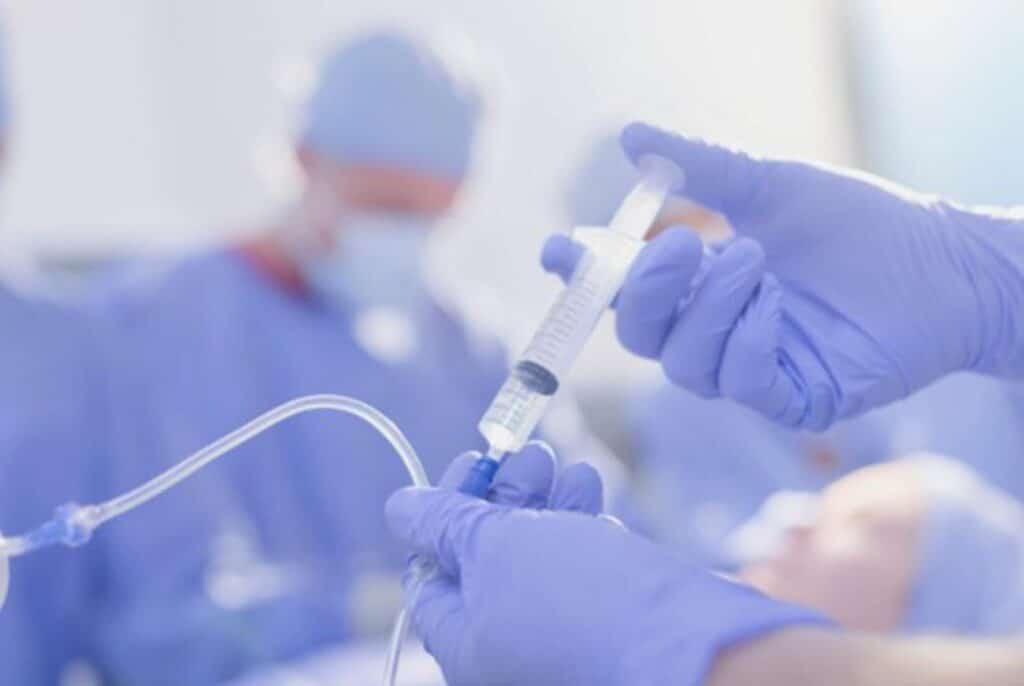
In TIVA, anesthetic drugs are administered directly into the bloodstream by means of programmable infusion pumps that provide stable and predictable drug concentrations. Pumps typically are programmed to deliver an induction dose of propofol at 1.5 mg per kilogram over 90 seconds, then maintain at approximately 10 mg per kilogram per hour.
Instead, groups may begin propofol infusion without an induction bolus at 3 to 6 mg per kilogram per hour and supplement remifentanil soon after at 0.15 to 0.5 micrograms per kilogram per minute. Propofol is usually supplied at 10 mg per milliliter for adults and 5 mg per milliliter for kids to correspond with dosing requirements.
Hypnotic agents like propofol and short-acting opioids like remifentanil are infused together so loss of consciousness and analgesia occur quickly and are easy to keep steady. Remifentanil is typically mixed at 50 micrograms per milliliter by dissolving 2 milligrams in 40 milliliters of 0.9% sodium chloride.
Guideline dosing includes a reference of 30 micrograms per kilogram per hour, which is convertible to micrograms per kilogram per minute for infusion programming, but initial doses for some drugs may range from 5 to 15 micrograms per kilogram and must be adjusted per patient response.
TIVA bypasses inhaled agents and frequently allows for a gentler approach with airway irritants like endotracheal tubes. Less airway irritation means less risk of bronchoconstriction in susceptible patients.
Continuous physiological feedback, including pulse, blood pressure, end-tidal CO2 from capnography when employed, and processed EEG indices, assists providers in maintaining anesthetic depth within the intended range. Monitoring enables rapid adjustments to infusion rates for an easy ride.
The Difference
It’s different from the conventional practice of inhalational anaesthesia with volatile agents and the anaesthetic machine, as TIVA circumvents anaesthetic gases completely. This distinction diminishes personnel and patient contact with volatile compounds and may decrease postoperative complications associated with inhaled anesthesia.
TIVA patients experience a more reliable emergence curve and faster recovery to baseline cognition and motor skills. TIVA typically yields a smoother emergence with fewer side effects such as postop nausea and delirium, particularly when remifentanil doses are decreased by 25 to 50 percent in more elderly or frail patients.
Tailoring maintenance doses to age and clinical picture is always key to a balance of pain control and rapid recovery.
Core TIVA Advantages
TIVA provides a suite of tangible advantages for body sculpting that impact recovery, surgical control, bleeding, comfort, and physiologic stability. The table below outlines general advantages, then explores specialized areas where TIVA transforms perioperative care and outcomes.
- Faster return to consciousness and shorter PACU stays
- Lower incidence of postoperative nausea and vomiting (PONV)
- More stable hemodynamics and less intraoperative bleeding
- Finer control of anesthesia depth with modern TCI pumps
- Reduced airway irritation and improved patient comfort
- Lower environmental impact compared with volatile agents
- Fewer equipment needs in office-based suites (no scavenging)
- Possible overall cost savings when accounting for throughput and reduced complications.
TIVA’s regulated, titratable IV administration enables personalized regimens and an aggressive perioperative strategy. That precision frequently means improved cosmetic results due to reduced motion, clearer surgical fields, and a consistent anesthetic plane that correlates with surgical demand.
1. Smoother Recovery
TIVA offers fast induction and fast recovery, particularly with sub-six-hour procedures, for less groggy wake ups. One study demonstrated median PACU times of 42 minutes for TIVA versus 58 minutes for sevoflurane, meaning faster turnover and earlier discharge. Propofol’s antiemetic properties reduce PONV; patients experience less nausea and vomiting post-liposuction or abdominoplasty.
Less postoperative delirium and less airway irritation get our patients out of same day clinics earlier and more comfortable.
2. Surgical Precision
Intravenous delivery with target-controlled infusion (TCI) pumps gives clinicians precise, real-time control over anesthetic depth. That control enables the team to time stimulation to coincide with fat removal and contouring, enhancing surgeon precision.
Stable anesthesia depths minimize sharp patient movements and enable gentle stroking around fascial planes. This steadiness enables innovative techniques and challenging cases that require precise timing and minimal physiologic disruption.
3. Reduced Bleeding
TIVA generally exhibits hemodynamic stability, reducing intraoperative bleeding during liposuction and skin excision. Reduced bleeding leads to reduced swelling and bruising at incision sites, clearer surgical markings, and enhanced surgeon visibility.
Lower operative blood loss means quicker healing and fewer postoperative issues, which means patients get back to their lives quicker.
4. Patient Comfort
Patients often describe TIVA as a gentler experience, with effective perioperative analgesia and reduced anxiety from mild sedative effects. Propofol’s soothing profile decreases discomfort before and during procedures and limits airway irritation, which is an advantage for those with reactive airways or higher body mass index.
Overall, lower PONV and better pain control boost satisfaction.
5. Stable Vitals
TIVA provides tight control and predictable pharmacologic response, minimizing vital-sign swings during long cases. Stable oxygenation, heart rate, and blood pressure enhance perioperative safety.
Avoiding postoperative complications is top of mind for anesthesiologists and surgeons, as is delivering safe, efficient anesthesia in elective plastic surgery procedures.
TIVA vs. Alternatives
TIVA stands for total intravenous anesthesia, which uses continuous intravenous drugs instead of volatile gases. Below we contrast TIVA with inhalation and sedation anesthesia in technique, recovery, and complications. Then we display a summary table and practical tips for when TIVA is best for body contouring.
Inhalation Anesthesia
Inhalation anesthesia utilizes volatile agents via an anesthesia machine and breathing circuit. Machines and vaporizers determine the inspired concentration, and scavenging systems eliminate waste gas. This is standard in many hospitals.
Airway irritation, hypoxia, and slower emergence occur in certain patients following volatile agents. These drugs can accumulate in tissues and extend grogginess, which counts for outpatient body sculpting where rapid recovery is king.
Volatile agents increase the risk of post-operative atelectasis and other respiratory problems, especially in smokers or those with baseline lung disease. For patients at risk for respiratory compromise, it can translate to longer observation and increased risk of unplanned admission.
TIVA eliminates exposure to inhaled agents. There are no vapors, less OR contamination, and fewer scavenging needs in office suites. TIVA sidesteps the hassle of prepping machines for malignant hyperthermia patients with charcoal filters or long flushing steps, simplifying workflow and improving safety.
Sedation Anesthesia
Sedation anesthesia ranges from minimal anxiolysis to deep sedation, not loss of consciousness. This is great for light surgeries and for patients who don’t tolerate general anesthesia.
Deep sedation can still preserve airway reflexes, providing inconsistent control during significant body contouring such as high volume liposuction or tummy tucks. Sedation methods commonly miss the precise dosage balance of pain relief and anesthetic depth needed for longer or more invasive aesthetic cases.
- TIVA gives steady, titratable anesthesia for longer procedures.
- TIVA decreases postoperative nausea and vomiting compared to primitive sedation techniques and inhaled agents.
- TIVA enables fast recovery and discharge for same-day body contouring.
- TIVA decreases environmental pollution and the demand for scavenging checks in office suites.
TIVA provides more consistent pain relief and closer cardiovascular stabilization than the simple sedation techniques used by many cosmetic clinics. Mild hypotension can occur with TIVA but is usually corrected with small vasopressors or by supplementing ketamine.
Summary Table
| Feature | TIVA | Inhalation | Sedation |
|---|---|---|---|
| Drug delivery | IV infusion, precise | Volatile gas via machine | IV bolus/infusion, variable |
| PONV incidence | Lower (20–30% relative reduction) | Higher | Variable, often higher than TIVA |
| Recovery time | Rapid for <6 h surgeries | Often longer | Quick for minor work, not for major surgery |
| Airway/respiratory risk | Lower exposure to gases | Airway irritation, atelectasis risk | Airway control less secure |
| Malignant hyperthermia | Safe option | Requires special prep | Depends on agents used |
| Office suitability | Fewer scavenging needs | More equipment checks | Limited for extensive procedures |
| Cost per case | Often similar when accounting for throughput | Similar when complications counted | Lower direct cost but may increase admissions |
Anesthesia selection should correspond to procedure duration, invasiveness, patient comorbidity, and perioperative objectives. For numerous body-sculpting cases, TIVA fulfills those requirements most effectively.
Patient Suitability
Patient suitability for TIVA depends on a combination of medical history, procedure type, and personal recovery objectives. TIVA avoids volatile agents, altering risk profiles and recovery time. It should be based on a targeted preoperative evaluation considering airway reactivity, metabolic and hepatic status, obesity, PONV risk, and inherent surgical positioning and duration.
Ideal Candidates
Healthy adults undergoing elective plastic or outpatient surgery are the ideal patients for TIVA. These patients generally have minimal comorbidities and desire quick recovery and early discharge. TIVA is handy when you want to reduce postoperative nausea and vomiting. Individuals with a predisposition to PONV tend to fare better with IV-only methods.
Patients with hyperreactive airways or known intolerance to inhaled anesthetics are particularly well suited to TIVA because it avoids airway irritants and the need for volatile agents. Individuals with a history of malignant hyperthermia are good candidates for TIVA as it eliminates the trigger risk that volatile anesthetics present.
TIVA suits patients having multiple or long cosmetic interventions where dose control is crucial. For example, in a staged neck lift and fat grafting, anesthesiologists can titrate infusion rates to pain and sedation needs. It’s popular for small, quick procedures such as single-area liposuction, upper eyelid surgery, lip lift, blepharoplasty, and otoplasty since it promotes speedy recoveries and low nausea incidence.
Suitability is usually determined on a case-by-case basis during a consultation with an expert who goes over objectives, medications, and past anesthesia experience.
Contraindications
- Known severe hepatic impairment or specific metabolic conditions that affect clearance.
- Complicated cardiac disease or unstable cardiovascular status where inhaled agents provide hemodynamic benefits.
- ASA III or higher patients with multiple comorbidities unless specialized monitoring and expertise are available.
- Patients unable to tolerate IV access or with challenging venous access that compromises ongoing infusion.
- No experienced personnel or infusion pumps at the facility to safely run TIVA.
Comprehensive preoperative workup is vital to identify hazards. Smoking increases postoperative complications. Quit smoking at least four weeks prior to surgery to enhance your candidacy.
For procedures that need the patient in a prone position, like BBLs, volatile agents may be preferred to TIVA for cardiovascular stability. Talk about positioning requirements prior to making the TIVA decision.
Checklist: medical history (malignant hyperthermia, PONV, liver disease), ASA class, smoking status, airway reactivity, procedure type and duration, positioning needs, venous access, available monitoring and staff.
The Surgeon’s Perspective
TIVA shifts the way surgeons schedule and operate body sculpting cases. It imparts a constant, adjustable anesthetic rhythm that allows the team to modulate depth rapidly. Surgeons use that predictability to perfect dissection planes, control hemostasis, and time critical steps like liposuction passes or flap checks.
When patients are sedated but not deeply unconscious, the surgical team can treat the patient as part of the operative environment: conversation, music, and the room’s atmosphere matter and can influence comfort and cooperation. Awake or lightly sedated patients are observed with special care. Their vitals and spontaneous reactions add a buffer of security, particularly in higher-BMI instances where dynamic control is especially useful.
Procedural Control
TIVA allows anesthetists and surgeons to adjust anesthesia depth in real time according to surgical stimulation and patient signals. That’s less startle motion during fine work, like eyelid or lip lift surgery, when a millimeter matters. The stabilized plane minimizes surprise motion from coughs or reflexes, allowing surgeons to finish fine suturing and precise contouring with assurance.
TIVA is administered intravenously, so dosing can be adjusted rapidly when the procedure shifts. If bleeding extends a case or dissection cuts deeper than anticipated, anesthetic depth can be adjusted higher or lower without waiting for inhaled agents to wash in or out. Teams say that this flexibility streamlines intraoperative workflow and reduces downtime between steps.
Sophisticated anesthesia teams utilizing TIVA further optimize flow by forecasting surgical benchmarks and modulating infusion rates to correspond, which encourages efficient turnover and consistent communication in the OR. Patient under TIVA can still feel pressure, movements, or instrument vibrations in non-numb areas and hear operating sounds.
Surgeons expect that and compensate for the environment. Certain high-anxiety or needle-fearing patients do not tolerate awake or light-sedation approaches well, so selection and pre-op counseling are critical.
Aesthetic Outcomes
Reliable anesthesia delivery facilitates consistent fat extraction and reliable shaping from patient to patient. In conditions where bleeding and swelling are controlled, surgical markings remain accurate and subtle adjustments flow through to the end product.
Less intraoperative bleeding reduces the requirement for aggressive cautery, which can minimize thermal damage to fat and soft tissue, enhancing healing and aesthetics. TIVA’s seamless recovery tends to mean less nausea and grogginess and even less bruising, which quickens recovery and makes early results more apparent.
Quicker recovering patients get to evaluate results earlier and tend to be happier.
| Outcome metric | How TIVA helps |
|---|---|
| Intraoperative stability | Rapid dose changes, less movement |
| Bleeding/swelling | Lower with controlled anesthetic plane |
| Recovery speed | Faster emergence, less nausea |
| Patient satisfaction | Higher when early recovery is smooth |
Safety and Monitoring
Vigilant monitoring is key to safe TIVA administration in body sculpting. TIVA’s consistent drug profile reduces perioperative risk, but dependence on this alone is insufficient. Staff must monitor the patient and the delivery system throughout to detect issues promptly. Routine cannula checks maintain the access site exposed and within reach, so disconnection, infiltration, or tissuing is detected and repaired immediately.
Verify cannula position each time the patient is repositioned and record on the chart. Ensure rigorous pump setup monitoring to prevent mechanical and dosing mishaps. Ensure the correct syringe is placed in the intended syringe driver and that the programmed concentration is for the drug in the syringe. Pumps should be checked for secure tubing connections, appropriately set clamps, and line routing that prevents backtracking and crossflow.
Address pump alarms promptly and be prepared to convert to a manual infusion or other delivery if the pump malfunctions. Employ anti-reflux and anti-siphon valves in multilumen tubing and clamp unused lumens to minimize the risk of inadvertent flows. Physiologic monitoring should include oxygenation, ventilation, circulation, and depth of anesthesia.
Continuous pulse oximetry and capnography confirm oxygen saturation and respiratory function, minimizing hypoxia risk. Noninvasive blood pressure and ECG provide continuous cardiovascular information to direct vasopressor or fluid requirements. Postoperative acid-base status is connected to intraoperative oxygenation and perfusion, and careful monitoring aids in maintaining postoperative pH in the safe range, which avoids metabolic disturbances that impede recovery.
Processed EEG and depth-of-anesthesia monitoring are crucial when neuromuscular blockers are employed or patient variability is expected. Technologies like bispectral index (BIS) monitors minimize the risk of underdosing or overdosing by monitoring brain activity trends in real time. Because the uptake and effect of intravenous anesthetics vary widely between patients, basing on clinical signs alone jeopardizes inadvertent awareness.
Combining processed EEG with end-tidal, or better still, plasma-target monitoring of infusion rates gives much more confidence that you’ve got the patient unconscious without overdoing the drug. Pill safety rounds reduce human error. Concentration of drugs and pre-label syringes must be double verified before loading pumps.
Standard concentration charts and team read-backs are necessary for high-risk drugs. Maintain a pump setup, cannula check, and device placement checklist. Train staff in troubleshooting infusion alarms, recognizing tissuing, and swapping pumps in sterile conditions.
Conclusion
We’d love to explain the TIVA anesthesia body sculpting benefits! It slashes nausea and soothes patients. Recovery just seems to go more quickly. Surgeons get consistent control of anesthesia depth. We use advanced monitoring tools to track vital signs and brain activity in real time, which allows us to detect changes quickly. Ideal candidates are healthy adults who desire less grogginess and a reduced risk of nausea. Individuals with specific medical concerns require a personalized strategy.
For a silky ride, choose a crew that loves TIVA and runs with contemporary monitors. Inquire about medication options, recovery duration, and pain management. If you want less nausea and a quicker return to normal, discuss TIVA with your surgeon. Book a consult to find out if it suits your situation.
Frequently Asked Questions
What is TIVA and how does it work for body sculpting procedures?
TIVA (Total Intravenous Anesthesia) uses intravenous drugs instead of inhaled gases. It produces controlled unconsciousness and pain relief during body sculpting. The anesthetist adjusts drug rates for stable depth and faster recovery.
What are the main benefits of TIVA for body sculpting patients?
TIVA anesthesia reduces vomiting and nausea, so patients recover faster and enjoy a smoother wake up. It decreases postoperative grogginess and can enhance surgeon visibility by minimizing bleeding with stable blood pressure control.
How does TIVA compare with general inhaled anesthesia?
TIVA steers clear of volatile gases, frequently inducing less nausea and a speedier recovery. It permits accurate dosing and quicker emergence. Inhaled anesthesia can be easier in certain situations but it ups post-op nausea.
Who is a good candidate for TIVA during body sculpting?
Most healthy adults, along with a variety of those with mild medical conditions, stand to gain. Patients with previous severe post-operative nausea following inhaled anesthesia or those desiring expedited recovery are excellent candidates. Final appropriateness needs anesthetist evaluation.
Are there safety concerns or side effects with TIVA?
TIVA is usually safe with a trained anesthetist and routine monitoring. Uncommon side effects may be allergic responses or prolonged recovery with improper dosing. With proper monitoring, the risks are minimized.
How is patient safety monitored during TIVA?
You’re monitored continuously for oxygenation, ventilation, blood pressure, heart rate, and drug infusion rates. Depth-of-anesthesia monitors are frequently employed. Trained staff react as soon as there is a change.
Will TIVA speed up my discharge after a body sculpting procedure?
Yes. Since TIVA frequently reduces nausea and increases wakefulness, patients tend to satisfy discharge criteria earlier. Real timing varies depending on the procedure, individual response, and facilities protocol.