Key Takeaways
- Lipedema is a separate and unique chronic disorder characterized by disproportionate lower-body fat accumulation, pain, and low-grade inflammation that frequently resists conventional weight-loss methods and necessitates body composition analysis for proper diagnosis.
- Estrogen and altered estrogen metabolism are key players in lipedema onset and progression. Hormonal fluctuations such as those experienced during puberty, pregnancy, and menopause tend to initiate changes in adipocyte growth and fat distribution.
- The estrobolome, the gut microbial genes that metabolize estrogen, impacts systemic estrogen levels via microbial β-glucuronidase and other enzymes. Gut composition and diversity influence estrogen bioavailability and metabolic effects.
- Gut dysbiosis can encourage estrogen dominance, drive inflammatory signaling from gut-derived molecules, and exacerbate adipose inflammation and lymphatic burden. Evaluating microbiome health in conjunction with metabolic biomarkers is beneficial.
- Practical steps to support the estrobolome include a high-fiber, plant-forward diet (Mediterranean-style), regular exercise, sleep and stress management, and precision probiotic tactics based on microbiome testing.
- Incorporate multidisciplinary care with clinical nutrition, body composition tracking, microbiome testing, and personalized treatments to tackle hormonal, inflammatory, and metabolic lipedema drivers.
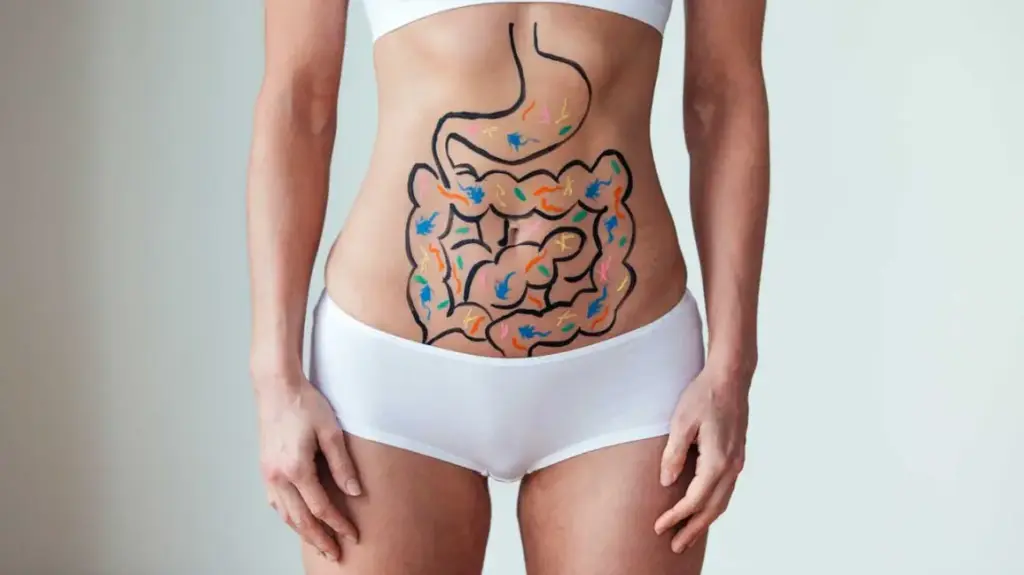
Lipedema and estrobolome gut bacteria estrogen connection refers to links between fat distribution disorder and gut microbes that process estrogen. Research reveals some gut bacteria change estrogen by degrading estrogen compounds, which can impact fat storage patterns and inflammation in vulnerable individuals.
Though research is still sparse, studies indicate that bacterial populations and circulating estrogens change measurably. The bulk examines the evidence, mechanisms, and practical applications for diagnosis and treatment.
Lipedema Explained
Lipedema is a long-term condition characterized by symmetrical subcutaneous fat tissue build-up, primarily in the legs and buttocks and nearly always in females. The fat accumulates in a symmetric, disproportionate pattern relative to the trunk and can withstand usual weight loss efforts. Most patients report first observing changes during times of hormone fluctuation, such as puberty, pregnancy, and menopause.
A defined connection has been identified between estrogen signaling and fat metabolism in diseased tissue.
Hormonal Triggers
Estrogen and other female hormones play a pivotal role in the development and evolution of lipedema. Estrogen receptors in adipose tissue seem disrupted in lipedema, generating an ER imbalance that modifies the development of fat cells and lipid storage. During puberty, pregnancy or menopause, increasing or fluctuating estrogen and progesterone levels typically align with sudden exacerbation or initial presentation of symptoms.
Modified estrogen metabolism can increase adipocyte proliferation and result in swollen, fibrotic fat lobules that are resistant to calorie restriction.
Thyroid dysfunction is common in lipedema and occurs in around 30% of patients. Thyroid checks should be in routine hormone panels to capture broader endocrine influences. Pregnancy is said to cause significant exacerbation in many women, probably from prolonged hormonal and weight fluctuations along with localized tissue changes from gestation.
Hormone-driven adipose changes produce distinct lipedema phenotypes: higher limb-to-trunk fat ratios, increased subcutaneous nodularity, and sensitivity or pain in the fatty tissue. These characteristics differentiate lipedema from other fat pathologies on a biological scale.
Misdiagnosis Problem
Lipedema is frequently confused with generalized obesity and lymphedema, causing delayed or wrong treatments. Simple BMI-based assessments miss the disproportionate fat pattern and the specific adiposity markers typical of lipedema. Detailed body composition profiling and clinical nutrition assessment help show limb-dominant fat and relative preservation of trunk adiposity.
Most clinicians are not taught about lipedema’s metabolic signature and unique adipose biology, so patients wait years for a proper diagnosis. Body composition, including segmental fat mass by bioimpedance or DXA, and metabolic phenotype data improve diagnostic accuracy and guide appropriate care, including conservative therapies and surgical options when indicated.
Inflammatory Nature
Lipedema is characterized by chronic low-grade inflammation of subcutaneous fat that exacerbates the pain and exercise intolerance. Gut microbiota changes, including increases in specific inflammatory taxa, have been associated with systemic and localized adipose inflammation in patients.
Pro-inflammatory diets and dysbiosis may exacerbate symptoms via metabolic stress and immune activation.
Common biomarkers associated with lipedema include:
- Elevated local inflammatory cytokines (e.g., IL-6, TNF-α)
- Altered adipokine profile (leptin, adiponectin imbalance)
- Markers of fibrosis and extracellular matrix remodeling
- Metabolic stress indicators are insulin resistance markers in certain instances.
Estrogen’s Role
Estrogen plays a central role in fat distribution, adipocyte differentiation, and lipid metabolism. It orchestrates fat storage locations, promotes subcutaneous rather than visceral fat accumulation in many individuals, and steers preadipocyte maturation into adipocytes.
Estrogen influences enzymes responsible for lipid uptake and storage, like lipoprotein lipase, and alters fat cell mitochondrial activity, which shifts fatty acid metabolism toward burning or storage. That shift happens every day and across life stages, so even small or chronic imbalances can alter body composition and manifest in gynecologic and hormonal health.
Hormone Metabolism
Estrogen undergoes liver conjugation pathways and is then secreted into bile and the gut where microbial enzymes can deconjugate and thereby reactivate it. Hepatic lipid metabolism and phase II enzymes attach glucuronide or sulfate molecules to estrogens, rendering them water-soluble and excretable.
Gut microbes with β-glucuronidase and sulfatase activity can cleave those molecules and permit estrogens to instead be reabsorbed via enterohepatic recirculation. Microbial makeup alters the rhythm of estrogen metabolism and reabsorption.
A diverse estrobolome with balanced enzyme activities tends to suppress excessive reactivation, whereas dysbiosis with blooms of β-glucuronidase producers can elevate circulating estrogen. This is important because reactivated estrogen flows to far-off tissues that are responsive to steroid signaling, such as breast and fat tissue.
Β-glucuronidase activity is a critical control point. High activity raises free estrogen available to tissues and can promote estrogen-related pathologies. Diet, antibiotics, and ultra-processed foods change microbial balance and enzyme output, thereby changing recirculation rates and systemic exposure.
| Feature | Healthy Gut | Dysbiotic Gut |
|---|---|---|
| Estrogen deconjugation | Moderate, regulated | Elevated or erratic |
| β‑glucuronidase levels | Balanced | Often high |
| Enterohepatic recirculation | Controlled | Increased reactivation |
| Systemic estrogen exposure | Normal range | Higher, fluctuating |
| Risk for estrogen‑linked conditions | Lower | Increased |
Estrogen Dominance
Estrogen dominance doesn’t always mean you have absolutely elevated estrogen. It means estrogen levels are high relative to other hormones. When the scale tips, adipocytes are prone to hypertrophy and fat mass can redistribute to patterns associated with worsened metabolic health.
Patients can have increased fat mass ratios, a less than ideal waist to hip marker, and resistant subcutaneous fat deposits. Estrogen dominance is linked to poor insulin sensitivity and dysregulated lipid homeostasis.
It frequently co-occurs with metabolic syndrome, type 2 diabetes risk, and dyslipidemia. Gut microbiome diversity can buffer or worsen this state. A varied microbiota can lower reactivation and help clear estrogens, while low diversity and estrobolome imbalance can raise active estrogen and magnify metabolic harms.
The Estrobolome Connection
Estrobolome is the collection of gut microbial genes capable of metabolizing estrogens. It contains bacteria that can deconjugate, transform, or assist in excreting estrogens and its makeup influences circulating hormones. This is important for lipedema, as changes in estrogen processing can affect fat deposition, inflammation, and tissue reaction. Connecting gut function to fat pathology offers a reasonable mechanistic bridge between bugs and illness.
1. Gut Regulation
Gut microbes influence estrogen availability through direct metabolism and by modulating enterohepatic circulation. Bile-excreted conjugated estrogens can be detached by bacterial enzymes and reabsorbed in the intestine, increasing systemic estrogen. Taxa like Lactobacillus and Bacteroides are involved in these reactions.
Lactobacillus species tend to be linked to lower beta-glucuronidase activity and some Bacteroides with increased deconjugation. Microbial richness and evenness matter; greater diversity tends to stabilize estrogen recycling, while low richness often links to hormone disruption.
A few practical steps to nurture your estrobolome include a high-fiber diet, particularly lignan-rich foods like flaxseed, sesame, and whole grains, targeted probiotics, especially Lactobacillus brevis, regular exercise, stress management, and avoiding antibiotics when they’re not essential.
2. Bacterial Action
Gut microbes provide enzymes that act upon estrogen conjugates, particularly microbial β-glucuronidase. This enzyme liberates estrogens from glucuronide or sulfate groups, generating forms that can recycle back into circulation. Enzymatic activity balance controls active and inactive estrogen pools.
Abundant β-glucuronidase increases bioavailable estrogens, potentially fostering estrogen dominance. Altered microbiota with overrepresentation of certain deconjugating species can thus increase systemic estrogens. Healthy profiles exhibited a balance of fermenters and commensals with moderated enzymatic production, whereas dysbiotic or lipedema-affected profiles may display shifts toward taxa that increase reuptake and decrease clearance.
3. Dysbiosis Effects
Dysbiosis is an imbalance in gut microbial composition and function. It connects to impaired estrogen metabolism and increased risk of relative estrogen dominance, which can drive the fat deposition patterns and metabolic inflammation observed in lipedema.
Dysbiosis introduces decreased lignan conversion to phytoestrogens, reducing an inherent modulator of estrogen signaling. Microbiome testing and dysbiosis indices can identify at-risk patients, but combined with body composition measures, these tests guide targeted interventions such as a fiber increase, a probiotic selection, or more advanced therapies.
4. Inflammation Pathway
As we have seen recently, disrupted microbiomes favor a pro-inflammatory state in fat tissue. Gut barrier alterations allow lipopolysaccharide (LPS) to enter circulation, inducing systemic inflammation and insulin resistance. Chronic low-grade inflammation damages adipocyte function and metabolic flexibility, characteristics shared in lipedema.
Track markers like CRP, IL-6, and LPS-binding protein and map microbial pathways in nutrition plans for clearer targets.
5. Research Frontiers
Molecular epidemiology and shotgun metagenomics probe the gut-lipedema-estrogen axis. Whole metagenome sequencing identifies candidate taxa and gene functions associated with hormone processing. Some cohorts differ in lipedema unique signatures.
Future work will pair detailed body composition analysis with microbiota profiling to find biomarkers and treatment targets like FMT or strain-specific probiotics.
Beyond the Gut
The gut microbiome affects systemic physiology beyond local digestion, including metabolic networks, hormone balance, and tissue behavior. Alterations in microbial composition can change estrogen metabolism, immune tone, and metabolite profiles that circulate systemically. These shifts are significant for lipedema, where abnormal fat distribution and impaired lymphatic and hormonal sensitivity collide.
Systemic Stress
Gut dysbiosis can increase gut permeability and permit bacterial components like lipopolysaccharide into circulation, often referred to as metabolic endotoxemia. This fosters low-grade inflammation and insulin resistance, which combine to induce systemic metabolic stress that alters how the body stores and utilizes energy.
Microbial metabolites and inflammatory mediators, such as SCFAs, secondary bile acids, and cytokine-inducing signals, modulate liver and adipose responses. SCFAs like butyrate and propionate impact glucose handling and appetite hormones, whereas changed bile acid pools impact lipid metabolism. These compounds can either guard against or encourage metabolic shifts depending on microbial balance.
Systemic stress connects to worsening adiposity distribution. Sustained inflammation and insulin signaling alterations promote hypertrophy of existing adipocytes and recruitment of new lipid-storing cells, augmenting local fat depot expansion. Monitoring metabolic output, including plasma markers and insulin sensitivity tests, and fecal metabolites like SCFA profiles and bile acid signatures can provide actionable insights for lipedema patients.
Lymphatic Burden
Adipose hypertrophy and fat infiltration in lipedema augment mechanical and biochemical load on the lymphatic system. Swollen tissue compartments push on lymph vessels and impede flow. This increases interstitial fluid pressure.
Impaired lymph flow traps inflammatory molecules and metabolic waste in subcutaneous tissue, sustaining a pro-inflammatory microenvironment that can worsen pain and fibrosis. Poor drainage hinders immune cell trafficking, which alters tissue repair and heightens chronic inflammation.

Gut microbiota influence lymphatic health both through systemic inflammation and directly via metabolites that influence endothelial and immune function. Diet and lifestyle changes that enhance microbiome balance—more fiber from leafy greens, regular aerobic exercise, and fewer ultra-processed foods—support both lymphatic flow and microbiome healing in weeks to months.
Hydration, compression therapy, and targeted physical activity for lymph mobilization provide practical support.
Adipose Signaling
Microbial signals transform the adipocyte niche by modulating local cytokines, lipid availability, and differentiation factors for precursors. Estrobolome activity influences estrogen reactivation and systemic estrogen levels, which can modify fat distribution and adipogenesis due to estrogen’s role in adipocyte biology.
SCFAs modulate adipose function. Some promote healthy energy use and anti-inflammatory profiles. Others in imbalance may favor lipid storage. Microbiome changes can alter progenitor cell destiny, expanding the population of cells predisposed to storing fat instead of burning it.
This forms a feedback loop. Gut-driven inflammation and hormone shifts change adipose tissue, which in turn sustains dysbiosis via altered metabolites and immune signals. Incorporating gut-centric approaches into lipedema care, such as nutrition, movement, and managing hormone and drug metabolism like tamoxifen pathways, can lower these damaging signals and aid comprehensive management.
Nurturing Your Gut
Your gut microbiome is pivotal in estrogen metabolism via the estrobolome, beta-glucuronidase activity and immune modulation. Gut health can help keep estrogen processing in check. This is relevant for estrogen handling-related conditions like lipedema. Here are actionable, science-backed ways to cultivate microbial richness, enhance estrogen detoxification and lower risk of dysbiosis.
Dietary Strategy
A fiber-rich, plant-forward diet nourishes diverse microbes and reduces beta-glucuronidase activity. Research indicates that high fiber may keep estrogen concentrations lower in premenopausal women, probably by preventing reabsorption.
Add cruciferous vegetables like broccoli, Brussels sprouts, and kale to support 2-OH hydroxylation in liver Phase 1 metabolism, a pathway that produces less active estrogen metabolites that are easier to eliminate. Limit processed and pro-inflammatory fat consumption, and opt for monounsaturated and omega-3 fats.
Inulin and other prebiotic fibers reduce beta-glucuronidase activity and promote good taxa. Mind your micronutrient gaps—B vitamins, magnesium, and sulfur donors—because deficiencies can hamper Phase 2 conjugation and increase reactive estrogen metabolites.
Dietary recommendations for gut health:
- Rich in soluble and insoluble fiber, which is 25 to 35 grams per day, from legumes, oats, fruits, and vegetables.
- Regular servings of cruciferous vegetables (3–5 portions/week).
- Sources of inulin: chicory, Jerusalem artichoke, onions, and garlic.
- Healthy fats include olive oil, fatty fish, and nuts. Limit fried and hydrogenated oils.
- Fermented foods: plain yogurt, kefir, sauerkraut for microbial exposure.
- Reduce refined sugars and ultra‑processed food to avoid dysbiosis.
Lifestyle Support
Regular moderate exercise enhances gut transit, promotes microbial diversity, and aids body composition. Strive for a combination of aerobic and resistance work to maintain lean mass while shedding as much excess fat, which can affect estrogen stores.
Sleep and stress management are crucial. Inadequate sleep and chronic stress can dysregulate the gut–brain axis and shift microbiome composition. Regular sleep and activities such as paced breathing reduce systemic inflammation and support microbial rebirth.
Keep track of your body composition, not just your weight. Indeed, tracking lean versus fat mass ratios helps customize interventions and measure metabolic change.
Lifestyle habits beneficial for gut health:
- Regular exercise includes 150 to 300 minutes of moderate activity weekly.
- Strength training 2–3 times weekly to protect lean mass.
- Sleep 7–9 hours nightly with fixed sleep–wake time.
- Stress routines: mindfulness, short walks, or progressive muscle relaxation.
- Avoid unnecessary antibiotics; use only when clinically indicated.
- Regular checkups that include body composition and nutrient status.
Targeted Probiotics
Nurture your gut through probiotic foods and targeted supplements with strains demonstrated to modulate estrogen pathways. Lactobacillus and Bifidobacterium species can decrease β‑glucuronidase‑producing bacteria and estrogen reabsorption.
Faecalibacterium and other butyrate producers promote gut barrier and immune regulation. Customize probiotics with deep gut testing. Tests that map estrobolome function and beta-glucuronidase activity enable targeted strain application and dose tuning.
Pair probiotics with prebiotic fibers such as inulin for best results and reevaluate after 8 to 12 weeks.
A Holistic Viewpoint
A holistic viewpoint connects gut health, hormones, and body shape as components of a single system in which each influences the others. This perspective sees health not simply as the absence of illness but as complete physical, psychological, and social well-being. For lipedema warriors, that means going beyond fat distribution to address stress, sleep, movement, exposures to toxins, and mood since all can modify inflammation, microbiome health, and estrogen metabolism.
Support a holistic approach to lipedema – gut, hormones, and body composition. Gut bacteria that synthesize and metabolize estrogens, the estrobolome, can alter circulating estrogen and its metabolites, which could affect fat deposition and tissue inflammation observed in lipedema. Testing body composition via a body fat test such as dual-energy X-ray absorptiometry (DXA) or bioelectrical impedance provides a more accurate picture of where fluid and fat are distributed.
Pair that with a fundamental hormone panel and microbiome profiles to create a care plan that addresses the root drivers, not just the symptoms. Encourage collaboration of clinical nutrition, nutrigenomics, and microbiome testing for holistic management. Diet sculpts the estrobolome and metabolic phenotype. Specific diets can reduce gut bacteria that recycle harmful estrogen and increase species that produce short‑chain fatty acids to reduce inflammation.
Nutrigenomic data might reveal specific variants in estrogen metabolism or lipid handling, suggesting particular diet and supplement recommendations for each individual. Microbiome testing helps track whether interventions shift key taxa or functional pathways. Work as a team: dietitians, genetic counselors, microbiome labs, and physicians sharing results makes care coherent and tailored.
Emphasize the need to tackle both metabolic and inflammatory pathways for best results. Lipedema includes altered lymphatic function, local inflammation, and frequently insulin resistance or lipid abnormalities. This means interventions that blend anti-inflammatory strategies, such as better sleep, managing stress, anti-inflammatory foods, and gentle exercise, with metabolic support, including glycemic optimization and weight-neutral metabolic tools.
Add accessible therapies, such as yoga or meditation, to decrease stress hormones and inflammatory signaling. Consider toxins and endocrine disruptors that worsen estrogen signaling. With the need to continue monitoring gut microbiota, metabolic phenotype, and body composition characteristics, periodic reassessment every 3 to 6 months lets you track microbiome shifts, hormone changes, and tissue composition.
This allows you to fine-tune your diet, lifestyle, and medical steps. Sustained attention increases self-knowledge and life satisfaction and fuels permanent transformation, not instant gratification.
Conclusion
Study connects lipedema fat and pain to estrobolome gut bacteria and estrogen. We have a smoking gun in estrobolome. Good gut bacteria reactivate estrogen. Lower estrogen stress can translate to less swelling and pain. A microbiome-friendly diet, consistent sleep, and moderate exercise all support gut health. Discuss testing and customized care with a physician. These little incremental steps are often where you get the best return. For instance, experiment with a week of more fiber and fermented foods, note symptoms, and report back to your clinician. Discover, experiment, and collaborate with your care team to chart a course that suits your lifestyle. Step two – talk through these options with your clinician.
Frequently Asked Questions
What is lipedema and how does it differ from regular fat?
Lipedema is a chronic condition that results in symmetrical fat accumulation, typically in the legs and arms. It frequently is painful and bruises easily. Unlike typical obesity, lipedema spares the hands and feet and is resistant to diet or exercise alone.
How does estrogen influence lipedema?
Estrogen can enhance fat storage and fat distribution. Since lipedema symptoms often first appear or worsen during hormonal changes like puberty, pregnancy or menopause, which involves changes in estrogen levels, many lipedema patients assume that estrogen plays a role in the disease’s progression.
What is the estrobolome and why does it matter?
The estrobolome is the collection of gut bacteria that metabolize estrogens. It impacts the volume of active estrogen circulating through the body. Disrupting estrobolome activity can shift estrogen balance and could potentially impact estrogen-related conditions such as lipedema.
Can changing gut bacteria improve lipedema symptoms?
Research is sparse but increasing. Optimizing gut health can help promote balanced estrogen metabolism and combat inflammation. Gut interventions are adjunctive, not curative, and synergize best with medical and lifestyle interventions.
What practical steps support a healthy estrobolome?
Consume a varied and fiber-rich diet, incorporate fermented foods, cut back on highly processed foods, steer clear of avoidable antibiotic use, and work on stress and sleep management. These steps support healthy gut flora and more balanced estrogen metabolism.
Should I get my estrogen or gut microbiome tested?
Talk about testing with a good clinician. Hormone tests and specialized microbiome analyses can provide clues, but only so far. Findings should guide a personalized plan for your symptoms and medical history.
Who should I see for lipedema and gut-related concerns?
Begin with your primary care or a specialist familiar with lipedema, such as a vascular surgeon, lymphologist, or endocrinologist. Think of registered dietitians and gastroenterologists for gut and diet direction. Multidisciplinary care gives the best results.