Key Takeaways
- Incision placement plays a big role in scar visibility. Select a surgeon who strategically places incisions within natural folds, bikini lines, or shadow zones to conceal marks and enhance contour results.
- Anticipate a phased healing process with early erythema and edema, a few weeks of new tissue accumulation, and remodeling that can last 12 to 18 months to achieve scar maturity.
- Personal factors such as genetics, skin tone, and lifestyle impact scar results. Smoking in particular can have a significant effect, so discuss personal risk and prevention with your provider.
- Proactive scar care with silicone, sun protection, compression garments, and a diligent care log promotes the best healing and decreases long-term visibility.
- Once incisions are fully closed, gentle manual therapy and safe scar massage can enhance flexibility and appearance. Follow the step-by-step guidance from your surgical team.
- If scars remain raised, pigmented, or otherwise problematic, consider corrective options such as laser resurfacing, microneedling, or corticosteroid injections. Discuss timing, expected results, and risks with a specialist.
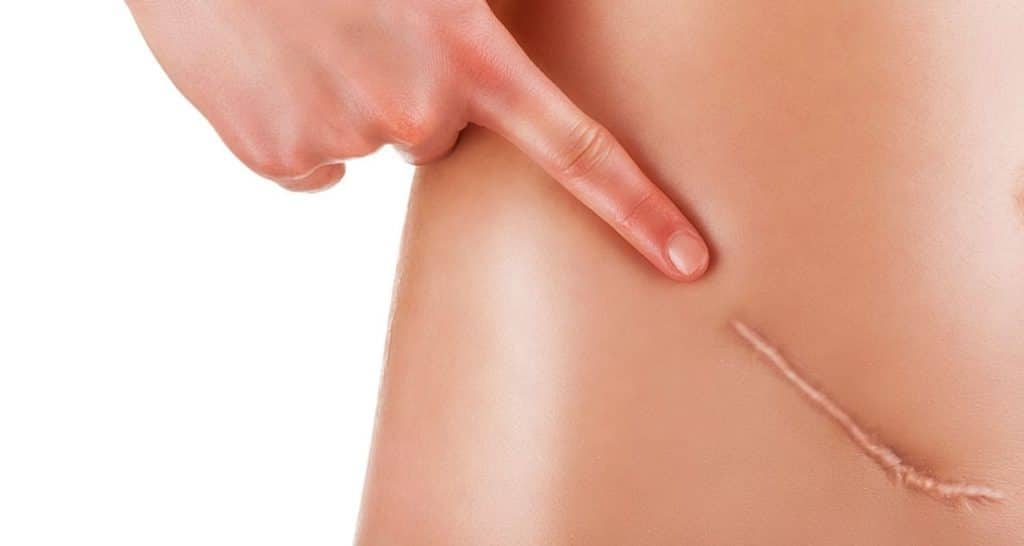
Lipo scar expectations Scars generally begin as tiny red lines, then become thin pale marks within months. Size and placement are dependent on incision length and technique or skin type. Good wound care and sun protection accelerate healing and minimize appearance. Scars can remain noticeable for some individuals, yet often soften and fade with time. The main body covers care, timelines, and realistic results.
Incision Placement
Incision placement affects not only your immediate access for fat removal, but the long-term appearance of scars. Surgeons tailor each incision to a patient’s body, fat distribution, skin laxity, old scars, and lifestyle so the minimum and most inconspicuous access points are utilized. Limited by anatomy, some sites you just can’t get to without specific entry points. For cases like 360 degree liposuction, you may need access from the front, side, and back.
Natural Folds
By placing incisions in natural folds, they blend in with the surrounding skin and lose visual contrast. Surgeons tend to place these incisions in the creases under the breast, within the gluteal fold under the buttocks, or at the axilla where the arm meets the torso. These folds conceal scars because the skin overlaps or shadows in those areas. As inflammation decreases and the wound matures from pink to flat and sallow, the mark generally becomes less apparent. For instance, planning considers old scars and how tissue will settle. If there is too much vertical pull, scars can creep up as they heal, so incision sites are relocated to prevent this. Natural folds provide a cover that fits most statures and sculpts cleaner lines when cannula trajectories coincide with fold direction.
Bikini Lines
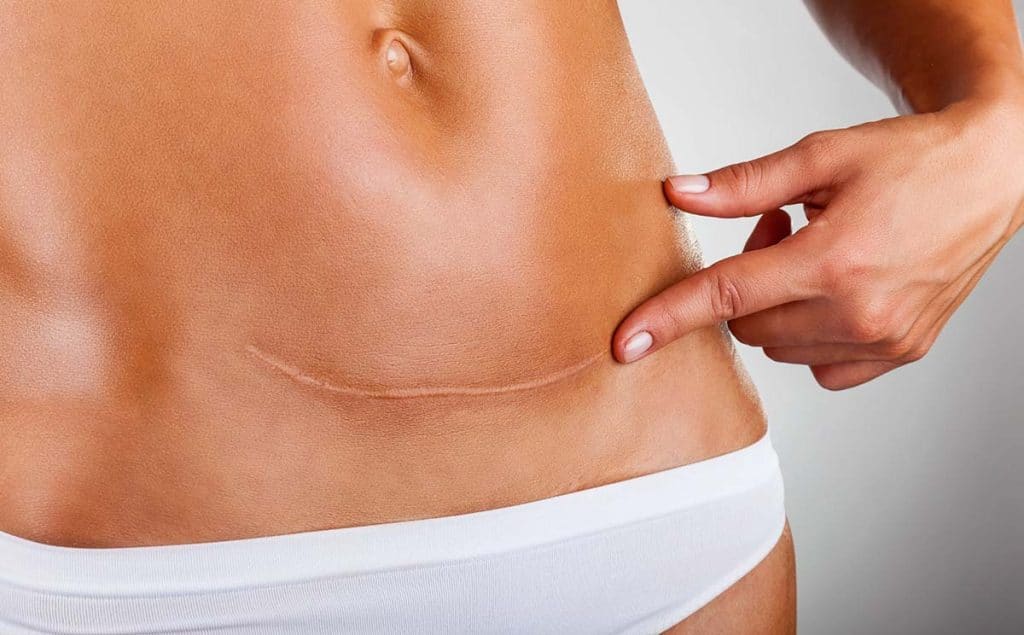
Bikini-line placement keeps scars hidden underneath swimwear and underwear, particularly convenient for abdominal and thigh liposuction. The exact spot will vary by the patient’s clothing habits: someone who favors a Brazilian-cut bikini needs a different concealment target than someone who wears high-waisted shorts. Surgeons map these preferences prior to marking, but account for cannula access and fat pockets so instrument trails are optimal. Thoughtful incision placement aims to balance access with concealment, with a small incision placed along the groin crease or lower abdomen allowing many patients to wear even revealing clothing while keeping scars out of sight.
Shadow Zones
Shadow zones are regions where the body’s contour creates natural shadow or fold, such as beneath the buttocks, along the lower waist, or the posterior hip sulcus. Incisions preferably placed here minimize the likelihood that scars will reflect light and call attention to themselves. Surgeons use these zones to position access portals that cooperate with the liposuction vector. They might move an incision a few millimeters to maximize cannula access and to follow tension lines so scars heal flatter. Over weeks, the incision sites generally present as small, somewhat raised pink marks and then flatten and fade in a predictable fashion as collagen remodels and the tissue softens.
Healing Timeline
The healing timeline covers what a typical lipo scar looks like, from wound closure to final maturation, and helps establish realistic expectations. Everyone heals differently, depending on skin tone, elasticity, medical history, and how meticulous you are with your post-op care. Most patients notice the most significant changes between two to six months, and many scars appear their best around the 12 month mark. Complete healing might require 12 to 18 months or more in certain individuals.
1. Inflammatory Stage
Redness, swelling, and slight pain characterize the initial postoperative days. Incision sites can have pink lines and small scabs, which tend to fall away within a month. This response is the body starting repair; blood vessels bring cells and nutrients to clear debris and fight microbes. Be on the lookout for escalating pain, expanding redness, fever or pus, all indications of an infection that require immediate attention. Keep dressings sterile and replace bandages every day to reduce infection and encourage the wound to close neatly.
2. Proliferation Phase
During the subsequent weeks, new tissue forms and collagen is deposited to seal the incisions. Scars may appear pink, raised, or darker in pigmentation as collagen forms. The region can feel firm or tight as the tissue thickens. Proper wound care, including gentle cleansing, avoiding soaking, and following provider instructions for topical treatments, encourages more optimal outcomes. Hydration does as well. Drink water and avoid heavy lifting or intense workouts that stress healing tissue. Sun exposure tends to darken new scars, so apply broad-spectrum SPF and cover scars for at least 12 months to avoid exacerbating pigment.
3. Remodeling Period
Collagen fibers still regroup during months following repair. Scars flatten and soften, but pigmentation changes may occur, particularly in darker complexions. The most noticeable recovery gain is between two and six months, with continued but less rapid progress up to one year. Mark transformations with snapshots or just a plain ole’ journal to compare progress and to give accurate timelines to your clinician. If scars are unusually raised or dark, silicone sheets, steroid injections, or laser treatments can be considered after this period.
4. Final Maturation
Roughly 12 to 18 months, scars often arrive at their ultimate appearance, usually thin and flat with good healing. Some will continue to have lighter, darker, or slightly raised scars due to genetics, skin type, or prior complications. With ongoing sun protection, light massage, and avoiding stress on scars, the tissue will settle. Be patient: maturation is gradual and may extend beyond a year for some wounds. Most scars are much less noticeable by about one year.
Influencing Factors
Scar results following liposuction are mixed. A number of factors contribute to the ultimate visibility of a scar, how it evolves over time and what treatment it requires. Here are the key areas that shape scar appearance and actionable information on what each means for healing and long-term look.
- Skin type and tone
- Genetics and family history
- Surgical technique and cannula size
- Incision size and placement
- Postoperative care and wound management
- Lifestyle habits such as smoking and sun exposure
- Time and natural remodeling of tissue
Genetic Profile
Genetics establish the default for the body’s scar forming tendencies. Some folks are simply more prone to hypertrophic or keloid scars genetically. If you have a family history of them, you’re more likely to experience them post-liposuction. As we’ve found, genetic risk can sometimes foreshadow abnormal healing even when surgery is well executed.
- Family history of keloids or hypertrophic scars
- Ethnic background linked to scar-prone responses
- Personal history of poor wound healing or abnormal scarring
- Genetic conditions affecting collagen or skin repair
Understanding family history can help establish realistic expectations. If keloids are hereditary, talk to the surgeon about prevention before the operation.
Skin Tone
Darker skin frequently exhibits scars differently than lighter tones. Additional melanin can make hyperpigmentation more likely and some darker-skinned patients may be keloid prone. Scars can sometimes appear lighter than the surrounding skin, creating contrast that draws attention.
Be alert for darkening (hyperpigmentation) or lightening (hypopigmentation) when healing. Shielding scars from the sun will reduce chances of long-term discoloration. Apply broad-spectrum sunscreen and cover up when you can.
Cannula Size
Smaller cannulas create smaller entry wounds and typically less apparent scars. Contemporary methods tend towards millimeter-sized cannulas that only need minute incisions and are frequently positioned along natural creases.
| Cannula size | Typical incision mark | Likely scar visibility |
|---|---|---|
| < 2 mm | Pinpoint | Low |
| 2–4 mm | Small linear | Moderate |
| > 4 mm | Larger linear | Higher |
Larger cannulas cause greater tissue trauma and can leave wider or more visible scars. Consult the surgeon regarding equipment and incision planning.
Surgical Technique
Methods such as tumescent liposuction, ultrasound-assisted, or laser-assisted significantly decrease blunt trauma and often yield a more precise, smaller residual scar. Experienced surgeons position incisions in creases or less noticeable areas and utilize meticulous closure to minimize the width of the scar. Proper postoperative care matters. Cleaning, silicone gels or sheets, and sun protection speed better cosmetic results. Smoking impedes healing and deteriorates scar quality. Quit smoking prior to surgery!
Clinical Reappraisal
Clinical reappraisal of lipo scars starts with an obvious schedule of serial follow-up visits evaluating healing and directed care. On early visits, the surgical team checks incision sites for infection, dehiscence, and rudimentary alignment. As weeks go by, the emphasis transitions to scar color, texture, elevation, and pliability. The team observes any redness, hardness, enlargement, or puckered tissue and measures this against previous notes and pictures to monitor change. This stepwise review helps set realistic expectations, as scar remodeling can take up to a full year to complete and visible change may be gradual.
Clinical reappraisals help identify atypical scarring early so interventions can begin earlier. Staff examine for evidence of hypertrophic or keloid formation, ongoing inflammatory signs, or pigmentation changes beyond normal maturation. Early detection is important as treatments such as topical steroid creams, pressure therapies, or intralesional steroid injections work better when applied before a scar fully matures. Occasionally, steroid injections are advocated intermittently for up to 2 years to soften and flatten hypertrophic scars. Keep in mind that many hypertrophic scars will fade over months, but clinical reappraisal directs whether active treatment is indicated.
Recording is key to effective scar treatment. Photograph scars at standardized angles with consistent lighting and record length, width, and height measurements. Record symptom reports such as itching or pain and identify functional limits due to tightness. A trusted record informs decisions about initiating laser sessions, steroid treatment, or specialist referral. Documentation assists in tracking response to treatments such as light-based therapies which can be staged over months, with several sessions often required to elicit benefit.
About clinical reappraisal, a handy checklist aids clinicians and patients in identifying healthy versus pathological scars. Include items such as: color progressing from red or pink to pale over months; softening of firm tissue; lack of spreading past incision borders; absence of persistent bleeding or drainage; minimal itch or pain that declines over time; no rapid increase in height or firmness. For problematic findings, add: continued dark pigmentation, persistent elevation after six months, spreading tissue beyond incision, or worsening symptoms. Clinical reappraisal might explore more advanced avenues. High-energy devices and lasers may be utilized to stimulate new healthy collagen and break down darker pigments present in scar tissue. Determine if such therapies are justified given recorded advancement, patient objectives, and the remodeling timeline of one year.
Scar Management
Scar management is inherent to skin healing post-liposuction. Proper attention in those initial weeks minimizes inflammation, decreases infection risks, and assists the skin in healing more uniformly. Here are targeted ways to address scars and enhance long-term appearance.
Silicone Application
Silicone gel or sheets are a first-line, noninvasive method of softening and flattening scars. Use silicone gel or sheets on completely closed incisions. Gels dry to a thin sheet in approximately four to five minutes and sheets form a barrier that retains moisture. Silicone prevents thick or raised scar tissue by retaining moisture and regulating collagen production.
Regular use over a few months yields optimal results. Silicone sheets work best when applied for more than 12 hours each day for weeks to months. Examples include medical-grade silicone sheets for large areas, transparent silicone gels for small or irregular sites, and silicone tape for linear scars along natural creases. Monitor product type, hours worn, and skin reaction in a scar log.
Sun Protection
Keep Scar Away from UV Light to Prevent Darkening and Pigmentation. Apply broad-spectrum sunscreen with an SPF of 30 or higher on exposed scars and reapply throughout the day or cover scars with clothing when outside. UV rays can enhance the discoloration of scars and hinder fading. Sun protection is still key even when scars have matured.
Use sunscreen when your incision is fully closed and healed. For fresh wounds, rely on physical barriers such as clothing until cleared by your clinician. Remember that continued sun care for a year or more will help reduce any long-term color variations.
Compression Wear
Wear recommended compression garments. Compression helps to reduce fluid build-up, promotes collagen to lay down in an even fashion, and can reduce the thickness of scar tissue and contour outcomes. Regular application reduces the risk of hypertrophic (raised) or keloid (irregular) scars as well.
Which helps with increased comfort while recovering, reduces post-operative swelling, encourages the skin to settle down onto the tissue underneath, and reduces the risk of hypertrophic scars. Stick to surgeon guidance on fit and how long to wear and record daily wear time and irritation.
Manual Therapy
Gentle scar massage softens the tissue, breaks adhesions and improves flexibility. Wait until incisions are completely closed and your clinician provides the green light to get started. Myofascial scar massage can help improve the scar texture and reduce tethering to underlying tissue.
Step-by-step guide for safe scar massage:
- Wash hands and the scar area. Make sure the skin is clean and dry.
- Use a nonirritating moisturizer or silicone gel to minimize rubbing.
- Using finger-tip pressure, perform small circles on the scar tissue for five minutes, twice a day.
- Advance to cross-friction and longitudinal strokes after 2 weeks if tolerated, observing for pain or redness and pausing if signs of irritation.
Corrective Treatments
Corrective treatments address persistent or problematic liposuction scars by targeting three main concerns: texture, color, and thickness. Treatments vary from non-surgical light-based therapies and microneedling to steroid injections and pressure therapy. If scars are still red or dark after a few months, are raised or thickened (hypertrophic/keloid), painful, or limiting in motion, or when cosmetic concerns persist despite standard wound care, these are indications to consider corrective treatments. Timing matters. Many hypertrophic scars improve on their own over months, but active treatments can start once wounds are fully healed, and full improvement may take up to a year or longer.
Laser Resurfacing
Laser therapy employs concentrated light to dissolve deeper pigment and kick-start the formation of new, healthy collagen, which balances and flattens scar tissue. It can enhance both elevated scars and pigmented scars and is commonly combined with topical treatments or red light therapy to amplify effects. Several sessions are the norm; numerous patients require two to six sessions weeks apart to achieve desired change. Downtime depends on the laser, ranging from no downtime with non-ablative devices to downtime of a few days with ablative resurfacing. Below is a concise table of lasers commonly used:
| Laser type | Primary effect | Typical use |
|---|---|---|
| Fractional CO2 | Ablative, strong collagen remodeling | Deep or thick scars |
| Er:YAG | Ablative, precise resurfacing | Superficial texture |
| Fractional non‑ablative (e.g., 1550 nm) | Stimulates collagen with less downtime | Color and texture |
| Pulsed dye laser (PDL) | Targets blood vessels to reduce redness | Red or inflamed scars |
Microneedling Therapy
Microneedling creates formatted mini-traumas that stimulate collagen renovation and skin restoration. The outcome is more supple, depressed scars and healthier skin tone and quality. It assists with pigmentation by promoting uniform skin sloughing. Safe for pretty much all skin types and scar patterns, though deeper or extremely thick keloids may require alternative treatments. Treatments are typically administered every four to eight weeks. Monitoring progress with a straightforward chart—date, photos, scar height, color rating—can demonstrate incremental improvements over the course of months. Pairing microneedling with topical growth factors or light therapy can accelerate improvement even more.
Corticosteroid Injections
Corticosteroid injections reduce inflammation and can actually flatten raised or keloid scars by softening tissue and slowing collagen overproduction. They’re reserved for scars that are resistant to conservative care and can be administered directly into the scar every couple of weeks. Side effects are skin thinning, pigment changes, and local atrophy. Results may require several injections and in some protocols can be maintained for two years. Steroid injections commonly are integrated into a larger treatment plan including pressure garments, laser, or microneedling for optimal long-term results.
Conclusion
Lipo scars usually begin as tiny marks and gradually diminish over several months. Most people get thin, light lines instead of deep marks. Incision site, skin type, age, and how much attention you take with wounds mold the outcome. Early care cuts risk: keep sites clean, avoid sun, and follow your surgeon’s aftercare. Apply silicone sheets or gel and gentle massage once healed to flatten and soften scars. For scars that remain raised, dark, or wide, your choices are laser, steroid shots, or surgical revision. Don’t expect instant results. Take photos every few weeks to track progress. If a scar is painful or restricts movement, see a doctor earlier. Schedule a consult with a board-certified specialist to tailor treatment to your scar and goals.
Frequently Asked Questions
What size and location are lipo scars usually?
Lipo scars are tiny, measuring 2 to 5 mm, and positioned in discreet places such as natural skin folds, the bikini line, or behind the hip. Surgeons tend to make tiny and well-hidden incisions.
How long until lipo scars fade?
Most scars fade substantially within 6 to 12 months. It can take up to 18 months for full maturation. Early redness and firmness dissipate fairly quickly with TLC.
What factors affect scar appearance after liposuction?
Scar result is a combination of where the incisions were placed, skin type, genetics, wound care, infection, and tension on the wound. Smoking, poor nutrition, and some medications compromise scarring.
How should I care for lipo incisions to minimize scarring?
Maintain cleanliness, adhere to your surgeon’s dressing routines, stay out of the sun, and apply silicone sheets or gels after wounds have sealed. Follow all post-op orders for the best healing.
When should I consider scar revision or corrective treatments?
Let scars mature, which can take 12 to 18 months. Think about revision if scars are hypertrophic, wide, or symptomatic. See a board certified plastic surgeon for individual options.
What non-surgical treatments improve lipo scars?
Topical silicone, silicone sheeting, steroid injections for raised scars and laser or microneedling can enhance texture and color. A clinician can suggest what’s best for your scar type.
Can scar appearance be predicted before surgery?
Surgeons will give you an idea of risk based on your skin type, medical history, and incision placement. They can’t promise how a scar will behave. Talk about expectations and preventative measures at your consultation.