Key Takeaways
- When performed in combination with lipo, scar revision can address the appearance of your scar and the contour of the body in one coordinated surgery to minimize total downtime and expenses.
- The best candidates are healthy, weight-stable individuals with reasonable expectations. They derive the greatest advantage when surgeons evaluate tissue quality and tailor treatments.
- Typical methods include surgical excision, local tissue rearrangement, fat grafting, laser therapies, steroid injections, and careful wound closure for the best texture.
- Risks are infection, delayed healing, scar widening, hypertrophic or keloid scars, fat graft issues, and the possibility of revision. Comprehensive preoperative planning minimizes these risks.
- Recovery usually displays decreased swelling and bruising at 2 to 4 weeks with final cosmetic results appearing over 6 to 12 months. Diligent post-care such as compression garments, wound care, and scar massage promotes optimal results.
- Pick a board-certified plastic surgeon who specializes in both lipo and scar revision, view before and after results of past patients, and adhere to a comprehensive pre and postoperative checklist to maximize your odds of a fantastic outcome.
Lipo with scar revision is a combined procedure that removes excess fat and improves the appearance of scars. It frequently combines lipo on problem areas with scar excision, revision, or soft-tissue smoothing. Ideal candidates have steady weight and mature scars restricting contour or mobility. Below are techniques, recovery timelines, risks, and realistic outcome expectations for an informed decision.
Scar Revision Basics
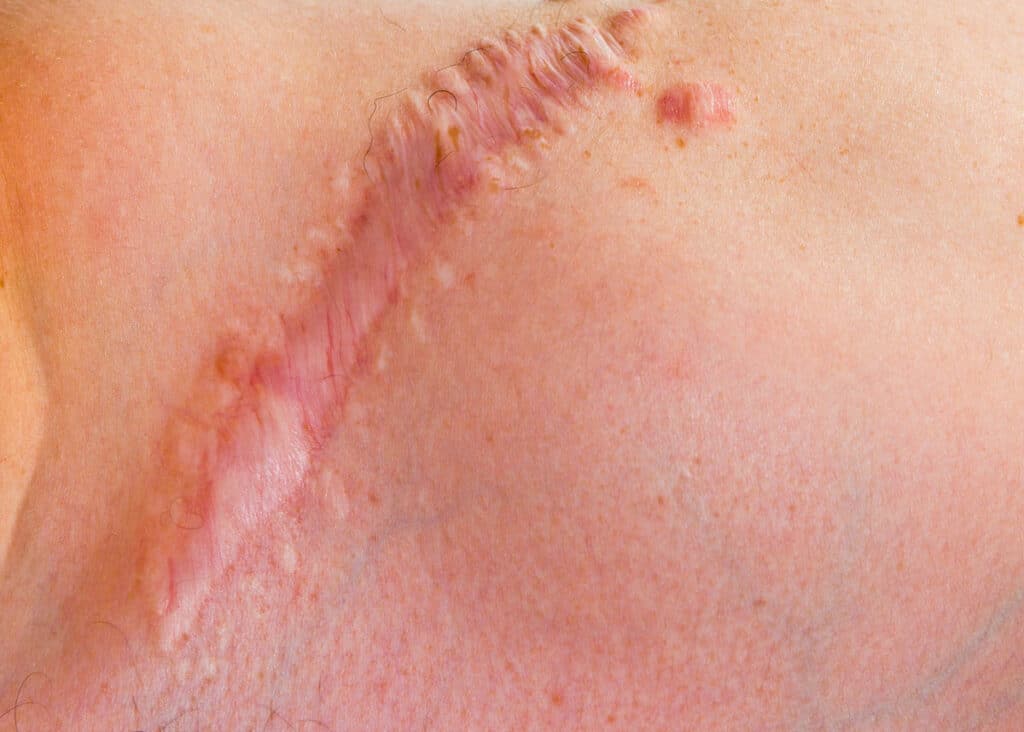
Scar revision is scar surgery to enhance the appearance and function of scars from previous procedures, trauma, or cosmetic work. Scar revision utilizes techniques like surgical excision, tissue rearrangement, and fine suturing to minimize scars and restore skin contour. It considers scar type, location, and patient goals.
Scar Revision 101 Scar revision can address abnormal scars, hypertrophic scars, and widened or stretched scars that occasionally result from liposuction. Planning consists of evaluation of the scar’s age, skin quality, and patient health.
Core Purpose
The general goal of scar revision is to make an established scar resemble the surrounding skin in both texture and appearance. This encompasses beautifying aspects like color, texture, and thickness to make the scar less noticeable.
Restoring normal movement when scars bind underlying tissue. Scar revision fundamentals. Scars spanning joints or along the abdomen post-liposuction or tummy tuck can contract and restrict movement. Their release or rearrangement can liberate that tissue.
When it comes to contour issues after liposuction, revision can recontour divots or bumps. Surgeons can adjust surrounding tissue or restore volume with fat grafting to smooth contour and create symmetry, which makes clothes fit better and minimizes noticeable unevenness.
Psychological benefit is part of the result. Minimizing scar visibility frequently decreases embarrassment and increases comfort. Expectations should be realistic: scars rarely vanish but can be made less obvious.
Common Techniques
- Surgical excision and direct closure typically use layered absorbable sutures to minimize tension and encourage healing.
- Z-plasty or W-plasty reorients scars and breaks up linear lines to decrease visibility.
- Local tissue rearrangement and flap techniques fill defects or reorient scars.
- Fat grafting provides volume and enhances skin quality around atrophic scars.
- Tissue expansion offers additional skin for closure when large areas must be addressed.
- Laser therapies, pulsed light, or microneedling help even out color and texture post-healing.
- Dermabrasion for surface smoothing on suitable scars
- Steroid injections in hypertrophic or keloid-prone scars soften and flatten raised tissue.
- Meticulous wound closure with intradermal absorbable sutures reduces micro-gapping and tension.
Safety and recovery details count. Scar revision is generally safe but carries risks including bleeding, infection, recurrence, changes in sensation, new scarring, and pigment change. Initial healing takes 1 to 2 weeks. Scars mature over months and often continue to improve for 6 to 12 months. Plan on redness for 1 to 6 months and initial lumpiness that smooths out over time. Surgeries generally last 30 to 120 minutes under local anesthesia. Post-op care includes keeping the area clean and dry, avoiding harsh exfoliants for one week, and protecting from the sun. Wait up to a year to evaluate final results before additional surgery.
Combined Approach
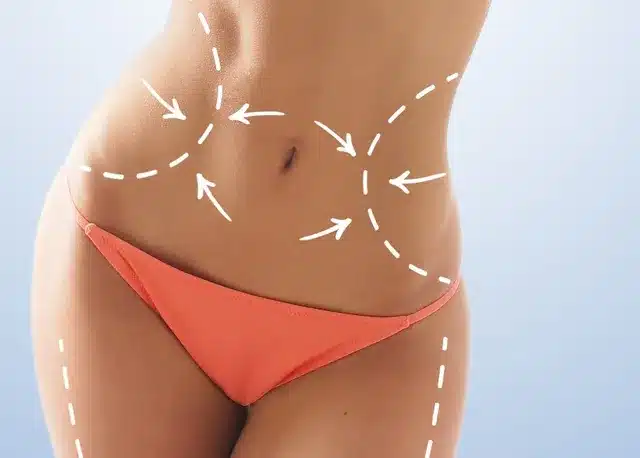
By combining liposuction and scar revision, surgeons can eliminate unwanted fat and optimize scar appearance in one unified treatment strategy. This approach addresses volume and surface problems simultaneously, which can simplify treatment, minimize the number of distinct surgeries, and frequently decrease both cost and total recovery time. A defined surgical strategy is necessary to integrate contour work with scar techniques and to establish feasible goals for healing and outcome.
1. Synergy Benefits
Taking a combined approach: fat grafting with lipo and scar revision, both shape and surface quality improve simultaneously. Fat grafts can plump dimpled scars and create fullness across scar lines, while liposuction contours surrounding tissue to ensure smooth transitions and silhouette. In the abdomen or thighs, this can translate into smoother transitions and less pronounced step-offs. By utilizing fat from donor sites for breast reconstruction, it not only slims down the local area but provides tissue to reconstruct the breast shape and volume. Together, the result is often more harmonious than scars alone.
2. Surgical Technique
Fine incisions and delicate tissue manipulation minimize trauma to cognate structures and promote improved healing in combined cases. Typical steps include marking target zones, performing suction-assisted fat removal, processing graft material, excising scar tissue, and closing with layered sutures. For intricate scars, local tissue rearrangement or flap mobilization could be necessary to release tension and enhance skin cover. A typical step-by-step chart would include pre-op marking, tumescent infiltration, lipo, fat processing, scar excision, layered closure, and dressing. Each step aims to minimize bleeding, dead space, and vascular preservation.
3. Candidate Profile
Best candidates possess chronic or obvious scars along with some localized fat or contour irregularities. Good health, stable weight, and realistic expectations are key. Candidates need to realize that some fat volume is lost over months and further grafting sessions may be needed to achieve the desired volume. For post-reconstruction patients, we may recommend waiting a few months after initial breast surgery before fat grafting or new lipo, letting tissues settle.
4. Associated Risks
Risks are infection, delayed healing, scar widening, and contour irregularities. Abnormal scars, such as hypertrophic or keloid scars, particularly occur in areas of high tension. Fat grafting complications include fat necrosis, lumps that can be felt, or irregular resorption. Combined techniques can cause more early swelling and bruising and can occasionally necessitate reconstructive surgery.
5. Complementary Modalities
Adjuncts are lasers, microneedling, and topical scar agents to polish texture after. Compression garments assist in swelling control and provide support to the tissues following liposuction. Fillers or Botox can help soften contracted scars and fine-tune contours. Post-op massage and focused skin care help promote looseness and maturing over the months.
Strategic Assessments
Strategic assessments set the stage for any combined lipo with scar revision plan. They compress clinical findings, patient goals, and technical options into a clear roadmap. This initial summary frames the need for detailed preoperative planning to evaluate scar characteristics, tissue laxity, and realistic patient expectations before selecting surgical steps or adjunctive therapies.
Tissue Quality
Evaluate the skin and subcutaneous tissue surrounding the scar for elasticity, thickness, and vascularity. Elastic, well-vascularized tissue endures tension and heals reliably. Thin or poorly perfused tissue increases the risk of delayed or compromised healing, wound breakdown, and scar or visible contour deformities. Compromised or radiated tissue might require flap reconstruction or tissue expansion as opposed to simple excision. Determine if there are any fibrotic, tethered, or poorly healed areas that might restrict skin mobility or blunt fat graft take. Such zones often need scar release with careful undermining.
Evaluate donor areas for potential fat grafting or skin grafting early in planning. Fat transfer can smooth contour defects left by liposuction and may improve overlying skin quality. It requires adequate donor fat and realistic expectations about resorption rates and potential need for repeat sessions. Consider ultrasound or imaging to measure tissue thickness and the plane of scarring. Objective data reduce guesswork and guide how much liposuction is safe near a scar.
Surgeon Credentials
Verify the surgeon is plastic surgery board-certified and has experience performing combined liposuction and scar revision. Board certification equates to training depth, yet portfolio review brings real-world wisdom. Seek before and after pictures of patients with similar scar types and anatomical areas. Examine real patient transformations and outcomes from the aesthetic to complication management.
Complicated cases deserve a multidisciplinary team. Cases associated with breast reconstruction, prior radiation, or multiple prior surgeries typically require coordination with oncologic surgeons, reconstructive surgeons, or vascular surgeons. Check out the surgeon’s experience with flap coverage, fat transfer, and tissue expansion. These procedures are anything but routine and you want a skilled hand to steer clear of donor-site issues and maximize graft survival. See how the group records baseline look and tracks results over time, as photographic and written records help you compare apples to apples and form reasonable expectations about healing and staged procedures.
Hands on checklist items are scar location, size, depth, previous surgeries, smoking status and comorbidities. Apply your ultrasound when tissue planes get fuzzy. Recovery timelines indicate that while most people are up and at them with gentle activity within a week, full contour and scar maturation can take a year or more, and multiple sessions may be required.
Recovery Protocols
Recovery after combined liposuction with scar revision is incremental. Anticipate redness, firmness, and swelling to subside over weeks to months. The below plan covers what to expect, how to prepare, and how to track healing.
Recovery protocols
Follow-up visits and clear home instructions are key to a safe, smooth recovery.
Healing Timeline
- Immediate to 48 hours: Dressings, drains if placed, and initial pain control. Use cold packs in the initial 48 hours to reduce swelling. Incision areas should be kept clean. Mild bleeding or oozing can occur.
- Days 3–7: Swelling and bruising peak then begin to fall. If the work was limited, most patients can resume non-strenuous daily activities in a few days. Protective dressings or silicone sheets can be used.
- Weeks 2–4: Significant reduction in bruising and most acute swelling. No heavy lifting or vigorous activity for at least two weeks or as directed by your surgeon.
- Months 2–6: Scar softening and contour improvements become more apparent. Redness and firmness continue to subside.
- Months 6–12: Ongoing scar maturation. Final cosmetic results may be visible between six months and a year.
| Milestone | Date of Follow-Up | Symptoms to Report | ||
|---|---|---|---|---|
| Date | Pain Score | Swelling Grade | Wound Appearance | Follow-Up Action |
Pain Control
Follow these recovery protocols: Take pain meds on a schedule for the first 48 to 72 hours. Get ahead of the pain and let yourself sleep. Anti-inflammatories, when approved by your surgeon, aid in managing swelling and pain.
Cold packs reduce swelling and numb pain in the treated areas. Apply them intermittently during the first 48 hours. Elevate treated areas whenever possible to assist with fluid drainage.
Light activity and no heavy lifting in the early recovery window decreases tension on sutures and the revised scar. Be aware of pain and call the clinic if it is severe, sudden, or associated with fever, spreading redness, or abnormal drainage.
Aftercare Routine
- Clean incision sites daily with mild soap and water per instructions and then pat dry.
- Change dressings per surgeon’s instructions. Check drains, if any, and note output.
- Take medications on schedule: antibiotics if prescribed, pain meds and stool softener as needed.
- Wear your compression garments or bandages all the time to maintain your contour and suppress any swelling.
- Use silicone sheets or scar gel after the incision is closed to support remodeling.
- GENTLE SCAR MASSAGE – Once cleared, massage scars to soften tissue and improve mobility.
- Recovery protocols: Rest, hydrate, and eat a protein-rich diet to assist healing.
Prepare a home supply list: sterile gauze, tape, saline, silicone sheets, compression garments, oral meds, cold packs, and a notebook for tracking progress. Periodic walk-in follow-up visits catch trouble early and keep the healing process on course.
Clinical Insights
Lipo combined with scar revision brings two linked goals: reshape the body and improve scar form and look. Here’s how contemporary approaches, smart planning, patient considerations, and aftercare work together to make results safer and more natural.
Reverse tissue expansion and fat grafting are some of the new techniques that have transformed scar treatment for complex cases. Reverse tissue expansion employs staged release and controlled stretching of adjacent skin to close or cover scarred regions with tissue more consistent in texture and color. Fat grafting and nanofat injections provide volume and regenerative cells. Nanofat, a technique where a small fat sample is emulsified into a fluid suspension, can enhance the softness, color, and pliability of scars. These options often pair well with liposuction. Fat removed during lipo can be cleaned and reused for grafting, reducing donor-site needs and improving contour and scar outcomes.
Careful surgical planning and execution are essential to minimize complications and achieve natural-looking results. Preop mapping of scar lines, skin laxity, and marking liposuction ports helps restrict tension and avoid new deformities. Whenever possible, surgeons should design incision placement to lie within natural folds or past scar lines. During surgery, gentle tissue handling, hemostasis, and layered closure minimize bleeding, infection, and new scar formation. Expect common risks: bleeding, infection, recurrence, altered sensation, new scarring, and skin discoloration. Discussing these clearly with patients is essential.
Customized treatment plans are based on your anatomy, scar type and objectives. Skin type and local tension are key factors contributing to scar thickness and discoloration, so darker skin tones and high tension areas may require alternative methods. Hypertrophic scars or early keloids can begin with repeated steroid injections prior to surgery. For thin, depressed or tethered scars, subcision and fat grafting can lift and soften. Timing matters: initial healing is one to two weeks, with return to normal daily activities within days but avoidance of heavy exertion for up to two weeks. Scar strength is fifty percent of normal skin at six weeks and continues to increase up to eighteen months, while visual maturation can continue to improve over six to twelve months.
Postoperative and long-term scar management enhance satisfaction. Shield scars from the sun to prevent darkening, apply silicone sheeting or gels when appropriate, and administer steroid injections in cases of recurrent thickening. Continual innovation in scar care and body contouring, including enhanced fat processing, laser adjuncts, and biologic agents, continues to push the edge of options and patient results.
Long-Term Outcomes
The vast majority of patients notice an obvious improvement in scar and contour following combined liposuction with scar revision. Scars can fade and the surrounding tissue smoothens out. Final results are not immediate. Scar revision results can take as long as a year to become fully apparent, and many scars continue to diminish for 12 to 18 months. After approximately 6 to 8 weeks, some scars are already faintly visible, providing an early feeling of advancement. Complete maturation occurs more gradually.
Even with good early outcomes, some residual scarring or minor contour irregularities can linger. Small ridges, tethering, or slight asymmetric contour are common and can persist visibly. Fat grafts tend to shed some volume in the first few months, so the shape you see at the three-month mark can be different than the long-term outcome. Since there is a limit to how much fat can be injected at a time, staged fat grafting is sometimes necessary to get the precise volume and contour you desire. Patients often require multiple procedures or touch-up sessions to achieve their objectives, such as a second fat graft to replace lost volume or a minor revision to smooth a residual contour irregularity.
Long-term scar management is very important to maintain results. Sun protection is key since UV exposure darkens scars and delays fading. Wear a broad spectrum SPF 45 or higher sunscreen daily, along with sun-safe clothing. Regular skincare treatments aid outcomes: silicone gel or sheets, massage, and targeted laser or light therapies can speed remodeling. Professional follow-up every few months allows the team to tailor treatments. For example, introducing microneedling at three to six months or an ablative laser after scars have softened. Smoking impedes recovery. Tobacco decreases blood and oxygen supply to wounds, resulting in delayed healing and increased risk of chronic scarring. Cessation pre- and post-op leads to better long-term outcomes.
With the right approach and reasonable expectations, impressive scar minimization can be achieved. Certain patients experience greater than 90% improvement in scar visibility when revision, appropriate wound care, and adjunctive treatments are combined. Long-term quality of life can improve. Reduced self-consciousness, better fit of clothing, and increased comfort in activity are commonly reported. In cases where contour and scar objectives are achieved, the confidence boost is usually long-lived, assuming patients adhere to maintenance measures and embrace the occasional possible necessity for staged work or minor touch-ups over time.
Conclusion
Lipo with scar revision cuts fat and eases scar appearance in one visit. Defined objectives and a smart strategy tend to yield consistent success. A surgeon who maps fat pockets and scar lines with photos and marking results in shape and skin match. Swelling and bruises take months for texture to settle. Follow easy care guidelines and return for follow-ups to identify problems early. Noticeable results appear by three to six months and increase over a year. For tighter contour and softer scar, choose a board-certified surgeon with before-and-after images that reflect your situation. Inquire about the technique, recovery, and realistic results. Let’s talk options. Schedule a consult and come armed with photos and questions.
Frequently Asked Questions
What is scar revision combined with liposuction (lipo with scar revision)?
Scar revision with liposuction is a single surgical session that removes excess fat while improving scar appearance. It targets contour irregularities and scar tissue simultaneously to offer smoother outcomes with fewer procedures.
Who is a good candidate for lipo with scar revision?
Ideal candidates are healthy adults who have maintained a stable weight and have realistic expectations, with scars resulting in contour deformity or tethering. A surgeon reviews skin quality, scar age, and vascular supply before suggesting the combined method.
How long is recovery after combined lipo and scar revision?
The majority of patients resume light activity within 1 to 2 weeks. Complete healing and final contour take 3 to 6 months. Swelling and bruising subside over time, with scar maturation taking up to a year.
What risks are associated with combining these procedures?
Risks include infection, bleeding, contours, nerve changes, delayed healing, and widened or hypertrophic scars. It can be a little more complicated if you combine procedures, but it is safe with experienced surgeons.
Will combined treatment reduce scar visibility completely?
Nothing is 100% removal. Scar revision enhances texture, height, and coloration. When combined with lipo, the scar revision helps contour irregularities and provides a more natural and less noticeable result.
How do surgeons assess whether to combine lipo with scar revision?
Surgeons evaluate scar type, skin elasticity, blood circulation, fat amount, and patient objectives. Some doctors use imaging or test incisions. The plan is designed to reduce tension and maintain circulation.
How can I optimize my results after the combined procedure?
Follow post-op instructions: compression garments, wound care, avoid smoking, control blood sugar, and attend follow-ups. Scar massage and silicone therapy can be beneficial as healing continues.