Key Takeaways
- Wear lightweight, breathable, moisture-wicking compression tailored to your shape that can minimize swelling, support lymphatic flow, and relieve pain during summer heat. Go flat-knit or breathable fibers for the fit and comfort.
- Go for lower compression classes and segmented pieces like knee highs or sleeves when it gets hot to increase airflow and tolerance. Keep the targeted support.
- Apply compression immediately upon waking, before swelling builds, and tailor duration to activity level, temperature, and symptoms to gain the most benefit.
- Include cooling measures like pre-chilling the garments, using portable fans or cooling sprays, and taking breaks in air conditioning to help avoid heat flare-ups.
- Monitor daily swelling, comfort, and garment feel using a straightforward checklist. Then refer to a compression guide or clinician to align mmHg with symptom severity.
- Mix compression with soft lymphatic exercises, lymphatic-aware micromassage, or textured fabrics and varying garment types for drainage, mobility, and symptom control.
Lipedema and compression garments for summer heat refers to managing lipedema symptoms with fitted compression clothing during warm months. Compression combats swelling and circulatory issues while heat increases the risk of pain and skin irritation. Lipedema and compression garments in summer heat include lightweight, breathable fabrics and proper fit to reduce heat stress and maintain even pressure. Medical-grade options, cooling liners, and hydration strategies keep you safe and comfortable. The full post explores materials, fit advice, and maintenance for warm weather garments.
Understanding Lipedema
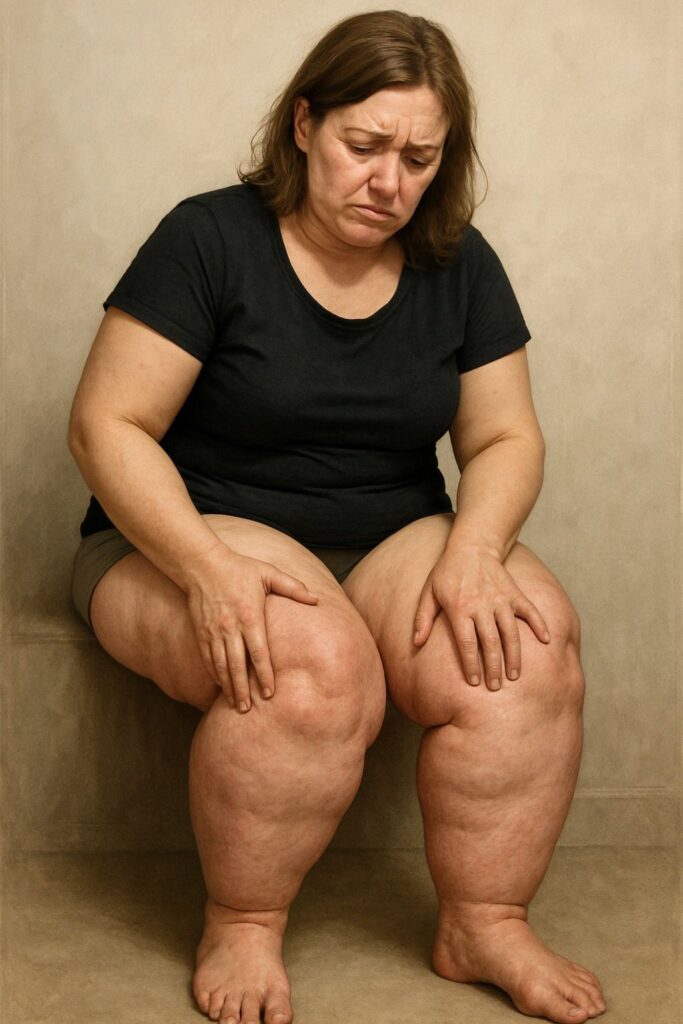
Lipedema is a progressive disorder characterized by the abnormal accumulation of fat tissue, most commonly in the hips, buttocks, thighs, and sometimes the arms, resulting in an obvious disproportion between the lower body and the rest of the body. This excess tissue has a unique texture and distribution that is not consistent with typical weight gain. It’s often symmetrical, affects both sides of the body, and does not resolve with diet or exercise alone, which differentiates it from simple adiposity.
Symptoms are chronic pain, easy bruising, swelling and a heavy or aching sensation in the limbs. Skin can be nodular or ‘lumpy’ to touch and patients often complain of tenderness upon pressure. Swelling typically aggravates during the day and can intensify with heat, extended periods of standing, or fluctuations in hormones. Mobility and joint stress can increase as the tissue volume expands, resulting in decreased activity, which can worsen secondary issues such as circulation and weight gain.
Lipedema is often mischaracterized and misdiagnosed. Most individuals and even some clinicians confuse it with regular obesity or lymphedema. Unlike obesity, lipedema fat defies calorie restriction. Unlike lymphedema, it usually spares the feet, at least early on, and has a different tissue consistency. Mislabelling can postpone proper treatment for many years. For instance, a woman who’s told to just ‘lose weight’ might never receive compression garments, manual lymph drainage, or referrals to providers who know the condition. This postponement can translate to preventable advancement and exacerbated suffering.
Chronic care is necessary to maintain function and quality of life. Management is multi-pronged: compression therapy to reduce pain and control swelling, tailored exercise to support circulation and preserve mobility, skin and wound care when needed, manual lymph drainage or other hands-on therapies to ease fluid build-up, and for some, surgical options such as liposuction performed by clinicians experienced with lipedema. Compression wear has different classes and fabrics; proper fit and graduated pressure is everything. For summer heat, breathable, moisture-wicking fabrics and lower-profile seams assist while still delivering the needed compression.
Where to start: Seek a clinician familiar with lipedema for diagnosis and a personalized plan. Inquire about garment fitting services, pressure standards in mmHg, and trial periods to test comfort in the heat. Monitor symptoms, observe what activities or temperatures aggravate swelling, and modify tactics as needed.
Heat Flare Dynamics
Heat in the summer can cause flare ups of lipedema symptoms by dilating blood vessels and encouraging fluid retention in tissues. These circulatory changes increase the likelihood of more pronounced edema, increased pain, and skin sensitivity. Heat management is key to mitigating heat-induced irritability and decelerating the symptomology. Modifying daily habits and selecting proper clothing assist in minimizing heat flare impact and maintaining extremity functionality.
Vascular Dilation
Heat causes capillaries to expand, increasing blood flow to the skin and subcutaneous tissue. In lipedema, the enlarged vessels mean more fluid is getting forced into the tissue spaces, so legs or arms are heavier and more full appearing.
More blood flow can exacerbate that sense of heaviness and induce stinging, pounding pain following periods of standing or walking. This is most frequent later in the day or following activity when your core and skin temperature are elevated.
- Knee-high compression stockings (15–20 mmHg, 20–30 mmHg)
- Thigh-high compression stockings (20–30 mmHg, 30–40 mmHg)
- Arm sleeves with graduated compression
- Open-toe or cooler-fabric variants for breathability
- Lightweight, flat-knit garments designed for lipedema shapes
- Custom-made compression for uneven limb shapes
Avoid vigorous activity during afternoon heat peaks. Track effort, pause often, and use cool breaks to alleviate vascular load.
Fluid Accumulation
Heat dilates vessels leading to interstitial fluid accumulation in lipedema limbs. Fluid collects in tissue spaces that are already susceptible to heightened fat and connective tissue, so swelling can become chronic instead of temporary.
That additional fluid increases inflammation, pain, and tenderness and decreases joint range of motion. Walking, climbing stairs, or sitting for extended periods may seem tougher. Symptoms can decrease balance and exacerbate fatigue during heat flares.
Compression stockings or sleeves assist by pushing outward pressure that moves fluid back toward central circulation and assists lymphatic flow. Wear clothes with a relaxed but snug fit, and opt for shirts with wicking or cooling fibers in the summer. Refit clothes if swelling subsides to ensure proper compression.
| Swelling pattern | Typical risk times |
|---|---|
| Mild pitting and warmth | Midday to late afternoon |
| Marked heaviness and visible edema | Late afternoon into evening |
| Rapid increase after activity | Immediately post-exertion |
| Night-time tightness and soreness | Before sleep after hot day |
Keep an eye on limb fluctuations from day to day and identify peak times to schedule cooling, rest, and compression.
Garment Support Benefits
Compression garments are a crucial part of alleviating lipedema symptoms and reducing daily pain. They function by providing graduated compression that aids in decreasing edema, supporting lymphatic flow and decreasing pain in lower limbs. When used as part of a conservative care plan, compression can boost mobility, reduce the risk of secondary complications, and improve quality of life when worn consistently.
Pain Reduction
Medical-grade compression garments use a graduated pressure profile that is higher at the ankle or wrist and lower going upstream. This gradient assists in fluid transport away from the most swollen regions and alleviates tissue tension, thereby lowering pain and tenderness. When the swelling goes down, the nerves and tissues are less stretched, so the aching and hypersensitivity decreases.
Textured fabrics and micromassage linings provide little bursts of repeated surface pressure to the skin. That gentle agitation can relieve pain by limiting local fluid accumulation and by increasing cutaneous blood circulation. Think of the ribbed inside of stockings or sleeves with little silicone nodules, both used to provide additional sensory relief with minimal additional warmth.
Choose the right compression grade for pain control. Lower compression (class I) fits mild swelling and sensitive skin, while moderate to firm grades (class II or III) are frequently necessary for increased edema and discomfort. Fit matters: a poorly fitted garment can cause rubbing, gaps, or constriction and that can create new irritation. Professional fitting or measured online sizing by circumference at points is recommended.
Mobility Preservation
Compression supports muscles and joints by stabilizing soft tissues and preventing excessive movement of excess fat and fluid. This support can make walking, climbing stairs, and standing for long periods of time feel easier. For instance, knee-length stockings can alleviate calf pain on long walks, and arm sleeves can maintain grip and range while swelling occurs.
When swelling drops, limbs swing more freely and with less energy expense. That translates into less tiredness and extended endurance. Lightweight, breathable compression products are best for summer. Materials with moisture-wicking yarns and mesh panels keep skin cooler while still giving support. Think thin, flat-knit leggings or short-sleeve sleeves fabricated from high-breathability materials.
Incorporate compression into workouts for an added boost. Wear stockings or sleeves during low-impact activities, such as walking, biking, and water aerobics, to shield tissues and optimize circulation. Swap to clean, dry clothes after sweat sessions to avoid chafing and discomfort.
Selecting Summer Compression
Summer compression for lipedema is all about finding the right compromise between clinical needs and comfort. Choose summer compression that provides efficient, even pressure without causing heat and sweat. Read on for materials, fits, style contrasts, and pragmatic decisions to help you choose.
1. Flat-Knit Weaves
Flat-knit garments are knitted on a flatbed loom and shaped to the limb, so they conform to uneven or blocky contours better than circular-knit pieces. They apply strong, consistent pressure across the extremity and assist in preventing fluid accumulation and sclerosis advancement in impacted tissue.
These weaves fight rolling and bunching, reducing chafing in hot weather when sweat makes motion abrasive. Flat-knit is typically suggested when generic, off-the-shelf socks and sleeves don’t fit properly or for more advanced stages that require custom pressure profiles.
Custom flat-knit pieces can be ordered to fit exact limb measurements. This introduces expense but enhances durability and the therapeutic effect. Choose flat-knit if you have frequent slippage, skin folds, or stubborn uneven swelling.
2. Breathable Fibers
Choose fabrics that are breathable, lightweight, or moisture-wicking. Microfiber blends, cotton mixes, and newer synthetics like moisture-controlling nylon and spandex blends are great. These materials wick moisture away from the skin so sweat evaporates quicker and the skin remains cooler.
Breathable fibers minimize discomfort and the chance of skin breakdown, which is a key consideration when heat exacerbates rubbing. Look for these words on care labels: “moisture control” and “quick dry.” Garments that combine a sweaty liner next to skin with an outer knit can deliver both cooling and rock-solid compression.
A practical example is a calf sleeve with a cotton-blend inner panel and a nylon outer body that gives both comfort and shape retention.
3. Lighter Colors
Light colors reflect more sunlight and take in less heat than dark colors. White, beige, pale gray, or soft pastels keep your skin cooler under direct sun and display sweat less, which can help socially!
Now, when you’re comparing products, add a color column. Lighter colors will be less abrasive on the skin and make those all day outings easier to endure. For summer compression, balance color with fabric opacity and sun protection if UV is a concern.
4. Segmented Pieces
Segmented pieces—sleeves, calf wraps, knee-highs—allow you to focus support where it is required and expose uncovered areas to air. They are more manageable to layer under summer garb and take off for quick sprints.
Mix and match segments: Use knee-highs for walking, add a thigh piece for longer standing periods, or swap to a capri piece in very hot conditions. Alternate between full lower-body garments and segments according to activity and temperature.
5. Lower Classes
Lower mmHg classes (lighter compression) are best for mild symptoms, early lipedema, or when the weather is hot and strong compression feels stifling. They are easier to get on and remain bearable for extended wear.
Choose Summer Compression by using a compression chart to match grade to need and ramp strength up gently if symptoms surge. Switch classes and talk to a clinician.
Daily Adaptation Strategies
Daily adaptation refers to figuring out how to wear and maintain compression garments so lipedema remains under control through warm weather. Begin with a straightforward schedule that works for your day. Modify wear times based on temperature and activity. Monitor symptoms and comfort. Incorporate cooling and garment care steps. This actionable advice splits this into morning activities, wear-time modifications, a daily checklist, and cooling strategies.
Morning Application
Slip into compression immediately after getting up, before the swelling has a chance to surge. Early application assists in keeping fluid from collecting and renders the garment more comfortable for the remainder of the day. Have clothes, dressing sticks, and gloves by the bed to prevent fumbling while swollen. Employ a silicone- or rubber-lined donning device or cotton-coated compression gloves to safeguard fabric and nails against damage. These items minimize tugging on seams and increase garment longevity. If you can’t move around very much, sit on the edge of the bed and pull in one leg at a time. This keeps balance stable and accelerates the process. For multilayer systems, top off with liner pieces then outer compression to maintain even pressure. If there is any pain or skin sensitivity in the morning, looser clothes for the first hour can be exchanged for normal compression once the swelling subsides.
Garment Cooling
Pre-cool clothing in a mesh bag in your fridge for 15 to 30 minutes, not the freezer. Keep cooling packs inside a breathable pouch and slide them into wide-top sleeves for a moment before donning to reduce surface temperature. If dressed, employ a personal fan pointed at open air or a fine mist cooling spray to bare skin, not drenched clothing. Take short 10 to 20 minute breaks in air-conditioned spaces every few hours, undressing if medically permitted. Lie down in the shade and elevate your legs if possible. Wear moisture-wicking fibers or shirts with cooling yarns to minimize heat load. Seek out companies that specify breathability ratings or percentage moisture transfer. If fabric retains excess heat, alternating between two will allow one to breathe as you wear the other.
Daily Tracking Checklist
Form a simple daily journal to record time worn, temperature, activity, comfort rating, and degree of swelling. Include fields for: start and end wear time in hours, outside temperature in degrees Celsius, highest activity level as low, medium, or high, pain on a scale from zero to ten, visible swelling categorized as none, mild, moderate, or severe, skin changes such as redness or blistering, and garment issues like slippage, rolls, or heat. Examine the log on a weekly basis to identify trends and make adaptations to wear times or fabric selection. Discuss summaries with your clinician to customize a plan. Even simple apps or a paper chart do the trick.
Unconventional Management Protocols
Unconventional protocols can plug holes when traditional compression and cooling methods come up short. They emphasize fabric, irregular compression schedules, active lymph support, and alternative cuts to keep treatment effective and wearable even in the heat. Actionable examples and easy steps explain why it might help, where to get choices, and how to safely apply them.
Micromassage garments and textured compression fabrics
Textured fabrics and micromassage linings contribute tiny, repeated pressure points that aid in the circulatory stimulation needed to move lymph fluid more effectively than smooth knit alone. Seek out items with inward-facing ribs, silicone nodules, or zoned knit patterns. These imitate manual lymph drainage by providing short, local mechanical stimulation during regular movement. For instance, a cotton-blend sleeve with silicone dots at the calf will alleviate standing pain when walking more than a plain sleeve. Opt for breathable base layers under textured dresses this summer. Thin bamboo or modal plays nicely with the skin, allowing it to breathe while your textured layer slays. Always test a small area first to eliminate the possibility of a skin reaction to silicone or raised ribs.
Alternating compression types for day and night
Decreasing compression at different times of day prevents consistent pressure areas and enhances comfort and lymph flow. Employ tighter, gradient clothing during the day and more loose or alternative structured pieces in the evenings. For example, during the day wear a firm, seamed knee-high to combat swelling, then change into a seamless, lighter night sleeve to help the tissue relax. Seamed outfits provide more intense contour and focused compression. Seamless ones minimize rub and warmth. Twist two or three of them together to avoid material fatigue and stink, and switch out after showers or cooling breaks. Follow up reactions and check arm measurements weekly to identify the regimen that keeps swelling at bay without irritating the skin.
Gentle lymphatic exercises and self-massage with compression
Pair gentle movement with compression to encourage lymph return. Easy habits, such as deep diaphragmatic breaths, ankle pumps, and light leg lifts promote central flow. Pair 5 to 10 minute self-massage sessions with compression wear. Start proximally in the inguinal or groin area, then sweep toward the heart using soft, upward strokes. As with anything, keep a light oil or lotion on hand to avoid skin drag underneath clothes. In hot weather, exercise in cooler times of the day and, if possible, opt for multiple short sessions rather than a single long session to prevent overheating.
Non-traditional garment styles for summer comfort
Quirky options such as capri-style leggings, high-waisted shorts, and pantyhose hybrids provide focused coverage while increasing airflow. Capri lengths remove extra material from the lower leg and ankle, cooling the foot while maintaining calf support. Waist-highs offer core containment with less leg material. Lightweight open-toe pantyhose allow feet to breathe and coordinate with sandals. Find compression fabrics with UPF ratings and moisture-wicking claims, and check compression class with providers in mmHg. Test fit in the morning when swelling is lowest to prevent too tight daytime wear.
Conclusion
Summer heat is an extra burden for those with lipedema. Light, breathable compression is what keeps the swelling and pain in check. Choose pieces with mesh panels, less compression at night, and dry-fit fabrics to reduce heat accumulation. Move frequently, use cool packs for short intervals, and trade tight shoes for open styles on sweltering days. Test new garments for a couple of hours before extended wear. Track symptoms and adjust pressure levels or wear time to suit your daily needs.
A clear plan makes hot months easier: choose summer-weight gear, build short cooling breaks into the day, and keep a backup pair for sweat or damage. Need assistance choosing a summer compression solution? Request particular brands, fabric types, or fit tips.
Frequently Asked Questions
What is lipedema and how does heat affect it?
Lipedema is a chronic fat disorder that results in painful fat deposits and swelling in the legs and arms. Heat can exacerbate swelling, pain, and inflammation, which can cause flare-ups and even more fluid retention.
Can I wear compression garments in hot weather safely?
Yes. Go with lightweight, breathable, and moisture-wicking compression for summer. On lipedema and compression garments for summer heat: the right fit and fabric mitigate heat strain with continued therapeutic-grade pressure.
Which compression level is best for summer use?
Utilize low to moderate medical-grade compression (Class I or II). They provide support with less heat and stiffness than higher classes while still reducing swelling.
What fabrics should I look for in summer compression garments?
When shopping, seek out breathable, moisture-wicking materials such as a nylon blend with elastane or even specialized cooling yarns. Mesh panels and UV protection keep skin cool and comfy.
How do I prevent heat-related flare-ups while wearing compression?
Stay hydrated, cool down often in the shade or air conditioning, use cooling gel or cold packs on non-compressed areas, and take garments off for a few minutes if your skin becomes overheated.
When should I consult a healthcare professional about summer management?
Consult a healthcare professional if you have worsening pain, rapid swelling, skin discoloration, wounds, or infectious symptoms. A professional can tailor compression, prescribe lymphedema care, or recommend therapies.
Are alternative cooling strategies effective with compression therapy?
Yes. Things like cooling towels, fans, iced water foot baths, and topical cooling sprays can help relieve symptoms safely in conjunction with very well-fitted compression.