Key Takeaways
- Ideal liposuction candidates are generally within 30% of their desired weight and have pockets of fat that are diet and exercise resistant. They are otherwise healthy.
- Less than 30 is ideal, as the higher the body mass index, the riskier the surgery and more challenging results may be. Talk to your surgeon about BMI candidacy.
- Steady weight for six or more months helps provide permanent results, as yo-yoing or excess post-surgical gain will negate contouring.
- Good skin elasticity is crucial to even contours. Lipo surgery or a tummy tuck is recommended if you have poor skin tone or excess skin to work on.
- Ensure healthy lifestyle habits pre- and post-surgery. Quit smoking, eat healthy, and exercise to reduce complications and promote healing.
Ideal body weight for lipo candidate is the weight at which someone is prone to get safe, predictable results with liposuction. This typically translates to near a healthy BMI, stable weight, and good skin tone. Surgeons consider fat pockets, their medical history, and lifestyle to determine fit. Age, smoking, and expectations are important. The main body discusses how clinicians gauge candidacy, risks, and realistic outcome planning.
Candidacy Parameters
Liposuction candidates are typically individuals who are near their ideal weight and have trouble areas of stubborn fat. Good candidates for liposuction are usually within 30 percent of their target weight, maintaining a stable, healthy BMI. They should have realistic expectations about the outcomes of this surgical procedure and be in good general health without any serious untreated medical conditions. The following subsections break down the criteria that experienced surgeons use to assess candidacy.
1. Body Mass Index
A BMI under 30 is frequently desired for liposuction patients as it suggests reduced body fat and reduced surgical risks. Higher BMI patients aren’t necessarily ruled out. Surgeons may suggest weight loss or a staged approach prior to surgery to optimize results. BMI assists surgeons in determining surgical safety and in projecting how much fat can safely be removed.
- BMI < 25: Often ideal; fewer risks and predictable results.
- BMI 25 to 29.9 is acceptable in many cases if fat is localized and health is good.
- BMI greater than or equal to 30 may require weight management, staged treatment, or careful risk assessment.
BMI is a coarse instrument and misses muscle and fat patterns, so surgeons pair it with a physical check and history.
2. Weight Stability
Your weight needs to be steady for at least six months pre-liposuction. Regular weight fluctuations can distort the ultimate shape and affect results longevity. Allowing weight to settle for months before surgery defends the surgeon’s craftsmanship and allows the patient to experience a real baseline shape.
Stable weight sends the message that the patient has developed lifestyle habits to sustain results. Major gain or loss post procedure can change your body proportions and may require additional treatment.
3. Skin Elasticity
Good skin elasticity is key for smooth contours after fat removal. It’s generally our younger patients or those with firm skin and good muscle tone who contract nicely after liposuction. Excess skin, laxity, or poor skin tone can sag or cause irregularities and may necessitate adjunct procedures like a tummy tuck or body lift.
Surgeons evaluate skin pinch, texture, and age-related changes to predict how well the skin will retract.
4. Fat Distribution
Prime candidates have localized fat deposits. Typical areas are the stomach, love handles, thighs, hips, and upper arms. Liposuction addresses specific deposits, not general obesity. It eliminates fat in targeted areas to sculpt body proportions and reveal muscle definition.
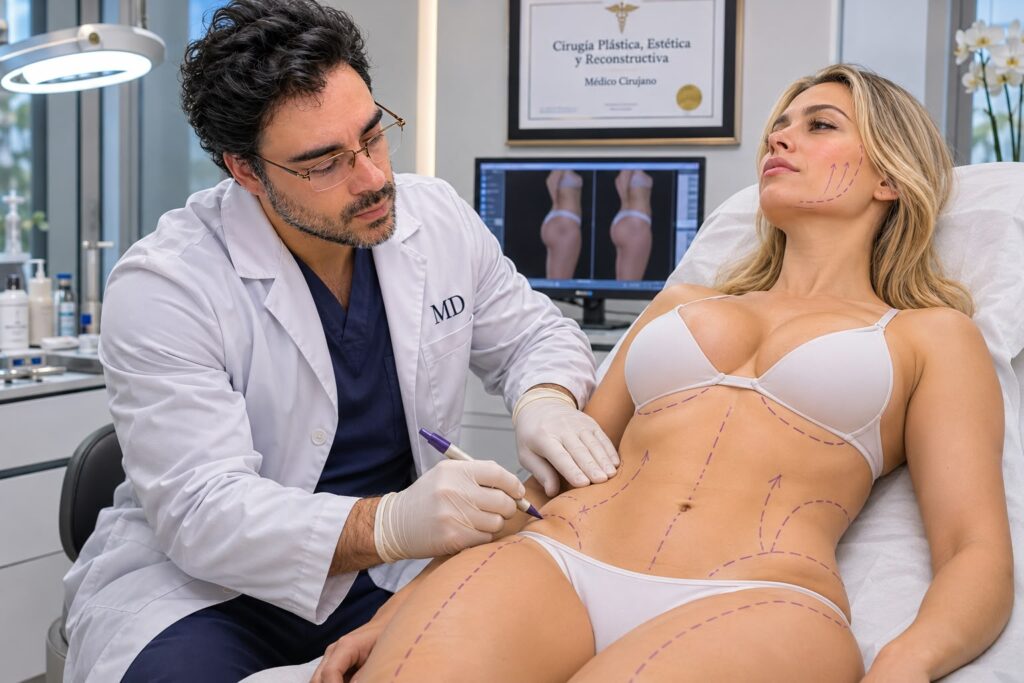
Surgeons map trouble spots at consultation and illustrate achievable shape changes.
5. Lifestyle Habits
A healthy lifestyle will help your cause, as good candidates for liposuction should exercise, eat well, and avoid nicotine and heavy drinking. Nicotine constricts vessels and inhibits healing, making it crucial to quit for a few weeks before and after the surgical procedure. Non-smokers and those with stable habits experience fewer complications and maintain results longer.
Contour Versus Reduction
Contour versus Reduction Contour is about restructuring and smoothing curves, taking out small, precise fat deposits to define a shape and enhance proportion. Reduction seeks to eliminate a greater amount of fat and tissue in order to reduce body mass. This distinction is important when considering if liposuction is the appropriate treatment and it helps guide expectations for result and recovery.
Liposuction is a contour tool. It addresses unwanted fat pockets, like the flanks, inner thighs, abdomen, or under the chin, not overall body weight. Patients who desire a leaner, better proportioned figure with an enhanced silhouette often stand to gain the most. For instance, a near ideal weight individual battling hard to lose localized belly or hip fat will frequently experience a significant difference. Liposuction can contour a waistline or eliminate a muffin top, but it won’t substitute for losing weight by dieting and exercising.
Skin quality dictates how good contouring will appear post fat reduction. That’s because firm, elastic skin and good muscle tone provide the ability of skin to retract and yield a smooth, even result. If skin is lax or inelastic, fat reduction alone can result in sagging or wavy contours. In those instances, a skin-removal surgery like a tummy tuck or body lift might be advised to complement liposuction. Older patients or those patients with more dramatic post-partum changes often require this combination approach to achieve the best results.
Safety restricts how much fat may be removed at once. Most surgeons recommend limiting extraction to around two to four liters of fat per procedure to avoid complications and shifts in the body’s fluids. High-volume fat extraction increases both operative risk and the potential for contour irregularities, so it’s not the objective of liposuction. For patients with higher body mass index, clinicians typically recommend a staged plan: prioritize weight management through diet, exercise, or medical support, then reassess for contouring once within a safer range.
Contour Versus Reduction Treatments like cryolipolysis or radiofrequency-based ones do indeed reduce small fat pockets and tighten skin to some extent. These choices fit folks who desire minor tweaks or can’t have surgery.
Optimal candidates tend to be within approximately 30% of their ideal weight, have maintained a steady weight, good skin elasticity and realistic expectations. Clear discussion with a surgeon about what contouring can and cannot do helps match procedure choice to the desired outcome.
Health Assessment
A comprehensive health assessment determines whether a patient is a suitable candidate for liposuction. This initial overview gathers medical history, current medications and supplements, and lifestyle habits to form a clear picture of surgical risk and expected outcomes. Good candidates for liposuction often have realistic expectations regarding the removal of stubborn fat pockets. Skin quality and elasticity, prior surgeries, and mental or emotional readiness are part of the evaluation since they affect both safety and aesthetic results.
Medical Clearance
Patients with a history of heart disease, diabetes, blood clotting disorders, or other significant illnesses require medical clearance prior to liposuction. Clearance is obtained from a treating physician or specialist who audits records, current treatment, and stability of chronic illnesses to confirm that the patient can handle anesthesia and operative stress.
Common preoperative tests and evaluations often include:
- Blood tests include a complete blood count, a basic metabolic panel, and a coagulation profile.
- Blood glucose and HbA1c for diabetes control
- Electrocardiogram (ECG) for cardiac screening
- Chest X-ray if cardiopulmonary risk factors exist
- Pregnancy test for women of childbearing potential
- Medication and supplement review, including anticoagulants and herbal supplements
- Specialist clearance letters when indicated (cardiology, endocrinology)
Medical clearance means that you’ve been medically cleared to be safe under anesthesia and surgery. If they’re not cleared, a lot of surgeons won’t touch it. Lack of clearance can disqualify a candidate until such conditions are treated or stabilized.
Healing Capacity
Good healing power is necessary. Good immune function, nutritional health, and skin elasticity assist with the body’s recovery and adaptation to contour changes post fat removal as well. Loose or severely sun-damaged skin may not retract sufficiently, influencing aesthetic outcomes and necessitating adjunctive procedures.
Smokers and individuals with uncontrolled chronic diseases tend to heal more slowly with increased risk of infection, delayed wound closure, and substandard scarring. Quitting smoking in advance of surgery and getting chronic diseases under optimal control diminishes these risks. Good nutrition that provides sufficient protein, vitamins, and hydration promotes wound healing and decreases the risk of complications.
Compromised healing can result in issues like infection, seroma, irregular contours, and lengthier convalescence. Mental and emotional health are examined to confirm expectations are realistic and perioperative instructions can be followed. Age by itself is not disqualifying. An otherwise healthy older adult may actually be a better candidate than a younger person with multiple uncontrolled conditions.
Weight Fluctuations
Weight stability is crucial for good candidates for liposuction since the surgical procedure eliminates fat cells from specific areas. If body weight fluctuates significantly afterward, the surgically sculpted shape and balance can shift. Most surgeons request that patients be within around 30% of their target weight and have maintained a steady weight for months. This stability provides a better idea of the amount of stubborn fat to remove and whether the skin will rebound post-surgery.
It’s a well-known fact that patients who gain significant weight after liposuction frequently experience a reversal of the treated areas back toward their preoperative circumference, literally undoing the sculpting. Heavy post-surgical weight gain doesn’t just add evenly; it can form new or larger fat deposits in untreated areas, making results appear lumpy. Liposuction is not a weight-reduction technique; it serves best as a contouring tool for those near their ideal weight looking to sculpt their body shape rather than shed significant pounds.
Yo-yo weights mess up skin as well. Whenever skin stretches and shrinks frequently, its elasticity decreases, and it may sag or develop uneven folds post-fat extraction. Bad skin elasticity increases the chance of visible contour irregularities and can cause surgeons to suggest combined procedures, like skin tightening or excision. For instance, someone with frequent weight swings of nine to fourteen kilograms would show looser skin in the abdomen post-lipo than someone who has held the same weight for years.
Surgeons often consider a person’s weight fluctuations when evaluating if they qualify for surgery. A history of large fluctuations suggests the need for a staged approach. First, reach a stable weight through a supervised weight-management program, then reassess for liposuction. These programs can involve customized nutrition plans, workout advice, and even medical assistance at times. This route helps establish reasonable expectations and minimizes the likelihood that successes will be fleeting.
Monitor weight trends prior to scheduling surgery. Use simple tools: weigh yourself weekly at the same time, record values, and note trends over three to six months. If weight fluctuates by more than a few percent month to month, collaborate with a clinician or coach to steady it. Live healthily post-surgery. Eat well-balanced meals, exercise regularly, and get adequate sleep because consistent weight leads to better long-term results and reduces the incidence of stubborn fat pockets.
Surgeon Perspectives
Candidates for liposuction are evaluated based on a combination of medical criteria and realistic outcome planning. Factors such as body shape, fat pattern, quality of skin, and general health are considered to determine whether a surgical procedure will provide a safe, long-lasting contour alteration. Established, board-certified plastic surgeons are crucial, as they possess the training, case volume, and judgment necessary to minimize complications and maximize aesthetic outcomes. Therefore, board certification and proven experience in body contouring should be at the top of a patient’s checklist when looking for a qualified plastic surgeon.
Surgeons assess each patient’s unique body type and fat composition. Localized fat pockets, often referred to as stubborn fat, can shrink wonderfully with liposuction when the patient is close to their ideal weight. Most surgeons believe that a BMI under 25 is a great starting point, typically wanting patients to be within 30 percent of their ideal body weight. In practice, individuals who are just 5 to 10 pounds away from their realistic ideal often achieve the best and most consistent results. Good skin elasticity is emphasized, as skin that can retract after fat removal leads to smoother body contours.
Managing expectations is key to the surgeon–patient conversation. Surgeons say that liposuction shapes; it doesn’t make huge weight losses. Patients with reasonable expectations tend to be the happiest. Surgeons point out that visible changes take time. Swelling and tissue settling mean final contours often emerge over 3 to 6 months. Surgeons record likely results with pictures and charts so patients realize constraints related to age, genes, and skin action.
Preoperative planning involves considerations for wellness, weight stability, and risk reduction. For instance, surgeons recommend that patients maintain their target weight for at least six months before undergoing liposuction to safeguard results. Additionally, quitting nicotine for a minimum of 4 to 6 weeks prior to surgery is a common standard to reduce risks associated with wound healing. Lab work, medications, and a clean bill of medical history complete the safety screening process.
In summary, good candidates for liposuction are those who not only meet physical criteria but also have realistic expectations regarding the outcomes. Understanding the nature of stubborn fat pockets and the importance of a healthy lifestyle can significantly influence the success of the procedure. Therefore, it is crucial for individuals considering liposuction to consult with an experienced surgeon to ensure they qualify for surgery and achieve their desired results.
- Verify surgeon credentials: board certification, experience in body contouring, and before and after galleries.
- Achieve target weight: aim within 30% of ideal weight. It is best when close to 5 to 10 pounds from ideal.
- Maintain stable weight: no major gain or loss for six months.
- Skin assessment: Discuss elasticity and the potential need for adjunct procedures if laxity is present.
- Medical optimization includes labs, chronic condition control, and medication adjustments as advised.
- Stop nicotine: cease all nicotine products 4–6 weeks preop.
- Plan recovery: arrange time off, support at home, and compression garments.
- Understand timing: expect gradual improvement with final results around three to six months.
Preparation Steps
Preparing for liposuction starts with pragmatic measures that create a foundation for a secure surgical procedure and an expected result. Try to be at a steady weight prior to surgery if you are over the ideal BMI range or still losing weight. Aim to get within 30% of your ideal weight, preferably within 14kg (30lbs) of goal weight, and maintain that weight stable for a period of at least 6 months. A stable weight gives the certified plastic surgeon a better idea of how skin and underlying tissue may settle and preserves the body contours they craft. Subsequent weight swings can reshape outcomes, especially in stubborn fat pockets.
Quit smoking and nicotine use well in advance of surgery. Nicotine restricts blood flow, depletes tissue of oxygen, and delays healing, increasing the risk of wound complications and infection. Multiple surgeons don’t even require quitting until four to six weeks before surgery. If you use patches or vapes, treat them like cigarettes. Talk nicotine cessation plans with your provider. They can recommend resources or medications to assist in becoming a good candidate for liposuction.
Go over medications and supplements with your surgeon and primary care clinician. Some drugs can increase bleeding risk or interfere with anesthesia. The usual suspects here are nonsteroidal anti-inflammatory drugs like ibuprofen, some herbal supplements like ginkgo or high-dose vitamin E, and blood thinners if not necessary. Your surgeon will provide a definitive list along with a schedule of when to discontinue each. Following that checklist is crucial to minimize operative risk and ensure you are a good candidate for liposuction.
Schedule post-op care and rides ahead of time. You’re going to need someone to drive you home and sit with you during those first 24 to 72 hours. Arrange for assistance with meals, kid care, and chores for a full week, preferably longer if the treated regions are extensive or multiple. Prepare your home: easy-to-reach supplies, loose clothing, ice packs, and a recovery chair. If you don’t have local support or live alone, talk through options such as short-term home health or a recovery facility to aid in your recovery from the surgical procedure.
Taking all pre-surgery instructions from your surgeon is essential to help maximize your safety and results. That encompasses anesthetic fasting guidelines, skin-disinfecting procedures, and any preoperative testing like blood work or ECG when appropriate. Make sure skin quality is good, as skin with good firmness and elasticity responds best after fat is removed. If elasticity is subpar, your surgeon could recommend skin-tightening techniques or staged procedures. If your BMI is greater than or equal to 30, talk about risk and potential staged approaches starting with weight management. Good communication with your surgical team makes your expectations realistic and minimizes complications.
Conclusion
Liposuction is for individuals who desire contour, not massive weight loss. Perfect candidates hover around a healthy weight range, have taut skin, and maintain consistent weight for months. Wellness and steady habits count. Surgeons love patients who are reasonable and have local fat pockets that do not respond to diet and exercise. Minor consistent weight fluctuations maintain results. Prep steps reduce risk and expedite recovery.
Example: A person at 5 to 10 percent above their target weight with pinchable fat and no major health issues often sees crisp contour changes. Another example: Someone with loose skin may need a lift along with fat removal.
For clear next steps, schedule a consultation with a board-certified surgeon to receive a personalized plan.
Frequently Asked Questions
What is the typical BMI range for good liposuction candidates?
Most certified plastic surgeons prefer a BMI of under 30. Good candidates for liposuction usually range from a BMI of 18.5 to 29.9, as this surgical procedure enhances body contours without addressing obesity.
Can liposuction be used for major weight loss?
No. Liposuction is a body sculpting procedure designed to remove stubborn fat pockets, not a major weight reduction solution. Good candidates for liposuction should live a healthy lifestyle and have realistic expectations.
How does overall health affect candidacy?
Surgeons seek good candidates for liposuction who maintain stable health, have controlled medical conditions, are nonsmokers or willing to quit, and possess good skin quality for the surgical procedure.
How much weight stability is required before surgery?
Surgeons generally request that good candidates for liposuction maintain a stable weight for three to six months, as this helps achieve better proportions and minimizes noticeable weight fluctuations after healing.
Will loose skin affect my results?
Yes, liposuction effectively removes stubborn fat but cannot tighten a lot of loose skin. Patients with good skin elasticity are good candidates for liposuction, obtaining the best contouring results.
How do surgeons determine how much fat to remove?
Surgeons evaluate body contours, skin elasticity, and general health to determine if a patient is a good candidate for liposuction, ensuring safety during the surgical procedure.
What steps should I take to prepare for liposuction?
Obtain medical clearance, quit smoking, and modify medications as instructed to ensure you are a good candidate for liposuction. Keeping your weight stable and discussing realistic goals with your certified plastic surgeon lowers risks and supports an easier recovery.