Key Takeaways
- Evaluate skin elasticity to determine if liposuction or arm lift is appropriate. Skin with poor elasticity generally needs excision, whereas skin with good elasticity tends to respond to liposuction.
- Select liposuction for local stubborn fat if your skin has good recoil. Select arm lift for more significant laxity to achieve a tighter arm contour.
- Think hybrid when you have both skin and fat to maximize shaping and minimize additional surgeries.
- To confirm your candidacy, you must be at a stable weight, in good health otherwise, a non-smoker, and have realistic expectations prior to planning surgery.
- Anticipate longer recovery and visible linear scarring with arm lift. There is a faster return to activities and minimal scars with liposuction. A somewhat longer recovery occurs when the two procedures are combined.
- Maintain results with consistent weight, good nutrition and exercise, regular follow-up and scar care (silicone sheets, massage).
An arm lift versus liposuction after bariatric surgery are two body-contouring options for excess arm tissue. An arm lift eliminates loose skin and contours your upper arm, while liposuction eliminates fat deposits with minimal scarring.
The decision is based on the quality of the skin, residual fat, and risk of delayed healing. Recovery, scar visibility, and functional results vary between these procedures.
The body details candidacy, procedure, results, and timing.
Post-Bariatric Changes
Massive weight loss after bariatric surgery commonly leaves the upper arms with two linked problems: excess stretched skin and pockets of residual fat. Skin stretched for years that then deflates tends to fall in the form of folds across the arms, axilla, and lateral chest wall. Patients losing more than 40 to 50 kg often present with redundant skin that extends into the axilla and down the lateral chest wall.
These post-bariatric shifts impact contour and blouse fit and even daily activities at times, so it’s important to grasp the skin and fat dynamic when deciding between an arm lift and liposuction.
Skin Elasticity
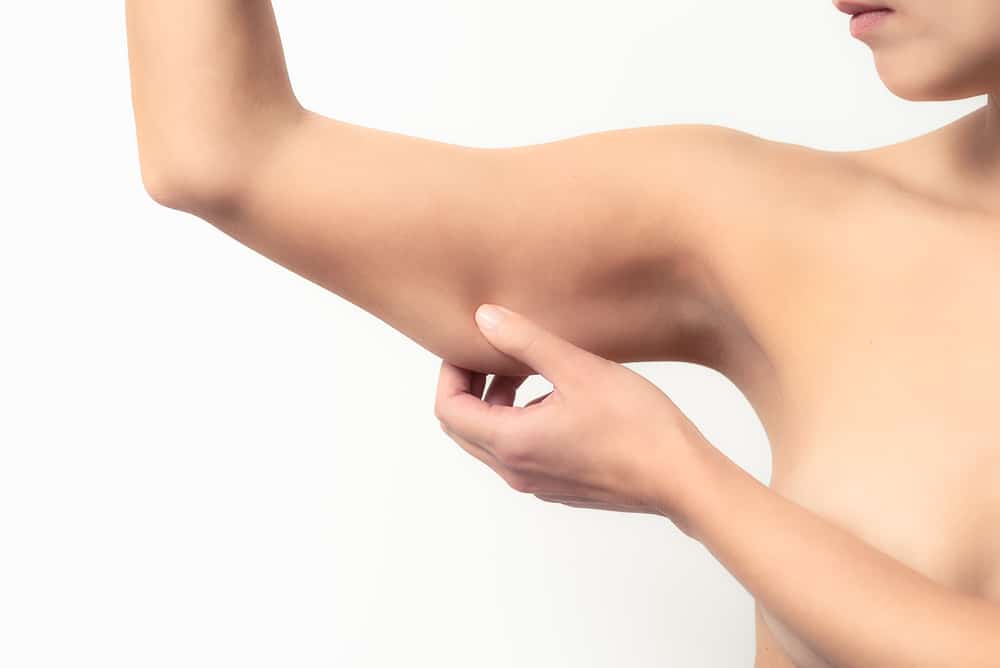
Skin elasticity largely predicts whether the arm will retract after fat removal or if tissue must be removed surgically. When elasticity is poor, the arm sags and simple liposuction may leave loose, hanging skin. In those cases, brachioplasty, or arm lift, is usually more effective.
Good elasticity allows the skin to tighten back after fat reduction, which makes liposuction a less invasive choice with quicker recovery. Evaluating skin quality includes examining thickness, presence of creases, and how quickly the skin rebounds when pinched. This clinical assessment guides whether to plan for skin resection.
After massive weight loss, the skin has been under long-term stretch and often lacks the recoil seen in younger, nonpostbariatric patients. Surgeons commonly expect some degree of excision.
Stubborn Fat
Localized fat pockets in the upper arm can linger despite diet and exercise, and these pockets can be stubborn. Liposuction addresses these resistant pockets and can enhance contour when skin tone is sufficient to track new arm form.
If there is too much fatty tissue along with loose skin, a combination of liposuction and skin removal usually provides the best, more long-term result. Simply removing fat can leave you with an empty, wrinkled envelope. Fat distribution post-bariatric loss under the triceps, along the axilla, laterally helps decide between favoring arm lipo, brachioplasty, or a combination.
In 2018, a study discovered that liposuction-assisted brachioplasty can maintain vascular, lymphatic, and nerve structures and reduce complication rates in comparison to more aggressive resections.
Recovery and risks depend on procedure extent. Common problems are wound-healing delay, seroma, infection, altered sensation, asymmetry, and widened or hypertrophic scarring. Complete healing can span months and necessitate compression garments and strict follow-up.
Loose upper-arm skin continues to be an inclusion criteria for post-bariatric surgery, particularly when sagging arm skin impedes activities.
Arm Lift vs Liposuction
Both tackle the cosmetic arm hang following bariatric surgery. It depends on whether loose skin or stubborn fat is the issue. Here’s a concise comparison table highlighting differences.
| Procedure | Benefits | Recovery time | Expected outcomes |
|---|---|---|---|
| Arm lift (brachioplasty) | Removes excess skin, tightens contour | 2–6 weeks limited activity; light activity 7–10 days | Marked skin tightening; linear scars from armpit to elbow |
| Arm liposuction | Reduces fat bulk, minimal scarring | 1–2 weeks limited activity; light activity 7–10 days | Slimmer arm when skin retracts; long-lasting fat reduction |
| Combined approach | Best for skin + fat issues | Slightly longer overall recovery | Most refined contour; depends on skin quality and weight stability |
1. Primary Goal
An arm lift removes excess skin for a smoother, tighter arm contour. It addresses skin laxity that remains after massive weight loss and reshapes the arm through tissue excision and skin redraping.
Liposuction seeks to reduce bulk by suctioning fat cells out through tiny incisions. The instrument is a scalpel-thin cannula that suctions fat, which is great for targeted fatty deposits where skin tone is still firm.
Arm lift is perfect when the skin laxity is advanced and the skin is not going to naturally retract. Liposuction is for good elasticity and mostly fat. The skin has to bounce back for a good aesthetic outcome.
Both procedures improve arm appearance but treat different problems: loose skin versus excess fat. What is right for you depends on your anatomy and goals.
2. Ideal Candidate
Typical arm lift patients have excess, sagging skin following massive weight loss and very little residual fat in the upper arm region. Frequently, the sagging gets in the way of clothing or motion, so surgery becomes a real option.
Candidates for liposuction have localized fat deposits and maintain good skin elasticity. They typically desire reduced scarring and a faster recovery while maintaining a stable weight.
Some patients benefit from both. Excess skin and stubborn fat require a combined approach for the best contour. Good general health, a stable body weight, and reasonable expectations are necessary across candidates.
3. The Procedure
Brachioplasty includes surgical removal, typically resulting in a long scar along the inner arm. Surgeons outline with marks preoperatively, excise skin and sometimes fat, and then close the wound to recontour the arm.
Liposuction utilizes a cannula through minuscule access points to suction fat. Scars are minimal and typically hidden in natural creases. Both can be performed in a single session if necessary.
Both procedures generally utilize general anesthesia and meticulous mapping to maintain safety and symmetry.
4. Expected Scars
Arm lift leaves a linear visible scar, usually from armpit to elbow, but there are several variations in designs. Liposuction leaves only small puncture scars that are frequently hidden.
Scar results depend on technique, healing, and genetics. Zigzag or “swallowtail” patterns can decrease tension and enhance scar quality.
5. Final Outcome
Arm lift provides dramatic skin tightening for extreme laxity and frequently enhances daily function. Liposuction slims the arm when skin can retract. Results can last for years if weight is stable.
While both together usually provide the most sculpted shape, recovery can be extended. Long-term results require consistent weight, healthy lifestyles, and diligent post-op care.
Candidacy Factors
Post-massive weight loss arm lift versus liposuction depends on five quantifiable characteristics. Such a hard checklist allows clinicians and patients to weigh anatomy, goals, and risks before suggesting one procedure or a combined approach. Checklists should cover skin quality, volume and distribution of fat, degree of ptosis, medical history, prior surgeries, medications, smoking, weight stability, and psychological preparedness.
Skin Quality
Determine if the skin will shrink after fat removal or needs to be excised. Skin that is thin and inelastic, hanging or redundant folds, will not contract enough after liposuction and generally requires brachioplasty. This includes parchment-like skin after quick weight loss with creases at the medial arm.
Firm, elastic skin with no underlying laxity typically does well with liposuction alone; the skin can shrink to the new contour. Moderate laxity may be suited to a mini arm lift or a combined approach, which includes targeted excision to remove a limited skin band plus liposuction to contour the remaining tissue.
Photographs and pinch testing provide objective data points. Ultrasound or skin-fold calipers can provide additional detail in complex cases.
Fat Volume
High localized fat volume, minimal skin excess, favor liposuction as primary treatment. Patients with bulky arms where fat is the predominant problem, particularly if their skin is resilient, are traditional liposuction candidates.
When fat volume is minimal but sagging skin is significant, brachioplasty provides the ideal contouring and physically removes excess tissue. Mixed presentations, like moderate fat and moderate skin laxity, may require both procedures for full refinement.
For example, liposuction reduces the fat in the arm and brachioplasty excises excess skin. Precise fat evaluation guides your operative strategy and anticipated results. Imaging and clinical measurement help facilitate a candid discussion regarding outcomes.
Health Status
Candidates need to be in good general health with managed chronic conditions prior to elective arm procedures. Non-smokers and patients with a stable weight following a bariatric procedure are less likely to have complications and experience better wound healing.
Active infections, clotting disorders, or uncontrolled diabetes increase perioperative risk and generally contraindicate elective surgery until addressed. Medication review is crucial. Anticoagulants, some supplements, and immunosuppressants impact timing and safety.
Psychological readiness and realistic expectations are important. Patients need to be aware of probable scarring, downtime, and even how they might require a synergistic combination of procedures to achieve their goals.
The Combined Approach
About: The Combined Approach couples brachioplasty with liposuction in the same surgical session to tackle loose skin and excess fat simultaneously. This provides a more comprehensive transformation than either technique individually by addressing both tissue redundancy and contour abnormalities.
Patient selection is largely a matter of skin elasticity, amount and position of fatty deposits and degree of ptosis. Those who have mild skin laxity and localized fat pockets usually see the greatest advantage.
- Benefits of the combined approach:
- Maximal sculpting for a smoother, more toned arm contour.
- One anesthesia instead of two separate surgeries.
- Less time overall out of work and out of your life.
- Skin and fat addressed at the same time for smoother results.
- Possibly more durable result if weight is stable.
The combined approach enables your surgeon to sculpt the arm shape. Lipo takes out fat from the upper arm, axilla and adjacent areas, whereas the brachioplasty excises redundant skin and repositions the soft tissue.
Consider a patient with concentrated fat under the triceps and loose skin along the inner arm who will receive instant de-bulking from liposuction and a tighter profile from excision. This layered approach reduces rippling and smooths out the transition between the arm and chest or forearm.
Safety and recovery are different from one-shot operations. Doing both at once lessens total recovery time relative to separate procedures, but the immediate post-op recovery may be a bit longer than for a standalone arm lift or liposuction.
Light activity is generally permitted within 7 to 10 days, while return to work or exercise at full intensity can take several weeks. Swelling and bruising may continue for weeks, and patients should anticipate a more extended period of being marked by healing.
Compression garments should be worn 24/7 for several weeks to support tissues, minimize swelling, and assist skin re-draping.

Practical steps for patients: Preoperative planning should include detailed mapping of fat deposits and skin excess, realistic discussion of scar placement, and assessment of medical fitness for a combined procedure.
Follow post-op instructions closely: Use compression garments, avoid heavy lifting and vigorous arm movements, and attend follow-up visits. Results can be long-lasting if body weight stays stable and general health is maintained.
Where available, staged photos and examples of similar cases help set realistic expectations.
A Surgeon’s Perspective
After massive weight loss, surgeons evaluate each patient’s anatomy, goals, and overall health before recommending arm contouring. The main decision point is loose skin versus excess fat. Liposuction removes fat but relies on good skin elasticity, while brachioplasty, or arm lift, removes redundant skin and repositions tissue.
Many surgeons combine techniques, using liposuction to address stubborn fat deposits and brachioplasty to excise sagging skin, so the plan is rarely one-size-fits-all. Scar placement, tension on closure, and careful tissue handling are planned to reduce visible scarring and lower complication risk. Board-certified plastic surgeons stress that experience with both procedures is key to tailoring the approach and achieving balanced, durable results.
Patient Psychology
How body changes after bariatric surgery can transform self-image. Arms that sag with loose skin or “batwing” fat commonly cause the avoidance of short sleeves, social settings or working out where the arms are exposed. Patients come for an arm lift or liposuction because they want to feel better in their clothes, like they’re back to normal again.
Anxiety about scars and recovery is common, and surgeons and teams address this early with frank counseling and visual aids of what is typical. Open discussion about what surgery can and can’t do sets expectations, minimizes post-op regret, and enhances satisfaction.
Managing Expectations
Surgeons manage expectations about scarring, contour improvement, and recovery time. Liposuction can provide a leaner arm when the skin is good quality, but significant skin excess cannot be reversed. Brachioplasty enhances form but comes with a lifelong scar, typically on the inner arm.
Patients must weigh the trade-offs: better contour versus visible incision lines. Recovery spans from days of light activity to weeks until heavy use is permitted. The focus is on functional advantage, which makes it easier to dress and less irritating, rather than seeking an ideal. Photos of previous patients and transparent timelines help patients comprehend probable outcomes.
Future Contouring
Stable weight is a key for enduring results since profound weight gain or loss might call for additional treatments. Surgeons often advise a staged plan when multiple areas are involved. Combining brachioplasty with tummy tuck, breast lift, or thigh lift is common to address widespread loose skin after massive weight loss.
When necessary, small liposuction incisions enable the surgeon to sculpt armpit fat and finesse the contour, either concurrently or in isolation of an arm lift. From a surgeon’s standpoint, an incremental strategy minimizes operative hazard and allows patients to recuperate between stages on their journey to total body contouring.
Recovery and Risks
Recovery after arm lift or arm liposuction depends on the procedure, your overall health, and if they are combined. Informative, below is a clear recovery roadmap that outlines typical timelines and risks, helping patients and clinicians set expectations and plan care.
Timeline
- Arm lift (brachioplasty): recovery commonly takes 2 to 4 weeks. Early swelling and bruising typically recede during the initial 2 weeks. Patients should anticipate soreness and restricted arm usage. Most require 2 to 3 weeks off work and refrain from heavy lifting or straining for approximately 4 to 6 weeks. A hospital stay overnight may be required in some cases.
- Arm liposuction: recovery is usually faster. The majority of patients can return to light work within a few days and normal activities within 1 to 2 weeks. Swelling may last months, and the definitive contour often doesn’t become evident until several months after surgery. They have you wear a compression garment for a few weeks. This brings down the swelling and helps the skin to ‘shrink wrap.’
- Combined procedures: If brachioplasty and liposuction are done together, recovery may be slightly longer than for either alone. Surgical time is longer and the body requires additional healing. Adhere to post-op directions as they relate to wound care and activity restrictions.
- Practical steps: Create a written recovery timeline before surgery. Add driving restrictions, generally no driving for a few days, scheduled time off work, wound-care procedures, and follow-up visit dates. About Recovery and Risks: Quit smoking at least a few weeks prior to surgery to reduce wound-healing risks.
Complications
- Arm lift: visible scarring, wound separation, infection, lymphatic fluid buildup, and sensory changes.
- Liposuction: contour irregularities, seroma, temporary numbness, and persistent swelling.
- Combined procedures result in longer anesthesia time, greater blood loss risk, increased tissue trauma, and higher complication rates.
- Other points: Age and health matter. Patients should be at least 18 and in good overall health. Early recognition of problems, such as redness, fever, rapid swelling, or unusual drainage, allows faster management and better outcomes.
Early follow-up visits and readily available lines for urgent contact mitigate the risk of escalation. A drain may be used by surgeons after brachioplasty to decrease seroma. Compression after liposuction minimizes fluid accumulation and accelerates shaping.
Long-Term Care
Maintain stable weight and healthy habits to maintain results. Routine follow-ups allow clinicians to track scar maturation and arm contour over several months. Scar management may include silicone sheets, topical agents and massage which frequently enhance scar characteristics such as texture and coloration.
Stay active in a slow gradual way once cleared to help maintain muscle tone and circulation. Apply broad-spectrum sunscreen to scars and moisturizing skin care to help the long-term look.
Conclusion
Arm lift vs liposuction after major weight loss comes down to tissue type and goals. Arm lift fits loose, heavy skin and reshapes your upper arm. Liposuction suits firm skin with resistant fat pockets. Others require both. Surgeons examine skin condition, scar susceptibility and general health. Arm lift recovery is lengthier and leaves behind visible scars. Liposuction heals faster, but if the skin doesn’t tighten, it can leave mild irregularities. Choose a board-certified plastic surgeon who displays before-and-after photos and discusses compromises. For an obvious next step, schedule a consultation, inquire about staged plans and receive written estimates for surgery, follow-up care and time away from work.
Frequently Asked Questions
What is the main difference between an arm lift and liposuction after bariatric surgery?
An arm lift (brachioplasty) eliminates loose skin and repositions tissue. Liposuction takes away fat and doesn’t repair loose skin. Arm lift vs liposuction after bariatric surgery: Arm lifts better correct droopiness after major weight loss, while liposuction alone is beneficial when skin still has excellent elasticity.
Who is a good candidate for an arm lift after bariatric surgery?
You are a candidate if you have excessive loose or hanging skin, a stable weight for 6 to 12 months, good overall health, and realistic expectations. A surgeon will evaluate your scars, tissue quality, and medical risk.
When is liposuction alone appropriate after weight loss surgery?
Liposuction is appropriate for patients with localized pockets of fat and good skin elasticity. If skin snaps back and there’s only fat left, liposuction can contour without lift scars.
Can I have both procedures at the same time?
Yes. There are instances where surgeons like to perform liposuction along with arm lift after bariatric surgery to further sculpt and decrease tissue tension. Doing them together can be efficient but can add to operative length and recovery complexity.
What are the typical risks and recovery differences?
Arm lift has longer scars, more pain, and longer healing than liposuction. Risks involve infection, scarring, nerve alterations, and imbalance. Liposuction has shorter recovery but can result in contour irregularities or seroma.
How long should I wait after bariatric surgery to get body contouring?
Wait until your weight has been maintained for 6 to 12 months and you are in good overall health. This minimizes complications and optimizes long-term outcomes. Talk about timing with your bariatric and plastic surgeons.
How do I choose the right surgeon for post-bariatric arm contouring?
Pick a board-certified plastic surgeon who has body-contouring experience after massive weight loss. Request before-and-after photos, complication rates, and patient references. A consult must involve a clear surgical plan and realistic results.