
At-home skin tightening devices have become popular in recent years. These tools offer a convenient way to enhance skin appearance without visiting a clinic. Historically, skin tightening treatments, along with silicone implants and aging devices, were only available through medical professionals, often causing mild discomfort. Now, advancements in technology make it accessible for everyone.
People seek solutions for sagging skin and wrinkles. At-home devices promise results similar to salon treatments, often at a fraction of the cost. They are easy to use and fit seamlessly into busy lifestyles, making them ideal skin care devices for a home skin care routine and skin care treatments, including aging devices. With various options available, consumers can choose devices that suit their needs. Understanding how these gadgets work can help you make informed choices for your skincare routine.
Key Takeaways
- At-home skin tightening devices can be effective for improving skin elasticity and firmness, especially when used consistently over time.
- Radiofrequency (RF) devices are popular for their ability to stimulate collagen production, making them a great option for at-home treatments.
- Microcurrent technology offers benefits like lifting and toning the skin, which can complement your skincare routine.
- LED light therapy is a safe option that targets various skin concerns, helping to enhance overall skin health.
- Always ensure you follow safety guidelines and manufacturer instructions to maximize the effectiveness of these devices while minimizing risks.
- Consider your specific skin needs when choosing between at-home devices and professional treatments to find the best fit for you.
Understanding At-Home Skin Tightening
Definition
At-home skin tightening refers to standard treatment non-invasive methods for enhancing skin firmness with an aging device and gold treatment gel. These devices work by stimulating collagen production and improving skin elasticity. Users can achieve noticeable results without the need for surgery or invasive procedures.
Popularity Growth
The popularity of these devices has surged in recent years. Many people prefer them due to their ease of use. They fit easily into home skin care routines. Compared to clinical treatments, at-home devices are often more affordable. This makes skin care devices a practical choice for those seeking effective solutions without spending a lot.
Technological Advancements
Technology plays a significant role in the accessibility of these devices. Innovations have made it possible for consumers to use professional-grade skin care devices at home. Many devices now utilize advanced features like radiofrequency, ultrasound, or LED light therapy. These technologies enhance effectiveness while being safe for personal use.
Benefits of Home Devices
Using at-home skin tightening devices offers several benefits:
- Convenience: Users can incorporate them into their daily routines.
- Cost-effective: They eliminate the need for expensive salon visits.
- Safe: Designed for home use, they reduce the risk associated with clinical treatments.
Personalization
Individuals can tailor their at-home skin care routine based on their specific needs. Different devices target various concerns, such as sagging skin or fine lines. This customization allows users to focus on areas that matter most to them.
User Experience
Many users report satisfaction with their results. Regular use leads to improved skin texture and firmness over time. For example, a user may start seeing changes after just a few weeks of consistent application. Such experiences encourage others to try these products.
Recommendations
Experts suggest starting with a device that suits your skin type. Reading reviews and understanding how each device works is essential. Following instructions carefully ensures safety and effectiveness.
Exploring RF Skin Tightening Devices
RF Technology
Radio frequency (RF) technology works by delivering heat to the deeper layers of the skin. This heat stimulates the skin cells, promoting rejuvenation. The RF waves penetrate the epidermis and reach the dermis layer. This process encourages collagen production, which is essential for maintaining skin elasticity.
The heating effect causes existing collagen fibers to contract. This leads to tighter skin and a smoother appearance. Over time, the body produces new collagen, which enhances skin firmness. Users often notice visible improvements in their skin texture after several sessions with these devices.
Benefits of RF Devices
RF devices offer multiple benefits for skin care. They help improve skin elasticity, making it appear younger and firmer. Increased collagen production also reduces fine lines and wrinkles. Many users report a more lifted appearance after consistent use.
These devices are suitable for various skin types. They can be used on the face, neck, and other areas where sagging occurs. Regular treatments can lead to long-lasting results without invasive procedures.
Users appreciate that RF devices are easy to incorporate into their skincare routines. Many options are available as at-home gadgets, allowing for convenience and privacy during treatment.
Safety and Efficacy
RF skin tightening devices have received FDA clearance for home use. This approval ensures that they meet safety and efficacy standards. The FDA evaluates these devices thoroughly before granting approval.
Using an FDA-cleared device means users can trust its performance. It reduces concerns about potential skin malignancies or adverse effects associated with unregulated products. Following advanced skincare wand instructions is crucial for optimal results and safety.
Many popular skincare tools incorporate RF technology, such as the Solawave Skin Care Wand. These innovative devices make it easier than ever to achieve professional-like results at home.
Benefits of Microcurrent Technology
Muscle Toning
Microcurrent technology uses low-level electrical currents. These currents stimulate facial muscles. This stimulation helps tone and tighten the skin. Many people notice a lift in their facial contours after treatment. The process mimics the body’s natural electrical signals. This makes it effective for muscle re-education.
Microcurrent treatment can also reduce fine lines. Studies show that regular use leads to smoother skin. Users often report a more youthful appearance. These devices work by enhancing collagen production. Collagen is vital for maintaining skin elasticity.
Non-Invasive Solution
Microcurrent facials are non-invasive. They do not require any surgical procedures. This makes them suitable for at-home use. Individuals can easily incorporate these treatments into their skincare routine. Many devices are designed for safety and ease of use.
The gentle nature of microcurrent technology means minimal side effects. Users may experience slight tingling but no pain. This comfort encourages regular sessions, which can lead to better results over time.
Regular Use
At-home microcurrent devices allow for consistent treatments. Regular application enhances the benefits gained from each session. Most users recommend using these devices several times a week. This frequency helps maintain results between professional appointments.
Many people appreciate the convenience of at-home use. They can enjoy spa-like treatments in their own space. This accessibility makes it easier to stick to a skincare regimen.
Versatile Applications
Microcurrent technology has versatile applications beyond skin tightening. Some studies suggest it may help with migraines as well. The electrical stimulation could provide relief for some individuals suffering from this condition. However, more research is necessary to fully understand this benefit.
The effectiveness of microcurrent facials has made them popular among various age groups. Younger users often seek prevention methods for aging skin. Older users look for ways to restore lost firmness and elasticity.
Advantages of LED Light Therapy
Targeting Concerns
LED light therapy uses different wavelengths to address various skin issues. Red light therapy penetrates deep into the skin. It helps with wrinkles and fine lines. This wavelength stimulates collagen production, which is essential for youthful skin.
Blue light therapy targets acne by killing bacteria on the skin’s surface. It reduces breakouts effectively without harsh chemicals. Each light therapy session can be tailored based on individual needs.
Promoting Collagen
Collagen is vital for maintaining skin elasticity. LED light therapy encourages the body to produce more collagen naturally. Increased collagen leads to firmer and smoother skin.
Research shows that low-level laser therapy can improve skin texture over time. Regular treatments can yield noticeable results. Many users report a reduction in sagging and an overall rejuvenated appearance.
Gentle Approach
LED light therapy offers a gentle solution for skin tightening. Unlike more invasive procedures, it requires no downtime. Users can return to their daily activities immediately after treatment.
This makes it suitable for all skin types, including sensitive skin. The non-invasive nature of this treatment minimizes the risk of side effects. Many people find it relaxing, making it a pleasant addition to their skincare routine.
Versatile Settings
Different light therapy settings allow for customization based on individual concerns. Users can switch between light therapy modes depending on their specific needs. For example, someone focusing on anti-aging may prefer red light settings, while those with acne might choose blue light options.
At-home devices often come equipped with these versatile modes. This flexibility enhances the overall effectiveness of the treatment.
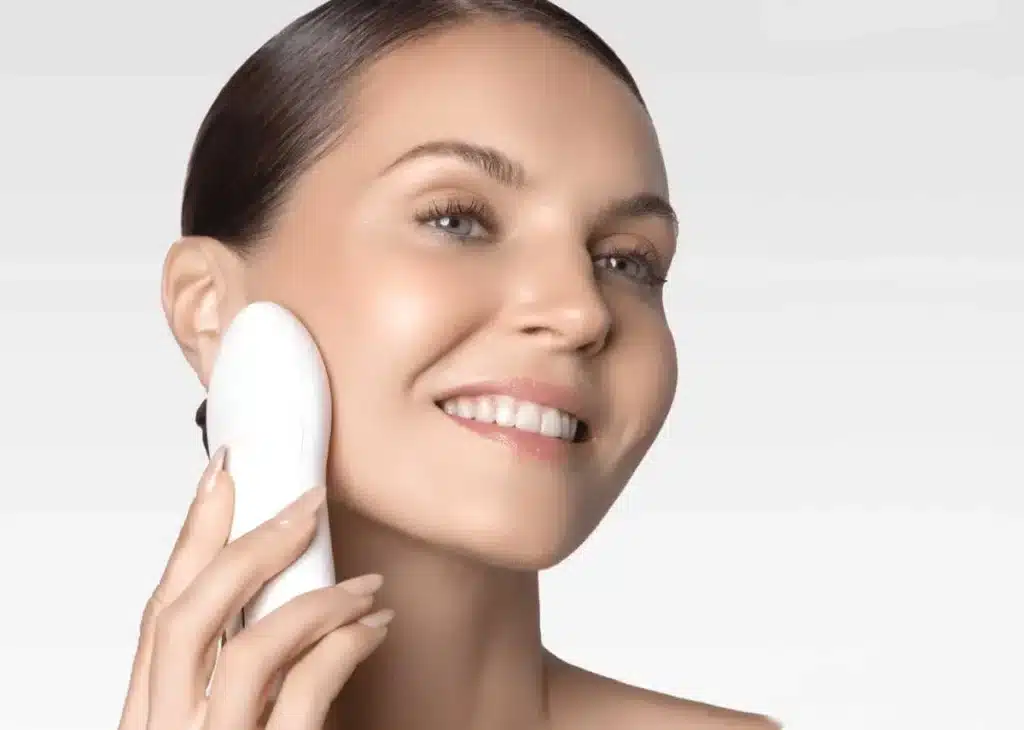
Evidence-Based Benefits
Numerous studies support the efficacy of LED light therapy. Research published in journals like “Photomedicine and Laser Surgery” highlights its benefits in reducing inflammation and promoting healing. Many dermatologists recommend it as part of a comprehensive skincare regimen.
Users can expect visible improvements after consistent use over several weeks or months. The combination of increased collagen production and reduced inflammation leads to healthier skin overall.
Comparing At-Home and Professional Treatments
Cost-Effectiveness
At-home skin tightening devices offer a cost-effective alternative to professional treatments. A single session at a clinic can cost between $200 to $600, depending on the type of treatment. In contrast, investing in an at-home device usually ranges from $100 to $500. This makes it more affordable for regular use.
Convenience also plays a significant role. At-home devices allow users to treat themselves whenever they choose. There’s no need to schedule appointments or travel to clinics. This flexibility appeals to many people who have busy schedules.
Similar Results Over Time
Consistent use of at-home devices can lead to results similar to those achieved with professional treatments. Many devices utilize technologies like LED light therapy or percussive treatments. Regular use over weeks or months can help improve skin elasticity and firmness.
However, patience is crucial. Users may not see immediate changes as they would with laser treatments or other clinic procedures. Instead, gradual improvements become visible with time and dedication.
Long-Term Benefits
While at-home devices might lack the instant effects of professional treatments, they provide long-term benefits. Regular use helps maintain skin health without the need for frequent clinic visits. Users can create their own skincare routines that fit their lifestyles.
Professional treatments often show quick results but may require follow-up sessions for lasting effects. At-home options encourage ongoing care, which can lead to sustainable improvements in skin texture and tightness.
In summary, both at-home and professional treatments have their advantages. Each option serves different needs and preferences. Understanding these differences helps individuals make informed choices about their skincare.
Ensuring Safe and Effective Use
Follow Instructions
Using at-home skin tightening devices requires careful attention. Manufacturer instructions are crucial for achieving optimal results. Each device has unique settings and recommended usage times. Ignoring these guidelines can lead to ineffective treatment or even harm.
Users should also note their skin type and any existing conditions. Some devices may not be suitable for certain disorders, such as severe acne or rosacea. Always consult a healthcare provider if unsure about compatibility.
Patch Test
Performing a patch test is essential. This helps identify any potential allergic reactions before full use. Apply the device to a small area of skin first. Wait 24 hours to observe any adverse effects like redness or swelling.
If irritation occurs, discontinue use immediately. Opt for devices designed specifically for sensitive skin if necessary. This simple step can prevent discomfort and ensure a better experience overall.
Regular Maintenance
Cleaning and maintaining devices is vital for hygiene. Bacteria can build up on the surfaces, leading to infections or skin problems. Users should clean their devices after each use. Most manufacturers provide specific cleaning instructions.
Regular maintenance extends the life of the device as well. Proper care ensures that it continues to function effectively over time. Neglecting this aspect can result in diminished performance and less effective treatment.
Areas of Use
Certain areas of the body benefit most from these devices. Common target areas include the face, neck, and décolletage. These regions often show signs of aging first. Skin tightening devices can help improve elasticity and firmness in these spots.
However, users must avoid delicate areas like around the eyes unless specified by the manufacturer. The skin here is thinner and more prone to damage. Always prioritize safety when selecting areas for treatment.
Mild Discomfort
e users may experience mild discomfort during use. This sensation often indicates that the device is working effectively. However, discomfort should not escalate into pain. If it does, stop using the device immediately.
Listening to your body is important in ensuring safety during treatments. Adjust settings if discomfort persists or consult a professional for advice.
Historical Context
The history of skin tightening techniques dates back centuries. Early methods included surgical procedures that required significant recovery time. At-home devices offer a modern alternative with less downtime.
These advancements have made effective treatment accessible to many people without surgery’s risks or costs.
Enhancing Skin Elasticity and Firmness
Consistent Device Use
Using at-home skin tightening devices regularly is crucial. These devices help in collagen stimulation. Collagen is essential for maintaining skin elasticity and firmness. Regular use can lead to noticeable improvements over time.
Studies show that consistent treatment can enhance skin texture. Many users report firmer skin after several weeks of regular application. This is especially true when the devices are used as part of a broader skin care regimen.
Healthy Skincare Routine
Combining device use with a healthy skincare routine amplifies results. A good routine includes cleansing, moisturizing, and using serums designed for facial rejuvenation. Ingredients like hyaluronic acid or retinol can further boost effectiveness.
Incorporating these products can improve hydration and promote skin health. This synergy between devices and skincare treatments leads to better outcomes. A balanced approach targets individual skin concerns effectively.
Patience and Persistence
Visible improvements take time. Users should not expect overnight results. Skin rejuvenation is a gradual process that requires patience and persistence.
Many factors influence skin health, including diet and overall lifestyle. A strong immune system supports skin recovery and resilience. Staying hydrated also plays a key role in maintaining skin’s elasticity.
Tracking progress can keep motivation high. Taking before-and-after photos helps visualize changes over time. Celebrate small victories along the way to stay encouraged.
Evaluating the Effectiveness of Home Devices
User Satisfaction
Studies show that many users find success with home skin care devices. A survey by the American Society for Dermatologic Surgery found that 70% of users reported visible improvements after consistent use. These improvements often include tighter skin and reduced wrinkles. Users who follow instructions closely tend to see better results.
Satisfaction varies based on device quality. High-quality devices often yield higher satisfaction rates. In contrast, cheaper options may disappoint users. This difference emphasizes the importance of investing in reputable brands.
Device Quality
Quality plays a significant role in effectiveness. Not all home skin care devices are created equal. Some use advanced technology like radiofrequency or LED light therapy. These technologies can stimulate collagen production effectively.
On the other hand, lower-quality devices might not penetrate the skin adequately. Studies indicate that professional-grade devices outperform many at-home options. However, some at-home devices can still be effective when used correctly.
User Adherence
User adherence is crucial for achieving desired results. Many studies highlight that regular use leads to better outcomes. For instance, a study published in the Journal of Cosmetic Dermatology showed that consistent use over three months resulted in noticeable skin tightening.
It’s vital to follow the manufacturer’s guidelines closely. Skipping sessions or using devices incorrectly can hinder progress. Users should set reminders to ensure they stick to their routines.
Reading Reviews
Reading reviews and testimonials provides valuable insights into device performance. Potential buyers should look for feedback from actual users. Reviews often highlight both positive experiences and challenges faced during use.
e users share before-and-after photos, showcasing real results. Others discuss their journey with specific devices, detailing what worked and what didn’t. This information can guide new users in making informed decisions about which device to purchase.
Weighing the Worth of These Devices
Initial Investment
The initial investment in at-home skin tightening devices can be significant. Many devices range from $100 to over $1,000. This cost is often lower than multiple professional treatments. For example, a single session of laser therapy can cost between $500 and $3,000. Over time, using a home device may lead to substantial savings.
Investing in a device means you can use it as often as needed. This flexibility allows for regular treatments without the need for appointments. It can fit easily into a busy schedule. Users can treat their skin whenever they have a few minutes free.
Convenience Factor
Convenience plays a big role in choosing at-home devices. Users have the freedom to perform treatments at their own pace. They don’t need to travel to a clinic or wait for an appointment. This accessibility makes it easier to maintain a consistent routine.
e devices are compact and easy to store. Others might require more space but offer advanced features. Regardless, having an aging device at home means no interruptions from daily life. You can relax while tightening your skin.
Personal Goals
Personal skincare goals vary from person to person. Some may want to reduce sagging skin, while others aim for overall firmness. Understanding individual needs is crucial before purchasing a device. Not all devices will meet everyone’s expectations.
Setting realistic goals helps in evaluating these products. If someone seeks dramatic results, they might find home devices lacking compared to professional options. However, those aiming for subtle improvements may find satisfaction with at-home treatments.
Effectiveness Over Time
Effectiveness can also change over time. Many users report gradual improvements after consistent use of their devices. Regular treatment boosts collagen production and enhances skin elasticity.
Results depend on the area being treated and the type of device used. Some areas respond better than others. For instance, facial skin might show quicker results than body areas like thighs or arms.
Final Remarks
At-home skin tightening devices offer a convenient way to enhance your skin’s elasticity and firmness. With options like RF technology, microcurrent, and LED light therapy, you can find the right fit for your needs. These devices can deliver noticeable results, rivaling professional treatments in effectiveness. Safety and proper usage are key to maximizing benefits.
Investing in these tools can transform your skincare routine. They empower you to take control of your skin’s health from the comfort of your home. Explore your options, choose wisely, and enjoy the journey to firmer skin. Ready to elevate your skincare game? Dive into the world of at-home devices today!
Frequently Asked Questions
What are at-home skin tightening devices?
At-home skin tightening devices are tools designed to improve skin elasticity and firmness. They use various technologies like RF, microcurrent, and LED light therapy to promote collagen production and enhance skin texture.
How do RF skin tightening devices work?
RF (radiofrequency) skin tightening devices deliver energy deep into the skin layers. This stimulates collagen production, which helps tighten loose skin and reduce wrinkles over time.
What is microcurrent technology?
Microcurrent technology uses low-level electrical currents to stimulate facial muscles. This promotes circulation and collagen production, leading to a firmer, more youthful appearance.
Are LED light therapy devices effective?
Yes, LED light therapy devices can be effective for improving skin tone and reducing signs of aging. Different wavelengths target specific concerns, such as fine lines or pigmentation.
How do at-home treatments compare to professional options?
At-home treatments are generally less intense than professional options but offer convenience and cost savings. They can maintain results achieved through professional treatments when used consistently.
Is it safe to use these devices at home?
Yes, most at-home skin tightening devices are safe when used as directed. Always follow the manufacturer’s instructions and consult a dermatologist if you have concerns.
How long does it take to see results from home devices?
Results vary by device and individual. Generally, users may notice improvements within a few weeks to months of consistent use, depending on the technology employed.