
Key Takeaways
- Select donor zones with sufficient fat reserves like the abdomen, flanks, back and thighs to have an ample supply of quality fat for a successful BBL and enhanced body contours.
- When choosing donor sites, prioritize fat quality, fat quantity, and skin elasticity. Have your surgeon examine each site for potential viability and expected graft survival.
- Match donor site selection to your body type, lifestyle, and medical history as these can affect fat availability, healing, and long-term outcomes.
- Choose a board certified plastic surgeon who employs gentle harvesting technology and validated fat processing techniques to optimize graft survival and reduce donor site injury.
- Think secondary donor sites such as arms, knees, or upper back if the primary areas lack fat. Anticipate combined sites or revision planning when additional volume is required.
- Adhere to post-procedure care: rest, compression, stable nutrition, and activity restrictions to encourage donor site healing and long-term graft maintenance.
Best donor sites for BBL are areas where fat is securely extracted for transfer to the buttocks. The most common donor areas are the abdomen, flanks, lower back, and inner thighs due to fat quality and liposuction accessibility.
Medical factors, body shape, and surgeon skill impact suitability. Surgical planning and realistic patient goals determine selection.
The heart of the post discusses the choices, hazards, and healing for every donor site.
Optimal Donor Sites
Finding out the best donor sites is key to a great Brazilian butt lift. Rich, high-quality fat donor areas not only enable safer harvest and improved graft survival, but a slimmer you at the same time. The abdomen, flanks, back, and thighs are the best donor sites because they contain concentrated fat, are easily accessed using conventional techniques, and produce grafts with excellent adipocyte viability when minimally disturbed.
1. Abdomen
The abdomen is a premier donor site because of shared fat stores and convenient surgical access. Abdominal fat generally has favorable blood supply, which helps adipocyte survival post-transfer, with research demonstrating graft survival between roughly 50 and 90 percent with careful harvesting and processing.
Eliminating stomach fat trims the waist, resulting in a more defined abdominal contour and better waist-to-hip proportion. Abdominal fat frequently seems softer and is simpler to clean, assisting with the use of small cannulas. Three millimeter cannulas are great for reaching into narrower planes while protecting cell viability.
These patients should be at a stable weight for at least six months prior to surgery to help make results more predictable.
2. Flanks
Flanks or love handles are common BBL donor sites that deliver easy-to-handle fat. Flank fat is particularly stubborn to diet and exercise, which is why it’s such a great source for volume liposuction.
Removing fat from the flanks not only smooths the waistline, but helps to directly increase the apparent projection of the buttocks by maximizing the contrast between waist and hips. Mild liposuction and careful processing matters here, too, as rough harvest can harm adipocytes.
Barbaric methods can destroy up to 90% of cells. Selecting this region can provide nice volumes while maintaining a low risk of contour irregularities.
3. Back
The lower and mid-back come in handy if you have excess fat. Donor sites in these locations highlight your buttock frame and enhance upper body proportion.
Back fat is sometimes denser than abdominal fat, which can make it a formidable graft material for structural augmentation. Tackling bra rolls and the upper back tones the torso’s silhouette, providing a cleaner slope from the waist to the buttocks.
Thin cannulas help reach these spots while minimizing trauma.
4. Thighs
Inner and outer thighs are excellent donor sites for patients with localized thigh fat. Thigh fat is typically high quality and supports durable graft survival when handled with care.
Liposuction of the thighs slims the legs and complements the new buttock shape for a cohesive lower-body contour. Thigh harvesting can be combined with the abdomen or flanks to increase total graft volume.
Avoid sitting on your buttocks for at least four weeks and use specialty pillows during recovery to protect grafts.
Selection Criteria
Selection of donor sites for a BBL hinges on three core factors: fat quality, fat quantity, and skin elasticity. These factors define whether harvested tissue will survive transfer, the amount of contouring achievable, and how donor sites heal and look post-op. Selection depends on individual fat distribution, desired buttock volume, body type and proportions, and safety limitations defined by the surgeon.
Common donor sites include the abdomen, flanks, lower back, inner and outer thighs, hips, upper back, and arms, with the abdomen, flanks, and lower back most frequently utilized. Surgeons may stage procedures or combine multiple areas in one session. Most adhere to selection criteria restricting total aspirate to approximately five liters or less in elective outpatient cases.
Fat Quality
Fat quality is about viability and health of the harvested adipocytes and stromal cells that support graft take. High-quality fat has intact cell membranes, low trauma from harvest and minimal contamination with blood or oil. This increases the percentage of graft that survives long term and decreases risk of fat necrosis or cysts.
Delicate liposuction techniques — low-pressure suction, microcannulas, and slow, measured passes — maintain cell viability during harvest. Following harvest, purification via low-speed centrifugation, decanting or filtration eliminates excess fluid and oil and further enhances graft material. For example, fat from the lower abdomen often yields good-quality tissue when harvested carefully, whereas aggressively suctioned thigh fat can show more damage.
Fat Quantity
Sufficient fat reserves are essential to reach the planned buttock volume. Measure available fat in each potential area before surgery. For example, the abdomen and flanks usually offer larger volumes in many body types, while slim patients may have limited stores in the arms or upper back.
Patients with low overall body fat might need fat removal from multiple sites or staged sessions to achieve goals. They might be counseled that BBL is not suitable if donor fat is inadequate. Large-volume liposuction candidates typically benefit from multiple abundant donor sites. Surgeons balance desired graft volume with safety limits and the patient’s long-term contour goals.
Skin Elasticity
Good skin elasticity at donor sites encourages smooth retraction after liposuction and minimizes loose or sagging skin. Younger patients tend to have better recoil, whereas older or post-pregnancy skin can be looser and may need complementary procedures or conservative fat removal.
Selection criteria include skin tone, which impacts the donor area and technique. Tighter skin permits more aggressive contouring. Poor elasticity can create ripples, dimples, or irregularities post-liposuction. This evaluation directs whether additional supportive measures such as limited excision or staged removal should be used.
Patient Profile
Patient profile informs donor site selection and BBL results. Your anatomy, lifestyle, and medical history dictate where fat can be safely and effectively harvested for the transfer, how much volume you have available, and what your recovery will look like. Taking into account body proportions and fat distribution allows the surgeon to plan your liposuction zones and graft volume.
A stable weight and good general health are necessary conditions for stable healing and predictable shape change.
- Anatomy: Regional fat stores, skin laxity, previous scarring, and body shape guide safe harvest sites and expected graft yield.
- Lifestyle: Activity level, exercise habits, and weight stability affect fat quality, healing capacity, and long-term shape retention.
- Medical history: Prior surgeries, chronic conditions, medications, and history of weight loss procedures influence risks and donor choices.
- Procedure goals: Target buttock volume, waist-to-hip ratio, and desire for contouring elsewhere determine which areas are prioritized.
- Safety limits include total aspirate per session, anesthesia tolerance, and need for staged procedures that restrict how many regions are treated at once.
Body Type
Patient profiles — apple, pear, hourglass — provide various donor choices. Pear shapes generally have fat in the hips and outer thighs, so those areas are not only handy for volume but are also useful for lateral contouring. Apple varieties could provide additional fat from the belly and sides as well, which assist in forming a more hourglass figure when addressed.
Hourglass figures might require a delicately poised harvest to not lose your natural curves while still adding booty volume. Overweight patients tend to have additional donor sites and greater harvest volumes, permitting surgeons to treat 2 to 4 areas in a single session, for example abdomen and flanks or thighs.
Lean patients may have limited fat and need tailored plans: smaller graft volumes, combining zones, or staging procedures. Matching donor selection to the patient’s figure helps produce proportionate outcomes that flow organically from waist to butt because surgeons consider the waist, lower back, hips, thighs, and buttocks as one unit when designing.
Lifestyle
Active, exercise-adherent patients tend to have more tone and defined fat deposits. This may render certain regions less liposuction-friendly but could enhance healing. Severe previous weight loss can result in lax skin that alters donor site healing and quantity of usable fat.
For instance, massive weight loss with minimal subcutaneous fat but loose skin on the belly or thighs. Maintaining stable weight after surgery is critical. Fluctuations change graft survival and long-term buttock shape.
What else matters is diet, too, as heavily processed food diets impact fat quality and inflammation, whereas a balanced diet promotes healing. Plan for the short term. Swelling in the first two weeks often makes the buttocks look fuller, and most patients begin to see their new outline more clearly by the second week.
Medical History
Past surgeries or scars in prospective donor sites can restrict secure liposuction routes. Patients with midline abdominal scars from prior surgeries will need alternate flap and cannula trajectories. A few conditions, such as uncontrolled diabetes, clotting disorders, or active infections, increase risks and can be contraindications.
A history of lipedema or bariatric treatments impacts fat disposition and recovery. Surgeons verify medications, smoking history, and thromboembolic history prior to addressing two to four areas in a session or electing staged procedures when safety or volume requirements necessitate.
Surgical Approach
In a BBL, the surgical approach focuses on meticulous liposuction to harvest surplus fat from donor regions, which is then purified and injected back into the buttocks above the gluteal muscle. The goal is to yield the most viable fat cells possible with donor site shape in mind.
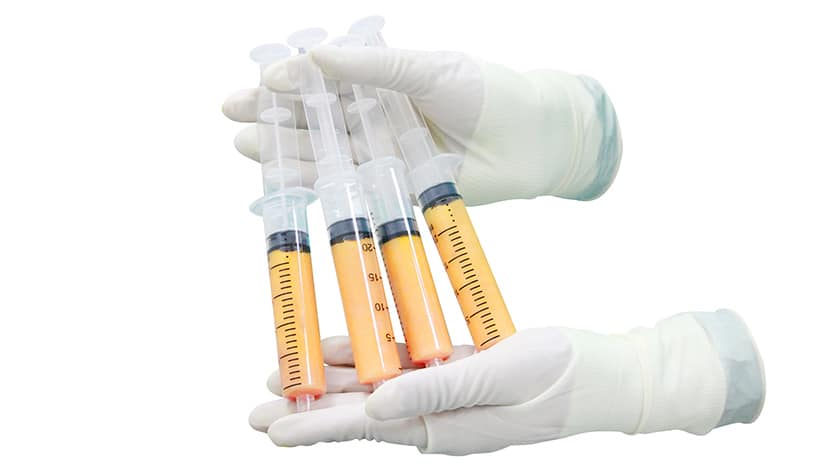
Planning maps donor zones, incision sites, cannula routes, and the order of harvest and reinjection to minimize tissue trauma and maintain operation time in safe and efficient ranges.
Harvesting Technology
Contemporary liposuction devices such as power-assisted liposuction (PAL), ultrasound-assisted liposuction (UAL), and microcannula systems are utilized in the process. PAL utilizes a mechanized oscillating tip which facilitates passage through adipose, minimizing surgeon fatigue and enabling finer, more exact work.
UAL uses ultrasonic energy to loosen dense fat for easier extraction. Several surgeons prefer 2 to 3 millimeter cannulas to minimize trauma. Smaller cannulas assist in keeping cell damage minimal and enhance graft survival.
Gentle harvesting matters: rough or forceful suction can kill a large proportion of fat cells. Reports show up to 90% loss with brutal technique. Slow, low-pressure aspiration with tiny cannulas preserves viability.
Cutting-edge systems allow the team to extract fat layer by layer, which aids in maintaining a smooth contour and averting indentations. Technology influences the purity of the harvested fat. Closed circuit systems with gentle transfer reduce blood and fluid contamination, leaving the graft cleaner and easier to process.
Sophisticated devices allow precise extraction from several donor areas: abdomen, flanks, lower back, and thighs. This means no one zone is over-mined. That consistency in volume extraction avoids contour deformities and promotes smooth healing.
Surgeon Expertise
A board certified plastic surgeon with dedicated BBL experience impacts results more than any one piece of equipment. Seasoned surgeons tailor donor selection to patient anatomy, selecting areas that supply adequate fat without compromising overall shape.
They utilize liposuction blueprints, which are precise plans indicating incision locations and suction depth, to navigate extraction and maintain inconspicuous scar placement.
Regular surgeries last 5 to 8 hours. A useful rule is 2 to 3 hours for liposuction of 3 areas and 2 to 3 hours for fat reinjection. Hurrying can result in more necrosis and poorer shapes.
Experienced teams do mild fat processing, low-speed centrifugation or filtration, and careful layering on top of the muscle during injection to reduce risk.
Postoperative care ties to surgical choices: limiting pressure on donor sites, resting flat for two weeks, and using specialty pillows all support graft take and donor healing.
Opt for a surgeon that records their approach and can show you step-by-step diagrams or guides of their exact harvest and transfer sequence.
Untapped Potential
Even recipients that look thin in typical donor areas can have untapped potential for a fuller buttock with strategic donor-site planning. Good donor fat is central because it permits larger, safer transfers and a more complete body reshaping. General health, constitution, and a good dose of reality dictate how much of that potential can be accessed.
Medical conditions that inhibit healing or fat viability decrease candidacy. Final results develop over 3 to 6 months and frequently demonstrate how much change is really possible.
Secondary Areas
Arms, calves, knees, and upper back can be alternative donor sites for certain patients when abdomen, flanks, and thighs do not have enough fat. Arm fat and knee fat frequently deliver lean, fibrous slabs that can contribute patches of small but significant volume to the graft reservoir.
Evaluation has to assess both the quantity of fat and the quality of skin as loose skin can restrict lipoaspiration or necessitate add-on procedures. Harvesting from these zones can spread contouring around the body so the final proportion appears balanced instead of centered solely on the torso.
Surgeons mix fat from several small areas to create smooth grafts and enhance contour without over-harvesting at any one locale.
Bullet list — less common donor areas that may provide additional fat:
- Posterior upper arms
- Medial calves and distal shin area
- Suprapatellar (just above the knee)
- Upper back between the scapulae
- Anterior abdominal roll in very lean patients
- Subscapular/lateral chest wall in some body types
Revision Considerations
Revision BBLs frequently require new donor options as previous liposuction diminishes the fat supply and disrupts the tissue planes. Scar tissue tethers fat and decreases harvest yield. Strategic dissection and altered suction settings assist.
Surgeons must strategize residual fat stores, scoping for pockets that were missed or spared during past efforts. This map directs method selection and estimates how much volume may be transplanted securely.
Fat processing must be cautious. Damaged fat cells from prior procedures need gentle handling to maximize survival after transfer. Centrifuge or filter steps are modified to discard debris and retain viable cells.
Phased touch-ups are frequent. Attempting to do too much at once risks a bad graft take and wonky contour. Smaller, staged transfers can achieve more total potential with safer results.
Future Outlook
New approaches to graft optimization exit research lab. Less traumatic harvesting and advanced processing ought to open up usable donor sites over time.
Research into personalized donor-site selection might use anatomy, genetics, and imaging to predict where fat will be most viable. New devices and biologic adjuncts may improve graft take, rendering staged or large-volume transfers more reliable.
Post-Procedure Care
Post-procedure care affects donor site healing and fat graft survival after a BBL. The right post care helps minimize bruising, swelling, and complications at harvest sites, leading to an overall better long-term aesthetic result. Here are some specific care components to follow and why they are important.
Donor Site Recovery
Control swelling and bruising with cold packs for 48 to 72 hours, then warm compresses as directed. Anticipate soreness for a few days. Over-the-counter painkillers and your prescribed meds provide assistance.
Watch for worsening pain, redness, or foul drainage because these could indicate infection. Compression garments are key. Wear them as instructed to minimize fluid accumulation, contour donor sites and alleviate pain.
Garments reduce the risk of persistent edema and aid skin retraction in a smooth manner. Change or launder clothing as directed by your clinic to prevent skin irritation. Refrain from heavy lifting and strenuous exercise for a minimum of two to four weeks.
Rest and brief walks increase circulation without strain on incision sites. Typical timelines: most patients return to light activities in 10 to 14 days. Full exercise resumes only with surgeon approval, frequently six to eight weeks. Good healthy healing is characterized by consistent reduction in swelling, diminishing bruises, and closed, non-draining incisions.
Graft Survival
Gentle treatment of harvested fat and meticulous processing in the OR increase fat cell survival. Surgeons who are conservative with the trauma to fat and use appropriate centrifugation or filtering have better take rates.
Keep your weight and nutrition steady. Rapid weight fluctuation can alter graft size. Maintaining consistent body mass allows for more control over expected outcomes. Consume protein-heavy meals and hydrate to support cell repair and mitigate infection risks.
Do not sit directly on your buttocks for a minimum of 2 to 3 weeks. When sitting is unavoidable, leverage a BBL pillow to offload pressure and safeguard newly transplanted fat. Pressure diminishes blood flow to grafted cells and can decrease survival.
Oxygen delivery is important. Do not smoke or use nicotine products before or after surgery as they constrict blood vessels and limit blood flow to the donor and recipient sites, damaging graft survival and impeding healing.
Long-Term Maintenance
Eat a well-balanced diet with healthy fats, lean proteins and complex carbohydrates to maintain tissue health and a consistent weight. Drink plenty of fluids because fluids help your metabolism and aid recovery.
Experience body weight fluctuations to keep your results. He explains that large weight swings alter the volume and shape of the buttocks. Exercise, including consistent activity and resistance work such as squats and focused classes, sculpts gluteal muscle to develop and sculpt shape while steering clear of direct imprints on grafted fat in the early post-operative period.
Keep it up with the skin care and hydration to keep tissue elastic. Make all your recommended follow-up visits so the surgeon can monitor healing, modify care and nip issues in the bud.
Conclusion
Best donor areas for a bbl. The right donor area sculpts your result and your recovery. Prefer the lower back and flanks for fat that remains healthy and fills well. Utilize the stomach and inner thighs when they have adequate fat and skin elasticity. Tailor donor selection to body shape, objectives, and surgeon expertise. Anticipate a couple of weeks of swelling and minor restrictions on mobility. Schedule for compression, light walks, and follow-up checks to keep healing on point. Choose a surgeon who shares actual case photos, discusses risks, and provides a well-defined plan for curves and scars. For your own next step, schedule a consultation, bring pictures of your aspirations, and inquire about anticipated harvest volume and longevity of results.
Frequently Asked Questions
What are the most common donor areas for a BBL?
The most frequent donor areas are the lower back, abdomen, flanks (love handles), and thighs. These regions tend to have sufficient fat for transfer and contour the derriere organically when liposuction and grafting are combined.
How do surgeons choose the best donor site for me?
They consider your fat distribution, skin quality, body shape, as well as your goals. They take into account medical history and reasonable expectations to choose locations that yield safe, usable fat and the optimal contouring result.
Can I have a BBL if I have low body fat?
Yes, you might be restricted. Low fat means low graft volume. Surgeons can suggest alternatives such as staged procedures, fat expansion techniques, and implants depending on goals and safety.
Does donor site choice affect recovery time?
Yes. Larger or more than one donor site can increase bruising and soreness, prolonging recovery. Typically, recovery is the same if just one area is treated. Talk to your surgeon about anticipated downtime to get specific advice.
Are there risks tied to specific donor areas?
Risks are similar across donor sites: contour irregularities, numbness, infection, and fluid collection. Each has its own special considerations, like deeper tissue injury risk in the abdomen or nerve sensitivity in the thighs.
How much fat can be safely harvested from donor areas?
Safe harvest is based on your body and surgeon technique. Surgeons respect boundaries to prevent issues. Prepare for blunt calculations in consultation according to your physique and safety standards.
Can donor site shaping improve overall results?
Yes. Smart lipo at donor sites accentuates waist, back, or thigh contours. This provides contrast that enhances buttock projection and overall body balance when done by a skilled surgeon.