
Key Takeaways
- Non-invasive contouring through cryolipolysis, radiofrequency, laser, and focused ultrasound provides fat reduction or skin tightening with low downtime and less physical risk than surgery. Compare technologies by mechanism, common body areas treated, number of sessions, and downtime prior to making a decision.
- Clinical research suggests body contouring can reduce anxiety for certain patients, primarily by increasing body image and self-esteem. They measure outcomes with validated scales and report pre- and post-treatment scores for transparency.
- Psychological and demographic moderators such as baseline body dissatisfaction, personality traits, age, and cultural background all strongly influence who reaps psychological benefits. Screen patients for mental health, expectations, and risk factors ahead of treatment.
- Expectation management and informed consent are crucial as placebo effects and unrealistic goals can influence perceived advantages. Offer frank counseling, establish realistic timelines, and employ checklists to reduce dismay.
- Data is conflicting and usually limited by study design and follow-up duration. Therefore, emphasize randomized controlled trials, blinded evaluations, and long-term monitoring to conclude lasting anxiety reduction.
- For clinical practice and future research, prioritize standardized anxiety and body image measures, monitor neurobiological and behavioral mediators, and provide diverse long-term outcomes to inform personalized treatment and safer patient selection.
Body contouring and anxiety reduction clinical research focuses on tracking anxiety shifts using standard scales. Researchers utilize sample sizes and follow-ups to determine whether the results are short or long term.
The findings from this research show mixed outcomes based on several factors, including procedure type, patient age, and initial mental health status.
These results are crucial as they inform practitioners about care protocols, ensuring that they can provide informed consent to patients. Additionally, the insights gained can help in identifying complementary therapies that facilitate both physical and mental healing.
Contouring Techniques
Non-surgical and surgical contouring options lie on a continuum of invasiveness, recovery, and downtime. Non-surgical alternatives such as cryolipolysis, radiofrequency, laser, and ultrasound typically need one session of 30 to 60 minutes, with minimal downtime. These options allow patients to return to their daily routine immediately. In contrast, surgeries can last hours, include preoperative skin marking, necessitate a driver to take you home, and demand additional downtime.
Each non-invasive technique addresses fat removal or skin tightening via a different physical mechanism, so putting them head to head aids in selection.
Cryolipolysis
Cryolipolysis utilizes controlled cooling to freeze fat cells under the skin so they break down and are cleared by regular metabolic processes. It is effective for pockets of fat because it requires no incisions and is low risk in comparison to surgery. Common treatment areas include the abdomen, thighs, and flanks, and a single session typically lasts 30 to 60 minutes.
Results are incremental, occurring over several weeks to months as the body digests the damaged cells. Multiple sessions may be suggested for increased transformation.
Radiofrequency
Radiofrequency (RF) uses electromagnetic energy to generate heat in tissue, encouraging new collagen formation and can help melt small pockets of fat. This gives dual benefits: skin tightening and modest body shaping. RF suits mild to moderate skin laxity rather than sagging.
Several treatments are usually required for optimal results, and clinicians will space sessions over weeks to allow collagen to remodel. Risk is minimal, although clinicians watch skin temperature to prevent burns.
Laser Therapy
Targeted laser energy liquefies fat cells below the skin’s surface while frequently enhancing surface texture. It’s frequently selected for petite, persistent pockets that resist diet and exercise. Sessions are short and can be enhanced by other methods.
Safety goggles, cooling devices, and meticulous energy parameters prevent burn or hyperpigmentation. Some lasers promote collagen, leaving skin smoother as fat disappears. Results build over weeks, and repeat treatments vary based on objectives.
Ultrasound
Targeted ultrasound waves physically disrupt fat cells without incising the skin. Typical areas are the stomach and flanks, and sessions last approximately 30 to 60 minutes. A noticeable difference typically occurs within a couple of treatments and a few weeks as your body clears out cell debris.
Technician skill matters: correct targeting, energy levels, and patient selection drive safety and effect. In contrast to surgery, ultrasound has minimal downtime but less dramatic immediate change.
Check techniques against each other in a table for an easy side by side comparison before selecting a plan.
The Anxiety Link
Body contouring may influence psychological well-being through multiple interrelated mechanisms. Clinical reports and trials display noticeable and clinically significant decreases in anxiety and depression after procedures. These shifts seem to stem from both psychological and biological sources. Here are targeted routes and concrete methods to observe and investigate them.
1. Body Image Mediation
Enhanced body image is a central conduit between sculpting and tension alleviation. As patients experience anticipated transformations, their internal perception of attractiveness tends to change as well, which can reduce appearance-based concern and shunning.
How you perceive physical change frames your daily interactions. Feeling more comfortable with your appearance can ease social anxiety and public self-consciousness. By tracking body image with validated scales before and after treatment, we help make this link evident.
For instance, give a Body Image Scale at baseline and three and six months to track trends and correlate with reductions in social avoidance.
2. Self-Esteem Correlation
Heightened self-esteem usually accompanies good contouring and connects intimately to reduced anxiety. Elevated self-esteem can buffer stress and ambiguous social circumstances.
Not everyone receives such a boost; changes vary according to pre-op expectations, social support, and baseline mental health. List modifiable factors that strengthen the self-esteem–anxiety tie: clear counseling, realistic outcome images, incremental goal setting like daily walks or dietary steps, and structured follow-up.
Studies say roughly 70% of patients exhibit massive self-esteem increases within six months, which corresponds with observed reductions in anxiety metrics.
3. Neurobiological Pathways
Contour of the body could affect brain circuits associated with reward and stress. Recent neuroimaging work indicates changed neural responses in areas like the ventral striatum and prefrontal cortex following perceived self-improvement.
Hormonal shifts can occur as well, with certain research observing reduced cortisol or stress markers following the act. Summarize mechanisms concisely in a table: region, expected change, evidence.
Such a table helps connect subjective score drops with plausible brain and endocrine changes, reinforcing causal pathways and not just association.
4. Placebo and Expectation
Patient expectations shape reported outcomes strongly. Placebo effects can explain part of the anxiety reduction, especially when counseling and attention increase.
To manage this, provide realistic counseling and set measurable goals. In trials, minimize bias by using blinded outcome assessors, standardized scripts, and control groups with non-therapeutic visits.
Recording expectation levels before surgery allows adjustment in analyses.
5. Quantifiable Metrics
Use validated tools: GAD-7 for generalized anxiety (0 to 21), Beck Anxiety Inventory, and Body Image Scale. Display pre- and post-treatment scores in comparison charts, and conduct logistic regression to predict the likelihood of low risk.
Previous work demonstrates that post-surgery odds are almost three times higher to be classified as low risk for anxiety or depression. One study saw depressive symptoms reduce from 39.5 percent pre-op to 2.3 percent post-op.
Report quality-of-life gains as well as symptom scales.
Clinical Evidence
Clinical evidence for body contouring and anxiety relief has expanded, spanning small case series to larger controlled trials. The specialty now measures technical data, perioperative management, and mental health. Research frequently cites procedure length—individual sessions generally run 30 to 60 minutes, but a handful of treatments, particularly combo or surgical, can range from 45 minutes to a few hours.
Pre-op steps—meeting with the surgeon, marking the skin, positioning on the table, and safety checks with nursing and anesthesia personnel—are commonly documented given their impact on patient comfort and risk, factors that can impact anxiety outcomes. The majority of patients are discharged home on the day of surgery. In surgical cases, a caregiver is recommended to drive and spend the first night.
Study Designs
Randomized controlled trials (RCTs), cohort studies, and case series are the most common. RCTs provide the most robust causal inference by randomly assigning treatment. Cohort studies track treated and untreated groups forward in time and can demonstrate associations. Case series describe effects in one group without controls.
While RCTs minimize selection bias, they are expensive and difficult to blind when surgical care or visible modifications are necessary. Cohort studies are easier and let scientists observe actual practice and contain longer follow-up, but they’re vulnerable to confounding. Case series are valuable for early signals and characterizing safety events.
Case series lack control groups, so treatment effect isolation is limited. Control groups are important in this context because body image and anxiety can change simply with time or attention from staff or a placebo effect. Blinding and randomization minimize bias. In body contouring, sham procedures or objective outcomes, such as validated anxiety scales and blinded photo evaluation, improve validity.
Key Findings
Clinical Evidence — Research shows mixed but on the whole positive psychological results post-contouring. Some studies demonstrate decreased anxiety and better body image scores as early as weeks to months post treatment. A few trials note statistically significant reductions in general anxiety scales and social anxiety metrics.
Not all clinical evidence agrees. Small sample sizes, short follow-up, and heterogenous outcome measures foster inconsistency. In certain patients, they either receive no benefit or an ephemeral benefit that dissipates. Safety and perioperative care associate with improved psychological outcomes.
We have found that clear pre-op counseling, realistic expectations, and proper post-op support link to lower anxiety.
- Significant reductions in anxiety reported in multiple controlled studies.
- Improved body image consistently associated with contouring procedures.
- Heterogeneity in measures and short follow-up preclude strong conclusions.
- Safety procedures, such as signing, site marking, and time-outs, lead to patient confidence and lower pre-operative stress.
Longitudinal Data
Follow-up in the long term is especially important to determine if benefits are durable. A number of cohort studies follow patients for 6 to 24 months and demonstrate early improvements in anxiety and satisfaction that plateau or gradually diminish. A few patients describe relapse of anxiety at one year, frequently linked to unachieved expectations or later life events.
Some other studies find stable improvement at multi-year follow-up, especially when paired with counseling or lifestyle support. Summarizing clinical evidence in a timeline chart illustrates the onset of effect, duration of maximum benefit, and any decline. The suggested procedure is regular follow-up at fixed intervals to identify these patterns.
Moderating Factors
Moderating factors delineate for whom and to what extent and under which circumstances body contouring reduces anxiety. Take personality, demographic context, and baseline dissatisfaction along with study constraints and complementary behaviors into account when reading results and managing treatment.
Psychological Profiles
Perfectionism, high self-criticism and body dysmorphic disorder alter the way patients view results. These personality characteristics frequently foreshadow lower satisfaction and can perpetuate or exacerbate this anxiety despite measurable improvement in skin laxity or circumference.
Screening tools for mood, body image distress, and eating disorder symptoms lower the risk of bad outcomes. Important moderating factors to consider are score on a body image dissatisfaction scale, clinically significant obsessive checking, recent major depressive episodes, and unrealistic expectations about treatment boundaries.
Examples: a patient with mild depressive symptoms and moderate perfectionism may feel noticeably less anxious after a 3.95 cm abdominal reduction from ultrasound cavitation; a patient with untreated body dysmorphia may remain distressed despite combined RF and cavitation yielding a 9.51 cm reduction.
Suggest pre-treatment psychological readiness checks and referral mechanisms for high-risk groups.
Demographic Variables
Age, gender, and cultural background influence both the perception of change and the magnitude of psychological benefit. Younger patients often report larger short-term psychological shifts, perhaps due to social visibility and identity factors.
Men and women may weigh body contouring outcomes differently depending on cultural norms about aesthetics. Cross-cultural differences affect baseline anxiety and the meaning placed on body shape, so outcomes vary across groups.
Studies often lack diverse samples and sometimes do not blind assessors, limiting generalizability. Present demographic trends in a summary table showing age group, gender, cultural context, average circumference change, and reported anxiety reduction to clarify patterns.
For example, in many cohorts, younger adults show quicker anxiety reduction, while older adults may report durable improvements tied to skin laxity gains.
Initial Body Dissatisfaction
As a moderating factor, greater baseline distress tends to indicate more substantial anxiety relief following intervention. This is conditional. When expectations align with probable results, like a 50% improvement in cellulite appearance or 90% experiencing skin laxity benefits, satisfaction increases.
Unrealistic expectations of total shape change or results lasting forever can detract from advantage. Slight fat rebound of 0.31 inches, averaged across sites, over a 2-week period must be addressed.
Follow early dissatisfaction with tested scales to anticipate reaction and customize counseling. Integrating a calorie-restricted diet to non-invasive treatments usually optimizes outcomes, with an average waist reduction of 3.5 cm, and should be included in the management strategy of individuals with high baseline concern.
Risks and Realities
Non-invasive body contouring can have specific physical and psychological risks. Clinical studies demonstrate mixed results in anxiety reduction. Here are the basic things doctors and patients should consider before moving forward.
Physical Considerations
Typical short-term side effects are redness, bruising, swelling, pain or discomfort, and skin discoloration. Most of these subside without treatment within days to weeks. Numbness can linger for a few weeks, and we occasionally see patients develop nodules, which are little temporary lumps in the fat that require observation.
There is a low probability of serious damages such as freeze burns from cryolipolysis, nerve injury with transient anesthesia, and chronic skin damage. Some populations are at increased risk. Individuals with clotting or bleeding disorders, such as hemophilia, have elevated complication rates.
Anyone on isotretinoin, also known as Accutane, or within six months of stopping should avoid many energy-based treatments due to poor wound healing and scarring risk. People with cold sensitivity, such as Raynaud’s disease, pernio, or chilblains are especially at risk when freezing fat.
Sun exposure or recent tanning within two weeks post-treatment increases the likelihood of side skin effects. Device settings and operator expertise are important. Good device management and experienced providers lessen the risk of freeze burns, irregular contouring, and extended numbness.
Fat liberated from injured fat cells is sloughed slowly by the immune system, generally over the course of two to three months, so visual transformation is incremental. Outcomes can be fleeting. Multiple sessions are typical to achieve targets.
They should advise patients to be on the lookout for negative reactions post-treatment and establish a definitive follow-up care plan. Early reporting of unusual swelling, severe pain, or signs of infection limits more serious outcomes.
Psychological Pitfalls
Let down is inevitable when expectations are out of sync with probable experiences. Anxiety might ease for some, but not all patients find relief from anxiety post-contouring; some continue to suffer from or may even develop new body image distress.
Done repeatedly, the same procedure can create an addiction in which surface transformations are used to manage underlying emotional pain. For one, screening for underlying mental health conditions counts. Undiagnosed body dysmorphic disorder, eating disorders or major depression frequently portend poor satisfaction and can even be exacerbated by cosmetic intervention.
Providers ought to inquire as to motives, prior mental health history and prior cosmetic procedures to identify risk of serial attempts.
Managing Expectations
Transparent conversations around what is realistically achievable are key. Set realistic timelines: gradual change over weeks to months, and multiple treatments may be required. Cover benefits and constraints up front, including that some impacts are short term.
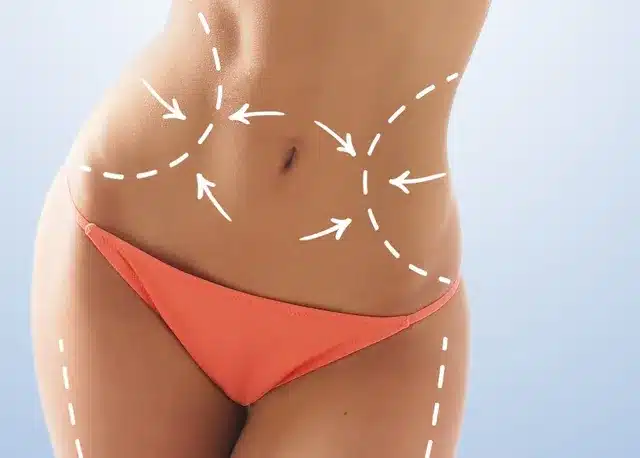
A simple checklist during consultation aids clarity: medical history (bleeding disorders, isotretinoin use, cold-sensitivity), realistic goals, expected timeline, possible side effects, and follow-up plan. Photograph and clinical studies show you what average results look like.
The Embodiment Effect
The embodiment effect is how our bodily experiences and sensations shape the way we think and feel. Bodily posture, touch, and perceived physical change can change mood, attention, and self-judgment. Research indicates that upright posture enhances mood and decreases stress relative to slouched posture.
In one study, the Experience of Embodiment Scale (EES) grouped 269 students into high- and low-embodiment cohorts. After a negative mood induction, they completed five-minute emotion regulation tasks while seated upright or slouched, demonstrating posture influenced regulation. The effect is important across psychology, neuroscience, education, and clinical work and it arises in spontaneous body language associated with confidence or enthusiasm.
Cultural and social aspects may influence embodiment and the fascinating work by Pin-Yun Lin, Yi-Min Tien, and others is growing this literature.
Self-Care Catalyst
The Embodiment Effect Body contouring, it turns out, can be the spark for a more expansive self-care. Patients say it makes them pay more attention to their diet, sleep, and movement after seeing some physical change. This can be the start of a sustained shift: some begin structured exercise programs and consult nutritionists.
Others adopt simple habits like walking more and tracking meals. Clinic follow-ups reveal examples of increased gym attendance and healthier grocery shopping in months following procedures.
List of self-care behaviors commonly reported to improve after contouring: regular aerobic activity, resistance training, improved meal planning, better sleep hygiene, and scheduled preventive health visits. These habits preserve contouring results and promote mental health.
Agency and Control
Selecting a method can enhance felt agency. Choosing to engage in body contouring can provide individuals with a more specific feeling that they can make an impact on their lives. As we discussed in The Embodiment Effect, that sense of agency ties to reduced anxiety and improved mood in numerous studies.
More agency promotes proactive coping and goal-oriented action. Psychological benefits tied to agency include reduced anxiety symptoms, improved self-efficacy, greater motivation, better adherence to healthy habits, and enhanced social confidence.
A simple table could map each benefit to typical clinical measures: anxiety scales, self-efficacy questionnaires, behavioral adherence rates, and social functioning indices. Agency itself may not ensure enduring mental health change, but it frequently emerges as a significant mediator between the physical intervention and the psychological results.
Future Research
What are the long-term psychological outcomes after body contouring is still under-studied. Current trials frequently do not have diverse, representative samples and rarely follow patients for more than a year or two.
Studies should sample diverse populations spanning age, gender, ethnicity, and socioeconomic status and employ a mix of methodologies to capture lived experience. Research ought to evaluate emerging technologies such as 3D images, VR previsualization, and non-invasive tools and monitor their psychological effects.
By continuing to publish new cohort results and replication studies, clinicians and patients will be able to better manage expectations and customize care paths.
Conclusion
Body contouring changes the way people feel about their bodies. Clinical research indicates modest reductions in anxiety for numerous patients. They multiply when treatment combines transparent objectives, truthful therapy, and psychiatric assistance. Risks gnaw at the benefits if hopes are sky high or healing is complicated. Brief procedures such as liposuction or noninvasive fat reduction deliver a quicker return to regular life. More involved surgeries require extended post-surgery recovery and more emotional processing.
Keep results connected to concrete metrics. Mood was tracked with easy instruments, as was functioning and social comfort, all at fixed intervals after therapy. One clear example is a person who had targeted fat removal, met with a therapist, and used goal sheets. This individual saw steady anxiety drops at three and six months.
If you need assistance weighing options or planning follow up, request a short checklist or a sample mood tracker.
Frequently Asked Questions
What is the relationship between body contouring and anxiety reduction?
Studies find body contouring patients experience reduced anxiety. Enhancements tend to be associated with body image and confidence, not a direct clinical intervention for anxiety.
Which contouring procedures show the most evidence for anxiety reduction?
Most of the evidence is from invasive procedures such as liposuction and abdominoplasty. Non-surgical options have less quality research and vary by study design and patient population.
How strong is the clinical evidence supporting mental health benefits?
Evidence is mixed and frequently of low to moderate quality. Most studies are self-reported and lack long-term follow-up. We need more randomized controlled trials before we can say for sure.
Who benefits most from anxiety reduction after contouring?
Individuals with body distress or specific appearance-related worries usually describe the greatest gains. Those with untreated mental health conditions may have less benefit without concurrent psychological care.
Are results long-lasting for anxiety reduction after contouring?
Other body contouring and anxiety reduction clinical research is impressive and exciting. It’s not clear how long it will last because that depends on many things, including expectations, lifestyle, and psychological support.
What risks might offset anxiety benefits from body contouring?
Surgical risks, scarring, complications, and unmet expectations can be a source of added distress. Adequate pre-screening, realistic counseling, and post-op care minimize those dangers.
Should body contouring be used as a treatment for clinical anxiety?
Body contouring is not a replacement for clinically proven anti-anxiety treatments. Think of it as one piece of a larger strategy involving psychological evaluation and intervention.