Key Takeaways
- Getting to know your body proportions is vital in helping you make confident and informed fashion decisions, particularly if you have a top heavy shape.
- Styling tips on how to visually body contour for top heavy looks in clothing.
- From shapewear and targeted exercise to non-surgical and surgical options, body contouring offers multiple solutions for a more proportionate figure.
- By trying out different fabrics, colors, patterns, and accessories, you can find the perfect look that flatters your body while giving you a balanced look that is still in line with your preferences.
- Beautifully beheld is the body that stands with practice in the habit of good posture and alignment.
- Steer clear of styling blunders, like loose and baggy clothing and heavy fabrics that weigh you down. Keep a top heavy frame sleek.
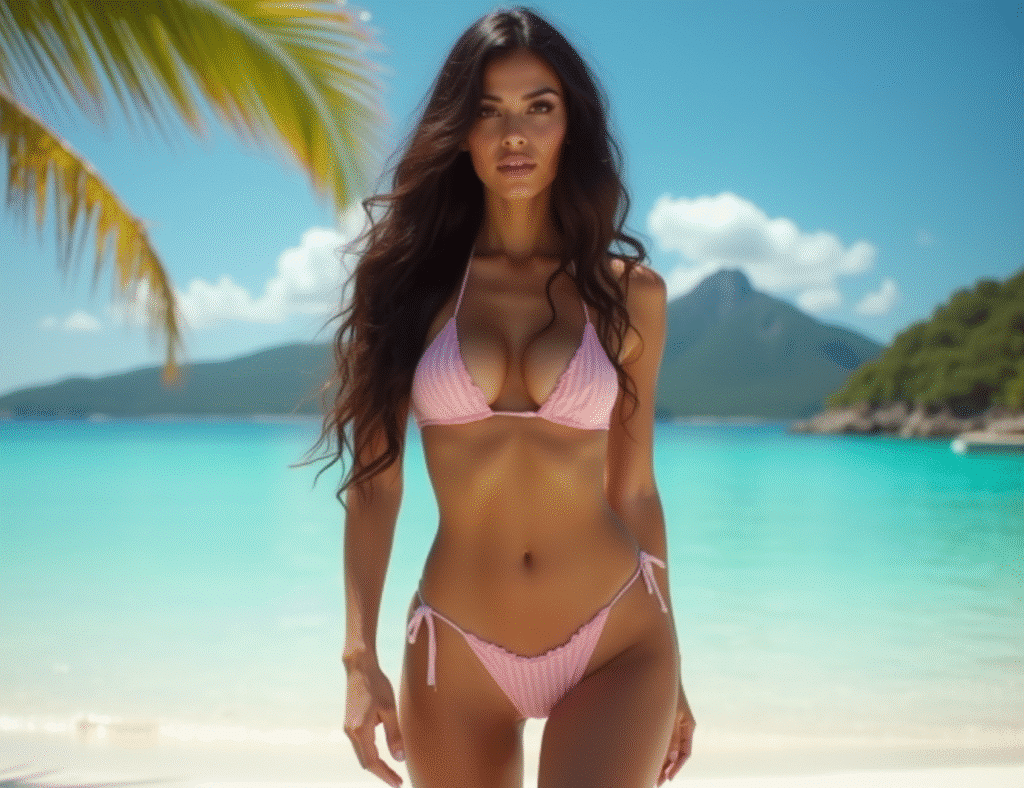
Body contouring for top heavy clothes is all about balance. This involves using styling tips, fit tricks, and sometimes cosmetic means to balance your upper and lower body.
Many individuals desire a more balanced physique so that everything they wear, including shirts and jackets, fits better and feels more comfortable. Common favorites include selecting specific necklines, structured fabrics, or targeted workouts.
To discover what works best, it’s helpful to identify your body type and which choices suit your style and everyday demands.
Understanding Proportions
A top-heavy frame indicates that your upper body, in most cases your shoulders and bust, are heavier than your hips. This shape is occasionally referred to as the inverted triangle or strawberry, and it impacts both fit and style of clothing. By catching the proportions of your body, you can select pieces that balance your overall appearance.
By becoming conscious of these distinctions, anyone can select the options that feel and look right — regardless of their form.
The Top-Heavy Frame
A top-heavy shape tends to have shoulders that are wider, a generous bust, and slimmer hips. Sometimes, the variance is a size or two in the top and bottom half. The classic inverted triangle is where the bust is significantly wider than the hips.
Others may discover their shape aligns more with the strawberry outline, where the top is full and round but still more prominent than the bottom. These shapes do have a broad spectrum of variation and not all top-heavy bodies look alike.
Some have a defined waist, while others find that their waist disappears into their bust. Knowing your bust, waist, and hips measurements helps you understand your body type. For a top-heavy individual, the bust is typically the largest measurement.
Embracing your natural shape is what personal style is all about. Knowing your frame gives you confidence when choosing clothes. When you choose to not hide but to balance features, you allow yourself to shine and stand out for all the right reasons.
Fast fashion top-heavy shapes clothing fit. Tops could be snug and pants or skirts could be floppy. Structured bodices, ruffles at the neckline, and smart accessories such as a brooch underneath the collarbone can redirect attention and give you a balanced line.
The Goal of Balance
The key is defining a more balanced silhouette. This could translate into choosing bottoms that provide a touch of width, such as bootcut or straight-leg jeans, rather than form-fitting. Princess cut dresses aid in balancing a full bust with a skirt that brings volume to the hips.
Balance in dressing isn’t just a matter of aesthetics; it’s about comfort. When clothes feel right, they give you confidence and make the mundane easier.
Strategic dressing shifts the emphasis from the bust to other attributes. Wearing details, colors, or accessories lower down the body can assist. Small things, like the position of a brooch or the shape of your dress, go a long way.
An in-proportion silhouette can result in a boosted ego and improved body image. Your mood immediately lifts when your clothes flatter your figure and you feel comfortable in any environment.
Body Contouring Techniques
Body contouring for a top-heavy look in clothes has become popular globally as individuals desire to look comfortable in their attire. From non-invasive to surgical options, there are choices aplenty, all with their own advantages.
As the worldwide body contouring market, anticipated to be worth USD 14.6 billion by 2033, continues to expand, individuals are increasingly seeking methods to sculpt their bodies for a balanced physique. Here’s a brief rundown of the most common body contouring options:
- Shapewear solutions
- Targeted exercise
- Non-surgical techniques (e.g., CoolSculpting, laser treatments)
- Surgical procedures (e.g., breast reduction, tummy tuck, liposuction)
Body contouring helps create a more balanced appearance by sculpting curves or minimizing volume where they exist. Not everyone requires the same thing. What works for one individual will not necessarily work for another.
So it’s wise to choose a technique that best suits your body type, objectives, and taste. The right option can mean better fitting clothes, increased confidence, and a shape that just feels like you.
1. Shapewear Solutions
Shapewear ranges from high-compression bodysuits to lighter camisoles. It’s designed to smooth lines, flatten bulges, and support the body for a tidier appearance. Certain brands have pieces with reinforced panels under the bust or around the waist for additional sculpting.
Breathable fabric and flat seams lead to long term comfort. Silicone grips secure shapewear, preventing it from rolling or bunching. Quality shapewear shouldn’t cut into your skin or hurt.
Fit is very important; you want support without restriction. Shapewear can help tops fit better and keep dresses from sticking where they shouldn’t. It’s worth testing a few varieties, including shaping tanks, control briefs, and bust-minimizing bras, to discover what fits your shape best.
2. Targeted Exercise
Upper body exercises like push-ups, chest presses, and rowing work well for toning the muscles around the shoulders and chest. Incorporating back exercises, such as lat pulldowns, can enhance posture and even out the aesthetic between upper and lower body.
Exercise keeps muscles toned and can reduce fat in the long term. Posture correction can help to make the upper body look less pronounced. Little achievable goals keep the motivation up.
Even the simplest of routines can make you feel more confident and make your clothes fit better.
3. Non-Surgical Options
CoolSculpting and laser body contouring are favorites as non-invasive options. These utilize cold or heat to destroy fat cells in targeted areas with no incisions or downtime. Non-invasive devices accounted for 77.5% in 2023, reflecting a distinct global preference.
The majority of patients notice improvements in a few sessions, with research indicating an 89% happiness rate. Non-surgical options are ideal for individuals seeking minimal enhancements or preferring to steer clear of surgery.
As technology advances, these procedures become safer and more efficient. Testing different devices or clinics can go a long way in finding the right fit.
4. Surgical Procedures
Body contouring surgery includes breast reduction, tummy tucks, and liposuction. Liposuction in particular provides accuracy for dramatic transformations. These options are a good fit for individuals desiring transformative sculpting that non-invasive alternatives lack.
Each procedure comes with dangers such as infection or asymmetrical results. Experienced plastic surgeons customize strategies for every individual, taking into account wellness and objectives.
Research and face-to-face consultations are essential prior to any surgical procedure.
Strategic Wardrobe
Selecting the right clothing styles is crucial to defining a top-heavy figure in everyday life. A strategic wardrobe can alter body lines, even out proportions and help increase self-confidence. There’s no substitute for experimentation — trying on as many styles as possible — as the best method to find what fits your body and personal style.
Fit and comfort should always come first, particularly for everyday wear.
Necklines
Necklines direct where people look. V-neck and scoop necklines lengthen the torso and slim the upper body, balancing the bust with the rest of the frame. Surplice and wrap tops employ angled lines, which draw the eye down and away from the bust, making them savvy selections for a top-heavy frame.
High necklines, such as turtlenecks or crew necks, can add bulk to the chest and make the upper half appear broader, so they’re usually not an ideal fit. Experiment with necklines and find what works best for you in terms of comfort and aesthetics.
Accessorize with subtle detail, for example, a brooch an inch or two below the collarbone to distract from the bust line.
Silhouettes
Some dress shapes work better than others for top-heavy bodies. A-line and princess cut dresses provide a nice gentle flare to the lower half, which brings your bust into balance. Empire styles pull focus upward while skimming the stomach.
Tailored fits, like jackets or shirts that nip in at the waist, mold the body and provide a clean aesthetic. Tops typically run a size or two larger than bottoms, so focus on the fit at the shoulders and bust without sacrificing shape in other places.
Bootcut or straight-leg jeans and trousers add horizontal width to the hips and legs and thereby balance the figure. To hit that sweet spot between comfort and proportion, pair form-fitting tops with relaxed bottoms.
Fabrics
Fabric selection alters the drape of garments on a frame. Light, breathable fabrics such as cotton or modal make clothes flow nicely over curves. These selections maintain the look soft and sleek.
Stiff or thick material, like heavy denim or bulky knits, will add unnecessary bulk and make the upper body appear larger. Mixing textures, such as sleek tops with gentle ribbed skirts, can go a long way to locate what works for each individual.
It’s about strategic wardrobe—finding fabrics that glorify your curves but don’t glorify your bust.
Colors & Patterns
Color and pattern placement can sculpt how the body appears. Darker colors on top like navy or charcoal can minimize the bust, while lighter colors on the bottom pull the eye down and accentuate the hips.
Prints and patterns are fun but need to be treated sparingly. A small, simple print on top keeps things balanced. Bold or busy prints can add volume.
Experiment with stripes or vertical lines to elongate the torso. Choose your prints or colors to complement each of your upper and lower halves.
The Art of Illusion
Body sculpting clothing is about forming how the eye perceives your frame. Illusion dressing employs color, lines, layers, and accessories to direct the eye, minimize hard zones, and balance proportions. It’s not about camouflaging; it’s about minimal adjustments that allow clothes to drape more naturally and feel comfortable.
By learning a few key principles, anyone — regardless of body type — can use fashion as a mechanism for equilibrium and ease.
- Go with black or other dark hues for a slimming and uninterrupted expanse.
- Try vertical or diagonal stripes to elongate your body.
- Don’t have lines going horizontally over the widest parts of the torso.
- Try monochromatic outfits for a smooth, uninterrupted look.
- Layer with long cardigans or hip-length jackets.
- Use belts to cinch in the waist, drawing attention away from the bust.
- Try statement earrings or scarves to direct focus upward or away.
- Choose sculpted pieces that maintain shape and provide a sharp line.
- Put bold patterns below to offset upper volume.
- Keep confidence central—it changes how any style is perceived.
Accessorizing
Accessories can redirect the spotlight and impart polish. Statement earrings or bold necklaces can pull the eye up, off the bust, helping to create a more balanced appearance. Lightweight scarves do the same with an added pop of color.
Belts worn at the natural waist break up the torso and provide a defined middle. Picking out some jewelry that suits you! A chunky bracelet or a bright bag at the hip can shift focus lower, balancing a heavy top half.
Blend and combine until you find what works easily and authentically.
Layering
Layering brings depth and intrigue to any outfit, providing more control over silhouette. Clear layers like light cardigans or vests help create shape without bulk. A duster blazer or open-front jacket that skims over the bust pulls the eye up and down and toward your waist.
Experiment combining short and long layers. Let a cropped shirt peek out from underneath an elongated vest or a loosely wrapped scarf over your fitted tee. The right combo can whittle down the torso and bring the scales into visual balance.
Creating Lines
Lines direct the gaze and contour the body to be interpreted. Vertical lines from seams or stripes elongate the body and make it appear leaner. Diagonal lines, like in a wrap dress, can balance broad shoulders.
Horizontal lines are a little trickier and should be used carefully because they can widen. Tailored pieces, such as blazers with strong shoulders or fitted cardigans, assist in forming clean lines.
Styled jackets hold their form and balance out curves, particularly when combined with straight-leg pants or pencil skirts. Where patterns are positioned is important—a vertical stripe on a skirt or trousers draws the eye down, while plain tops even things out.
Posture’s Impact
Posture defines the body’s appearance and sensation, particularly for those of us with top-heavy physiques. Posture can make a difference in the fit of your clothes, the balance of your body and even your confidence. We all know good posture: spine aligned, shoulders back, core engaged.
When your body aligns, it appears more balanced, which makes your clothes fall better and top-heaviness less obvious. Those who stand tall report feeling more confident and at ease in their everyday lives. Good posture helps your spine too and can make simple activities such as walking or lifting much easier.
Easy things like the stretches, walks, or mini posture workouts we’ve added to your programs reduce this by building muscle strength and helping your body stay in shape.
Alignment
Posture, or body alignment, is all about stacking the joints and spine such that the body’s weight is supported in a healthy, natural way. This is great for anyone looking to appear more balanced and smooth out a top-heavy figure. When your body is lined up correctly, your chest and shoulders do not jut forward as much, which can help your clothes hang better and prevent them from sticking in strange areas.
Even a little posture fix, such as pulling the shoulders back or tucking the chin, has the power to make a shirt or dress hang better. Since clothes hang straighter and don’t bunch up, the upper body looks less bulky. These regular practices, whether it’s a posture check or soft yoga, build body awareness and help keep your alignment in check!
Alignment makes you feel more in control of your style. When your posture is strong, you don’t have to stress about how clothes look, which can increase your confidence. This link between alignment and confidence spurs more daring and comfortable style choices, regardless of silhouette.
Confidence
Confidence is a huge factor in how clothes hang on and feel on a top-heavy frame. When you stand tall, your attitude shifts. You appear more confident, which distracts the eye from any points you may still feel insecure about. Good posture, on the other hand, isn’t just about bones and muscles; it’s about feeling right in your own skin.
Appreciating the body we have assists us in making superior clothing and style decisions. Accept yourself and you’ll make better fashion choices. Selecting good-looking, good-feeling clothes is easier if you’re comfortable in your skin. This attitude makes getting dressed less stressful.
Maintaining a good attitude and willingness to experiment can help anyone discover their own magic formula. Great posture means when you feel great on the inside, you look great on the outside, and it makes any outfit look better.
Building confidence isn’t a once-and-done affair. It swells with tiny victories, like short walks, stretching, or standing tall for a minute a day. These habits support posture and construct a sense of self-worth over time.
Common Styling Mistakes
Several top-heavy girls share the same styling troubles. Small missteps with clothes or accessories can throw the body out of whack. Knowing what to avoid and why is key for anyone hoping to look more even and confident in their outfits.
Here are some of the most common mistakes and how they impact your overall look.
- Barrel jeans or matching shoes to pants can make the lower half look wider or shorter, destroying the long vertical line that helps balance out a fuller upper body.
- Belts at or below the waist direct eyes right to the stomach, a place people like to avoid highlighting in themselves.
- Dismissing the magic of monochrome wear, particularly in black, is passing up an easy way to give yourself a slim head-to-toe long line.
- Neglecting your shoes can be an issue. Pointy toes elongate the legs, while round or chunky shoes will shorten and widen them.
- Styling faux-pas. High ponytails or updos expose the neck and draw the eye upward for a longer, leaner impression.
Being cognizant of these traps assists anyone in making wiser, more measured decisions. By making these mistakes, you learn how style can work for, not against, the body’s natural lines.
Over-Sizing
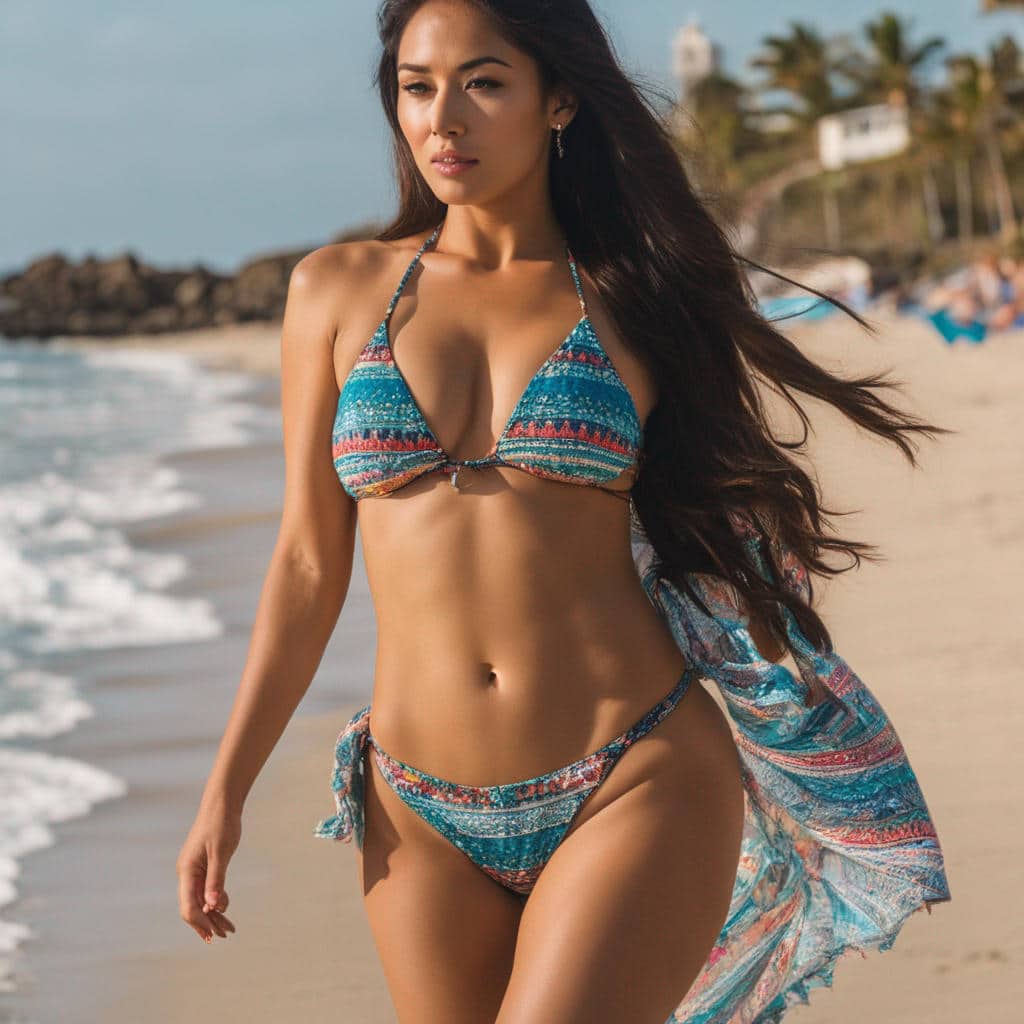
Big mistake for top heavy shapes. Oversized tops, coats, or sweaters can drown the upper body, making shoulders and chest appear larger than life. This tends to cover up the waist and give the entire body a blocky silhouette.
Loose styles are cozy, but they’re frequently off in terms of shape and balance. Instead, form fitting clothing that flows over the body can accentuate the good without making the bad look bigger. Work to discover that balance between comfort and form.
Search for fitted shirts or jackets that nip at the waist or stretch materials that shift with the body but don’t excessively cling.
High Necklines
High necklines, such as turtlenecks or crewnecks, can add to a top-heavy upper body and make it look even fuller. These styles pull the eye upward and can increase the bust while occasionally generating a boxy silhouette.
For most, this breaks the natural line of the neck and shoulders and makes the entire upper body appear shorter. Lower necklines open up the chest area and visually stretch out the neck and torso for a longer appearance, so opt for V-necks or scoop necks.
This minor adjustment can assist anyone in seeking better proportions and a more balanced appearance. It’s not to boycott all high necklines, but understanding when to trade them in for something more open can have a huge impact.
Heavy Fabrics
Heavy or stiff fabrics, such as thick wool, tweed or bulky knits, add additional mass to the upper half. These fabrics don’t fall well and can exacerbate the prominence of the bust and shoulders.
Lighter fabrics, such as cotton, silk or blends featuring a soft drape, fall beautifully over your curves and create a nice clean slim silhouette. Blends with stretch work well for comfort without the extra weight.
It’s amazing what a difference a simple substitution, like switching a bulky sweater for a light cardigan, can make on the overall look. It’s not a bad idea to experiment with a few fabric options to find what feels best and provides the most balanced fit.
Wrong Undergarments
The correct undergarments are the secret foundation of any ensemble. For the busty woman, the wrong ones can destroy the entire effect. A poorly fitting bra provides no support, so tops tend to fit badly, bunch, or gape across the bust.
Well-chosen support skims a smoothed silhouette, lifts the bust, and helps clothes hang better. One of the smartest purchases you can make is high-quality bras in the right band and cup size.
The difference this makes is easy to spot: lines are cleaner, posture often improves, and outfits look more put-together. Take the time to get fitted or try on a few styles to find the best shape and comfort.
Conclusion
Body contouring and clever style hacks can change how clothes fit and how ladies display curves. Choosing the correct lines, cuts, and fabrics can balance a top heavy look. Good posture provides more contours and makes clothes wear better. Little things, like the perfect neckline or fabric, can alter the vibe of any outfit. Tight sleeves and heavy layers that add bulk up top should be avoided. With a little knowledge, anyone can discover what works for their shape. Experiment with new styles and experience how little adjustments can alter the appearance and increase comfort.
How to Try it Ready to give it a go! Try out these tips to feel what clicks with your style.
Frequently Asked Questions
What causes a top heavy appearance in clothes?
What exactly is a top heavy look and why does it happen? Clothing fit and fabric can further highlight this disproportion.
Can body contouring help balance my proportions?
Yep, body contouring for top heavy clothes. Things like targeted exercise, non-invasive treatments or shapewear can help contour your body for a more balanced appearance.
Which wardrobe choices flatter a top heavy figure?
Make sure you wear V-neck tops, A-line skirts, and darker colors on top. They pull the eye down and balance things out, making you appear more proportionate in your clothes.
How does posture affect a top heavy appearance?
Stand tall! Good posture helps weight distribution and lengthens your silhouette. Try to stand as tall as you can, with your shoulders back. The forward slump can make a top heavy appearance in clothes even worse.
Are there body contouring treatments suitable for all skin types?
Yes, most non-invasive treatments, such as radiofrequency and ultrasound, are safe for any skin type. Be sure to speak to a professional to determine what is best and safest for you.
What are common styling mistakes for top heavy body shapes?
High neck tops, bulky fabrics up top, or skinny bottoms will only accentuate a top heavy appearance. Instead, opt for clothes that even out the two halves of your body.
How can I create the illusion of a balanced figure without surgery?
Make use of smart clothing, shapewear, and posture. Styling tricks such as vertical stripes or color-blocking are a great way to get that balanced look without going under the knife.