
Key Takeaways
- Follow Post-Op Instructions: Adhering to your surgeon’s post-operative care advice, especially after implant surgery and managing sutures, is crucial for a smooth recovery and optimal overall appearance.
- Manage Swelling and Pain: Use prescribed medications and cold compresses to control swelling and pain in the initial days after surgery, as advised by your plastic surgeon.
- Adjust Diet and Activity: Stick to a soft diet and avoid strenuous activities during the early stages of recovery from implant surgery, following the plastic surgeon’s advice, to prevent complications and maintain overall appearance.
- Monitor Progress: Regular follow-ups with your surgeon after chin augmentation surgery are essential to ensure proper healing, address concerns about sutures, and monitor implant recovery time.
- Be Patient with Results: Full results from chin augmentation may take several months to appear as swelling subsides and tissues settle during implant recovery time, as advised by your plastic surgeon.
- Prioritize Long-Term Care: Maintain a healthy lifestyle and follow your plastic surgeon’s long-term care instructions to sustain the benefits of your chin augmentation and implant recovery.
Understanding Chin Augmentation
Chin Augmentation Defined
Chin augmentation surgery enhances the chin’s shape and size. It can involve implants or a procedure called sliding genioplasty for chin augmentation surgery. Implants are silicone or other materials placed in the chin. Sliding genioplasty involves cutting and moving the chin bone forward for implant recovery.
Goals of Chin Augmentation
The primary goal is to improve facial harmony. A well-proportioned chin balances the face’s features. People with a recessed chin often seek this surgery to enhance their profile. It can make the neck look more defined.
Consulting a Qualified Surgeon
Consulting with a qualified plastic surgeon is crucial. They assess your facial structure and discuss goals. The surgeon will recommend either implants or chin augmentation surgery based on individual needs. This consultation ensures safety and satisfaction.
Recovery Process
Chin augmentation recovery varies by procedure type. Implant recovery usually takes one to two weeks. Swelling and bruising are common but subside over time. For sliding genioplasty, recovery may take longer due to bone healing in chin augmentation surgery.
Post-Surgery Care
Proper care is essential for smooth recovery:
- Follow all post-operative instructions.
- Take prescribed medications.
- Keep the head elevated to reduce swelling.
- Avoid strenuous activities for several weeks.
Recovery Timeline Overview
Initial Days
The first few days after surgery are crucial. Swelling and bruising peak during this time. Pain is usually managed with prescribed medications. Patients should rest and avoid strenuous activities.
First Week
By the end of the first week, swelling begins to decrease after chin augmentation surgery. Most patients can return to work within 7-10 days, depending on their job’s physical demands. Light activities can be resumed, but heavy lifting is still discouraged.
Two Weeks
At the two-week mark, most swelling has subsided significantly. Bruising may still be present but is usually less noticeable. Many people feel comfortable resuming normal social activities by this time.
Three Weeks
Three weeks post-surgery marks a significant milestone in the recovery process. Most patients can return to regular exercise routines and other physical activities. The chin will start to look more natural as residual swelling continues to diminish.
One Month
By one month, nearly all swelling and bruising should be gone. The final results of the chin augmentation become more apparent. Patients typically resume all pre-surgery activities without restrictions.
Factors Affecting Recovery
Recovery experiences vary widely among individuals. Factors influencing recovery times include:
- Age: Younger patients often heal faster.
- Health: Overall health impacts healing speed.
- Smoking: Smokers may experience slower recovery rates.
- Surgical Technique: Different techniques can affect implant recovery time.
Tips for Smooth Recovery
To ensure a smooth recovery process:
- Follow your surgeon’s post-operative instructions carefully.
- Keep your head elevated to reduce swelling.
- Avoid smoking and alcohol consumption.
- Stay hydrated and maintain a healthy diet rich in vitamins and minerals.
- Use cold compresses as advised by your surgeon.
Immediate Post-Op Care
First 24-48 Hours
The first 24-48 hours after chin augmentation surgery are crucial. Patients should rest and keep their head elevated. This helps reduce swelling and bruising. Use pillows to prop up the head while sleeping.
Monitoring for complications is important during this period. Check for excessive bleeding or unusual swelling around the incisions. If anything seems off, contact the surgeon immediately.
Following Instructions
Following the surgeon’s instructions is essential for a smooth recovery. Take medications as prescribed to manage pain and prevent infection. Antibiotics may be necessary to avoid infections at the incision sites.
Wound care is another critical aspect. Keep the incisions clean and dry. The surgeon will provide detailed guidelines on how to care for the wounds properly.
Signs of Infection
Knowing the signs of infection can help catch problems early. Look out for:
- Redness that spreads beyond the incision area
- Increased pain or tenderness
- Pus or discharge from the wound
- Fever over 100.4°F
If any of these symptoms appear, seek medical attention right away.
Swelling and Pain Management
Managing Swelling
Swelling is a common side effect after chin augmentation. To manage swelling, apply cold compresses to the area. Use them for 15-20 minutes every hour during the first 48 hours. This helps reduce inflammation.
Keep your head elevated, especially while sleeping. Propping up with extra pillows can help. Elevation reduces blood flow to the area, which minimizes swelling.
Pain Medication
Pain medication is often prescribed by your plastic surgeon. Follow their instructions carefully. Common medications include acetaminophen or ibuprofen.
Avoid taking aspirin as it can increase bruising and bleeding. Always take pain medication with food to prevent stomach upset.
Discomfort Levels
e discomfort is normal after surgery. However, if pain becomes severe or doesn’t improve with medication, contact your surgeon immediately. Persistent pain may indicate an issue like infection or improper healing.
Watch for signs of infection such as increased redness, warmth, or drainage from the incision site. If any of these symptoms occur, seek medical advice promptly.
Bruising Care
Bruising around the chin and neck area is also expected. It typically peaks within 2-3 days post-surgery and gradually fades over two weeks.
To help bruises heal faster:
- Avoid strenuous activities.
- Do not touch or rub the bruised areas.
- Consider using arnica gel as recommended by your doctor.
Monitoring Sutures
Sutures will be placed at the incision sites to aid in healing. Keep sutures clean and dry to prevent infection. Follow cleaning instructions provided by your surgeon closely.
If you notice any loosening of sutures or increased discomfort around them, inform your plastic surgeon right away.
When to Contact Your Surgeon
Contact your surgeon if:
- Swelling persists beyond two weeks.
- Pain intensifies instead of decreasing.
- You experience fever or chills indicating possible infection.
- The incision site shows unusual redness or pus discharge.
Diet and Activity Recommendations
Suitable Foods
After chin augmentation surgery, start with a liquid or soft food diet. Consume clear broths, smoothies, and pureed vegetables. These foods are easy to swallow and won’t strain the jaw. Drink plenty of water to stay hydrated.
Gentle Activities
In the first week, engage in gentle activities like short walks. Walking promotes blood circulation without risking injury. Avoid bending over or lifting heavy objects. Light stretching can also help maintain flexibility.
Foods to Avoid
Avoid hard, crunchy foods that require chewing. Stay away from nuts, chips, and raw vegetables. Spicy foods can irritate the surgical area and should be avoided as well. Alcohol can interfere with medications and slow healing.
Activity Warnings
Refrain from vigorous activities such as running or weightlifting for at least two weeks post-surgery. These activities can increase swelling and delay healing. Avoid contact sports to prevent any impact on the chin area.
Importance of Rest
Rest is crucial for recovery. Ensure you get plenty of sleep each night. Elevate your head while sleeping to reduce swelling. Avoid sleeping on your stomach or sides to prevent pressure on the chin.
Seeing the Results
Visible Improvements
Most people start seeing improvements in their overall appearance within a few days after surgery. Swelling and bruising are common initially but will gradually subside. By the end of the first week, some reduction in swelling is noticeable. Full results, however, may take up to six weeks to become apparent.
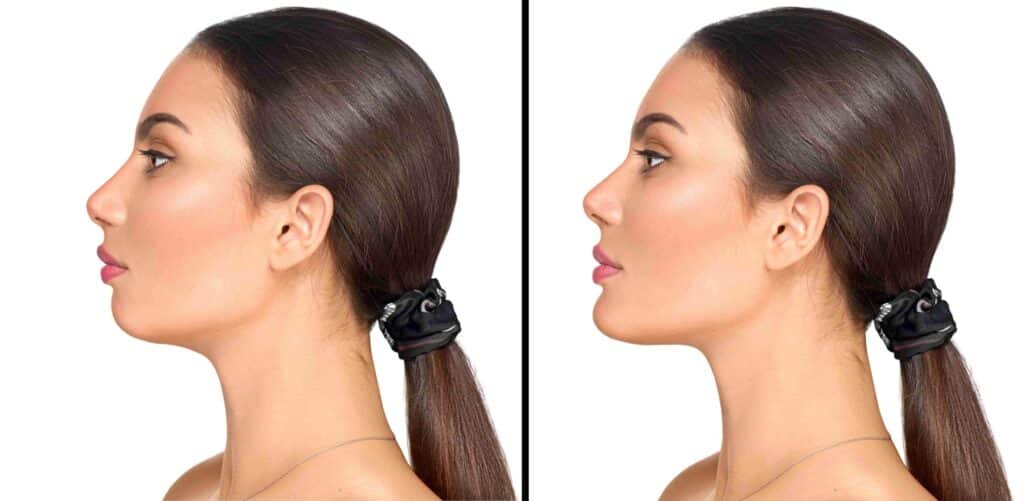
Photo Diary
Keeping a photo diary helps track progress. Take photos from different angles of your face and jawline daily or weekly. This visual record can highlight subtle changes that might not be obvious day-to-day. It also serves as a motivational tool as you see your facial features evolve.
Patience Is Key
Patience is crucial during recovery. The skin around the chin needs time to adjust to its new shape. Immediate frustration is normal, but remember that final results require time. Adhere strictly to post-op care instructions provided by your surgeon.
Post-Op Care
Follow all post-operative care guidelines closely. Avoid putting pressure on your chin or jawline for at least two weeks. Sleep with your head elevated to reduce swelling. Keep contact with your surgeon if any unusual symptoms occur.
Confidence Boost
As swelling decreases, many people notice an improvement in their confidence levels. Enhanced facial features can positively impact self-esteem and social interactions. However, individual experiences vary based on age and skin type.
Long-Term Care and Follow-Ups
Follow-Up Appointments
Patients must attend all follow-up appointments. These visits help the surgeon monitor healing and results. Skipping these appointments can lead to unnoticed complications. Surgeons check for proper alignment and any signs of infection.
Follow-ups are usually scheduled at specific intervals. The first one is often a week after surgery. Subsequent visits may be at one month, three months, and six months post-surgery.
Sun Protection
Sun protection is vital for long-term care. Sun exposure can affect the skin’s healing process. Patients should use sunscreen with a high SPF. Wearing hats or using umbrellas also helps.
Direct sunlight can cause pigmentation changes in the scar area. This makes sun protection essential for preserving results.
Healthy Lifestyle
Maintaining a healthy lifestyle supports recovery and results. A balanced diet rich in vitamins aids healing. Drinking plenty of water keeps the skin hydrated.
Regular exercise helps maintain overall health but should be resumed gradually. Avoid strenuous activities that could strain the chin area initially.
Signs to Watch For
Certain signs should prompt an immediate visit to the surgeon:
- Unexpected swelling: If swelling increases rather than decreases.
- Severe pain: Pain that does not subside with medication.
- Infection symptoms: Redness, warmth, or discharge from the incision site.
- Asymmetry: Noticeable unevenness in chin appearance.
These signs may indicate complications needing prompt attention.
Enhancing Recovery Experience
Relaxation Techniques
Relaxation is crucial for healing. Deep breathing exercises can help. Inhale slowly through the nose, hold for a few seconds, and exhale through the mouth. Repeat this several times a day.
Meditation also aids recovery. Sit quietly, close your eyes, and focus on your breath. This reduces stress and promotes calmness.
Listening to soothing music can be beneficial too. It helps in reducing anxiety and creating a serene environment.
Stress Management
Managing stress is important during implant recovery. Engage in light activities that you enjoy. Reading a book or watching a favorite show can distract from discomfort.
Talking to someone about your feelings helps too. Sharing concerns with friends or family members can provide emotional relief.
Avoid strenuous activities that might increase stress levels. Gentle walks are good, but avoid heavy lifting or intense workouts during the initial weeks of recovery.
Support Groups
Joining support groups can enhance the recovery experience. Many online forums exist where patients share their experiences and tips. Websites like RealSelf offer platforms for connecting with others who have undergone chin augmentation.
Local community groups may also provide support. Hospitals sometimes organize meetings for cosmetic surgery patients to discuss their journeys.
Support groups offer advice on managing pain, dealing with swelling, and other common post-surgery issues.
Positive Outlook
A positive outlook plays a significant role in healing. Focus on the improvements you will see after recovery rather than the temporary discomfort.
Surround yourself with supportive people. Friends and family can boost your morale during tough times. Their encouragement helps maintain a positive mindset.
Visualize successful healing by imagining yourself fully recovered and enjoying the results of your chin augmentation.
Family Support
Family support is invaluable during recovery. They can assist with daily tasks that might be challenging post-surgery, such as cooking or cleaning.
Having someone to talk to eases emotional strain. Family members often provide comfort just by being present and listening to concerns.
They can also help monitor your progress and remind you of follow-up appointments or medication schedules.
Summary
Chin augmentation recovery can be smooth and manageable with the right care and attention. By following the guidelines for post-op care, pain management, diet, and activity, you can speed up your healing process and achieve the best results. Remember to attend all follow-up appointments and stick to long-term care recommendations to maintain your new look.
Stay proactive about your recovery. If you have any concerns or questions, reach out to your healthcare provider promptly. Your diligence will pay off in a quicker recovery and better results. Ready to enhance your chin and boost your confidence? Consult a trusted specialist today!
Frequently Asked Questions
What is the typical recovery time for chin augmentation?
Most patients recover within 1 to 2 weeks. Swelling and bruising may persist for a few more weeks.
How can I manage swelling after chin augmentation?
Apply cold compresses and keep your head elevated. Follow your surgeon’s instructions closely.
When can I return to normal activities post-surgery?
Light activities can resume in a week. Avoid strenuous exercises for at least 4 to 6 weeks.
Are there any dietary restrictions during recovery?
Yes, stick to soft foods initially. Avoid chewing hard foods that might strain the surgical area.
Will I experience pain after chin augmentation?
e discomfort and pain are normal. Pain medications prescribed by your surgeon will help manage it.
When will I see the final results of my chin augmentation?
Initial results are visible once swelling reduces, typically within a few weeks. Final results may take several months.
How often should I follow up with my surgeon post-surgery?
Follow-up visits are crucial. Typically, you’ll have appointments at one week, one month, and three months post-op.