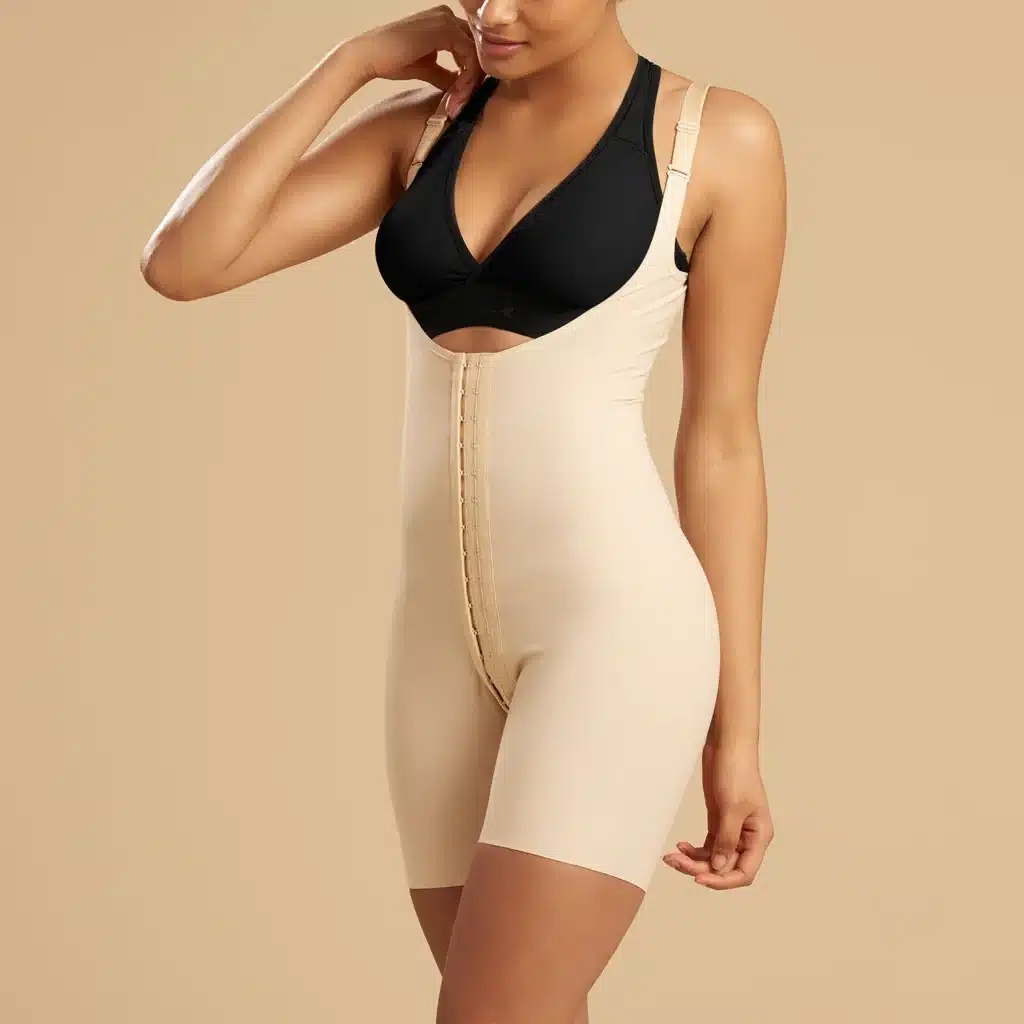
Ever wondered how long you should wear a compression garment post surgery or until bruising eases? Understanding compression garment duration is crucial for recovery and overall comfort after a plastic procedure, as advised by your surgeon at each stage. Whether you’re recovering from surgery, enhancing athletic performance, or managing health conditions, knowing the optimal duration and choosing proper compression garments can make a big difference. The right balance ensures you get the maximum benefits from a compression garment or surgery garment without any drawbacks as you recover.
In this post, we’ll dive into the recommended timeframes for wearing these garments based on different needs to recover. We’ll also discuss tips to ensure you’re using the right compression garment correctly. This guide will help you make informed decisions, ensuring your health and well-being are always prioritized, especially when choosing a compression garment. Ready to learn more about maximizing the benefits of your compression garments?
Why Compression Matters
Reducing Swelling
Compression garments play a vital role in reducing swelling post-surgery. They apply uniform pressure to the affected areas. This helps reduce fluid buildup and inflammation. Proper compression ensures that excess fluids are pushed back into the lymphatic system.
Swelling can cause discomfort and delay recovery. Using compression garments minimizes this issue. Patients often report feeling more comfortable and experiencing less pain when using a compression garment.
Improving Blood Circulation
Adequate compression improves blood circulation. By applying pressure, these garments help blood flow more efficiently. Improved circulation with a compression garment reduces the risk of blood clots and other complications.
Better blood flow also means more oxygen reaches the surgical site with a compression garment. This is crucial for healing. Faster healing with a compression garment leads to a quicker return to normal activities.
Shaping the Body
Compression garments shape the body after surgery. They help mold the skin and tissues into the desired contour with a compression garment. This is especially important in cosmetic surgeries like liposuction or tummy tucks, where a compression garment is often required.
Without proper compression, fluid can accumulate. This can lead to uneven results and prolonged recovery times, even with a compression garment. Wearing these garments ensures a smoother and more even appearance.
Preventing Fluid Accumulation
Fluid accumulation, or seroma, is a common issue post-surgery, often managed with a compression garment. Compression garments prevent this by applying consistent pressure. This pressure helps drain fluids away from the surgical area.
Preventing fluid buildup reduces the risk of infections and other complications. It also makes patients feel more comfortable during their recovery period.
Supporting Surgical Areas
Compression garments provide support to surgical areas. This support stabilizes the area, reducing movement that could disrupt healing. It also helps alleviate pain by minimizing strain on the affected tissues.
Supportive garments are essential for procedures involving muscle or tissue repair. They ensure that the surgical site remains intact and heals properly.
Factors to Consider
Several factors determine how long one should wear compression garments. These include the type of surgery, individual healing rates, and doctor recommendations. Generally, wearing them for at least 4-6 weeks is advised.
Excessive compression can cause issues like restricted blood flow or skin irritation. It’s crucial to follow medical advice on how tight and how long to wear these garments.
Finding the Right Tightness
Snug Fit
A compression garment should feel snug. It must not cause pain or discomfort. Consistent pressure is key for healing and shaping the body. The garment should not pinch the skin. There should be no loss of circulation.
Avoiding Too Much Pressure
Too much pressure can cause problems. It can restrict blood flow. This may lead to numbness or tingling in the limbs. Normal breathing should not be affected by the garment. If breathing becomes difficult, it indicates the garment is too tight.
Signs of Proper Fit
Look for specific signs of a well-fitted garment:
- No marks or indentations on the skin
- Ability to move freely without restriction
- Consistent support throughout the area covered
These signs ensure that the garment provides adequate support without causing harm.
Adjustments and Consultation
Adjustments might be necessary over time. Swelling decreases as recovery progresses. Consulting with healthcare providers helps in making these adjustments. They can guide you on how tight the garment should be.
Optimal Results
Proper fit aids in achieving optimal liposuction results. The garment helps contour and shape the body effectively. It supports tissue during healing. This balance between tightness and comfort ensures better outcomes.
Initial Weeks of Recovery
Critical First Two Weeks
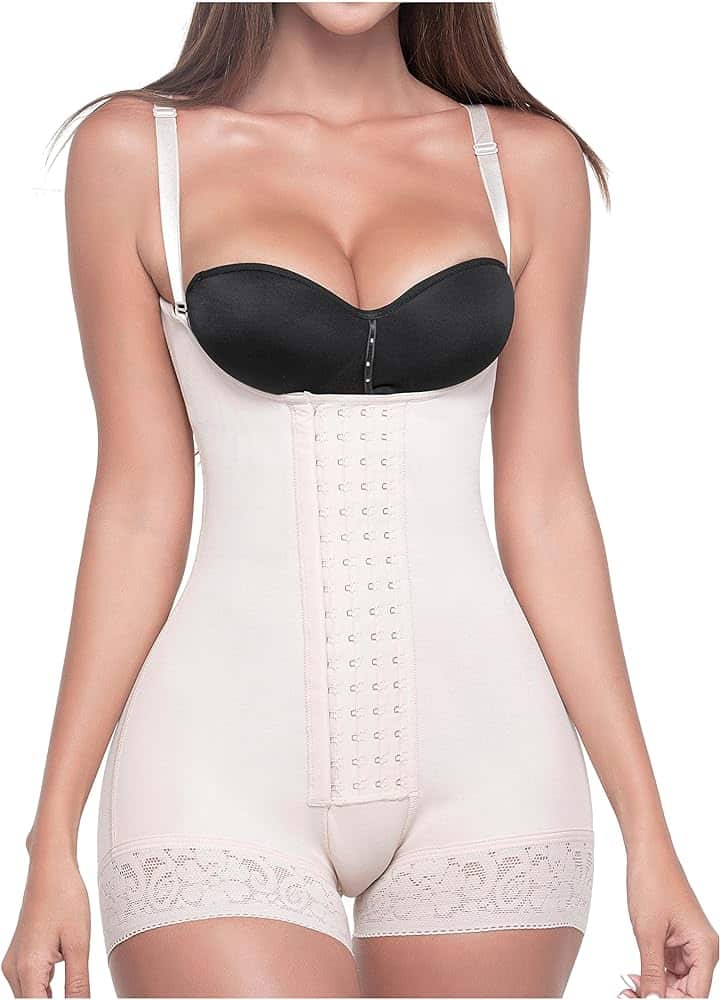
The first two weeks post-surgery are critical. During this time, compression garments play a vital role in the recovery process. Patients must wear these garments continuously. This helps to minimize swelling and support optimal healing.
Liposuction recovery involves managing symptoms like bruising and swelling. Compression garments help reduce these symptoms. They also aid in skin retraction, ensuring better final results.
Continuous Wear Importance
Wearing compression garments continuously is essential for the best outcomes. Patients should only remove them during short breaks or showers. This consistent pressure helps control swelling and reduces the risk of complications.
Continuous wear also accelerates the healing process. It ensures that tissues settle correctly, leading to smoother contours and improved surgery results.
Size Adjustments
As the swelling decreases, patients may need different sizes of garments. The initial garment might become loose as the body heals. Switching to a smaller size ensures continued support and compression.
Garment adjustments are crucial for maintaining proper pressure. Properly fitted garments enhance comfort and effectiveness during the recovery period.
Benefits of Compression Garments
Compression garments offer multiple benefits during the initial weeks of recovery:
- Reduced Swelling: They help manage post-surgery swelling.
- Improved Healing: Continuous pressure supports tissue healing.
- Skin Retraction: Ensures better skin retraction for smoother results.
- Comfort: Provides support and reduces discomfort.
Transitioning Phases Explained
Recovery Stages
Recovery after surgery involves several stages. Each stage has different compression needs. Initially, the body experiences swelling and bruising. Compression garments help manage these symptoms.
After the first few weeks, healing progresses. Swelling decreases, and tissues start to settle. At this point, compression needs may change.
By the third or fourth week, patients often notice a reduction in swelling. This marks the beginning of a new phase in recovery. It’s essential to monitor these changes closely.
Timeline for Changes
The timeline for reducing compression varies. Most patients wear compression garments full-time for the first 2-4 weeks. This period is crucial for optimal healing.
After the initial phase, many doctors recommend wearing compression garments part-time. Typically, this means 12 hours a day instead of 24 hours. This change usually occurs around the fourth week.
From six weeks onwards, further reductions can be made. Patients might only need to wear their garments at night. However, always follow medical advice when making changes.
Adjusting Size
As swelling reduces, the size of the compression garment may need adjustment. A smaller size might be necessary to maintain adequate pressure.
It’s important to measure progress regularly. Correct sizing ensures effective compression and continued support during recovery.
Signs of Readiness
Certain signs indicate readiness to transition to less restrictive compression:
- Reduced Swelling: Noticeably less swelling in the treated area.
- Comfort: Increased comfort without constant compression.
- Tissue Stability: Firmer and more stable tissue under the skin.
These signs suggest that it’s safe to reduce compression duration or switch to a lighter garment.
Safe Reduction
Reducing hours of wearing compression garments should be gradual. Start by cutting down a few hours each day. Monitor how your body responds.
If discomfort or increased swelling occurs, revert to longer hours. Always consult with your doctor before making significant changes.
Nighttime Wear Importance
Uninterrupted Support
Wearing compression garments during sleep provides uninterrupted support. This is crucial after surgery. The body heals continuously, and nighttime wear ensures consistent pressure. Consistent pressure helps reduce swelling and improves blood flow.
Sleep compression garments keep the skin in place. This is especially important when the body is still fragile. Without nighttime wear, there can be a risk of skin shifting or damage.
Comfort Considerations
Choosing a comfortable nighttime garment is essential. Look for soft, breathable fabrics. These materials prevent irritation and allow the skin to breathe. Seamless designs are preferable to avoid chafing.
The fit should be snug but not too tight. A well-fitted surgical garment supports healing without causing discomfort. Adjustable straps and closures can help achieve the right fit.
Skin Care
Proper skin care is important when wearing compression garments at night. Clean and dry the skin before putting on the garment. This prevents infections and keeps the skin healthy.
Moisturize the skin regularly. Use a gentle, non-irritating lotion. Avoid lotions with strong fragrances or chemicals that might irritate sensitive post-surgery skin.
Circulation Concerns
e worry about circulation when wearing compression garments at night. If fitted correctly, these garments should not impede blood flow. They apply even pressure which aids circulation rather than hindering it.
Check for any signs of poor circulation. Symptoms include numbness, tingling, or extreme coldness in the limbs. If these occur, adjust the fit or consult a healthcare provider.
Role in Healing
Compression garments play a significant role in healing post-surgery. They keep swelling down and support tissues as they recover. Wearing them at night maximizes these benefits.
Consistent wear also helps prevent complications like fluid buildup or scar formation. This makes nighttime wear an integral part of post-surgical care.
Addressing Tightness Issues
Common Issues
Compression garments can cause discomfort. Tightness issues often arise, leading to pain or irritation. This can happen around areas like the waist or chest.
Numbness is a sign of too much pressure. If you feel tingling, it means the garment is too tight. This can affect blood flow and tissue health.
Adjustments
Making adjustments helps in reducing discomfort. Loosening straps or changing sizes can make a big difference. Always ensure the garment fits well but does not cause pain.
Switching to a larger size may be necessary if irritation persists. It’s important to find the right balance for comfort and effectiveness.
Monitoring Signs
Pay attention to signs like numbness or tingling. These indicate the garment is too tight and might restrict blood circulation. Better blood flow is crucial for healing.
If you experience these symptoms, adjust the garment immediately. Seek medical advice if numbness continues.
Early Recovery Tips
Easing into the right level of tightness is vital during early recovery stages. Gradually increase the wear time to allow your body to adapt.
Start with shorter periods and slowly extend them as you become more comfortable. This approach helps in avoiding sudden pressure on tissues.
Comfort Strategies
Use padding in areas where tightness causes discomfort. Soft materials can reduce irritation and improve overall comfort.
Make sure to move around regularly to prevent fluid accumulation. Mobility aids in better circulation and reduces swelling.
Post-Liposuction Care
After liposuction, compression garments help manage fluid buildup. They also support tissues during the healing process.
Ensure the garment provides firm yet comfortable support. This prevents fluid accumulation and promotes better recovery.
Breathing Considerations
Breathing should never feel restricted by a compression garment. If it does, the garment is too tight and needs adjustment.
Proper breathing ensures adequate oxygen supply to tissues, aiding in faster healing. Always prioritize comfort over tightness.
Professional Fitting and Advice
Professional Fitting
A professional fitting is crucial for compression garments. Proper fit ensures effectiveness and comfort. Ill-fitting garments can cause discomfort or hinder healing. Professionals measure accurately to avoid these issues.
Surgeons often recommend specific brands or types based on the surgery. This guidance helps patients choose the right garment. A well-fitted garment supports recovery by applying even pressure.
Personalized Advice
Medical professionals provide personalized advice tailored to each patient’s needs. After plastic surgery, such as liposuction or tummy tuck, the type of garment and duration of use vary. Surgeons consider surgical specifics and individual healing rates.
Patients receive guidelines on how long to wear their garments daily. Some may need 24/7 support initially, while others might reduce hours over time. Personalized advice ensures optimal healing and comfort.
Regular Check-ins
Regular check-ins with healthcare providers are essential. As swelling reduces, the fit of the garment may change. Adjustments ensure continued effectiveness. Providers monitor progress and make necessary changes.
Patients should report any discomfort or issues immediately. Early intervention prevents complications. Regular visits also provide emotional support during recovery.
Supportive Care
Supportive care from professionals extends beyond fittings and advice. They educate patients on proper garment care and hygiene. Clean garments prevent infections and skin irritation.
Doctors offer tips on wearing the garments correctly. This includes how to put them on without causing pain or stretching incisions. Proper use maximizes benefits and minimizes risks.
Patient Experience
Each patient’s experience with compression garments is unique. Factors like age, health, and surgery type influence recovery. Personalized care addresses these differences effectively.
Patients who follow professional advice tend to have better outcomes. They experience less discomfort and faster healing. Emotional support from providers enhances overall well-being.
Personalizing Your Compression Journey
Individual Needs
People have different recovery rates. Wearing compression garments should be tailored to each person’s needs. Some might need them for a few days, while others may require weeks or months.
Personal feedback is crucial. If discomfort occurs, adjustments are necessary. Listening to your body helps in finding the right balance.
Recovery Rates
Recovery can vary widely. Athletes might recover faster than non-athletes. Medical grade compression garments help speed up the healing process.
Healthcare providers often recommend wearing these garments after surgeries. The duration depends on the type of surgery and individual healing rates.
Personal Feedback
Personal experiences guide adjustments. If you feel pain or tightness, it’s important to consult with a healthcare provider.
Recording daily experiences can help in understanding what works best. This information aids in making necessary changes to your compression routine.
Healthcare Communication
Ongoing communication with healthcare providers is vital. They offer professional advice based on medical knowledge.
Regular check-ups ensure that the compression garment fits well and serves its purpose. Adjustments might be needed as recovery progresses.
Tailoring Compression Wear
Choosing the right garment is essential. Quality compression garments provide better support and comfort.
Proper fitting ensures effective results. It’s important to follow an accessible compression garments guide for correct usage.
Supportive Compression
Supportive compression aids in faster recovery. It reduces swelling and improves blood circulation.
Multiple compression garments might be needed for different parts of the body. Each garment serves a specific purpose in the healing process.
Procedure-Specific Garments
Certain procedures require specific types of compression wear. For example, compression socks are often used after leg surgeries.
Following medical advice ensures that you’re using the right garment for your condition. This leads to better outcomes and quicker recovery times.
Final Remarks
Your compression journey is unique. Finding the right balance between tightness and comfort is crucial. The initial weeks are tough, but persistence pays off. Transitioning phases and nighttime wear play a big role in your recovery.
Don’t ignore tightness issues; get professional advice if needed. Personalize your compression experience, and don’t hesitate to seek expert fitting. Ready to optimize your recovery? Start applying these tips today!
Frequently Asked Questions
How long should I wear compression garments after surgery?
Wear your compression garment for at least 6 weeks post-surgery. This helps reduce swelling and supports healing.
What is the importance of nighttime wear for compression garments?
Wearing compression garments at night ensures continuous support and aids in reducing swelling, promoting better recovery.
How do I know if my compression garment is too tight?
If you experience numbness, tingling, or extreme discomfort, your garment might be too tight. Consult with a professional for adjustments.
When can I transition from high to low compression garments?
Typically, you can transition after the initial 2-3 weeks of recovery. Always follow your surgeon’s advice for best results.
Why is professional fitting important for compression garments?
A professional fitting ensures optimal support and comfort. It prevents issues like excessive tightness or inadequate compression.
Can I personalize my compression garment usage?
Yes, personalizing based on your comfort and specific needs helps in better recovery. Always consult with a healthcare provider.
What should I do if I encounter tightness issues with my compression garment?
If you face tightness issues, adjust the garment or seek professional help. Do not ignore discomfort as it can hinder healing.