
Liposuction fat grafting for acne scars is a game-changer. This innovative procedure not only removes unwanted fat but also helps fill in those stubborn scars. It’s a double win for anyone struggling with skin imperfections. By using your own body fat as a graft, the results look natural and seamless, especially for treating depressed acne scars and acne scarring in an acne scars procedure.
Many people have found renewed confidence through this method. It smooths the skin and enhances overall appearance. The recovery time is manageable, allowing you to get back to your routine quickly. Say goodbye to harsh treatments and hello to a more radiant you. Discover how liposuction fat grafting can transform your skin, including the acne scars procedure, and boost your self-esteem today.
Key Takeaways
- Fat grafting can effectively improve the appearance of acne scars by using your own body fat to fill in depressions and create a smoother skin texture.
- Different types of acne scars respond better to fat grafting, so it’s essential to consult with a dermatologist to identify which method is suitable for your specific scars.
- Before considering treatment, evaluate your suitability by discussing your medical history and skin type with a qualified professional to ensure the best results.
- Proper preparation for the procedure includes following pre-treatment instructions, such as avoiding certain medications and maintaining healthy skin care routines.
- Understanding the procedure and anesthesia options helps alleviate anxiety; be sure to ask your doctor about what to expect during and after the treatment.
- Recovery may involve swelling and bruising, so plan for downtime and follow post-operative care instructions to achieve optimal results.
Understanding Fat Grafting for Scars
Definition
Fat grafting is a cosmetic procedure. It involves transferring fat from one area of the body to another in an acne scars procedure. Surgeons often use this technique to improve skin texture and appearance. The process utilizes autologous fat grafting, meaning it uses the patient’s own fat cells.
Purpose
Fat grafts help fill in depressions on the skin. This is particularly useful for acne scars. These scars can create uneven skin texture. By injecting fat into these areas during the acne scars procedure, the skin appears smoother and more youthful. The result is a significant improvement in scar quality and overall skin health.
Procedure
The liposuction fat grafting technique begins with harvesting fat from a donor site, which may leave a scar. Common areas include the abdomen or thighs. Surgeons then purify this fat before injecting it into the scarred area. This step ensures that only healthy fat cells are used.
Fat transfer surgeries have gained popularity due to their effectiveness and minimal scar. They provide natural-looking results since they use the body’s own tissues. Patients appreciate that this method reduces the risk of rejection or allergic reactions.
Healing Process
After the structural fat grafting procedure, patients may experience some swelling and bruising. However, these effects usually subside within a few weeks. The body gradually absorbs some of the injected fat cells. This is normal and part of the healing process.
Scar healing varies among individuals. Factors like age, skin type, and overall health can affect results in structural fat grafting. Many patients notice an improvement in scar texture and reduced visibility over time.
Benefits
Using fat grafts has several advantages:
- Natural Results: Since it uses the patient’s own fat, results look more natural.
- Dual Benefit: Patients receive body contouring while treating scars.
- Longevity: Fat grafts can last longer than other fillers if done correctly.
Risks
Like any procedure, there are risks involved with fat grafting:
- Infection at the injection site
- Uneven results
- Fat reabsorption over time
Understanding these risks helps patients make informed decisions about their treatment options.
Types of Acne Scars Treated
Rolling Scars
Rolling scars are a common type of acne scarring. They appear as undulating waves on the skin’s surface. These scars result from damage beneath the skin, causing it to lose its structure. Fat grafting effectively addresses these depressed acne scars. The procedure adds volume under the skin, smoothing out the uneven texture. Patients often notice significant improvement in their skin’s appearance after treatment.
Boxcar Scars
Boxcar scars are another type that benefits from fat grafting. These scars have sharp edges and can create a pitted look on the skin. They form when collagen breaks down in specific areas due to severe acne. Fat grafting helps restore volume in these areas, making the scars less noticeable. The added fat fills in the depressions, leading to a more even skin tone. Many individuals find this method effective for treating boxcar scars.
Ice Pick Scars
Ice pick scars present a different challenge. These scars are deep and narrow, resembling small holes in the skin. They occur when acne damages the skin deeply, leaving behind significant tissue loss. Unfortunately, fat grafting is not as effective for ice pick scars due to their depth. While some improvement may occur, results vary greatly among patients. Other treatments, such as surgical scar excision or laser therapy, may work better for these types of facial scars.
Atrophic Scars
Atrophic scars refer to any scar that is indented or recessed below the surrounding skin level. This category includes both rolling and boxcar scars. Fat grafting can improve atrophic acne scars by adding volume where needed. Patients seeking scar treatment support often consider this procedure for its effectiveness in restoring smoothness.
Keloid Scars
Keloid scars differ significantly from other types of acne scarring. They are raised scars that occur when the body produces too much collagen during healing. Fat grafting does not treat keloid scars directly but can help with surrounding areas if they show signs of scarring from acne.
Surgical Scars
Surgical scar excision can also relate to acne treatment options. In some cases, surgical methods may be necessary to remove severe acne scars completely. Following surgery, fat grafting can further improve the appearance of surgical scars by softening edges and providing a smoother transition between scarred and healthy skin.
Understanding these various types of acne scars allows patients to make informed decisions about their treatment options. Each type has unique characteristics and requires tailored approaches for effective management.
Evaluating Candidate Suitability
Sufficient Donor Fat
Candidates for liposuction fat grafting need to have enough donor fat available. This fat is typically harvested from areas like the abdomen or thighs. The amount of fat required depends on the size and depth of the acne scars being treated. Insufficient donor fat can lead to poor results.
Fat grafting involves transferring fat cells from one part of the body to another. If there isn’t enough fat, it may not fill the scars adequately. Surgeons often assess this before proceeding with the method. They may perform a physical examination and discuss options with the patient.
Realistic Expectations
Candidates must have realistic expectations about the outcomes of liposuction fat grafting. This method can improve the appearance of acne scars, but it may not completely eliminate them. Patients should understand that results vary based on individual factors like skin type and scar severity.
e patients expect immediate results, but healing takes time. Swelling and bruising can occur after the procedure. It may take weeks or months for the final results to become visible. Setting realistic goals helps prevent disappointment.
Overall Skin Health
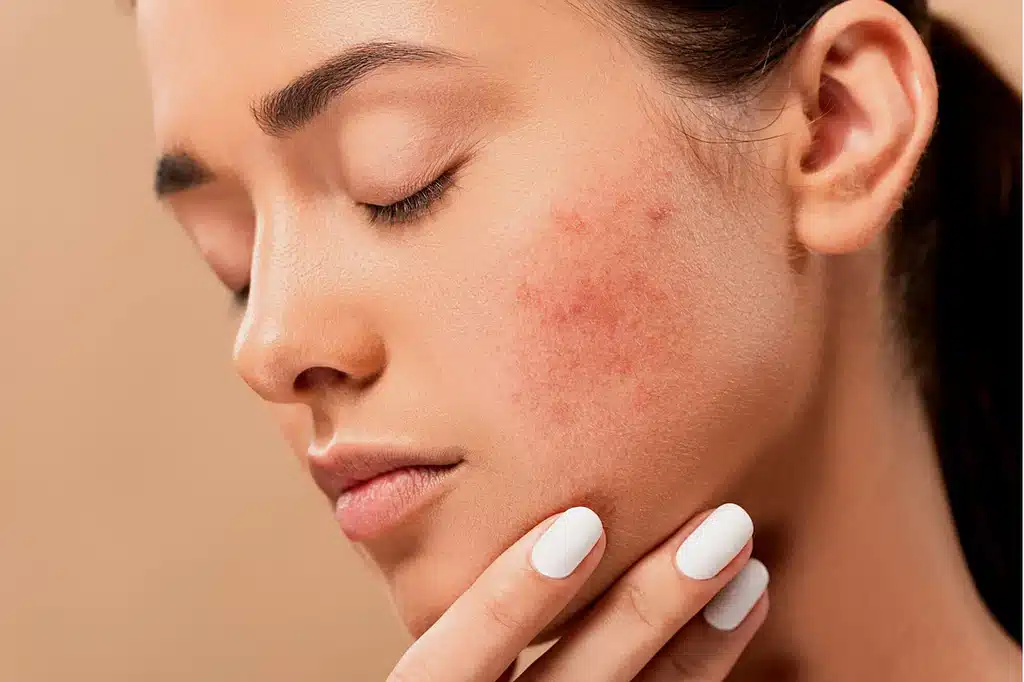
Overall skin health plays a crucial role in candidate suitability. Candidates should have healthy skin without active infections or severe conditions. Conditions like eczema or psoriasis can affect healing and results.
Surgeons evaluate skin texture and elasticity during consultations. Healthy skin promotes better graft survival rates. If underlying issues exist, candidates may need treatment before considering liposuction fat grafting.
Psychological Readiness
Psychological readiness is also important for candidates. Emotional well-being affects how individuals perceive their appearance post-procedure. Those struggling with self-image may benefit from counseling before undergoing treatment.
Surgeons often discuss emotional aspects during consultations. Understanding motivations for seeking treatment helps set appropriate expectations. Candidates should feel prepared for the changes that come with the procedure.
Age Considerations
Age can influence candidate suitability as well. Younger patients generally have better skin elasticity, which aids recovery. Older patients might face challenges due to decreased collagen production. This could impact how well the graft integrates into the surrounding tissue.
Surgeons consider age along with other factors when evaluating candidates. Each person’s situation is unique, requiring tailored assessments.
Preparing for Treatment
Consultation
A thorough consultation with your doctor is vital. This meeting helps the surgical team understand your goals. Discuss your medical history and any concerns you have. Bring photos of your acne scars to illustrate what you want to improve. The doctor will create a blueprint for your treatment based on this discussion.
Medications
Certain medications can affect bleeding during surgery. It’s important to stop taking blood thinners, like aspirin or ibuprofen, at least a week before the procedure. Supplements, such as fish oil or vitamin E, should also be discontinued. These can increase the risk of bruising and swelling post-treatment.
Lifestyle Changes
Making lifestyle changes can greatly improve recovery. Quitting smoking is one of the most important steps. Smoking can hinder blood flow and delay healing. Focus on eating a balanced diet rich in vitamins and minerals. This supports tissue repair and overall health.
Pre-Operative Instructions
Following pre-operative instructions is crucial for optimal results. Your doctor will provide specific guidelines to prepare for surgery. Adhering to these recommendations can minimize complications. For example, you may need to avoid alcohol for several days before the procedure. It’s essential to stay well-hydrated leading up to your surgery.
Post-Treatment Care
Understanding what to expect after surgery helps ease anxiety. Swelling is common and usually peaks within three days. Scar retraction may occur as the tissue heals, improving the appearance of acne scars over time. Follow-up appointments with your surgical team are important for monitoring progress.
Allergic Reactions
Be aware of potential allergic reactions. Inform your doctor about any allergies you have before surgery. This includes allergies to medications or topical solutions used during treatment. Your surgical team will take precautions to prevent any adverse effects.
Recovery Timeline
Recovery varies from person to person but generally takes a few weeks. Most patients see significant improvements within six months as their skin continues to heal. Staying in touch with your doctor during this period ensures that any concerns are addressed promptly.
The Procedure Explained
Marking Areas
The first step involves marking the areas for fat harvesting and grafting. This helps the surgeon identify where to take fat from and where to inject it. The locations are usually chosen based on the patient’s body type and the scar size method. Accurate marking ensures that the procedure meets the desired aesthetic goals.
Harvesting Fat
Next, the surgeon harvests fat from a donor site. Common areas include the abdomen or thighs. A small incision is made, and a cannula is inserted to extract fat cells. This process is minimally invasive. It generally takes about 30 minutes to an hour, depending on how much fat is needed.
Refining Fat
After harvesting, the fat must be refined before injection. The surgeon uses a centrifuge for this part of the procedure. This device spins the harvested fat at high speeds. It separates impurities and concentrates healthy fat cells. Concentrating the fat enhances its chances of survival when injected into scarred areas.
Grafting Fat
Once refined, the concentrated fat is ready for grafting. The surgeon injects it into the acne scars using a thin needle. They carefully place small amounts of fat in layers to achieve even distribution. This technique promotes better integration with surrounding tissue.
Sculpting Technique
A sculpting technique is crucial for achieving a smooth and natural appearance. The surgeon gently massages the injected areas during and after grafting. This helps ensure that the fat settles evenly without lumps or irregularities. Patients often notice improved skin texture within weeks.
Recovery Process
After the procedure, patients may experience some swelling and bruising at both the donor and injection sites. These effects usually subside within a few days to weeks. Most people can return to their normal activities in about one week. However, full results may take several months to appear as the body adjusts.
Long-Term Results
Fat grafting offers long-lasting effects for treating acne scars. Patients often enjoy improved skin quality for years after the procedure. Regular follow-ups with a dermatologist can help maintain these results.
Anesthesia Choices
General Anesthesia
General anesthesia is often the best choice for patient comfort during extensive liposuction fat grafting. This type of anesthesia keeps patients completely unconscious and free from pain. Surgeons prefer it for larger areas or when multiple donor sites are involved. It allows the medical team to perform complex procedures without interruptions. Recovery from general anesthesia may take longer, but it ensures a comfortable experience.
Patients with anxiety or those undergoing significant treatments usually benefit from general anesthesia. For example, someone needing grafts from multiple areas may feel more at ease under complete sedation. This choice helps maintain a stable environment for both the patient and the surgical team.
Local Anesthesia with Sedation
Local anesthesia combined with sedation can be suitable for minor treatments. This option numbs only the specific area where the surgeon works. Patients remain awake but relaxed during the procedure. It’s ideal for smaller grafts or when fewer donor areas are involved.
Local anesthesia is often chosen for patients who prefer to avoid general anesthesia. For instance, if someone only needs a small amount of fat removed from one area, this method may suffice. Sedation helps reduce anxiety while still allowing the patient to communicate with the surgeon.
Factors Influencing Choice
Several factors influence the choice of anesthesia in liposuction fat grafting. Patient health plays a significant role. Those with pre-existing conditions might face higher risks with general anesthesia. A thorough medical evaluation helps determine the safest option.
The extent of the procedure also matters. Larger procedures typically require more extensive anesthesia to ensure comfort and safety. Conversely, minor treatments may not need as much sedation or numbing.
Surgeons consider patient preferences as well. Some individuals fear general anesthesia and may opt for local options instead. Discussing these choices with a healthcare provider is essential before undergoing any treatment.
Recovery Expectations
Common Symptoms
Patients can expect some common post-surgery symptoms after liposuction fat grafting for acne scars. Swelling and bruising are the most noticeable issues. These symptoms occur due to the surgical procedure, which involves removing fat and injecting it into the skin. Swelling usually peaks around the third day after surgery. Bruising may take longer to heal, often lingering for several weeks.
Timeline for Healing
Most patients begin to feel better within a week. By this time, swelling starts to decrease significantly. Light activities can often resume after about one week. However, more vigorous exercises should wait until at least two to four weeks post-surgery. Full recovery may take up to three months, depending on individual healing rates.
Importance of Follow-Up Appointments
Follow-up appointments play a critical role in recovery. They allow doctors to monitor healing progress and address any concerns. Patients should attend these appointments as scheduled. Doctors will assess the treatment area and may provide guidance on care or adjustments needed during recovery.
Managing Discomfort
Managing discomfort is essential during recovery. Over-the-counter pain medications can help alleviate mild pain. Ice packs can also reduce swelling and bruising in the first few days after surgery. Patients should follow their doctor’s recommendations for medication usage.
Activity Restrictions
Certain activity restrictions apply during recovery. Strenuous exercise, heavy lifting, and intense physical activities should be avoided initially. This helps prevent complications and supports proper healing of both the donor and recipient areas.
Long-Term Care
Long-term care is vital for maintaining results from liposuction fat grafting. Patients should protect their skin from sun exposure to prevent discoloration or damage to the treated areas. A good skincare routine can help enhance the appearance of scars over time.
Emotional Well-Being
Emotional well-being is important during recovery. Some patients may feel anxious about their appearance as they heal. Support from friends, family, or counseling can be beneficial during this period.
Benefits and Risks
Potential Benefits
Fat grafting for acne scars offers several benefits. One major advantage is improved skin texture. The procedure can help make the skin feel smoother and look healthier. Many patients report a reduction in scar visibility after treatment. This can lead to increased self-confidence.
Another benefit is the natural appearance of the results. Since fat comes from the patient’s body, it integrates well with surrounding tissues. This often creates a more natural look compared to synthetic fillers.
Studies show that fat grafting can also stimulate collagen production. Increased collagen helps the skin heal and rejuvenate. Over time, this can lead to further improvements in skin quality.
Possible Side Effects
While there are benefits, there are also side effects to consider. Some patients may experience soreness after the procedure. This discomfort usually lasts a few days but can vary from person to person.
Pain is another potential issue. Patients may feel pain at the injection sites or where fat was harvested. Most find that over-the-counter pain relief is sufficient.
There is also a risk of burns during the procedure. If not performed correctly, heat from instruments can damage the skin. Proper technique minimizes this risk significantly.
Risk Factors
Several risk factors can influence the outcome of fat grafting for acne scars. Infection is one of the most serious risks. It can occur if bacteria enter through injection sites. Following post-operative care instructions reduces this chance.
Asymmetry may happen when fat does not distribute evenly. This could lead to an uneven appearance on the face or skin. A skilled surgeon can help reduce this risk by ensuring proper technique.
Fat reabsorption is another concern. Sometimes, the body absorbs some of the injected fat over time. This can affect the final results, leading to less noticeable improvement.
Choosing a Qualified Surgeon
Selecting a qualified surgeon is crucial for minimizing complications. A board-certified plastic surgeon should have experience with fat grafting procedures. They will understand how to manage potential risks effectively.
Patients should ask about the surgeon’s track record with similar procedures. Reviews and before-and-after photos can provide insight into their skills.
A thorough consultation allows patients to discuss their goals and concerns openly. Surgeons should explain what to expect regarding pain, recovery, and results.
Summary
Liposuction fat grafting can be a game-changer for acne scars. You’ve learned how this innovative technique works and the types of scars it effectively treats. Understanding your suitability, preparation steps, anesthesia options, and recovery expectations sets you up for success. Plus, weighing the benefits against the risks helps you make an informed choice.
If you’re considering this treatment, consult with a qualified professional to discuss your unique situation. Your journey to smoother skin starts with the right information and expert guidance. Don’t wait—take the first step toward reclaiming your confidence today!
Frequently Asked Questions
What is fat grafting for acne scars?
Fat grafting for acne scars involves transferring fat from one part of the body to the facial area to fill in and smooth out depressed scars. This technique enhances skin texture and promotes healing.
Who is a good candidate for fat grafting?
Ideal candidates have moderate to severe acne scars and sufficient body fat for harvesting. A consultation with a qualified professional can help determine suitability based on skin type and overall health.
How long does the procedure take?
The fat grafting procedure typically takes between 1 to 3 hours, depending on the extent of treatment and the number of areas being addressed.
What types of anesthesia are used?
Common anesthesia options include local anesthesia combined with sedation or general anesthesia. The choice depends on the patient’s comfort level and the complexity of the procedure.
What is the recovery time like?
Recovery usually lasts 1 to 2 weeks. Patients may experience swelling and bruising, but most return to normal activities within a week, with full results visible after several months.
Are there any risks involved?
Like any surgical procedure, fat grafting carries risks such as infection, uneven results, or fat absorption. Discuss these concerns with your surgeon during the consultation.
How long do results last?
Results from fat grafting can be long-lasting, often lasting several years. However, some fat may be reabsorbed by the body over time, necessitating touch-up treatments in the future.