
Fat grafting techniques, a part of plastic surgery, offer a revolutionary way to enhance your appearance through modern liposuction and the expertise of a plastic surgeon in the liposuction procedure. Unlike traditional fillers, these methods used by a plastic surgeon use your own body fat for a natural look in society, including facelift grafting. This fat grafting procedure not only adds volume but also improves skin texture through facial fat grafting and human fat grafting for fat compartment augmentation. It’s a game-changer for those seeking a more youthful appearance without synthetic materials, especially with fat grafting outcomes like neck fat grafting and large volume fat grafting through effective fat graft processing.
Many people struggle with the idea of invasive procedures. Fat grafting provides a less daunting alternative with impressive results. You can achieve fullness in areas like cheeks or lips while enjoying the benefits of fat transfer. With advancements in technology, recovery times for neck fat grafting are shorter and outcomes more predictable. Dive into the world of fat grafting techniques and discover how they can transform your look naturally.
Fat Grafting Overview
Definition
Fat grafting is a procedure that transfers fat from one part of the body to another. Surgeons use this fat graft technique to enhance volume in specific areas. It involves harvesting fat, processing it, and injecting it into the desired location.
Uses
This technique, including fat graft, is common in both cosmetic and reconstructive surgery. In cosmetic procedures, patients often seek to improve their appearance through fat graft. They may want fuller lips or enhanced cheeks. In reconstructive surgery, fat grafting helps restore volume lost due to trauma or illness. For example, it can aid in fat graft breast reconstruction after mastectomy.
Popularity
The popularity of fat grafting has grown in recent years. Many people prefer it because of its natural results. Unlike synthetic fillers, fat comes from the patient’s own body. This reduces the risk of allergic reactions. The procedure offers dual benefits: removing unwanted fat and augmenting other areas.
Fat Grafting Process
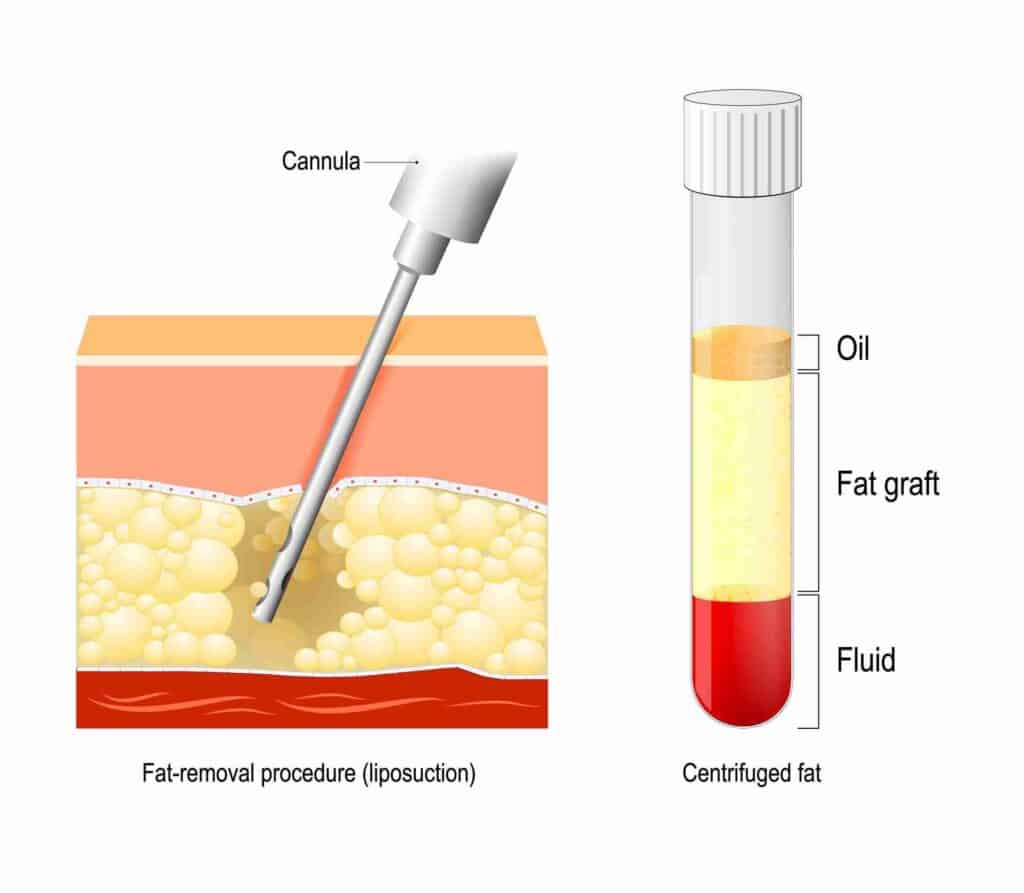
The fat grafting process involves several steps. First, surgeons perform liposuction to harvest fat from a donor site. Common areas include the abdomen, thighs, or hips. Next, they process the harvested fat through centrifugation or filtration. This step removes impurities and prepares the fat for injection.
After processing, the surgeon injects the purified fat into the target area using small syringes. The goal is to achieve a smooth and even distribution of fat graft. Proper injection techniques are crucial for optimal outcomes.
Fat Graft Survival
The success of fat grafting depends on fat graft survival rates. Not all transferred fat survives after injection. Studies show that about 50-70% of injected fat can survive long-term. Factors affecting survival include the fat graft method of harvesting and injection techniques used.
Fat Graft Vascularization
Vascularization plays a significant role in fat graft take. New blood vessels must form around the grafted fat for it to survive. The better the vascularization of the fat graft, the higher the chances of successful integration into the surrounding tissue.
Storage and Preparation
Fat graft storage is essential for certain cases. Surgeons can store processed fat for future use if needed. Proper storage techniques ensure that the fat remains viable for later applications.
Different preparation methods also influence outcomes. Some surgeons use advanced techniques like adding stem cells and fat graft to enhance survival rates.
Outcomes
Fat grafting outcomes vary based on individual factors such as age and health status. Patients often report satisfaction with their fat graft results when performed by skilled professionals. Long-lasting effects make this fat graft procedure appealing for those seeking aesthetic improvements.
Harvesting Techniques
Liposuction Methods
Liposuction serves as the primary method for fat extraction. This technique allows surgeons to remove fat from various body areas. Common sites include the abdomen, thighs, and arms. In the 1990s, advancements in liposuction techniques and fat graft improved its effectiveness. Surgeons began using methods, including fat graft techniques, that minimized trauma to surrounding tissues.
The most popular liposuction methods are tumescent liposuction and ultrasonic-assisted liposuction. Tumescent liposuction involves injecting a solution into the fatty tissue before extraction. This solution contains saline, lidocaine, and epinephrine. It helps numb the area and constrict blood vessels. As a result, it reduces bleeding during the procedure.
Ultrasonic-assisted liposuction uses sound waves to break down fat cells. This technique enhances fat removal while causing less damage to surrounding tissues. Both techniques aim to preserve the integrity of fat cells for grafting.
Gentle Techniques
Using gentle techniques is crucial for preserving fat cell viability. Fat cells can be sensitive to trauma. Excessive force during extraction can lead to cell damage. Damaged cells are less effective when transferred to another area of the body.
Surgeons often use specialized cannulas for fat extraction. These cannulas have a smooth design that minimizes trauma. They allow for a more controlled approach during the procedure. The goal is to ensure that as many viable fat cells as possible remain intact.
Maintaining cell viability is essential for successful fat grafting results. Higher numbers of healthy cells increase the chances of survival after transplantation.
Tumescent Solution
The tumescent solution plays a vital role in the harvesting process. Its use minimizes bleeding and facilitates fat removal. By constricting blood vessels, it reduces the risk of complications during surgery.
This solution also aids in creating a more comfortable experience for patients. With reduced pain and swelling, recovery times can improve significantly.
Surgeons prepare this solution before surgery based on individual patient needs. Adjustments may occur depending on the amount of fat being harvested or specific health conditions.
Processing Methods
Decanting Process
The decanting process is a simple yet effective method. It separates fat from fluids after harvesting. Once the fat is collected, it sits undisturbed for a period. This allows the denser fat to settle at the bottom of the container. The lighter fluids, such as blood and tumescent solution, rise to the top.
Carefully, the top layer can be poured off without disturbing the fat below. This method is quick and requires minimal equipment. However, it may not completely remove all unwanted liquids. Some practitioners prefer this technique for its simplicity and speed.
Centrifugation
Centrifugation offers a more refined approach. This technique uses rapid spinning to separate components based on density. Fat cells are placed in a centrifuge that spins at high speeds. The force pushes heavier materials to the bottom while lighter fat cells remain above.
This results in a highly purified product. Centrifugation effectively concentrates viable fat cells for injection. It reduces contamination from blood or other fluids. Studies show that centrifuged fat has better survival rates when injected into patients. This makes it a popular choice among surgeons.
Filtration Method
Filtration serves as an alternative preparation method. This technique involves passing harvested fat through a filter system. Filters are designed to capture unwanted particles while allowing pure fat to pass through.
Filtration can be less damaging to fat cells compared to other methods. It preserves cell integrity during processing. Many clinics use this method due to its effectiveness and ease of use. However, it may not concentrate the volume of fat as much as centrifugation does.
Applications and Benefits
Each processing method has specific applications and benefits. Decanting is fast but may leave some impurities behind. Centrifugation provides high purity and concentration, making it ideal for larger grafts.
Filtration offers gentle handling of fat cells, which helps maintain their viability. Choosing the right method depends on several factors, including desired outcomes and patient conditions.
Surgeons must consider these factors carefully. They assess volume needs and potential damage to fat cells during processing. Each choice impacts overall results in fat grafting procedures.
Recipient Site Preparation
Planning
Careful planning is crucial for successful fat grafting. Surgeons must thoroughly evaluate the recipient area. This includes understanding the patient’s anatomy and desired outcomes. Marking the site accurately helps in achieving symmetry and balance. The surgeon often uses a marker to outline areas where fat will be injected. This step allows for better visualization during the procedure.
Environment
Creating a suitable environment for fat survival is essential. Fat cells need adequate blood supply to thrive after grafting. Surgeons focus on minimizing trauma to tissues during the injection process. Techniques like gentle handling of the tissues can improve fat cell viability. A well-prepared site enhances the chances of fat integration into the surrounding tissue.
Cannula Use
Small cannulas play a significant role in precise fat placement. These instruments allow for controlled delivery of fat into specific layers of the tissue. Using smaller cannulas reduces damage to surrounding structures. This precision helps maintain the integrity of the recipient area. Surgeons select cannulas based on the area being treated and the amount of fat being injected.
Techniques
Various techniques exist for preparing the recipient site effectively. For example, some surgeons prefer using a tumescent technique. This method involves injecting a saline solution mixed with anesthetic before fat grafting. It creates a cushion that protects blood vessels and nerves during the procedure. Other techniques may include liposuction or direct injection methods, depending on individual needs.
Monitoring
Monitoring the recipient area post-operation is also vital. Surgeons assess for swelling, bruising, or any signs of complications. Regular follow-ups help ensure that the grafted fat is surviving and integrating well. Adjustments can be made if necessary, based on the patient’s healing process.
Common Treatment Areas
Face
Fat grafting techniques are widely used in the face. This method helps restore volume and smooth out wrinkles. Many patients seek this treatment to achieve a youthful appearance. The process involves harvesting fat from a donor area, often the abdomen or thighs. Surgeons inject this fat into specific areas of the face, like the cheeks and under the eyes.
This technique can also enhance facial contours. Patients often notice improved cheekbones and a more defined jawline after treatment. The results can last for years, making it a popular choice in cosmetic medicine.
Breast
Breast augmentation is another common use of fat grafting. It allows for enhancement in size and correction of asymmetry. Many women prefer this method over implants because it uses their own body fat. The procedure involves taking fat from a donor area, such as the abdomen or thighs, and injecting it into the breast tissue.
Patients appreciate the natural feel of fat-grafted breasts. They often report higher satisfaction rates compared to traditional implants. Fat grafting can also improve breast shape after surgeries like mastectomy. This technique provides a more natural look and feel.
Buttocks
The buttocks are also a popular area for fat grafting procedures. This technique augments shape and improves contour. Many individuals desire fuller, rounder buttocks without implants. Fat grafting offers an effective solution by using fat from other parts of the body.
Surgeons carefully inject the harvested fat into various points on the buttocks. This creates a more natural shape and enhances overall body proportions. Patients often experience improved self-esteem after undergoing this treatment.
Other Areas
Fat grafting is not limited to just these areas. It can be applied to hands, feet, hips, and even scars from disease or injury. Patients seeking rejuvenation in these areas can benefit greatly from this versatile technique.
In addition to cosmetic improvements, fat grafting may help with medical conditions as well. For example, it can assist in reconstructive surgery after trauma or disease. The ability to use one’s own fat makes it a safe option for many patients.
Fat Processing Importance
Graft Survival
Proper fat processing is crucial for ensuring graft survival. The success of fat transfer relies heavily on how well the fat cells are handled. During extraction, it’s vital to use techniques that minimize damage to the adipose tissue. Gentle handling preserves the integrity of the fat cells. This step significantly affects how well the graft integrates into the surrounding tissue.
When fat is processed correctly, it enhances the likelihood of survival after transfer. Studies show that well-processed fat leads to better outcomes. Patients experience fewer complications and longer-lasting results.
Removing Impurities
Removing impurities from the harvested fat is essential. Impurities can include blood, oil, and other unwanted substances. These can lead to complications such as infection or poor graft retention.
Specific fat processing techniques focus on filtering out these impurities. For instance, centrifugation is a common method used in clinics. It separates viable adipose fat from non-viable components effectively. This technique increases the quality of the final product and ensures a healthier graft.
Longevity of Results
The way fat is processed also impacts the longevity of results. Properly extracted and prepared adipose tissue tends to last longer after being transferred. Research indicates that fat cells that undergo careful processing maintain their volume better over time.
Patients often seek long-lasting results from cosmetic procedures. Efficient fat extraction and processing contribute directly to this goal. Enhanced longevity means fewer touch-up procedures are needed in the future.
Techniques Overview
Different fat processing methods exist, each with its strengths. Common techniques include:
- Centrifugation: Separates fat cells using spinning motion.
- Filtration: Removes larger impurities through a fine mesh.
- Decanting: Allows layers to settle naturally for easier removal of unwanted parts.
Understanding these methods helps patients make informed decisions about their procedures.
Enhancing Graft Retention
Overfilling Technique
Overfilling is a common technique used in fat grafting. Surgeons often inject more fat than needed to account for fat resorption. This process involves the body absorbing some of the injected fat over time. Studies show that about 30% of the injected fat may not survive. By overfilling, doctors can ensure that enough fat remains after healing.
Surgeons usually determine the amount of overfill based on the patient’s needs. This method helps achieve fuller results after the body absorbs some of the grafted fat. It is crucial for patients to understand this process. They should be prepared for slight changes in volume as their bodies respond.
Use of PRP
The use of platelet-rich plasma (PRP) has gained popularity in enhancing adipocyte graft survival. PRP contains growth factors that promote healing and tissue regeneration. When mixed with harvested fat, PRP can improve the chances of survival for the grafted adipocytes.
Studies indicate that combining PRP with fat grafting leads to better outcomes. Patients experience improved retention rates and overall results. The treatment is minimally invasive and can be done during the same procedure. This makes it a convenient option for many individuals seeking fat grafting.
Patient Factors
Patient factors play a significant role in fat graft retention. Smoking cessation is one critical aspect. Smoking negatively impacts blood flow and healing. Patients who quit smoking before surgery typically have better outcomes.
Maintaining a stable weight is also vital for success. Fluctuations in weight can affect how well the grafted fat survives. Patients should aim for a healthy lifestyle before and after the procedure. This includes regular exercise and a balanced diet.
Surgeons often discuss these factors with patients during consultations. They provide guidance on lifestyle changes that can enhance results. Understanding these elements helps set realistic expectations.
Stem Cells in Grafting
Presence of Stem Cells
Fat tissue contains stem cells. These are primarily mesenchymal stem cells (MSCs). They play a key role in the body’s healing process. When fat is harvested for grafting, these stem cells remain intact. Research shows that MSCs can differentiate into various cell types. This includes bone, cartilage, and fat cells. Their presence in grafts may enhance healing and integration with surrounding tissues.
Regenerative Benefits
Stem cells have significant regenerative properties. They can promote tissue repair and regeneration. Studies indicate that MSCs can reduce inflammation and scar formation. This makes them valuable in regenerative medicine. For instance, when used in grafting procedures, they may improve the survival rate of transplanted fat. Patients often experience better outcomes due to these effects. The ability of stem cells to secrete growth factors also supports healing.
Ongoing Research
Research continues into the potential of stem cells in grafting techniques. Scientists explore ways to enhance graft outcomes using MSCs from various sources. One area of focus is bone marrow-derived stem cells. These cells may offer additional benefits compared to those from fat tissue alone. Studies are underway to understand how to best utilize these cells in clinical settings.
Innovative methods aim to increase the number of viable stem cells during graft preparation. Techniques such as enzymatic digestion help isolate more MSCs from adipose tissue. Researchers also investigate combining different sources of stem cells to maximize effectiveness.
The goal is to develop protocols that improve graft retention and integration with the host tissue. Some studies suggest that adding stem cells to fat grafts could lead to better long-term results. This includes increased volume retention and improved texture.
In summary, understanding the role of stem cells in fat grafting opens new avenues for treatment. Their regenerative capabilities can significantly impact patient recovery and satisfaction. As research advances, more effective methods will likely emerge.
Postoperative Management
Importance of Instructions
Surgeons emphasize the importance of following postoperative instructions. Adhering to these guidelines can significantly impact the success of fat grafting techniques. Patients must understand that proper recovery is essential for achieving optimal results.
Common Recommendations
Surgeons typically recommend avoiding pressure on the treated area. This helps prevent complications and ensures the grafted fat survives. Patients should refrain from sleeping on the treated side for several weeks. Using extra pillows can help maintain a comfortable position.
Avoiding strenuous activities is also crucial during the initial recovery phase. Light walking is encouraged to promote circulation, but heavy lifting or vigorous exercise should be avoided for at least four to six weeks.
Recovery Timeline
The recovery timeline varies for each patient. Most individuals can expect swelling and bruising for the first week after surgery. By the second week, many patients notice a significant reduction in these symptoms. Full recovery may take several months, as the body adjusts to the new fat volume.
Patients typically return to work within one to two weeks, depending on their comfort level and job requirements. However, those with physically demanding jobs may need additional time off.
Signs of Complications
Patients must monitor their recovery closely. Common signs of complications include excessive swelling, increased pain, or unusual discoloration around the surgical site. Fever or chills may also indicate an infection. If any of these symptoms occur, contacting the surgeon promptly is crucial.
Role of Anesthesia
Anesthesia plays a vital role during surgery. IV anesthesia is commonly used in fat grafting procedures. It allows patients to remain comfortable while surgeons perform delicate tasks. Understanding how anesthesia works helps patients prepare for their experience.
Surgeons often discuss anesthesia options during consultations. Knowing what to expect can reduce anxiety and improve overall satisfaction with the procedure.
Summary of Care
Postoperative care involves multiple aspects. Patients should follow all recommendations provided by their plastic surgeons carefully. This includes managing pain through prescribed medications and attending follow-up appointments.
Keeping track of recovery progress is essential for ensuring everything proceeds smoothly. Documenting changes in symptoms can help both patients and surgeons address any concerns early on.
Pensamientos Finales
Fat grafting is a powerful tool in aesthetic and reconstructive procedures. Mastering techniques like harvesting, processing, and site preparation enhances your outcomes. Understanding how to boost graft retention and the role of stem cells can elevate your results. Postoperative care is equally vital for achieving lasting success.
Take your skills to the next level. Stay informed about the latest advancements and refine your techniques. Your commitment to learning will ensure you provide the best care for your patients. Dive deeper into fat grafting methods today, and watch your practice thrive.
Frequently Asked Questions
What is fat grafting?
Fat grafting is a cosmetic procedure that transfers fat from one area of the body to another. It enhances volume, contours, and overall aesthetics, commonly used in facial rejuvenation and breast augmentation.
How is fat harvested for grafting?
Fat is typically harvested using liposuction techniques. A small incision is made, and a cannula is inserted to suction out unwanted fat from areas like the abdomen or thighs.
Why is fat processing important?
Processing fat is crucial for removing impurities and ensuring the viability of the fat cells. Proper processing enhances graft retention and improves overall results.
What areas can benefit from fat grafting?
Common treatment areas include the face, breasts, buttocks, and hands. Fat grafting can restore volume lost due to aging or enhance features for a more youthful appearance.
How can graft retention be improved?
Enhancing graft retention involves meticulous harvesting, proper processing, and careful injection techniques. Optimizing recipient site preparation can significantly improve outcomes.
Are stem cells used in fat grafting?
Yes, stem cells are often present in harvested fat. They may aid in tissue regeneration and improve healing, contributing to better results in fat grafting procedures.
What should I expect after surgery?
Postoperative management includes following care instructions, managing swelling, and avoiding strenuous activities. Expect some bruising and discomfort, which typically resolves within a few weeks.