
Key Takeaways
- Our fat transfer combined arm lift procedure uses both fat removal and skin tightening to sculpt more defined and natural looking upper arms.
- This dual approach enables surgeons to shape arms and add volume for ideal contouring.
- A detailed consultation and meticulous planning are required as every patient’s arm anatomy, skin quality, and fat distribution dictate the outcome.
- It’s a minimally invasive procedure that uses tiny incisions and strategic fat placement to create beautifully balanced and proportionate results.
- Recovery generally involves swelling and bruising, with a slow resumption of activity. Adhering to after-care guidelines promotes seamless recovery.
- You can experience long-term enhancements in your arm aesthetics and confidence, particularly when paired with a stable weight and healthy lifestyle.
Fat Transfer Combined Arm Lift Procedure
In this surgical procedure, the upper arms are re-shaped by removing excess skin and using the patient’s fat to create volume. This strategy frequently achieves smoother, more natural contours than a traditional lift.
Most opt for this for improved outcomes post-weight loss or aging. The following sections cover what to expect, the key steps, and how recovery tends to work.
The Combined Procedure
Fat transfer combined arm lift is a dual approach designed to reshape the upper arms by extracting the excess skin and unwanted fat and restoring volume to areas that require it. This approach combines arm lift surgery brachioplasty with liposuction and fat transfer for a more sculpted, toned appearance. The latter procedure is gaining traction in those who desire more than mere skin excision; they want arms that appear sculpted and natural.
1. The Concept
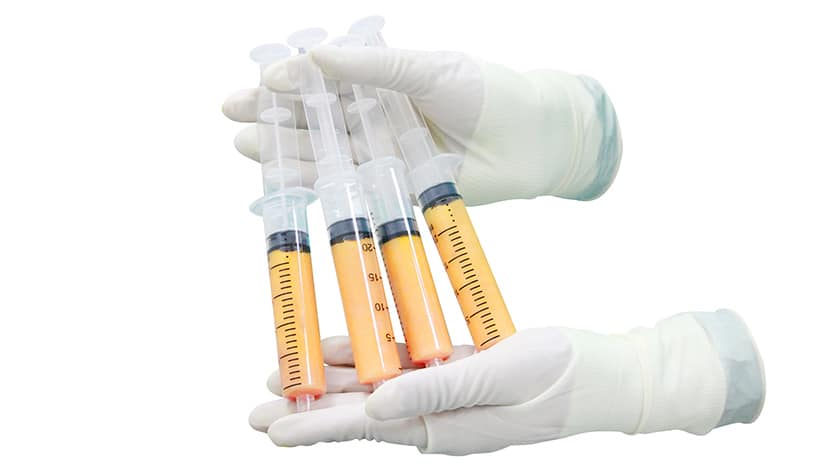
Fat transfer arm lift utilizes the patient’s own fat to contour the body. Once the surgeon has removed excess skin, they then harvest fat from deposit areas with gentle liposuction. That fat is purified and injected into areas of the upper arm that require additional volume or contouring.
This technique can make the arm appear more sculpted, particularly if the skin has sagged from weight fluctuations or aging. The procedure provides a more natural appearance than synthetic fillers. Because it’s your own tissue, the risk of allergic reaction plummets.
Others experience an increase in confidence as their arms look and feel more toned and proportionate with the rest of their body.
2. The Technique
The surgeon begins with small incisions, roughly 2 to 4 millimeters, to suction fat with a cannula. This is a cut less invasive than normal surgery, which minimizes the scars and hastens healing. Having cleaned the fat, the surgeon injects it into the arm’s soft tissue, sculpting the upper arm for a smoother contour.
Expert hands are required for both fat extraction and exacting placement. When executed properly, this yields a more sculpted arm with reduced downtime. Altogether, the process takes three to five hours, and the patients have one surgery and one recovery.
That translates into lower expenses and fewer days out of life.
3. The Synergy
By combining fat removal with skin tightening, you’re letting each aspect of the procedure assist one another. The combined procedure because laser liposuction loosens fat and firms skin simultaneously. Your arm will be tighter and look younger.
The synergy translates to smoother contours, less evidence of sagging, and a more uniform tone. Most surgeons will tell you to have them both done at once so you don’t have to go through it twice.
There are less anesthesia and hospital fees that way. Surgeries exceeding six hours may increase the risk of complications such as blood clots or cardiac events, according to doctors, so they limit the operation to safer time frames.
4. The Goal
Basically, the goal is to make arms look more attractive and be in line with the rest of the body. Taking away the loose skin and restoring volume where appropriate helps highlight muscle tone and contour. The result should appear natural, not overdone, so that the arms complement the rest of the individual’s frame.
Over time, most people’s arms appear better and they wear short sleeves with more confidence. The outcomes manifest after six months to a year. Not everyone is a candidate.
Smokers, those pregnant or breastfeeding, people with a BMI over 40, or with uncontrolled health issues should avoid this combined approach.
Ideal Candidacy
The fat transfer combined arm lift is ideal for individuals whose primary issue is loose, sagging skin on the upper arms. This method tackles both skin laxity and local fat, assisting in sculpting the arms. This approach isn’t for everyone. A good candidate for the procedure is in good general health and an evaluation of skin and fat must be reviewed before surgery.
Key characteristics of suitable candidates include:
- Noticeable loose or sagging skin on the upper arms
- Stable weight for several months
- Good overall health without untreated chronic disease
- Non-smoker or willing to quit before and after surgery
- Realistic expectations about results and recovery
- No plans for major weight loss after the procedure
- Personal motivation for undergoing the surgery, not external pressure
Stage Your Entry: Set Realistic Expectations. While the process enhances arm contour, it does not guarantee ‘ideal’ arms or freeze time. Stable weight is important because weight fluctuations can alter results and create additional sagging. Smokers are particularly vulnerable to poor healing, so quitting weeks in advance is highly recommended.
Candidates must have an evaluation of skin and fat. If there is a significant amount of fat, liposuction can be performed in conjunction with the lift. Individuals who are on specific medications or suffer from ailments such as uncontrolled diabetes might not qualify.
Skin Laxity
Skin laxity is a main reason people seek an arm lift. When skin loses its stretch due to age or past weight loss, it can hang or look loose even if the person is not overweight. Older adults tend to have less skin elasticity, making non-surgical options less effective.
At the consultation, the surgeon checks how much loose skin is present and how it might respond to surgery. The texture, thickness, and quality of the skin all play roles in predicting the final result. Thicker, more elastic skin often heals with a smoother contour, while thin or damaged skin may show more irregularities.
Fat Deposits
Upper arm flab can make this region appear less toned. When fat settles in specific areas, it commonly refuses to budge with diet and exercise alone. Liposuction is at times incorporated into the arm lift to address these persistent fat deposits.
The surgeon outlines where fat sits and what should be sculpted for a more proportioned appearance. We all carry fat in different places, so the map for fat removal is customized to accommodate each person’s body type and aesthetic objectives. It’s a combination of suctioning enough fat and shrinking the skin tight over the new contour.
Health Status
Good health is essential for a secure and easy recovery. Pre-operative surgeons go over medical history, current health, and medications. Health issues such as heart disease, bleeding issues, or impaired wound healing can increase the risk of complications.
If needed, the surgeon will collaborate with the patient’s medical team to determine if surgery is safe. An upfront, open conversation around health and risks lays the foundation for a positive outcome. The appropriate surgeon will walk each individual through the process and recommend them if they are not a good fit for surgery.
Consultation & Preparation
A consultation is the initial phase prior to a fat transfer combined arm lift. This is not mere formality—it allows the patient and surgeon to align on a treatment plan, verify medical appropriateness, and discuss expectations. This consultation is an opportunity to discuss goals, go over any health concerns, and understand what the surgery entails.
It allows room to inquire about expenses, recovery time, and what types of outcomes can be achieved. Key parts of the consultation process include:
- Checking medical history and current health status
- Taking measurements and evaluating the arms and potential fat donor locations.
- Discussing goals, expectations, and any worries
- Reviewing risks, benefits, and likely results
- Talking about cost and payment options
- Describing the surgery and recovery process
The surgeon will explain the procedure in detail, including what to expect before, during, and after surgery. Patients should prepare by following pre-surgery instructions, such as fasting or adjusting medications.
During the surgery, anesthesia will be administered to ensure comfort. After the procedure, patients will be monitored in a recovery area for any complications. Recovery time varies depending on the type of surgery and individual healing rates.
Follow-up appointments are crucial to assess healing and address any concerns. Patients should adhere to post-operative care instructions, including activity restrictions and wound care. Pain management will be discussed to ensure comfort during recovery.
Support from family or friends can be beneficial during the recovery process. Overall, understanding the surgery and recovery process can help alleviate anxiety and promote a smoother healing experience.
- Going over follow-up care and future check-ins
Don’t forget to manage expectations. The fat transfer combined arm lift can enhance your arm shape and contour, but it can’t produce perfection. Your surgeon will discuss with you what’s possible based on your body type, skin quality, and how much fat you have to transfer.
Some people might want a radical transformation, but you get the best results from subtle, natural looking enhancements. It’s good to review before and after photos and discuss frankly what’s a priority. If you have any scars or lumps and bumps, discuss these beforehand.
Every plan is different. No two bodies are alike, and no two surgeries are alike. Your surgeon will create a treatment plan tailored to your individual goals, lifestyle, and medical needs. One person’s loose skin needs more tightening, while another’s might be more about adding volume.
That plan should include which areas the fat will be harvested from, how much will be transferred and what safeguards are in place. Preparation counts, both for safety and outcomes. Pre-surgery, you have to do and not do these things.
These can involve ceasing some medicines, fasting for a period, and organizing post-operative assistance. It is smart to bring a reliable individual to drive you home who will stick around for at least 24 hours. Most patients are able to go home after a brief rest at the clinic; however, this is contingent on the surgeon’s recommendation.
We provide them with specific written instructions, including wound care, pain management, and warning signs. Rest is serious business when on the mend. Movement is restricted and you should avoid lifting or laborious work for a minimum of two weeks.
Surgeons will say when it is safe to get back to exercising and other regular tasks. Follow up is mandatory. Routine follow-ups catch issues early and monitor recovery. Skipping these can imperil both results and health.
The Sculptor’s Eye
The sculptor’s eye is an art world expression for the ability to perceive and carve a form in three dimensions from a raw block. For a fat transfer combined arm lift, this requires the surgeon to evaluate arm anatomy like an artist, visualizing the lines, curves and proportions prior to making any incision or injection.
The surgeon’s sculptor’s sense for shape, volume and balance is crucial to outcomes that look natural and are in harmony with the rest of the body. This demands a combination of technical precision, creativity, and an intimate knowledge of human anatomy. Skills that seasoned surgeons cultivate in artist-like fashion.
It’s not just about the tools or technique. The results depend on how well the surgeon can envision the optimal contour for every patient.
Fat Viability
| Factor | Impact on Fat Survival |
|---|---|
| Harvesting Method | Gentle suction preserves cell integrity |
| Processing Technique | Minimal handling prevents damage to fat cells |
| Storage Temperature | Cool conditions help keep fat viable |
| Injection Method | Slow, layered injection supports even distribution |
| Patient Health | Good circulation boosts graft survival |
Correct harvesting is the essence of graft survival. Surgeons employ low-pressure suction and minimize handling to preserve as many fat cells alive as possible. Injured cells perish post-transfer, reducing overall volume over time.
Fat quality has to remain high. Lean, low-temp rendered fat helps your chances for longevity. The surgeon’s eye comes into play here as they sift and select only the most viable fat for injection.
It’s this meticulous planning on the part of your surgeon that distinguishes robust, long-lasting fat transfer results from the ones that fade too quickly.
Volume Calculation
It begins with an examination of the patient’s arm, its proportions, size, and symmetry. Surgeons quantify the volume of fat available and how much can be safely added to the arm for a smooth and balanced appearance.
Getting the volume right counts. Too little and the fat transfer appears underdone, too much and it feels lumpy or oddly shaped. Each arm might require a smidge different quantity.
Surgeons have to take into account the patient’s existing body type and what will look proportionate. We tweak things accordingly. For instance, a thin patient might only need a small amount. A more muscular individual might need more for symmetry.
Placement Strategy
Strategic fat placement isn’t cookie cutter. Surgeons inject fat in layers and at various depths, sculpting the arm’s curves bit by bit. This technique assists in forming a slick, rounded appearance without any noticeable lumps.
Strategic placement can emphasize the natural curves of the upper arm. It fills in dents, evens lines, and provides that soft rounding that replicates natural muscle and softens tissue.
That’s when the surgeon’s experience comes into play, using their sculptor’s eye to determine where a little more or less fat will have the greatest impact. Craftsmanship is required.
There are good results from knowing when to stop. Too much fat or poor placement can spoil the arm’s shape. They are not unlike artists who pull a figure from clay, for the finest surgeons blend technical expertise with an instinct for balance and proportion.
Recovery Timeline
Recovery from a fat transfer combined arm lift is a stepwise process that takes place over weeks and months. Each stage has its own challenges and milestones, so knowing what to expect helps set realistic goals and keeps stress down.
The initial 48 hours after surgery are the most uncomfortable and painful. That should begin to subside shortly thereafter. Swelling and bruising can be pretty intense initially, particularly around the arms and the fat donor and recipient regions. Being tired is to be expected, and most desire to sleep as much as possible in these initial days.
Day seven should start to reduce much of the bruising and swelling. Some swelling can tend to linger for months. Most folks notice that recovery has begun and they’re less sore and achy. Now, the key is to stay on top of any wound care, refrain from lifting heavy objects and wear the compression garment prescribed by the surgeon. This aids in controlling swelling and supporting the contours of the arms.
Within two to three weeks most patients experience a significant reduction in swelling and bruising. A few are able to engage in light activities at home or work, but most still have to avoid driving for at least 10 days. Your arms might still be tight or a little numb, but this should gradually improve. Very importantly, observe the recovery timeline. It’s key to listen to the care plan from the clinic, including taking medicine and keeping wounds clean.
At a month, most are feeling up to some light cardio — like walking at a fast pace or pedaling on a stationary bike. It’s still too early for upper body exercise or lifting, but movement every day circulates blood and accelerates healing. Most can go back to work in one to two weeks; this depends on the nature of the work and individual rate of recovery.
By weeks 4-6, most can begin upper body workouts, including lifting, pending surgeon approval. The arms will appear more natural as the swelling subsides. There might be a little mild swelling remaining, but it should continue to subside.
At three months, the arms should appear close to the finished result. By this time, most of the swelling is gone and the shape of the arms is defined. Scars will still be pink or dark but they continue to fade.
It takes nine to twelve months for scars to flatten and lighten. Protracted scar care, such as silicone sheets or creams, is beneficial. The emphasis is on maintenance and good habits for permanent results.
Expected Outcomes
Fat transfer with an arm lift reshapes and slims the upper arm, smooths skin, and adds delicate volume where needed. Post-surgery, the majority of patients observe a firmer, smoother arm immediately, although swelling and bruising are typical initially. It takes a few weeks for the swelling to subside and the contour to start emerging.
Most patients experience their optimal outcomes in the three to six month range, with final contour and volume settling between three to twelve months. Over time, the body consumes some of the transferred fat, usually around 50 to 70 percent sticking around long-term. This means that although some fullness can subside, the enhanced arm contour and texture persist if you maintain your weight and healthy habits.
With this hybrid method, patients frequently achieve a more streamlined appearance than an arm lift alone can provide. It’s smoother skin and balanced arm because the fat can fill in hollows or even out dents. It’s particularly useful for people who are post significant weight loss and therefore have slack skin with less muscle or fat beneath.
For instance, an individual who previously shunned short sleeves due to flapping skin may feel at ease donning them once more. The surgery eliminates loose skin and firms the region while fat transfer sculpts and adds roundness to the arm for a subtle appearance.
Recovery is unique to each individual. Most patients can begin light work within one to two weeks and return to normal activities by four to six weeks. At the beginning, you might have some bruising and swelling, but this typically recedes within a few weeks.
For some, the swelling subsides quickly; for others, it takes longer to recover. The ultimate contour and volume stabilize between three and six months, though for others, the arm continues shifting for up to a year as the fat adjusts to its new location.
When done right, the effects linger for years, particularly if the individual maintains their health. A balanced diet and daily activity keep the new arm shape. It’s not uncommon for folks to say they just feel better about the way their arms appear.
Small touch-ups might occasionally be necessary if the fat settles unevenly, but they tend to be minimal.
Conclusion
A fat transfer combined arm lift sculpts your upper arms with an artful touch. Toned arms and smooth skin are what many of us envision after surgery of this kind. Doctors map out every step to align with every individual’s needs. The majority return to daily life in a matter of weeks. Risks and healing are different for everyone, so open discussions with a physician are important. These are individuals seeking real transformation, not temporary relief. If you want to learn more, consult a board-certified surgeon. Come with your questions and intentions! Straightforward advice and no-BS conversations get you to your top outcome. Take that first step and find out what suits your life.
Frequently Asked Questions
What is a fat transfer combined arm lift procedure?
Fat transfer combined arm lift eliminates sagging skin from the upper arms and transfers fat to enhance shape. This method contours the arms and restores volume simultaneously.
Who is an ideal candidate for this procedure?
Best candidates are healthy adults with sagging upper arm skin and sufficient excess fat to be transferred. Non-smokers with stable weight and realistic expectations do best with this procedure.
How long does recovery take after a combined arm lift and fat transfer?
Most people require approximately 2 to 4 weeks of initial recovery. Swelling and bruising are typical but resolve rapidly. It can take months to fully heal and see results.
Are the results of a combined arm lift with fat transfer permanent?
If you continue to live a healthy lifestyle, results can be long-lasting. Natural aging and weight fluctuations can take their toll.
What are the benefits of combining fat transfer with an arm lift?
Fat transfer combined arm lift enhances contour and volume. It sculpts a smoother, more youthful arm shape and can deliver natural looking results.
What risks are associated with the combined procedure?
Risks can involve infection, scarring, asymmetry or fat absorption. Selecting a high-quality, board-certified surgeon minimizes these risks.
How should I prepare for my consultation?
Be straightforward about your goals and bring in your medical history. Inquire about the surgeon’s experience with combined procedures. Observe pre-surgery guidelines for optimal results.