
Hip dip correction methods, including hips dips surgery, are gaining buzz for a reason among those seeking round hips or hourglass hips instead of flat hips. Many people seek ways for hip enhancement to enhance their body shape and boost confidence, including hip contour, hip skin, and hip augmentations. These methods range from exercise routines to cosmetic procedures like hip dip surgery, hip dips surgery, and hip dip injections, catering to various preferences and needs. Understanding your options can help you make informed choices that align with your goals.
Whether aiming for a more balanced silhouette or simply wanting to feel great in your skin, exploring hip dip correction can be transformative. This post dives into effective strategies and tips that can help you achieve the look you desire. Get ready to discover practical solutions, including hip dips surgery, that might just change the way you see yourself!
What Causes Hip Dips
Definition
Hip dips, often referred to as violin hips, are inward curves located just below the hip bone. These curves create a noticeable indentation on the sides of the body, often leading to discussions about hip dips surgery. Many people notice these dips when they look at their bodies from the side or when wearing fitted clothing.
Anatomy
The primary cause of prominent hip dips lies in human anatomy. The skin is tethered to a deeper part of the thigh bone, known as the femur, which is often a consideration in hip dips surgery. This connection can create an inward curve in some individuals, similar to hip dips surgery. The degree of this curve, influenced by hip dips surgery, varies from person to person. Some may have more severe hip dips, while others may have only slight indentations.
Body Structure
The visibility of hip dips also depends on body structure. Factors such as the width of the hips and the shape of the pelvis play significant roles. Wider hips tend to minimize the appearance of hip dips. Conversely, narrower hips can make them more pronounced.
Genetics and Fat Distribution
Genetics influences how fat is distributed in our bodies. Those with a genetic predisposition to store fat in certain areas may experience noticeable hip dips. This distribution can accentuate the curves, hip dips surgery, and create a more defined dip.
Muscle Tone
Muscle tone contributes to the appearance of hip dips as well. Individuals with less muscle mass around the hips may find their dips more visible. Building muscle through targeted exercises can help reduce the prominence of these curves, unlike hip dips surgery.
Weight Changes
Weight fluctuations can also affect hip dip visibility. Gaining or losing weight can change body composition, which may alter how prominent hip dips appear. For some, gaining weight might fill out these areas, while for others, weight loss could make them more noticeable.
Fashion Impact
Clothing choices can impact how hip dips are perceived. Certain styles may highlight or downplay these curves. High–waisted pants or A-line skirts can help smooth out transitions between body shapes, making hip dips less noticeable.
Cultural Perception
Cultural attitudes towards body shapes influence perceptions of hip dips. In some cultures, they are seen as a natural part of body diversity. In others, there may be pressure to achieve a specific body shape without visible dips.
Hip Dip Treatment Options
Fillers
Fillers are a popular hip dip treatment option. They involve injecting substances like hyaluronic acid into the hip dip area. This method adds volume and smooths out the contour. The effects typically last six months to a year.
This option is less invasive than surgery. It usually requires minimal downtime, allowing patients to resume normal activities quickly. However, repeated sessions may be necessary for maintenance.
Fat Transfer
Fat transfer is another effective hip dip solution. This procedure involves liposuction to remove fat from another body part. The surgeon then injects this fat into the hip dip area.
Patients often prefer this method because it uses their own body fat. This reduces the risk of allergic reactions or complications. Recovery time varies but generally takes about two weeks.
Hip Implants
Hip implants provide a more permanent fix for hip dips. Surgeons insert silicone implants into the hip area to create a fuller appearance. This method offers significant volume increase and can reshape the hips effectively.
However, hip implant surgery has higher risks compared to fillers or fat transfers. Patients may experience longer recovery times, often up to six weeks. Regular follow-ups with a medical professional are essential after this procedure.
Cost Considerations
Costs for these hip dip treatments vary widely. Fillers can range from $600 to $1,200 per session. Fat transfer procedures typically cost between $3,000 and $5,000. Hip implants may run from $5,000 to $10,000 or more, including surgeon fees and anesthesia costs.
Insurance often does not cover these procedures since they are considered cosmetic. Patients should budget accordingly and consult multiple providers for estimates.
Consultation Importance
Consulting with a medical professional is crucial before choosing any hip dip correction method. Each treatment has unique benefits and potential drawbacks. A qualified surgeon will assess individual concerns and goals.
They can provide tailored advice on which option aligns best with personal needs and expectations. Discussing health history is also vital as it influences treatment decisions.
Fillers for Hip Dips
Types of Fillers
Fillers like Sculptra® are popular for hip dip correction. They help sculpt and volumize the area around the hips. Sculptra® contains poly-L-lactic acid, which stimulates collagen production. This leads to a more natural-looking enhancement. Other types of fillers can also be used, but Sculptra® is often preferred for its long-lasting results.
Cost of Fillers
The average cost for hip dip fillers ranges from $800 to $1,000 per vial. Prices may vary based on the provider’s experience and location. Multiple vials might be needed for optimal results. Patients should consider their budget when planning for this treatment.
Results Timeline
Results from hip dip fillers appear gradually over four to six months. Initially, there may be some swelling, but this subsides. After the swelling goes down, the true effects become visible. The enhancements can last up to two years, depending on individual factors like metabolism and lifestyle.
Maintenance and Care
Regular maintenance is essential for long-lasting results. Touch-up treatments may be required every 12 to 24 months. Patients should discuss their expectations with their healthcare provider to create a tailored plan. Following aftercare instructions helps maintain the desired look.
Exercise Considerations
While fillers provide immediate volume, exercise plays a critical role in overall body shape. Squats and targeted thigh exercises can enhance the effects of fillers. Building muscle in the lateral hip area can complement filler treatments. A combination of both methods offers better results for achieving curvy hips.
Emotional Impact
Many individuals seek hip dip fillers due to societal beauty standards. Terms like “violin hips” highlight the pressure some feel about body shape. These feelings can lead to low self-esteem or dissatisfaction with one’s body image. Enhancing hip shape through fillers can boost confidence and improve emotional well-being.
Risks and Side Effects
Like any cosmetic procedure, hip dip fillers come with risks. Common side effects include bruising, swelling, or tenderness at the injection site. Serious complications are rare but can occur. Patients should consult with qualified professionals to understand potential risks before proceeding.
Fat Transfer for Hip Dips
Procedure Overview
Fat transfer is a popular method for correcting hip dips. This process involves two main steps: liposuction and fat injection. First, surgeons remove excess fat from areas like the abdomen or thighs using liposuction. This technique allows for precise fat removal. The extracted fat is then purified and injected into the hips to create a smoother contour.
Surgeons often choose this method because it uses the patient’s own fat. This reduces the risk of allergic reactions. It also provides natural-looking results. Patients appreciate having their body shape enhanced without synthetic materials.
Costs Involved
The average cost for a fat transfer procedure ranges from $8,000 to $10,000. This price varies based on several factors. These include the surgeon’s experience, geographical location, and the complexity of the procedure. Patients should consider these factors when budgeting for this surgery.
Financing options may be available through clinics. Many patients find that payment plans help manage costs effectively. Consulting with a surgeon can provide clarity on all financial aspects.
Recovery Expectations
Post-operative recovery can involve some discomfort. Patients often experience swelling and bruising in the treated areas. These effects are normal and usually subside within a few weeks.
Surgeons recommend wearing compression garments to minimize swelling. This helps support the area as it heals. It’s essential for patients to follow post-op care instructions closely. Doing so can enhance recovery and improve final results.
Patients should also prepare for follow-up appointments. These visits allow surgeons to monitor healing progress and address any concerns.
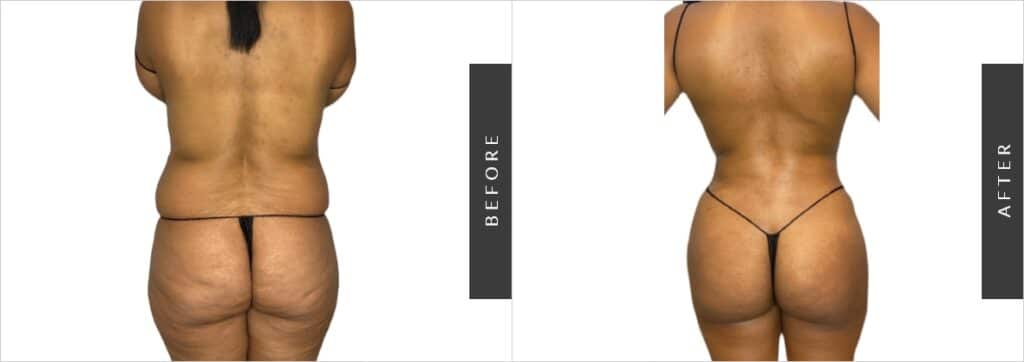
Emotional Considerations
Many individuals seek hip dip correction due to body image issues. The desire for a more contoured figure can lead to increased confidence. However, it’s crucial to have realistic expectations about outcomes.
Discussing goals with a qualified surgeon can help set expectations. Clear communication ensures that both patient and surgeon are aligned in their vision for the procedure.
Hip Implants for Hip Dips
Overview
Hip implants offer a surgical solution for those seeking to correct hip dips. These are noticeable indentations along the outer thighs. Many people desire a smoother silhouette. This procedure aims to create a more balanced appearance.
Implant Details
Custom-molded silicone implants are used in this surgery. Surgeons insert these implants through small incisions. The goal is to enhance the hip area. The implants can improve the overall shape of the body. They help achieve that desired hourglass figure.
Cost Considerations
The average cost for hip implants ranges from $8,000 to $10,000. This price can vary based on several factors. These include the surgeon’s experience and location. Patients should also consider additional costs like anesthesia and facility fees.
Recovery Process
Recovery from hip dip surgery involves some challenges. Patients typically experience swelling and tenderness after the procedure. Limited mobility is common during the first few weeks. Doctors usually recommend rest and avoiding strenuous activities. Following post-operative care instructions is crucial for optimal healing.
Risks and Complications
Like any surgery, hip augmentation carries risks. Possible complications include infection or implant displacement. Some patients may also experience dissatisfaction with the results. It’s essential to discuss these risks with a qualified surgeon before proceeding.
Alternatives to Surgery
Not everyone opts for surgical methods. Some prefer non-invasive techniques like hip exercises or fillers. These alternatives may provide temporary improvements without the need for surgery. However, results vary between individuals.
Pre-Surgery Expectations
Consultation Importance
Patients should have a thorough consultation with their plastic surgeon. This meeting is crucial for discussing goals and expectations. Surgeons assess individual body types to determine the best approach. They explain the procedure, including the use of grafts and general anesthesia.
Surgeons also address any concerns. Patients can ask about recovery time and potential complications. Understanding these factors helps set realistic expectations.
Risks and Benefits
Every treatment option has its risks and benefits. Patients need to understand these before deciding. Surgical options may offer more dramatic results but come with higher risks. Non-surgical methods may be less invasive but often have limited effects.
Discussing these aspects with the surgeon is essential. They can provide data on success rates and potential side effects. Knowledge empowers patients to make informed choices.
Financial Considerations
Preparing for surgery involves both financial and time commitments. Costs can vary greatly depending on the surgeon’s experience and location. Patients should inquire about all expenses, including consultations, surgery, and follow-up visits.
Financing options might be available through some clinics. Patients should explore these early in the process. Time off work for recovery is another factor to consider. Discussing this with the surgeon can help plan accordingly.
Recovery Timeline
Recovery time varies based on the method chosen. Surgical procedures typically require several weeks for initial healing. Patients should expect swelling and bruising during this period.
Post-operative care is vital for a smooth recovery. Following the surgeon’s advice can minimize complications. Regular follow-ups ensure everything heals properly.
Preparing Mentally
Mental preparation is just as important as physical readiness. Surgery can affect emotional well-being. Patients may feel anxious about changes in their bodies.
Support from friends or family can ease this transition. Joining support groups or forums may also help. Sharing experiences with others can provide reassurance.
Recovery and Aftercare
Importance of Instructions
Following the surgeon’s aftercare instructions is crucial. These guidelines help ensure a smooth recovery process. Patients should adhere to medication schedules and activity restrictions. This diligence can significantly reduce complications.
Surgeons often provide specific advice tailored to individual needs. Ignoring these recommendations can lead to setbacks in healing. It may also increase the risk of complications, such as infection.
Common Symptoms
Recovery from hip dip correction typically involves common symptoms. Swelling is almost always present after surgery. Patients might notice bruising around the treated area too. Discomfort is also a frequent experience during this stage.
These symptoms are usually temporary and part of the healing process. They often peak within the first few days post-surgery. Most patients find that these issues improve over time.
Pain management is essential during this phase. Doctors may prescribe pain relief medications to help manage discomfort. Following the prescribed dosage can aid in a smoother recovery.
Follow-Up Appointments
Follow-up appointments are necessary for monitoring progress. Surgeons will assess how well the body is healing during these visits. They check for any signs of complications, such as excessive swelling or unusual pain.
Patients should keep all scheduled follow-up appointments. These visits allow surgeons to make adjustments if needed. They can provide additional guidance on activity levels and care routines.
Missing a follow-up appointment could delay recovery or mask potential issues. Regular check-ins help ensure that everything is proceeding as expected.
Lifestyle Adjustments
Making lifestyle adjustments can enhance recovery outcomes. Patients should focus on maintaining a healthy diet rich in nutrients. Hydration plays an important role in the healing process too.
Light physical activity, as advised by the surgeon, can promote circulation. However, it’s vital to avoid strenuous exercise until cleared by a doctor.
Resting adequately is equally important for recovery. Giving the body time to heal aids in reducing fatigue and discomfort.
Emotional Considerations
Emotional well-being is often overlooked during recovery. Patients may experience anxiety about their healing process or final results. Support from family and friends can be beneficial.
Engaging in light activities, like walking or reading, may help ease stress levels. Finding ways to stay positive contributes to overall recovery success.
Patient Experiences
Sarah’s Story
Sarah struggled with her hip dips for years. She first tried fillers to enhance her curves. While the fillers provided some improvement, they did not meet her expectations. The results were temporary and required frequent touch-ups. This led her to explore more permanent options.
After researching various methods, Sarah decided on hip implants. She felt nervous but also excited about the potential transformation. During her consultation, the surgeon explained the procedure in detail. They discussed the risks and benefits thoroughly. Sarah appreciated this transparency and felt more confident in her decision.
On the day of the procedure, she received anesthesia. It helped ease her anxiety about the surgery. The operation lasted a few hours, and she experienced minimal pain afterward. Recovery was manageable, with some discomfort that resolved within a week.
Positive Outcomes
Sarah’s results were remarkable. After healing, she noticed a significant change in her body shape. Her hip dips were no longer visible, and she felt more confident in her appearance. Friends and family complimented her new look, boosting her self-esteem even further.
She documented her journey on social media. Many people reached out with questions about the procedure and recovery process. Sarah enjoyed sharing her experience and encouraging others considering similar treatments.
Common Concerns
Many patients have concerns before undergoing any procedure. Questions often arise about potential side effects or complications. Common side effects include swelling and bruising, which are normal after surgery.
Patients should also consider their long-term goals when choosing treatments. Some may prefer non-surgical options like injections, while others seek permanent solutions like implants. Each choice has its own set of risks and benefits.
Personal Testimonials
Personal experiences can play a crucial role in decision-making. Hearing from others who have undergone similar procedures helps alleviate fears and uncertainties. Testimonials provide insight into what to expect during recovery and beyond.
Sarah’s story is just one example of how patients can achieve their desired results through surgical intervention. Prospective patients should seek out testimonials from multiple sources to get a balanced view.
Closing Thoughts
Navigating hip dip correction methods can feel overwhelming. You’ve learned about various options, from fillers to fat transfers and implants. Each method has its pros and cons, tailored to your unique needs. Understanding what causes hip dips and the treatment landscape empowers you to make informed decisions.
Your journey doesn’t end here. Explore these options further, consult with professionals, and weigh your choices carefully. Remember, it’s about enhancing your confidence and body positivity. Take charge of your body today!
Frequently Asked Questions
What are hip dips?
Hip dips, also known as “violin hips,” are inward curves along the side of the hips. They are a natural part of body shape and can be influenced by genetics, bone structure, and fat distribution.
Are hip dip correction methods safe?
Yes, most hip dip correction methods are safe when performed by qualified professionals. It’s essential to consult with a board-certified surgeon to discuss risks and benefits specific to your situation.
How long do results from fillers last?
Results from fillers for hip dips typically last between 6 to 18 months, depending on the type of filler used and individual metabolism. Regular touch-ups may be necessary to maintain desired results.
Is fat transfer for hip dips permanent?
Fat transfer can provide long-lasting results, but not all transferred fat will survive. Generally, about 50-70% of the fat remains after six months, leading to a more permanent enhancement compared to fillers.
What should I expect during recovery?
Recovery varies by method but generally includes swelling and bruising. Most patients resume normal activities within a few days, but full recovery can take several weeks. Follow your surgeon’s aftercare instructions for optimal healing.
Can I exercise after hip dip surgery?
It’s crucial to avoid strenuous exercise for at least 4-6 weeks post-surgery. Light activities may be allowed sooner, but consult your surgeon for personalized guidance based on your recovery progress.
Do patient experiences vary widely?
Yes, patient experiences can differ significantly based on individual anatomy, chosen method, and personal expectations. Reading testimonials and reviews can help set realistic expectations for your journey.