Key Takeaways
- Liposuction pain typically encompasses soreness, tenderness, pressure, stiffness, swelling, and bruising that is most intense in the initial 48 hours and usually abates over weeks. Follow your surgical team’s directions and submit severe or deteriorating symptoms right away.
- Deep pressure and ache due to tissue trauma and swelling typically subside with compression garments, prescribed pain medication, and slow resumption of activity. Track pain and movement to monitor healing.
- Tenderness and numbness around incision sites are expected and often improve as nerves regenerate. Sudden increases in pain, persistent severe numbness, or signs of infection require prompt evaluation.
- Recovery varies by surgical approach, treated areas, and patient genetics, so talk about anticipated pain with the techniques your surgeon will utilize and realistic timelines prior to surgery.
- Employ a mix of clinical regimens, compression therapy, light movement, lymphatic drainage, and myofascial release and stretching to minimize swelling, control pain, and regain mobility.
- Maintain a daily post-liposuction recovery checklist of pain, swelling, medication timing, wound condition, and new symptoms to report to your staff and promote safer, faster healing.
Liposuction pain is what patients generally experience following fat extraction surgery. Pain is technique-dependent and varies by treated area and by patient, with symptoms ranging from mild soreness to sharp twinges in the 48 to 72 hours post-procedure. Common side effects are swelling, bruising, and tightness that are at their worst during the first week and subside over two to four weeks with appropriate care. Pain is generally managed with a mix of prescription pain killers, ice packs, and compression garments. Understanding timelines, signs of complications, and simple home remedies assists patients in planning recovery and setting realistic expectations. Below we describe causes, stages, effective relief options, and when to see a doctor.
Sensations Explained
Liposuction recovery delivers a blend of sensations that mirror tissue trauma, swelling and your body’s healing process. Patients frequently describe it as a tight, bruised sensation along with numbness, pressure, stiffness and soreness to varying degrees. These sensations fluctuate and vary by treated area, amount of volume extracted and individual pain threshold over time.
Pressure
Deep pressure in the area is common as fluid and torn tissue exert pressure against surrounding tissues. This doesn’t feel like the sting of surface pain; it can be a dull, heavy burden that renders motion clumsy. Pressure is usually most intense on the initial post-surgical days and subsides as swelling reduces and tissues settle. Properly fitted compression decreases oedema and provides support, which decreases deep pressure and accelerates comfort gains.
- Standing up or sitting down quickly
- Bending at the waist or twisting the torso
- Walking uphill or climbing stairs
- Wearing tight clothing over the surgical site
- Sudden coughing or straining
Tenderness
Tenderness is normal around the incision and in fatty layers. It typically feels like soreness to touch and can be more pronounced where surgeons worked harder, for example, the inner thighs or stomach. Tenderness works as a practical gauge. Light palpation or gentle movement shows progress when pain lessens day by day. Record tenderness daily, but if there is any marked increase, spreading redness, or developing fever, you should contact the surgical team.
Stiffness
Stiffness, which presents particularly after inactivity or sleeping, has patients likening it to muscle soreness after a hard workout. It comes from inflammation, slight muscle spasm, and scar tissue beginning to form. Stiffness responds to gentle daily movement, fluids, and time. Below are safe, approved light movements for early recovery:
| Movement | How to do it |
|---|---|
| Ankle pumps | Point and flex feet while seated, 20 reps every hour |
| Knee bends | Small, slow bends while standing, hold support, 10–15 reps |
| Pelvic tilts | Lie on back, tighten core and tilt pelvis gently, 10 reps |
| Shoulder rolls | Loosen upper body, slow rolls forward/back, 10 each way |
Swelling and bruising peak at 36 to 48 hours, then taper off over 10 to 14 days, though numbness can linger for months.
Influencing Variables
Liposuction pain is a function of a few interconnected variables. Knowing these factors helps you set expectations for pain, healing time, and complication risk. Major factors are the surgical technique, body areas addressed, patient genetics and general health, and perioperative care like compression, narcotics, and home support.
Surgical Methods
Conventional SAL employs manually controlled mechanical cannulas to extract fat and can induce more deep tissue soreness due to increased manual traction. Tumescent liposuction sprays dilute local anesthetic and fluid, which tends to minimize intraoperative bleeding and short-term pain and streamline recovery. Energy-assisted methods, such as ultrasound or laser-assisted, heat tissue in order to loosen fat. They can reduce manual trauma but may contribute to thermal soreness if overapplied.
Extended procedures or extensive tissue excision increase the risk of intense pain and prolonged healing. Untrained techniques graze more epidermis and can induce less penetrating pain but more epidermal tenderness and numbness. Good technique in the hands of an experienced surgeon minimizes trauma, reduces pain, and decreases complications.
- Conventional SAL leads to moderate to high pain, and more bruising and swelling are common.
- Tumescent liposuction results in minimum to moderate pain, less bleeding, and a smoother week one.
- Ultrasound-aided mild to medium pain with potential thermal soreness.
- Laser-assisted — low surface pain, possible localized burning sensation.
- Power-assisted results in mild pain, quicker fat extraction, but it has the potential for more tissue trauma.
Treated Zones
Pain varies by location: abdomen, flanks, inner thighs and medial knees often hurt more due to tissue density and nerve concentration. Parts with thicker fat or bad skin elasticity demonstrate more swelling and pain while the body drains fluid and recovers. Addressing several zones in a single sitting increases systemic stress and recovery time because of the increased cumulative trauma.
Map common areas and rank them: medial thighs and inner groin (higher), abdomen and flanks (higher), outer thighs and arms (moderate), neck and submental region (lower). Compression garments, early gentle walking and staged procedures can reduce pain and swelling.
Patient Genetics
Genetics play a role in pain perception, healing speed and likelihood of bruising or keloid scarring. Some people bruise more easily or form keloids. Others have thicker dermis that reattaches in various ways, modifying pain and results.
- Tendency to bruise easily
- Skin elasticity and thickness
- Propensity for keloid or hypertrophic scars
- Baseline inflammatory response
- Metabolic factors affecting fluid clearance
Recovery Progression
Recovery from liposuction falls along a predictable arc of stages that correspond to pain, swelling and function. Days one to three are about acute symptoms and wound care. Weeks two through six encompass slow improvement, return to routine and tissue remodeling. Months three to twelve provide contour refining and scar maturation. Knowing about each stage helps you set expectations and guide activity, medication and follow-up.
1. Initial Shock
The immediate postoperative period brings the sharpest changes: acute pain, marked swelling, and numbness near incisions. General or local anaesthesia effects wear off within hours, and patients commonly note the first full day as most uncomfortable, with pain and bruising hitting their peak during the first three days. Look out for severe pain, fever, or abnormal drainage as these may indicate complications. Typical findings are soreness, some bruising, swelling, and restriction of movement. Brief, slow walks for two to fifteen-minute sessions beginning on day three decrease clot risk and increase comfort.
2. Deep Ache
Following the initial shock, most patients note a lingering, throbbing deep ache localized in the fatty layer and surrounding musculature. This is due to tissue trauma, localized bleeding, muscle spasm, and the body’s inflammatory response. Take medications as directed. Prescribed pain killers and nonsteroidal anti-inflammatory drugs manage pain and allow you to remain lightly active, while opioid abuse can dull warning signs. This deep ache typically subsides gradually. By day seven, most of it has resolved, and by weeks two to three, moderate pain and hard nodules under the skin are common as tissues toughen and adjust.
3. Residual Tingling
Tingling and numbness typically linger near treated sites as fine sensory nerves were pulled, bruised or severed. These feelings usually get better as nerves repair and regrow over weeks to months. Monitor whereabouts and times. Momentary pins and needles that diminish are okay. Continued or worsening tingling, or symptoms of skin discoloration and delayed capillary refill, may be a sign of superficial ischemia or other local problems and should lead to review sooner.
4. Long-Term Healing
Complete recovery takes weeks to months. Anticipate swelling and soreness to subside over a number of weeks, with the majority cleared to return to work at the two-week mark and cleared for vigorous exercise at four to six weeks. Wear compression garments for three weeks to three months, avoid baths or swimming for a minimum of three weeks, stop smoking three weeks before and after the operation, and follow a low sodium diet for two weeks to limit inflammation. Final results appear by three to six months, with some contours stabilizing up to a year.
Relief Strategies
Relief post-liposuction mixes medical treatment, physical assistance, and self-care routines to alleviate discomfort, control swelling, and accelerate healing. Here are relief strategies clinicians frequently recommend, steps both patients can take, and why.
Clinical Regimens
Prescribed pain medication usually includes short-term opioid or opioid-sparing analgesics for the first 48 to 72 hours, paired with regular nonsteroidal anti-inflammatory drugs (NSAIDs) to control inflammation and pain. Counter pain options such as topical analgesics or acetaminophen can help between doses. Small dose changes may be needed based on individual tolerance and the extent of tissue removed. Clinicians adjust doses after assessment. Wound care involves keeping incisions clean, dry, and covered as directed, and watching for increased redness, drainage, or fever. Sutures are often removed at a clinic visit within 1 to 2 weeks if not absorbable. Organize a clear medication schedule with times and dose notes, and set alarms to keep consistent trough levels for better pain control.
Compression Therapy
Compression garments help decrease swelling, support tissues and decrease pain by maintaining tissue apposition during the acute healing period. Proper compression keeps seroma, or fluid, at bay and promotes even skin retraction in the area. Follow surgeon directions on how tight and how long to wear. Common advice is to wear them most of the day for several weeks, then by day for another two to four weeks. Examples of garments include an abdominal binder for midsection liposuction, a thigh wrap for leg work, and localized compression pads for arms. All of them facilitate form retention and minimize bruising.
| Liposuction Area | Garment Type | Benefit |
|---|---|---|
| Abdomen | High-compression binder | Even support, less fluid collect |
| Thighs | Full-leg garment | Limits swelling, contours skin |
| Arms | Sleeve or pad | Reduces tenderness, eases motion |
| Chin/jaw | Chin strap | Promotes adhesion, reduces edema |
Manual Drainage
Lymphatic drainage massage employs mild, rhythmic strokes to shift fluid out of treated areas, frequently initiated the day following surgery and continued a few times each week for up to two months. This decreases bruising, tenderness and oedema, enhances circulation, and can alleviate pain by relieving pressure. Nothing works better than trained therapists. Self-massage techniques can bridge the gap between sessions. Pair with ice packs early, an anti-inflammatory, plant-heavy diet with berries and prebiotic foods, and gentle walking to keep circulation going. No heavy lifting or intense exercise for 4 to 6 weeks. Later, you may consider adding in low-weight, high-rep work, such as Pilates, which can help with skin tightening.
Unusual Symptoms
Unusual symptoms following liposuction may indicate normal healing or complications. This awareness directs timely interventions. Anticipate swelling, bruising, and some irregularity as expected results. Piercing pain, abrupt transformations, or infectious indicators require urgent care.
Warn that severe pain, exquisite tenderness, or sudden swelling may indicate complications like fat embolism syndrome or visceral perforation
Severe, out-of-proportion pain or extreme tenderness at the site is not your normal post-op soreness. Sudden sharp pain in the chest, abdomen, or treated area, or rapid rebound of localized swelling may reflect serious events such as fat embolism or, rarely, a visceral perforation from instrument passage. Fat embolism can manifest with respiratory distress and altered mental status, while visceral perforation typically results in increasing abdominal pain and systemic symptoms. Both need immediate medical evaluation and potential scanning or inpatient treatment.
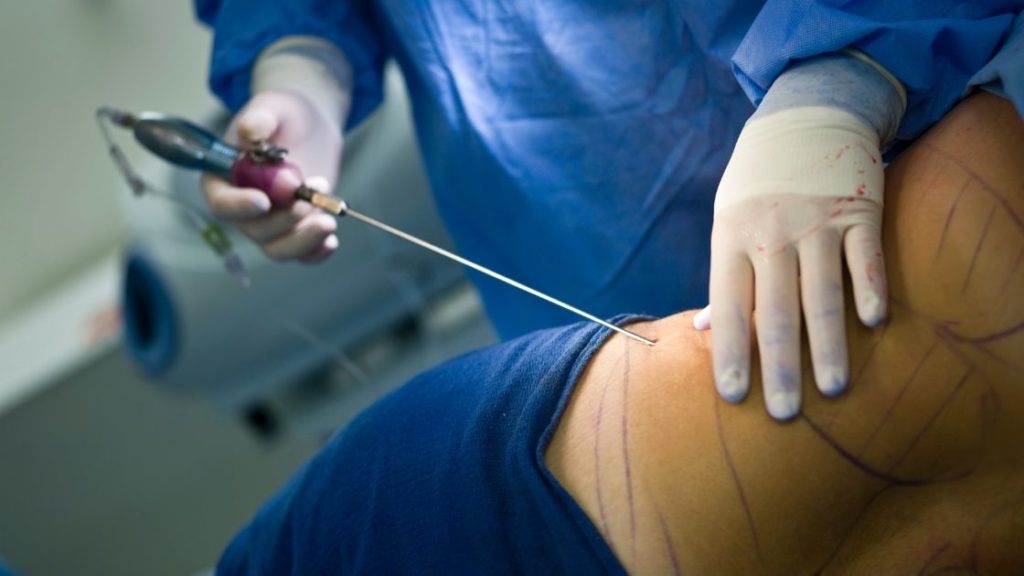
List symptoms requiring urgent attention: chest pain, shortness of breath, excessive bleeding, or signs of infection
Chest pain or shortness of breath after liposuction are red flags and need immediate assessment for pulmonary embolus or fat embolism. Excessive bleeding from incision sites, large expanding hematomas, or sudden bulging in one area demand quick evaluation. Signs of infection, such as persistent fever, increasing redness, warmth, or pus at an incision, should prompt same-day contact with the surgical team and likely antibiotic treatment.
Emphasize that unusual pain patterns or persistent numbness should not be ignored during recovery
Unexpected pain — sharp, stabbing or wandering — should be noted and brought up. Numbness, tingling or altered sensation (paresthesia) is prevalent because of nerve irritation but can take weeks to months to subside as nerves regenerate. Numbness that persists beyond the anticipated recovery time, increasing weakness or new hyper-sensitivity should be evaluated for nerve injury or hematoma compressing nerves.
Advise documenting any new or worsening symptoms to provide clear information to the surgical team
Keep a symptom log: note date, time, location, severity, and any triggers. Photograph any visible changes like asymmetries, swelling, or bruises. Unusual symptoms, such as asymmetry, happen because fat removal and healing differ by site. Any abrupt, unilateral increase in swelling, bruising, or fluid should be documented and reported. Clean notes assist clinicians in triaging risk and determining tests or interventions.
Myofascial Perspective
Myofascial pain tends to increase post liposuction, as the procedure disrupts skin, fat, and the connective tissue web that binds muscle and fascia. Surgical trauma and tissue handling can generate pockets of inflammation and adhesions in which layers of fascia stick to one another or to underlying muscle. Such binding restricts glide, causing adjacent fascia and muscle to feel stiff, sore, or achingly painful. Over time, untreated fascial restrictions can maintain local tenderness and restricted range of motion, which impedes lymphatic flow and maintains swelling.
Myofascial restrictions can manifest as general stiffness or as acute trigger points. When fascia can no longer slide freely, pressure shifts into neighboring tissues, creating a deep ache in the fat layer and muscle cramping. Others experience numbness, pins and needles, or altered sensation in the post-liposuction phase, which can frequently be traced to a combination of nerves healing and tight fascia compressing small nerve branches. Fascia can trap fluid, therefore myofascial work restoring glide helps reduce edema in the days and weeks post-surgery.
Some myofascial release and light stretches are a practical first step. Begin passive, low-load strokes as soon as the client is comfortable. Myofascial massage strokes can be introduced to a session as tolerance permits. In extremely sensitive clients, alternate lighter myofascial strokes with MLD, hot stones to warm tissue, and negative compression (lymphatic cupping) to de-sensitize without deep pressure. Employ slow sustained holds along lines of restriction, followed by easy active or assisted stretching to regain motion. This combination accelerates fluid flow and alleviates pain without straining tissues.
Heal both shallow and deep tissue for optimal results. Surface-level work moisturizes skin and subcutaneous layers to rehydrate and slide. More intensive, deliberate fascial therapy addresses adhesions and subtler restrictions surrounding muscles and neurovascular bundles. Myofascial massage can decrease tenderness and soreness, reduce edema, and relax numbness or tingling. A mindful myofascial strategy decreases dependence on potent painkillers and assists in curbing the threat of chronic opioid use following plastic surgery.
Conclusion
Liposuction pain takes a defined route. Early days bring sharp, burning, and pressure pain. Days to weeks bring soreness and tightness as swelling subsides and tissues heal. Things like technique, body area, and your health influence how much pain appears and for how long. Simple steps cut pain: steady meds, cold pack use, light walks, and wearing compression. Be alert for unusual signs like increasing temperature, spreading redness, or smelly discharge. Myofascial trigger points can extend pain duration; gentle release and directed therapy assist. True healing comes in phases. Anticipate consistent increases and establish incremental milestones such as brief walks and improved sleep. You need a plan customized to your case. Request a two-week or six-week checklist.
Frequently Asked Questions
What type of pain is normal after liposuction?
Typical pain is a throbbing ache, bruised tightness, and soreness in the areas treated. It generally feels like deep bruising, is worst the first 48 to 72 hours, and then slowly subsides over days to weeks.
How long does liposuction pain usually last?
Acute pain usually subsides within one to two weeks. Mild soreness, numbness, or tightness may linger for several weeks to months while swelling and healing persist.
When should I contact my surgeon about pain?
Call your surgeon if pain suddenly intensifies, is severe despite medication, or is accompanied by fever, spreading redness, abnormal drainage, or loss of function. These could be signs of infection or other issues.
Can I expect pain during movement or exercise?
Yes. Exercise will make you sore and tight, especially during the early days of your recovery. Respect activity restrictions, advance slowly, and wear compression garments to minimize pain and swelling.
What helps relieve liposuction pain at home?
Manage liposuction pain with prescribed pain medication, compression garments, cold packs for the initial 48 hours, light walking, and sleeping with the area supported. Adhere to your surgeon’s post-operative guidelines for optimal results.
Are there long-term pain risks after liposuction?
Chronic pain is rare, but it can occur from nerve irritation or scar tissue. The majority respond to conservative care, massage, or physical therapy. See a specialist if pain persists beyond several months.
Can scar tissue or myofascial tightness cause persistent pain?
Yes. Scar adhesions and myofascial restrictions can generate localized pain and tightness. Targeted treatments such as myofascial release, light stretching, and massage can often assist.