
Key Takeaways
- Inverted nipple correction offers a cosmetic and sometimes functional solution for those with inverted nipples, addressing both aesthetic concerns and potential issues with breastfeeding.
- Understanding the underlying causes of inverted nipples is crucial before considering correction; these can range from congenital conditions to changes from breastfeeding or surgery.
- Several correction techniques are available, including minimally invasive procedures, which can be tailored to the individual’s needs and the severity of the inversion.
- Recovery from inverted nipple correction is generally swift, with most candidates resuming normal activities shortly after the procedure, highlighting the importance of following post-operative care instructions for optimal results.
- Ideal candidates for this procedure are those in good general health, with realistic expectations about the outcomes, and a clear understanding of the potential risks and benefits.
- Complementary procedures, such as breast augmentation or lift, can be performed alongside inverted nipple correction to enhance overall breast aesthetics, offering a comprehensive approach to achieving desired results.
Understanding Inverted Nipples
Inverted Nipple
Inverted nipples draw inward rather than protrude. This condition affects the nipple’s appearance and functionality. It results from shorter breast ducts, limiting nipple extension.
Breastfeeding might be challenging with this condition. However, many can still nurse successfully.
Prevalence
Many believe inverted nipples are rare. Yet, they occur in a significant portion of the population. Misconceptions abound, leading to unnecessary stigma.
Both men and women can have them. Their presence does not always indicate health issues.
Psychological Impact
The psychological effects are profound for some individuals. They may feel self-conscious or less confident about their bodies.
This concern often overshadows the physical aspects, pushing some towards correction options.
Physical Impact
Beyond aesthetics, inverted nipples can complicate breastfeeding. They make latch-on difficult for infants.
Despite challenges, solutions exist to aid nursing mothers. These include nipple shields and special techniques taught by lactation consultants.
Reasons to Consider Correction
Aesthetic Desires
Many individuals seek inverted nipple correction for aesthetic reasons. They may feel self-conscious about the appearance of their nipples, impacting their self-esteem. This procedure can help align their physical appearance with their ideal body image, boosting confidence.
Feeling comfortable in one’s skin is crucial. After correction, many report a significant improvement in how they view themselves and interact socially.
Functional Concerns
Inverted nipples can sometimes interfere with breastfeeding. For new mothers, this presents a practical challenge that correction can address. By restoring the nipple’s projection, the procedure facilitates a more effective latch for infants.
This benefit is not just immediate but impacts the mother-child bonding experience positively during a critical time.
Personal Confidence
Correction can dramatically improve comfort in intimate situations. Individuals often express relief and newfound confidence with their partners post-correction. The psychological benefits are profound, as they no longer feel inhibited by concerns over their physical appearance.
This change can enhance intimacy and personal relationships, marking a significant milestone in one’s life journey.
Correction Techniques Explored
Surgical Options
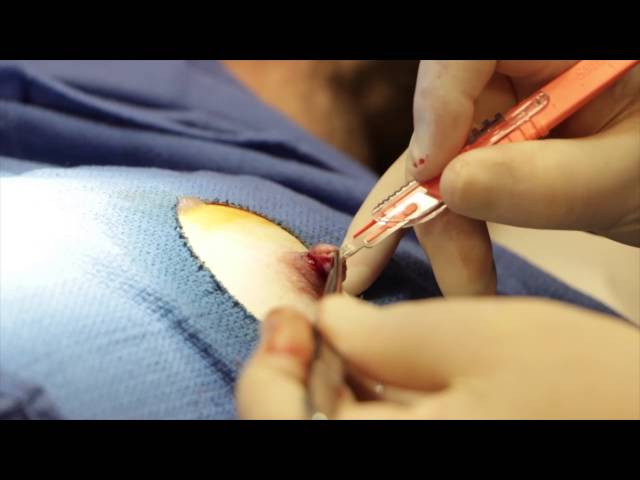
Surgical techniques for inverted nipple correction have evolved significantly. They focus on minimal scarring and maintaining the nipple’s functionality. The double triangle suture technique is one such method. It uses small incisions to reposition the nipple, ensuring satisfactory correction with less visible scars.
Doctors often prefer surgical strategies that involve tiny incisions under local anesthesia. This approach reduces recovery time and discomfort for patients. Studies support these methods, highlighting their effectiveness and safety.
Non-Surgical Alternatives
Not all cases require surgery. Some less invasive options include suction devices or distractor systems. These tools apply gentle traction over time to encourage projection without incisions.
These alternatives may suit individuals seeking minor corrections without the downtime of surgery. However, their effectiveness varies and might not offer permanent solutions like surgical treatments do.
Anesthesia Choices
The choice between local and general anesthesia depends on the patient’s comfort and health status. Local anesthesia allows for a quicker recovery, making it a popular choice for standalone procedures.
For more complex cases or when combined with other surgeries, general anesthesia might be necessary. Doctors discuss these options thoroughly with patients, ensuring they make informed decisions about their care.
Recovery and Ideal Candidates
Recovery Timeline
Patients typically return to work within a few days post-surgery. Full activity resumption, including exercise, may take up to three weeks. This period allows the body to heal properly and ensures minimal scars remain.
Ideal Candidates
Health status is crucial for those considering inverted nipple correction. Ideal candidates are individuals in good physical health with realistic expectations about the surgical outcomes. Young women often seek this procedure but it’s suitable for anyone meeting the inclusion criteria.
Post-procedure Care
Following the surgeon’s care instructions is vital for optimal healing. It helps achieve satisfactory outcomes rate and ensures the aim of minimal scarring is met. Regular follow-ups are also part of ensuring a smooth recovery process.
Complementary Procedures
Cosmetic Enhancements
Patients often seek a comprehensive aesthetic improvement when considering inverted nipple correction. Common procedures performed alongside include augmentation mammoplasty and various types of flaps. These additional surgeries can enhance the breast’s overall appearance, providing a more satisfying outcome.
Combining these procedures allows for a single recovery period. It streamlines the process, making it more convenient for patients. They can address multiple concerns in one operation, reducing total downtime.
Surgical Planning
A private consultation is crucial for developing a tailored surgical strategy. This includes preoperative grading of the nipple and assessing any functional problems that might influence the choice of methods.
Surgeons use standardized methods like triangle sutures and internal sutures to ensure optimal outcomes. These techniques minimize complications and achieve lasting results. Patients should discuss potential postoperative complications and recovery expectations during this phase.
Recovery Considerations
Combining inverted nipple correction with other plastic surgery procedures requires careful timing. It’s essential to consider the cumulative impact on recovery.
Patients must follow their surgeon’s guidance on managing recovery from multiple procedures. This may involve special postoperative care instructions to prevent complications.
Summary
Inverted nipple correction is a game-changer for many, offering not just aesthetic enhancement but also boosting self-confidence. You’ve seen the why and how—from understanding the basics, exploring correction techniques, to recovery and complementary procedures. It’s clear this journey can significantly impact your quality of life, making daily activities and personal moments more enjoyable.
Now’s the time to take action. If you’re considering this procedure, reach out to a qualified professional who can guide you through the process with expertise and care. Remember, choosing to correct inverted nipples is a personal decision that deserves thoughtful consideration and support from experienced hands. Make your comfort and confidence a priority today.
Frequently Asked Questions
What are inverted nipples?
Inverted nipples are nipples that retract into the breast rather than protruding out. This condition can be present from birth or develop over time due to various factors.
Why should someone consider inverted nipple correction?
Inverted nipple correction can enhance the aesthetic appearance of the breasts, improve self-confidence, and in some cases, make breastfeeding easier.
What are the main techniques for correcting inverted nipples?
The main techniques include minimally invasive procedures that involve cutting the fibers or ducts causing inversion, and sometimes filler injections or fat grafting to maintain projection.
How long is the recovery period after an inverted nipple correction procedure?
Recovery typically takes about 1-2 weeks, with most people returning to normal activities shortly after. However, full healing and final results may take a bit longer.
Who is an ideal candidate for inverted nipple correction?
Ideal candidates are individuals in good health, with realistic expectations, who experience discomfort or self-consciousness due to their inverted nipples.
Can other procedures complement inverted nipple correction?
Yes, inverted nipple correction can be combined with other breast procedures such as augmentation, lift, or reduction to achieve a more comprehensive improvement in breast aesthetics.