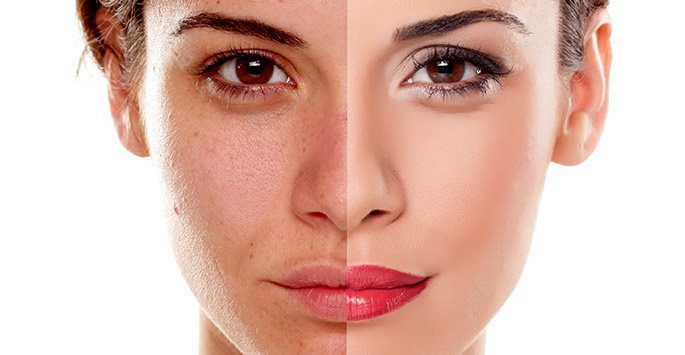
Laser fractional resurfacing stands out as a groundbreaking approach in the realm of cosmetic treatments, aiming to rejuvenate the skin by targeting wrinkles, scars, and sun damage with precision. This innovative technique uses laser technology to deliver microscopic beams of energy into the skin’s deeper layers, stimulating natural healing processes and collagen production. As a result, patients witness significant improvements in their skin’s texture and overall appearance without the extended downtime associated with traditional resurfacing methods. Understanding how this procedure works and its benefits can guide individuals seeking effective solutions for enhancing their skin health.
Understanding the Mechanism of Laser Skin Resurfacing
Targeted Treatment
Laser fractional resurfacing uses concentrated light. This light precisely removes damaged skin, layer by layer. It’s a focused approach to skin rejuvenation.
The process is not random. Specialists can target specific concerns. These include wrinkles, scars, and hyperpigmentation. Each session is tailored to the patient’s needs.
Collagen Stimulation
A key benefit of laser fractional resurfacing is collagen production stimulation. Collagen makes the skin smoother and firmer. After treatment, patients notice these improvements.
This stimulation occurs because the laser promotes healing responses in the body. As a result, new collagen forms over time.
Practical Examples
Consider two common scenarios where this technology shines:
- Scars: Whether from acne or injury, scars can be diminished.
- Wrinkles: Aging signs around eyes and mouth are reduced significantly.
Patients report satisfaction with results across these areas.
Criteria for Determining Suitability
Ideal Candidates
Ideal candidates for laser fractional resurfacing possess certain characteristics. They have non-oily, elastic skin and maintain good health overall. This procedure works best on individuals who meet these criteria because their skin can recover more effectively.
The procedure is designed to address various concerns such as fine lines, wrinkles, and scars. However, not everyone’s skin type is suited for this treatment. Those with the right type of skin see better outcomes.
Unsuitable Conditions
Laser fractional resurfacing is not suitable for everyone. People with active acne or very dark skin tones should avoid this procedure due to higher risks of adverse effects.
This treatment might worsen acne conditions or lead to pigmentation issues in darker skin tones. Therefore, understanding one’s own condition before deciding on the procedure is crucial.
Expectation Alignment
Understanding realistic outcomes from laser fractional resurfacing is essential for patient satisfaction. Patients must align their expectations with what the procedure can actually achieve.
- Pros:
- Reduces appearance of fine lines.
- Improves skin texture.
- Cons:
- Not suitable for all skin types.
- Requires multiple sessions for optimal results.
Patients should discuss their specific concerns and desired outcomes with a professional beforehand. This ensures that both parties have a clear understanding of achievable results through this use of technology.
Benefits and Expected Outcomes for Ideal Candidates
Skin Rejuvenation
Laser fractional resurfacing offers significant benefits. It reduces fine lines and wrinkles, making the skin look smoother. This process also improves skin texture, giving it a more uniform appearance.
People see changes after just one treatment. However, multiple sessions provide the best results. The team at our office tailors treatments to target specific areas of concern.
Scar Reduction
Another key advantage is the diminished appearance of scars and age spots. Whether from acne or other causes, scars fade significantly.
This benefit helps many feel more confident in their skin’s appearance. Our office uses precise laser settings to ensure effective scar treatment.
Long-Term Effects
The long-term outcomes include tighter skin and a youthful look. These results develop over time as the skin heals and produces new collagen.
Candidates enjoy these effects for years with proper care. They often report feeling happier with their overall appearance.
Risks and Conditions Disqualifying Candidates
Potential Risks
Laser fractional resurfacing, while beneficial, carries risks. Scarring can occur but is rare. It’s more likely if aftercare instructions aren’t followed. Infections are another risk, emphasizing the importance of a clean environment during recovery. Lastly, changes in skin pigmentation might happen. This includes either darkening or lightening of treated areas.
These risks underscore the need for choosing experienced professionals for treatment. They know how to minimize complications.
Disqualifying Conditions
Not everyone is a suitable candidate for laser fractional resurfacing. Those with a history of keloid scar formation should avoid this procedure due to the high risk of severe scarring post-treatment.
Certain medications also disqualify individuals from undergoing this treatment. For example, medications that affect skin healing or blood clotting can increase the risk of complications.
- Medications affecting skin healing
- Blood thinning drugs
Lastly, laser fractional resurfacing is not recommended for pregnant women or individuals with autoimmune diseases because their conditions could lead to unpredictable results or heightened side effects.
Understanding these disqualifiers is crucial before considering laser fractional resurfacing as an option for skin rejuvenation.
Preparing for a Laser Resurfacing Session
Sun Exposure
Before undergoing laser fractional resurfacing, it’s crucial to avoid the sun. Sun exposure can make your skin more sensitive to the laser treatment. This means staying out of direct sunlight and skipping tanning beds for weeks before your session.
Doctors advise wearing broad-spectrum sunscreen if you must be outdoors. This helps protect your skin from harmful UV rays that could affect your treatment results.
Skin Products
Another important step is to stop using certain skincare products. Two weeks before your laser therapy, halt all use of products containing retinol or glycolic acid. These substances can irritate the skin, making it more susceptible to damage during resurfacing.
Switching to gentler skincare products is recommended during this period. This ensures that your skin stays healthy and ready for the procedure.
Medications Talk
Discussing current medications with your doctor is essential too. Some medicines can interfere with healing after laser resurfacing. Your plastic surgeon needs to know about everything you’re taking.
This includes over-the-counter pills and prescriptions alike. Being open about this allows the surgeon to tailor the treatment plan specifically for you, minimizing any risks of complications.
Experience During and After the Treatment
Treatment Duration
The duration of a laser fractional resurfacing treatment session can vary. Most sessions last between 30 minutes to an hour. Some patients might need local anesthesia, especially if the area near the mouth or other sensitive parts of the body is being treated.
Local anesthesia helps manage discomfort during the procedure. Patients usually feel minimal pain thanks to this preparation.
Immediate Effects
After a laser fractional resurfacing session, it’s common for patients to experience some immediate effects. These include redness, swelling, and mild discomfort in the treated area.
These symptoms are normal and indicate that healing is underway. They typically begin to subside within a few days after treatment.
Recovery Process
Full recovery from laser fractional resurfacing takes time. The intensity of your treatment influences this period significantly.
For most people, complete healing occurs within one to two weeks. However, minor scarring may take longer to fade completely. Patients should follow their doctor’s advice closely during this period. This includes using prescribed creams or ointments and avoiding sun exposure.
Post-Treatment Skincare Guidelines
Gentle Care
After undergoing laser fractional resurfacing, your skin becomes more sensitive. It’s crucial to treat it gently.
Use gentle cleansers to wash your face. Avoid products with harsh chemicals or abrasive materials. These can irritate the new skin layers exposed by the treatment.
Moisturizing is equally important. Opt for hydrating moisturizers that are free from fragrances and alcohol. They help soothe and repair your skin without causing additional irritation.
Sun Protection
The new skin is highly susceptible to UV damage post-treatment. Therefore, applying sunscreen daily becomes mandatory.
Choose a broad-spectrum sunscreen with an SPF of 30 or higher. This protects against both UVA and UVB rays, which can cause premature aging and worsen conditions like acne and age spots.
Reapply every two hours if you’re outdoors for prolonged periods. Even on cloudy days, UV rays can penetrate through clouds and harm your skin.
Follow-Up Care
Scheduling follow-up appointments with your dermatologist is key to ensuring a smooth recovery process.
These appointments allow professionals to monitor healing progress closely. They also provide an opportunity for addressing any concerns such as unexpected redness or swelling early on.
Summary
Laser fractional resurfacing stands as a pivotal advancement in dermatological treatments, offering a blend of efficacy and safety for individuals seeking skin rejuvenation. It leverages precise technology to address various skin concerns, underscoring the importance of understanding eligibility criteria, potential benefits, and associated risks. The process demands careful preparation, with post-treatment care being crucial for optimal outcomes. This synthesis of information underscores the procedure’s value and the necessity for prospective candidates to engage with qualified professionals for assessment and treatment guidance.
As the landscape of cosmetic procedures continues to evolve, laser fractional resurfacing exemplifies how innovation can enhance personal well-being. Individuals considering this treatment are encouraged to conduct thorough research and consult with experienced dermatologists to ensure it aligns with their skin health goals. The journey towards improved skin appearance begins with informed decisions, making expert advice invaluable in navigating the options available within aesthetic medicine.
Frequently Asked Questions
What is the mechanism behind laser skin resurfacing?
Laser skin resurfacing works by using focused light to remove damaged skin layers, stimulating collagen production and resulting in smoother, healthier-looking skin.
Who is an ideal candidate for laser fractional resurfacing?
Ideal candidates are generally those with fine lines, wrinkles, scars, or uneven skin tone. However, suitability depends on individual skin conditions and health history.
What benefits can be expected from undergoing laser fractional resurfacing?
Patients can expect reduced appearance of scars, wrinkles, and improved overall skin texture. Results vary but typically lead to more youthful and rejuvenated skin.
Are there any risks associated with laser fractional resurfacing?
Yes, potential risks include temporary redness, swelling, itching or burning sensation post-treatment. In rare cases, infection or scarring may occur.
How should I prepare for a laser resurfacing session?
Preparation involves avoiding sun exposure and certain medications that can affect clotting like aspirin. Your doctor may also prescribe pre-treatment skincare products.
What happens during and after the treatment process?
During treatment, you’ll feel minimal discomfort thanks to numbing creams; afterward experiencing some swelling and redness which subsides within a few days. Follow-up care instructions will be given by your practitioner.
Can you provide post-treatment skincare guidelines after laser fractional resurfacing?
Post-treatment care includes keeping the treated area clean and moisturized while avoiding direct sunlight for at least one month to ensure optimal healing.