Common Causes of Burns
Improper Settings
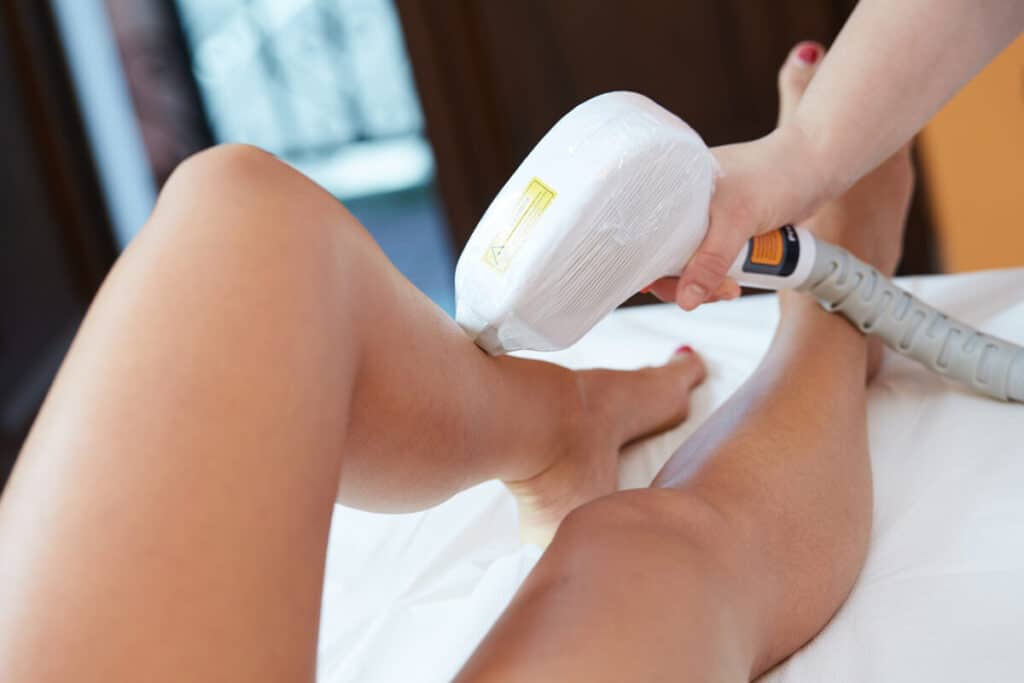
Laser hair removal requires precise settings. Improper laser settings are a major cause of burns. Technicians must adjust the laser to match the patient’s skin type and hair color. High energy levels can cause first or second-degree burns.
Techniques matter too. Incorrect application increases the risk of damage. A steady hand and proper training prevent injuries.
Skin Sensitivity
Individuals react differently to laser treatments. Some have inherent skin sensitivity that makes them more prone to burns. Unrecognized skin conditions, like dermatitis, heighten this risk.
Patients should undergo a thorough skin assessment before treatment. This step identifies potential problems, reducing the chance of adverse reactions.
Pre-Treatment Care
Pre-treatment care is crucial for safety. Failing to avoid sun exposure before sessions increases burn risks significantly. UV rays sensitize the skin, making it more susceptible to laser-induced damage.
Clients must follow all pre-treatment instructions carefully. They should stay out of the sun and inform technicians about recent sun exposure or tanning activities.
Risks Before Treatment
Medication Disclosure
Patients must disclose all medications and health changes to their practitioner before undergoing laser hair removal. This step is crucial as certain medications can increase the risk of burns by making the skin more sensitive to the laser’s heat. Not only does this include prescription drugs but also over-the-counter supplements that could potentially heighten sensitivity.
The severity of side effects, including pain and infection, can escalate if proper precautions are not taken. Therefore, being open about any recent health developments is vital for a safe treatment experience.
Sun Exposure
Recent sun exposure or tanning significantly affects the skin’s sensitivity to laser treatment. Skin that has been exposed to the sun may absorb laser light more intensely, leading to an increased risk of burns.
Patients should avoid sun exposure for a recommended period before treatment to minimize risks. This precaution helps in reducing the severity of potential side effects and ensures a smoother recovery post-treatment.
Professional Assessment
A professional assessment prior to laser hair removal is imperative to identify any contraindications. Experts assess each patient’s skin type, hair color, and overall health condition to determine the safest treatment plan.
This evaluation is essential in preventing severe cases of burns and ensuring that patients have a positive experience with minimal risk involved. Trusting a qualified professional with this assessment can dramatically reduce the likelihood of experiencing adverse effects.
Are Burns Permanent
Burn Severity
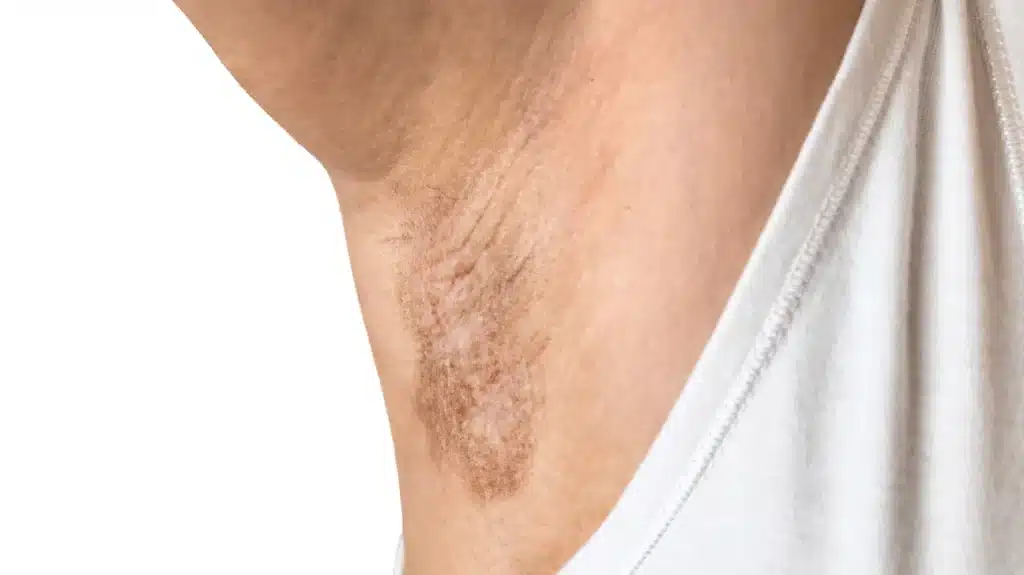
Most laser hair removal burns are not permanent. The severity of the burn plays a crucial role in determining its permanency. Minor burns often heal without leaving any scars, while more severe burns can cause damage deep in the skin.
Immediate treatment is essential. Cooling the burn and seeking professional advice can prevent complications. Without proper care, even minor burns might lead to scarring.
Skin Healing
Individual skin healing processes vary greatly. Some people have a remarkable ability to recover from injuries with minimal scarring. Others may find their skin marks easily, prolonging the healing process.
Factors like age, genetics, and overall health influence how well and quickly one’s skin heals. Proper aftercare, including moisturizing and avoiding sun exposure, supports the skin’s recovery.
Immediate Treatment
The importance of immediate and appropriate treatment cannot be overstated. It significantly minimizes the risk of permanent damage from laser hair removal burns.
Seeking medical advice right away ensures that you receive tailored care for your injury. This step is vital for preventing long-term effects on the skin.
Treating and Healing Burns
Immediate Care
After experiencing a laser hair removal burn, immediate cooling of the area is crucial. Applying cold compresses or ice packs helps reduce inflammation and alleviate pain. This step is vital in the initial hours following the injury.
It’s essential to keep the burn clean and dry to prevent infection. Covering it with a sterile bandage can protect the affected area from further irritation.
Sun Protection
Exposing healing burns to direct sunlight can worsen scarring and affect pigment recovery. It’s advisable to avoid sun exposure completely. If going outdoors is unavoidable, applying a broad-spectrum sunscreen to protect the sensitive skin is crucial. This care prevents further damage and supports the healing process.
Professional Help
Severe burns might require more than basic home care. Consulting a dermatologist is important for tailored advice. They may prescribe special creams that promote healing or antibiotics if there’s an infection risk. In some cases, treatments like laser therapy might be recommended to improve appearance and texture.
Preventing Burns on All Skin Types
Skin Assessment
A thorough skin assessment by a qualified practitioner is crucial. They can select the right laser settings for different skin types. This step ensures safety and effectiveness across various skin tones.
Different skin types absorb laser light differently. Practitioners must account for this to prevent burns. They consider factors like melanin levels and skin sensitivity.
Pre-Treatment Care
Clients must follow pre-treatment instructions carefully. Avoiding sun exposure is essential to reduce risks. Sunlight can increase melanin in the skin, making it more susceptible to burns.
Certain skincare products and medications should also be avoided. These can sensitize the skin, increasing burn risks during laser hair removal.
Test Patches
Test patches are beneficial, especially for sensitive or darker skin types. They help gauge the skin’s reaction to the laser. This step can prevent adverse effects on larger areas.
Practitioners apply a small laser pulse to an inconspicuous area. They then observe any reactions before proceeding with full treatment.
Booking Your Safe Appointment
Clinic Selection
Selecting a reputable clinic is crucial for your safety. Research clinics that specialize in laser hair removal. Look for ones with board-certified practitioners. These professionals have the training needed to minimize risks.
A reputable provider will openly share their qualifications. They should also provide examples of their work. This transparency helps ensure you’re making an informed choice.
Consultation Importance
Scheduling a consultation is a key step. It allows you to discuss any concerns directly with the doctor or technician. They can assess your skin type and hair level, tailoring the treatment to your needs.
During this meeting, ask about the course of treatment and what results you can expect. This conversation should also cover emergency protocols in case of adverse reactions.
Emergency Protocols
Understanding a clinic’s response to potential complications is vital. Ask about their procedures for handling burns or other side effects. A good clinic will have clear, immediate steps to manage any issues that arise.
This discussion reassures you of your safety during the procedure. It shows the clinic prioritizes patient care above all.
Aftercare and Recovery Tips
Cleanliness
Proper care begins with keeping the treated area clean. Gently wash with a mild soap and pat dry. This prevents infection and aids in healing.
Avoid using harsh chemicals or exfoliants on the area. These can exacerbate the irritation.
Moisturization
Applying a fragrance-free moisturizer helps soothe the skin. Look for products containing aloe vera or hyaluronic acid for their calming properties.
Do not apply ice directly to the skin. Instead, use a cool compress if swelling occurs.
Clothing Choice
Wear loose clothing over the area. This minimizes friction and further irritation during recovery.
Avoid tight-fitting garments that can rub against the burns.
Activity Limitation
Limit physical activities that induce sweating. Sweat can irritate the treated area and increase the risk of infection.
Postpone workouts and other strenuous activities until the skin heals.
Following these aftercare tips ensures a smoother recovery process after laser hair removal burns. They complement the advice given for booking your safe appointment, emphasizing the importance of proper care post-treatment. By adhering to this guidance, individuals can support their skin’s healing, minimize discomfort, and prevent complications associated with laser hair removal burns.
Closing Thoughts
Laser hair removal offers a sleek solution to unwanted hair, but burns can be a real risk if you’re not careful. Understanding the common causes and how to prevent them ensures your journey to smooth skin is safe. You’ve learned that burns, while concerning, are often treatable and not always permanent. Following the right pre-treatment steps, choosing a reputable provider, and adhering to aftercare instructions play a huge role in your treatment’s success. Remember, knowledge is power. Armed with what you know now, you’re better equipped to make informed decisions for your skin’s health and beauty. Don’t let fear hold you back from achieving the results you desire. Book your appointment with confidence, knowing you’re prepared to take the necessary precautions for a safe and effective laser hair removal experience.
Ready to say goodbye to unwanted hair safely? Reach out to a trusted professional today and take the first step towards smooth, carefree skin.
Frequently Asked Questions
What are the common causes of laser hair removal burns?
Burns can occur due to improper laser settings, lack of cooling on the skin’s surface, or incorrect treatment techniques. It’s crucial to choose an experienced provider.
Can laser hair removal burns be permanent?
While most burns from laser hair removal are temporary and heal with proper care, there’s a small risk of permanent scarring or pigmentation changes.
How should I treat a burn from laser hair removal?
Immediately cool the area with cold water or a cold pack. Avoid applying any cosmetics or lotions until you’ve consulted with your treatment provider for specific aftercare instructions.
How can I prevent burns when getting laser hair removal?
Ensure your provider uses the correct laser settings for your skin type and follows safety protocols. Cooling the skin during treatment also helps minimize risks.
What should I know before booking a safe laser hair removal appointment?
Research and select a reputable clinic with qualified professionals. Discuss your skin type, medical history, and any concerns during your consultation to tailor the safest approach.
Are there specific aftercare tips for recovery post-laser hair removal?
Yes, avoid sun exposure, apply sunscreen, keep the treated area clean, and follow any personalized advice from your provider to support healing and prevent complications.